




Antique Sacred Sculpture
These antique sacred sculpture pieces bring centuries of devotional craft into modern spaces, offering deep historical resonance through carved wood and bronze.
Antique Sacred Sculpture
When you search for antique sacred sculpture, you encounter devotional carvings and figures created for religious use across Europe and beyond. The selection spans centuries of craftsmanship, ranging from pre-16th century medieval works to later devotional statues.
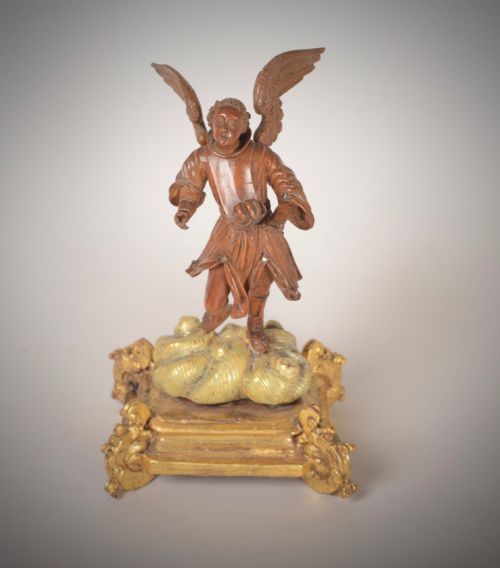
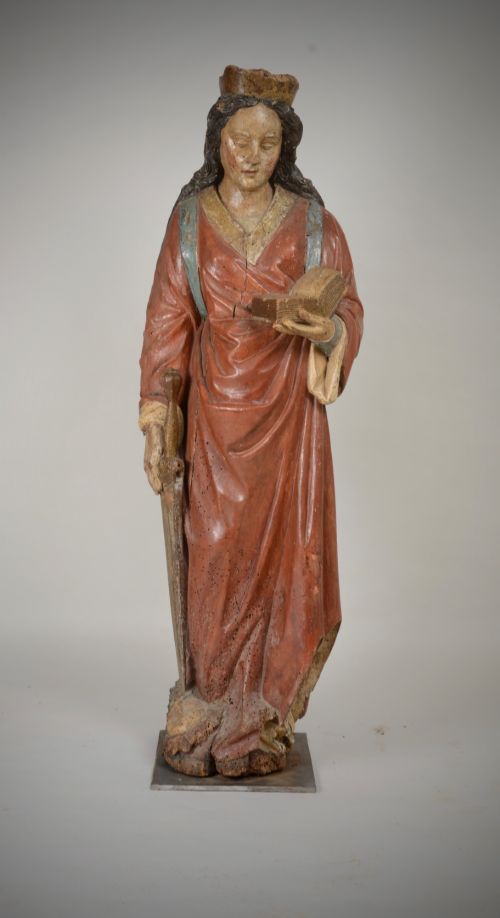
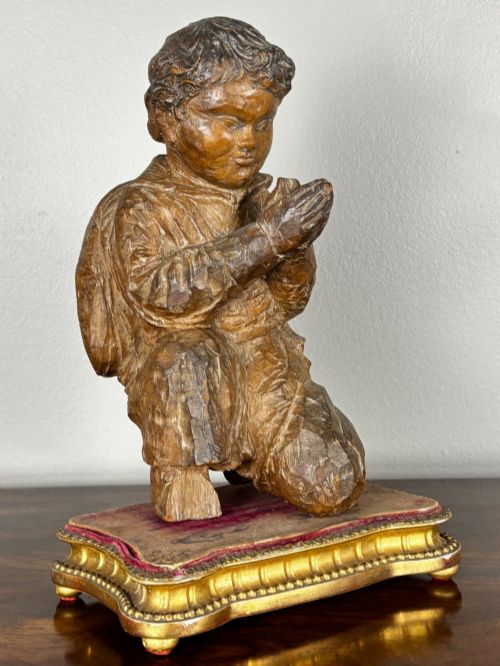
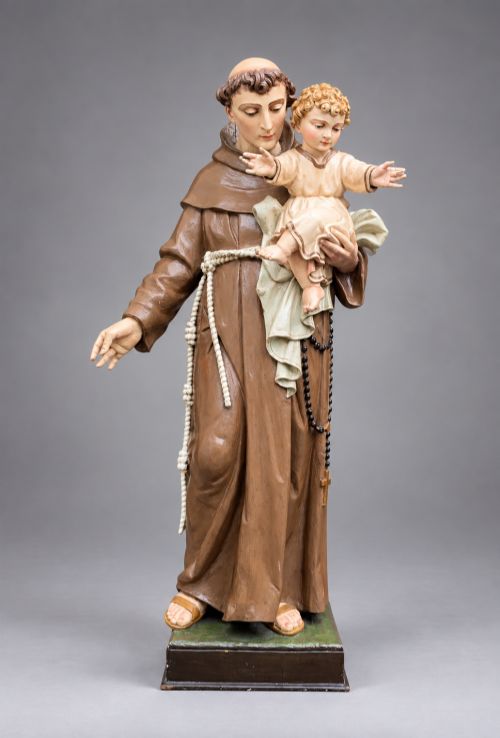
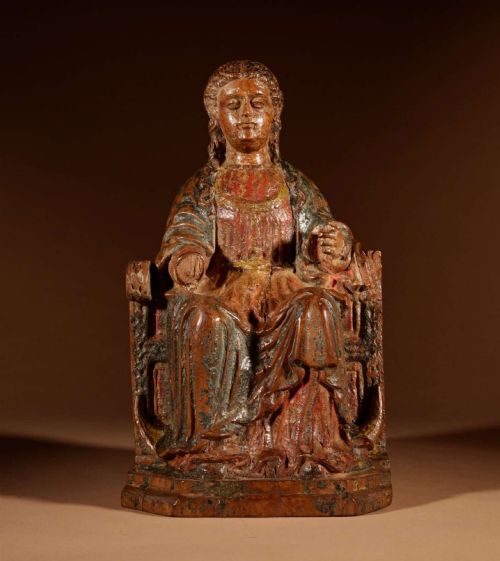
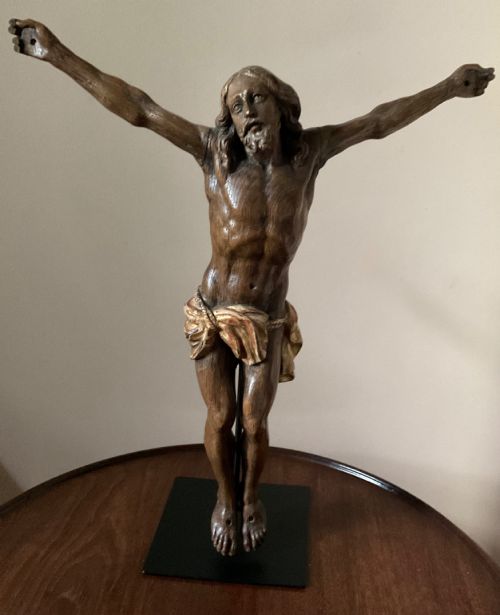
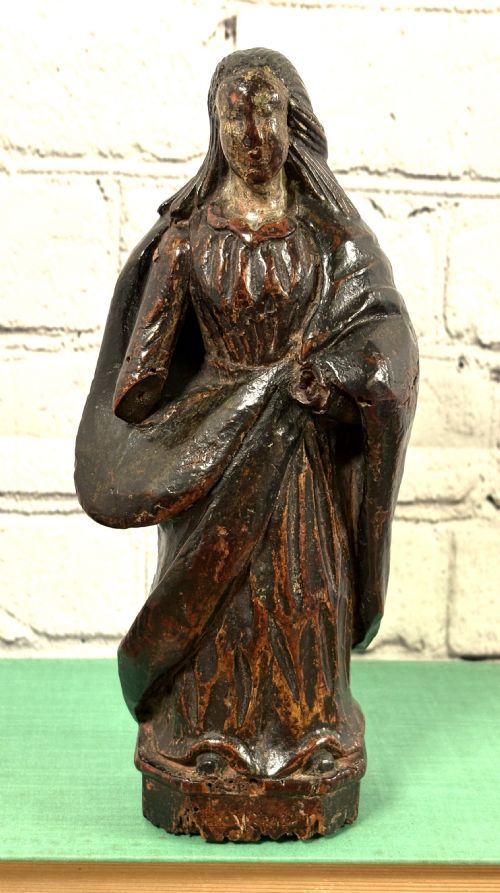
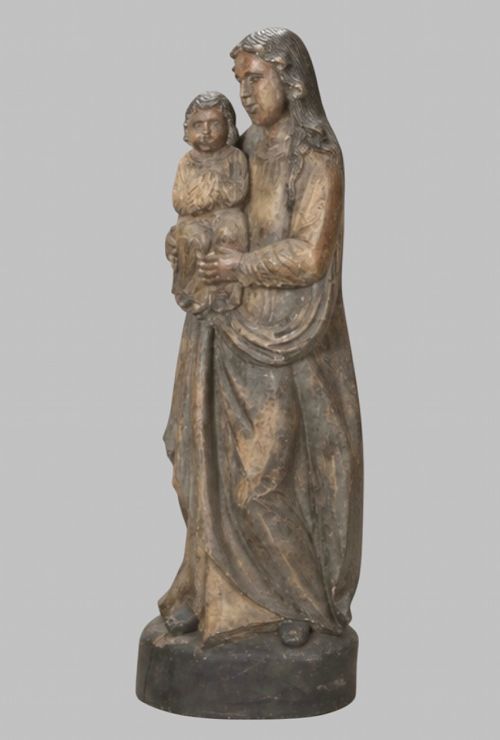
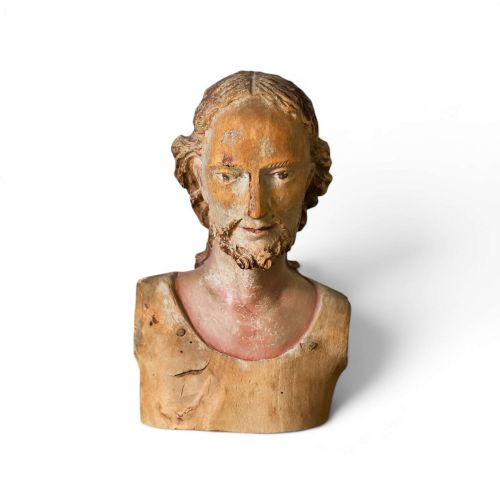
The pieces appearing most frequently on this page are carved wood figures, including depictions of the Madonna and Child, saints, and Corpus Christi figures. These encompass regional European traditions, from German lime wood to Italian olive wood and English or continental oak.
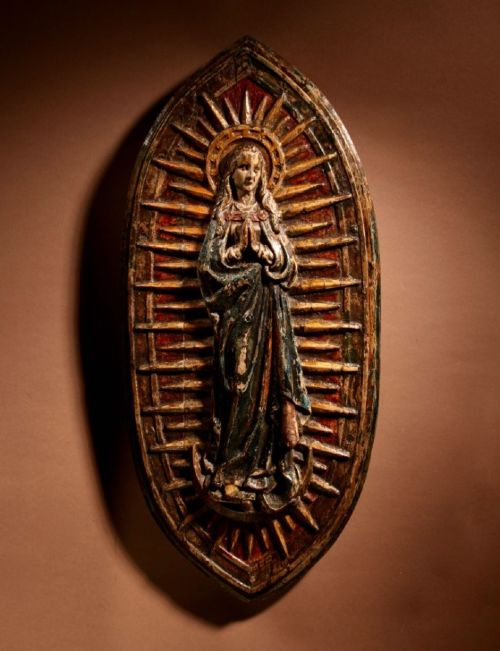
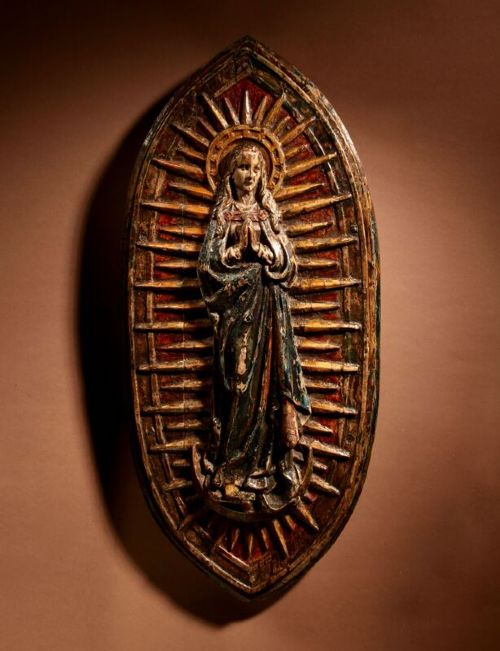
Beyond European wood carvings, the category accommodates diverse cultural expressions such as bronze Hindu deities and painted Tibetan ritual objects. Buyers find everything from intimate wall plaques to substantial life-size figures and architectural fragments.
How They Were Made
Many wooden surfaces received layers of gesso followed by polychrome paint and gold leaf to heighten realism and devotional impact. Bronze works utilised traditional casting methods, often finished with patination to enrich the metallic texture.
Antique Sacred Sculpture Retail Price Guide 2026
Typical asking prices for sacred sculpture among the pieces listed under this phrase on Sellingantiques today, from the lower quarter to the upper quarter. They describe what is for sale here now, not the wider market.
Among the solemn saints and deities, a grinning skull and a steadfast bull make unexpected appearances.
What Varies in Quality
Quality rests in the anatomical proportion, the sensitivity of the facial carving, and the depth of the drapery folds. Master carvers achieved lifelike movement and emotional weight, whereas simpler workshops produced rigid, formulaic forms.
The preservation of original surface treatments, such as early polychrome paint and parcel gilt, significantly affects the character of a piece. Retaining these historic finishes preserves the visual intent of the original maker.
Franz Keller·George Minne·Gian Federigo Bonzagna
The Antique Sacred Sculpture Glossary
- Polychrome
- Painted in several colours. This finish was commonly applied to wood sculptures to provide lifelike detail.
- Gesso
- A plaster-like mixture applied as a base for paint and gold leaf. It created a smooth surface on carved wood.
- Corpus Christi
- An image of the crucified Christ. These figures form the central focus of historic crosses and altarpieces.
- Parcel Gilt
- Partially gilded with gold leaf. This technique highlighted specific elements of a carved figure.
- Limewood
- A timber favored by historic carvers for its fine grain. It allowed artisans to execute complex undercut details without splitting.
Antique Sacred Sculpture: Frequently Asked Questions
How do I clean an old wooden statue?
Dust gently with a soft, dry brush to prevent accumulation. Avoid water or chemical cleaners that might damage aged wood or historic paint.
Keep the piece away from direct sunlight and rapid humidity shifts to protect the structural integrity of the timber.
Where were these sculptures originally displayed?
Most pieces originated in churches, private domestic altars, or monastic settings. They served as focal points for personal prayer and communal worship.
Over time, many transitioned into secular collections as art objects while retaining their spiritual iconography.
How can I tell the age of a carved figure?
Examine the tool marks left behind by the carver, as hand-chiseled surfaces differ markedly from later machine production. Wood shrinkage, patination, and wear patterns also provide clues to the century of creation.
Matching stylistic traits, such as Gothic drapery folds or Baroque postures, helps narrow the historical period.
Can these sculptures be mounted on a wall?
Certain forms, such as wall sculptures, altarpiece panels, and plaques, were designed specifically for architectural mounting. Freestanding statues require stable placement on a flat surface or a secure bespoke bracket.
Consult a professional restorer if you plan to add hanging hardware to a historic wooden piece.