
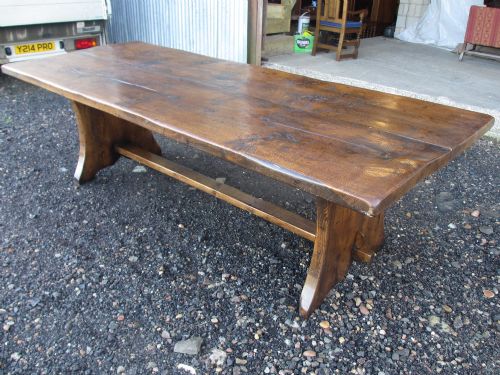
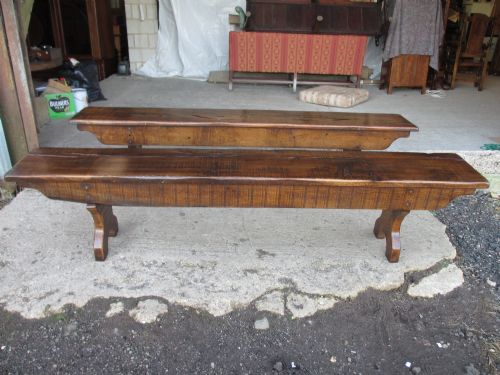
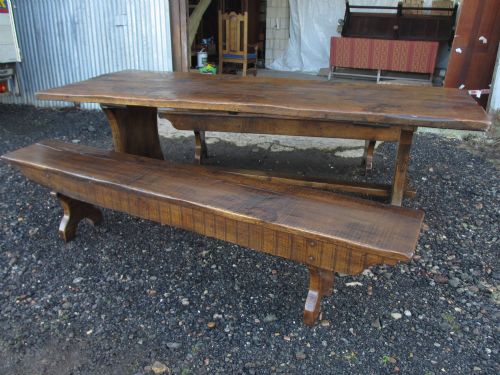
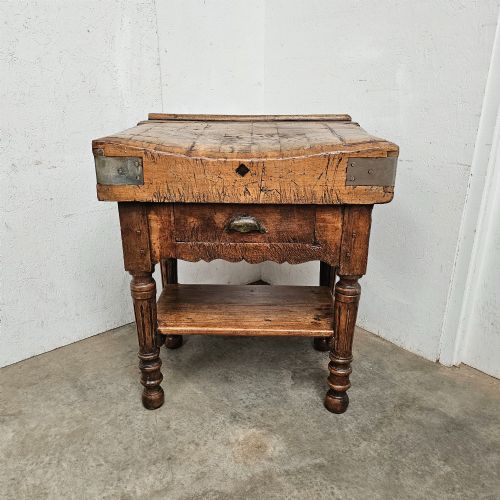
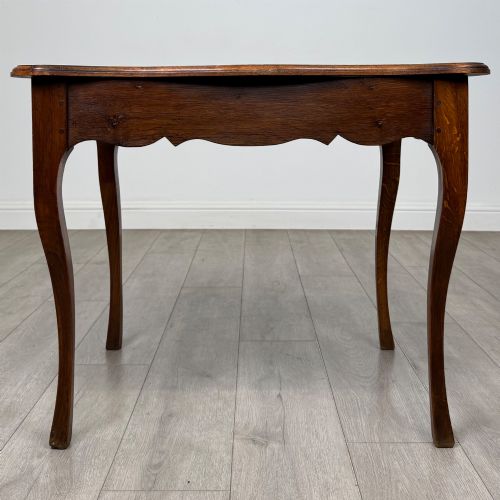
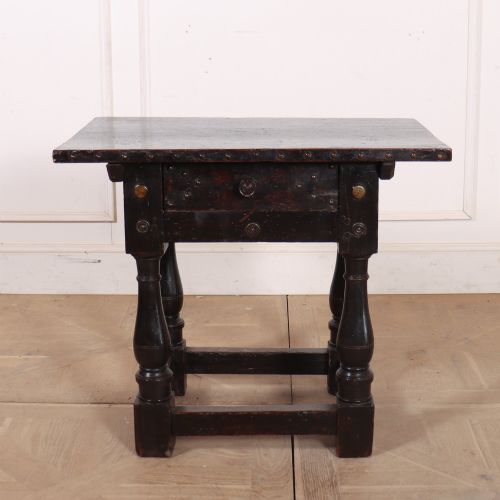
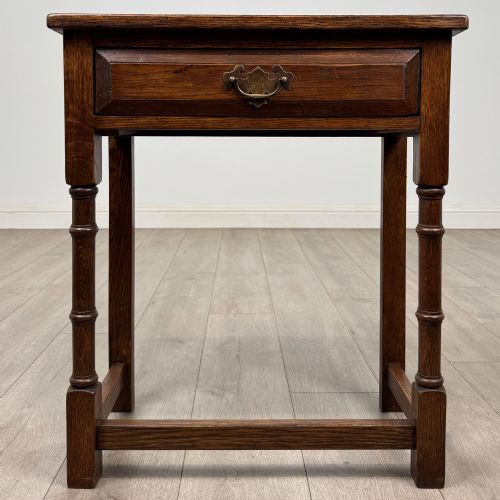
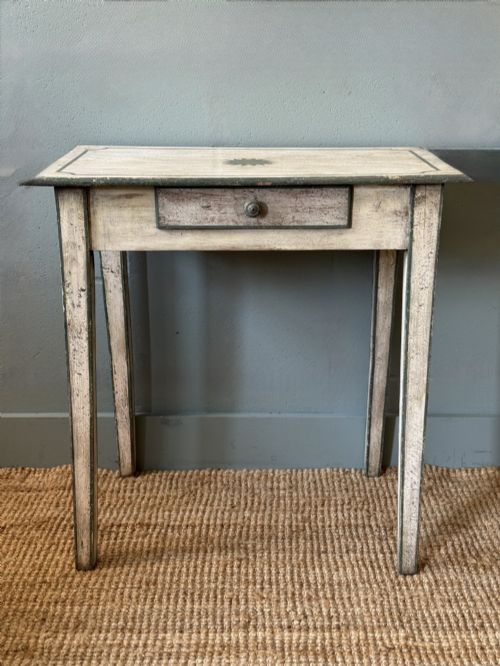
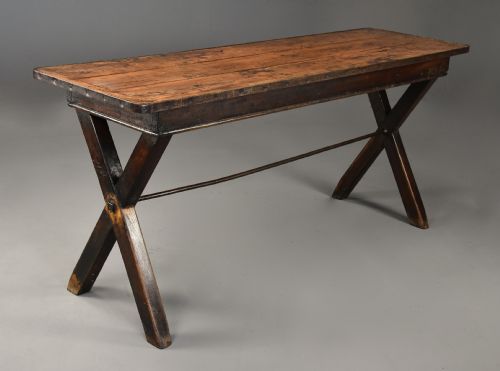
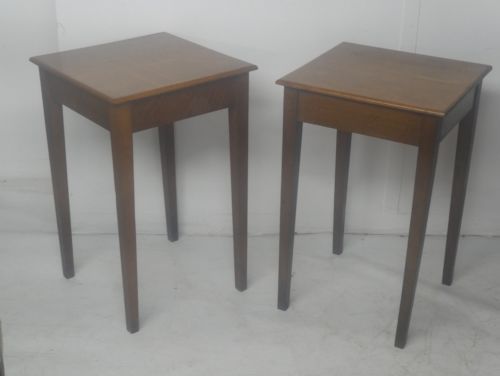
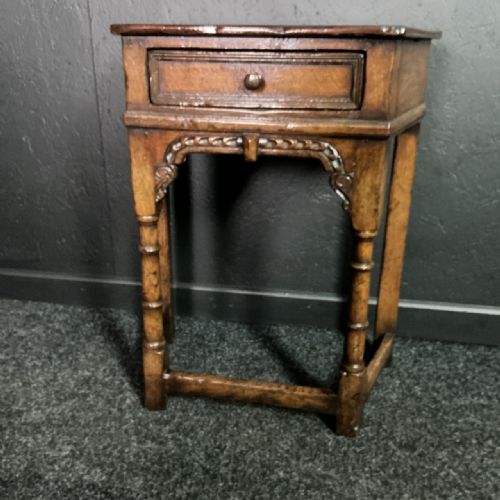
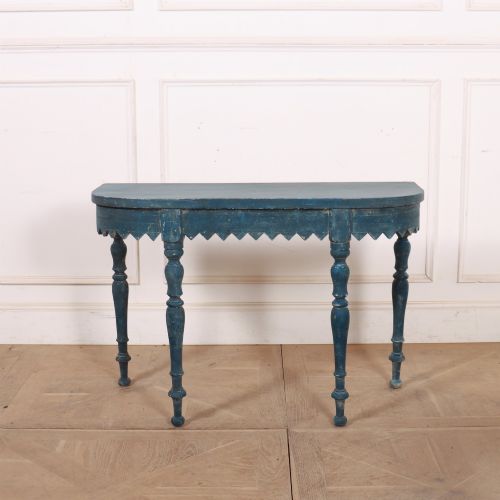
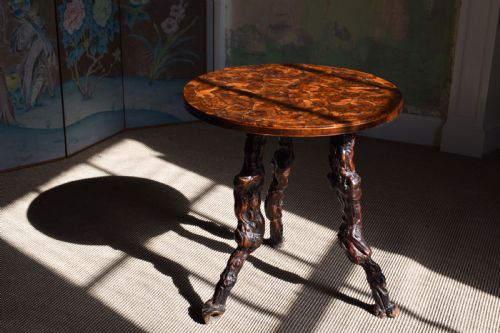
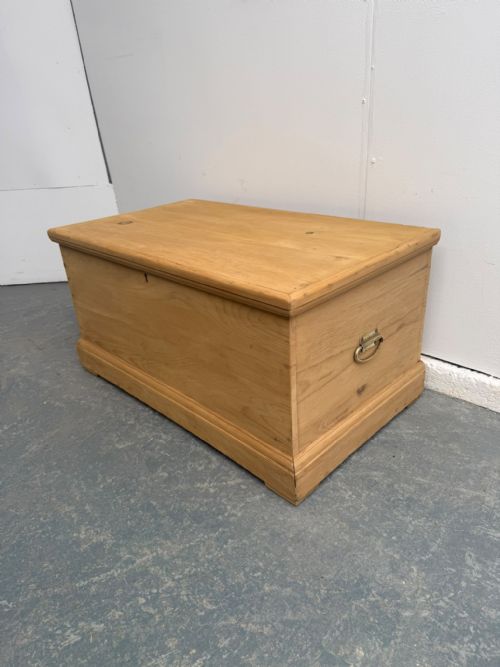

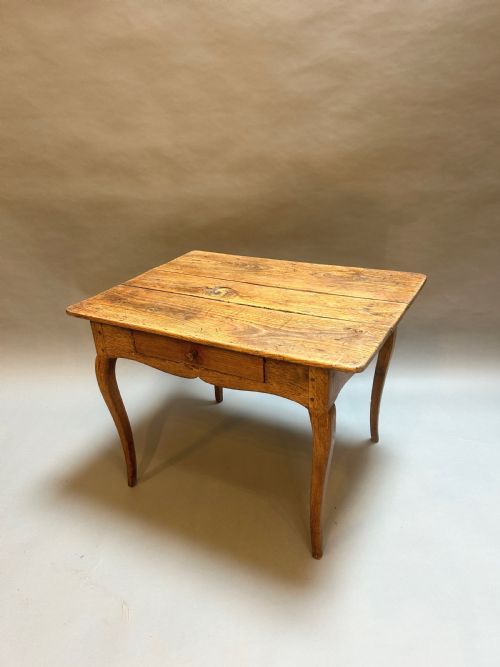
Antique Rustic End Table
These antique rustic end table pieces bring honest country character into a room, fashioned from solid timbers like oak and pine.
Antique Rustic End Table
When searching for an antique rustic end table, buyers encounter smaller utility forms such as side tables, lamp tables, and occasional tables designed for practical service. These pieces emerge predominantly from the eighteenth and nineteenth centuries, carrying the straightforward construction methods of earlier domestic life.
The selection frequently includes examples bearing regional European and English country styles, ranging from French provincial side tables to English oak lamp tables. Such tables were built for everyday use in kitchens, taverns, and parlours, relying on sturdy frames rather than elaborate ornamentation.
Materials span native hardwoods like oak, pine, elm, and fruitwood, often showing the marks of long utility on their surfaces. The forms remain humble, prioritising functional proportions over formal display.
Materials and construction methods
Carpenters built these tables using solid native timbers, selecting oak, pine, and elm for their local availability and strength. Boards were joined simply, often with pegged mortise and tenon joints that allowed the wood to move naturally with changes in humidity.
Surfaces received straightforward treatments, relying on wax finishes, traditional paint layers, or simply the friction of daily use to develop a natural patina over decades. Metal fastenings like iron and brass appear sparingly, mostly as hinges or drawer pulls on pieces fitted with storage.
Listings demonstrate a strong presence of eighteenth and nineteenth-century pieces, constructed primarily from oak, pine, and walnut.
Assessing quality in rustic tables
Quality in these domestic pieces rests on the integrity of the timber and the honesty of the construction. Tables retaining their original tops, unthinned by centuries of vigorous scrubbing, hold greater interest than those heavily restored.
The balance between timber shrinkage, structural stability, and surface wear defines the character of a better piece. Surviving layers of early paint or a deep, undisturbed wax finish elevate an ordinary utility table into a compelling object of study.
The Antique Rustic End Table Glossary
- Patina
- The deep surface sheen and mellow colour developed by wood and paint over many decades of handling and cleaning. It serves as a visual record of the piece's age.
- Cricket table
- A small, lightweight occasional table typically featuring three splayed legs and a round top. This design provided stable placement on uneven farmhouse floors.
- Trestle ends
- Supporting uprights connected by a central beam rather than four individual legs. This construction method allows maximum legroom along the length of the table.
Antique Rustic End Table: Frequently Asked Questions
What defines a rustic end table?
These pieces are historic utility tables built from solid timbers like oak, pine, and elm for everyday domestic or regional use. They eschew formal stylistic carving in favour of honest construction and practical proportions.
Buyers find them in various regional styles, including English country, French provincial, and Georgian forms, reflecting the practical needs of past households.
How are these tables dated?
Datation relies on examining tool marks, timber species, joinery techniques, and the natural wear accumulated across the surfaces. Eighteenth-century pieces often display hand-sawn board widths and pegged joints unique to early workshops.
Later nineteenth-century examples introduce machine-sawn elements and different hardware, while maintaining the same utilitarian purpose as their predecessors.
Where were these tables used?
Original locations included farmhouses, taverns, and country kitchens where durable surfaces were required for food preparation or daily tasks. Smaller occasional and lamp tables also found places in sitting rooms and parlours.
Their sturdy build allowed them to withstand heavy daily service in active domestic environments.
How should I care for a waxed wood table?
Maintenance requires occasional applications of traditional beeswax to nourish the dry timber and protect the historic surface. Avoid placing wooden tables near direct heat sources or moisture.
Gents dusting with a soft, dry cloth preserves the underlying patina without stripping away the subtle layers of age.