
Antique Rural Wall Art
Antique rural wall art brings country lanes, harvest fields and farmyards into a room through oil and watercolour.
Antique Rural Wall Art
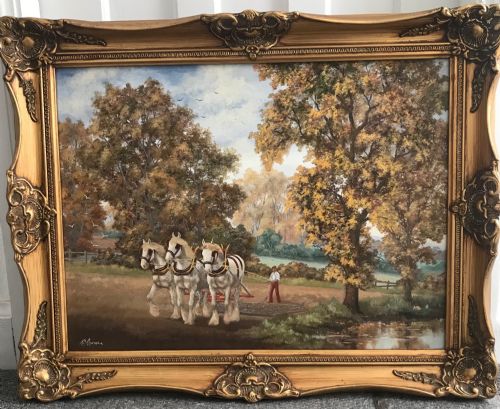
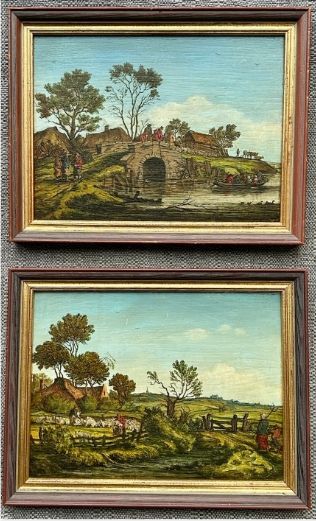
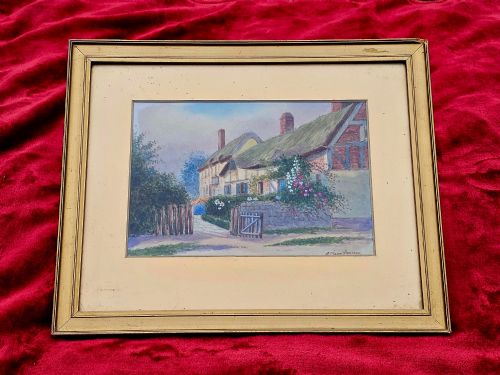
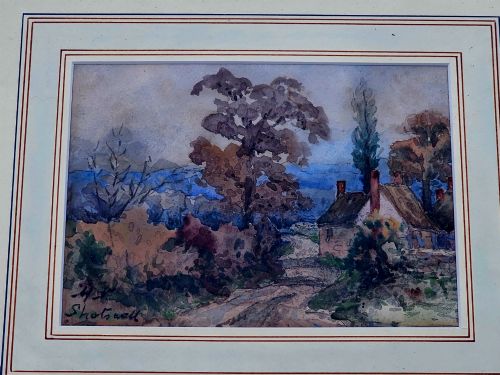
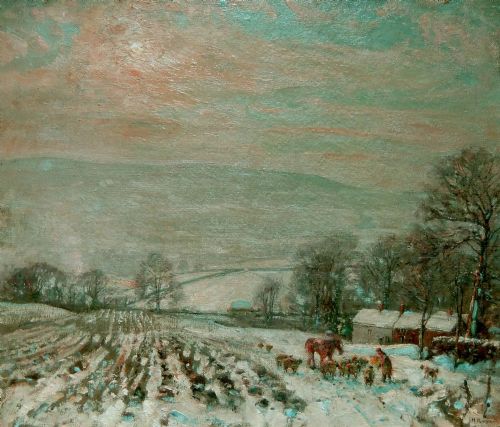
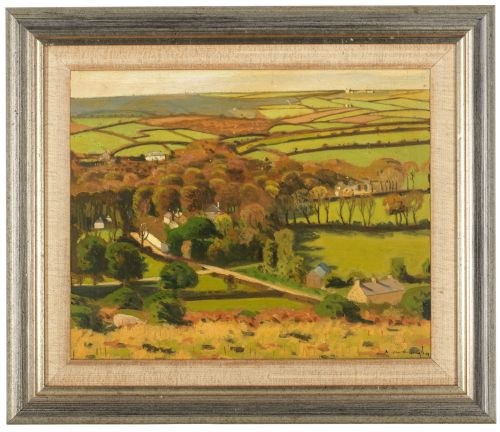
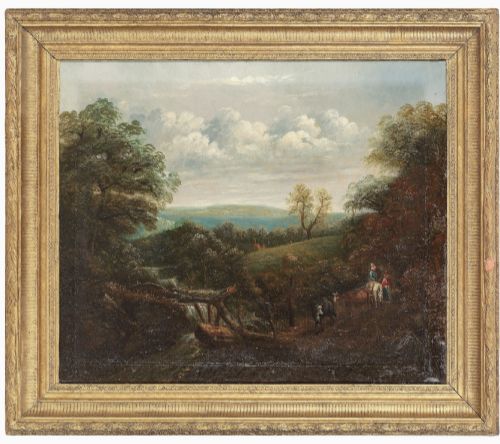
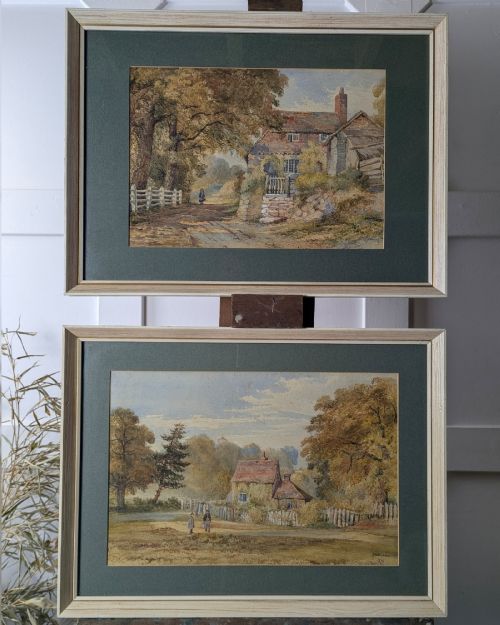
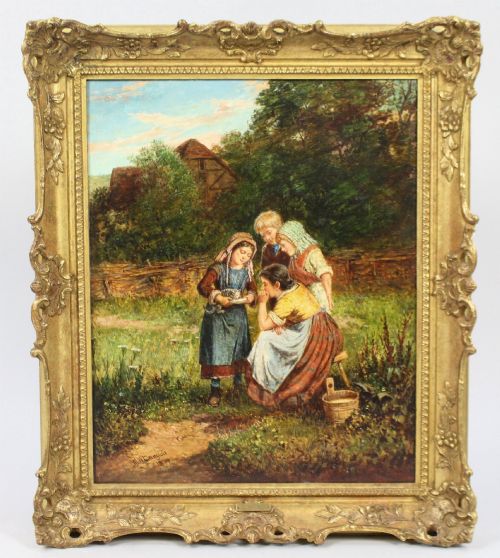
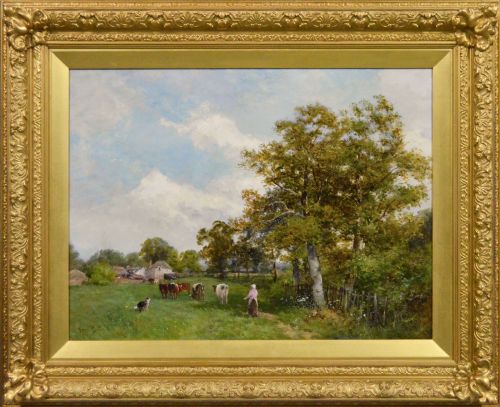
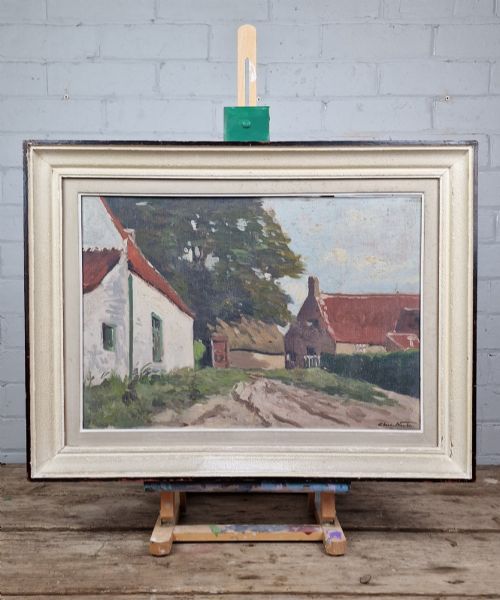
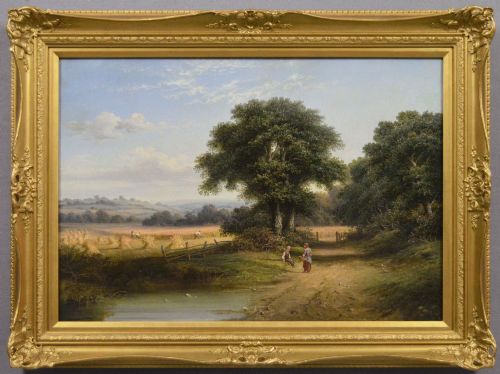
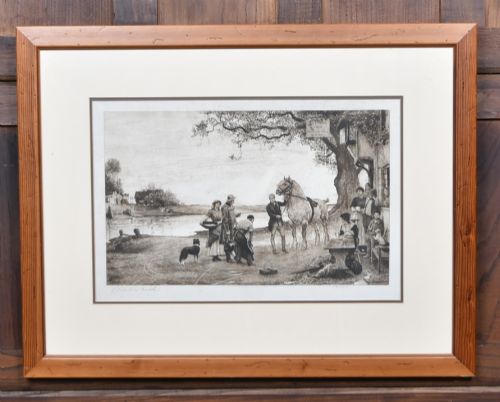
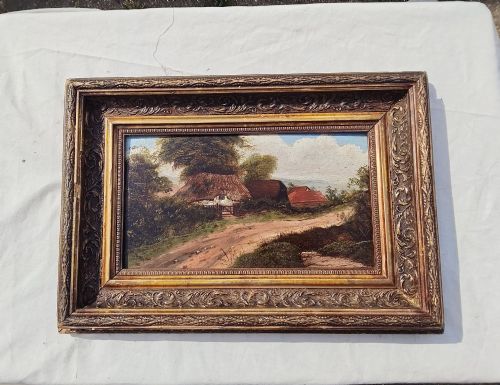
Antique rural wall art encompasses framed paintings, watercolours, etchings and lithographs depicting country landscapes, farming life and village scenes. When exploring antique rural wall art, buyers encounter works spanning from the Victorian and Edwardian eras into the early twentieth century. These pieces capture quiet farmyards, harvest fields, livestock and thatched cottages through traditional British and European artistic lenses.
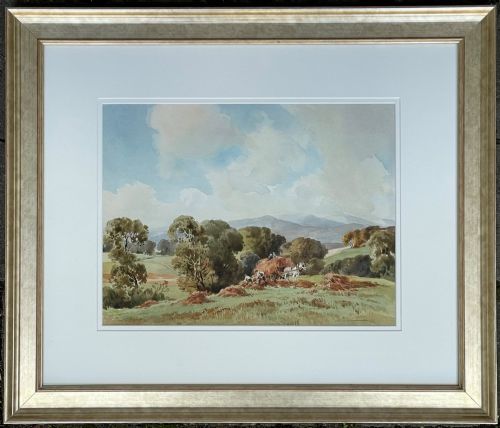
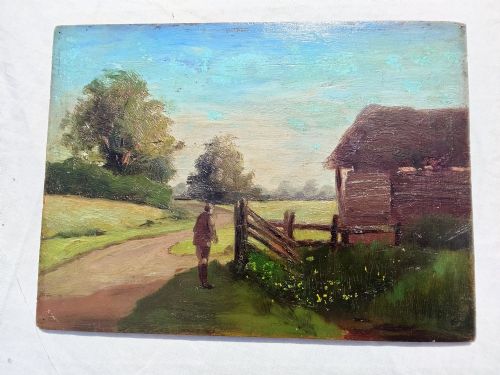
The selections on this page lean heavily towards nineteenth-century and early twentieth-century oil paintings on wood panels, canvas and board, alongside delicate watercolours on paper. Works range from intimate pastoral watercolours to larger oil canvases representing Norwich School and British Impressionist traditions. The prevailing subjects focus on daily rural routines, including herding cows, working horses and figures near harvest fields.
Materials and methods
Artists creating antique rural wall art relied primarily on oil paint applied to canvas, wood panels or card, as well as watercolour on paper. Oil paint allowed for rich textures and layered brushwork, particularly suited to depicting the changing light over fields and skies. Watercolours offered a lighter medium for capturing swift impressions of village life and pastoral streams.
Support materials varied according to the scale and intention of the work, with sturdy wood panels and stretched canvas providing lasting foundations for oil paintings. Etchings and lithographs offered alternative methods for reproducing pastoral scenes on paper. Gesso and carved wooden frames completed the presentation, protecting the artwork while providing structural support.
Materials span oil on canvas, watercolour on paper, wood panels and card.
Distinctions in quality
Quality in antique rural wall art rests upon the artist's ability to handle light, atmospheric depth and natural proportions within the landscape. Superior works demonstrate confident brushwork and precise rendering of animal anatomy, human figures and foliage, whereas lesser examples may rely on rigid outlines and formulaic compositions.
The integrity of the original medium also influences value, with well-preserved pigment stability and minimal restoration separating prime pieces from heavily retouched canvases. Furthermore, the character of the period framing contributes to the overall presentation, matching the specific aesthetic of the painting's origin.
Percy Lancaster·Herbert Royle·Robert A Nottingham·Mark William Langlois·David Bates·Charles Houben·Walter Heath Williams·George Augustus Holmes·Ernest Higgins Rigg·Frederick James Kerr·George Morland·Johannes de Haas·Sydney Yates Johnson·Charles Clair·Edgar Woollatt·Raimond Louis Lecourt·Henry Charles Fox·William Henry Mander·Thomas Sidney Cooper·Reginald Grange Brundrit·Fred Lawson
The Antique Rural Wall Art Glossary
- Oil on Canvas
- Pigment mixed with drying oil applied to a woven fabric stretched across a wooden frame. This method was widely utilised for durable and richly textured landscape paintings.
- Watercolour
- A paint consisting of colour pigments suspended in a water-soluble vehicle, typically applied to paper. It allows for translucent washes that capture soft atmospheric conditions in pastoral scenes.
- Norwich School
- A regional movement of artists inspired by the Norfolk landscape during the nineteenth century. Painters in this group focused on local scenery, rural paths and everyday country life.
- Wood Panel
- A solid flat piece of timber utilised as a rigid support for oil paintings before stretched canvas became dominant. These panels offer smooth surfaces for detailed brushwork.
- Etchings
- Printmaking methods where lines are incised into a metal plate with acid before being inked and pressed onto paper. This technique produced detailed monochrome rural illustrations.
Antique Rural Wall Art: Frequently Asked Questions
What subjects appear in antique rural wall art?
These works typically feature pastoral landscapes, harvest fields, farmyard animals and village cottages.
Artists focused on recording traditional country life, agricultural labour and quiet rural routines.
How do I care for antique oil paintings?
Keep paintings away from direct sunlight and damp environments to protect the canvas and wood.
Dust surfaces gently with a soft dry brush without using liquid cleaners.
How can I identify a watercolour from an oil painting?
Watercolours are painted on paper and usually displayed behind protective glass.
Oil paintings utilise textured canvas or wood panels with visible paint depth.
What framing is typical for these pieces?
Many works feature period gilt wooden frames designed to complement the artwork.
Original frames often show age-related patination that aligns with the era of the painting.