



Antique Rural Landscape Art
Antique rural landscape art brings the quiet country lanes, harvest fields and cottage doors of past centuries directly onto your interior walls.
Antique Rural Landscape Art
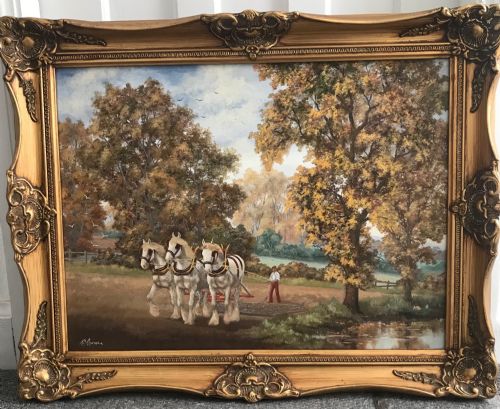
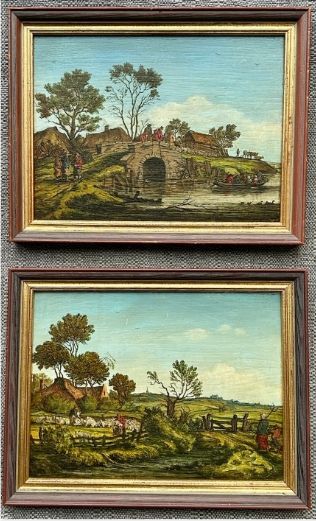
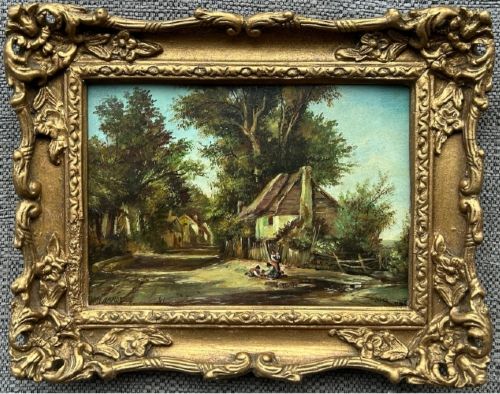
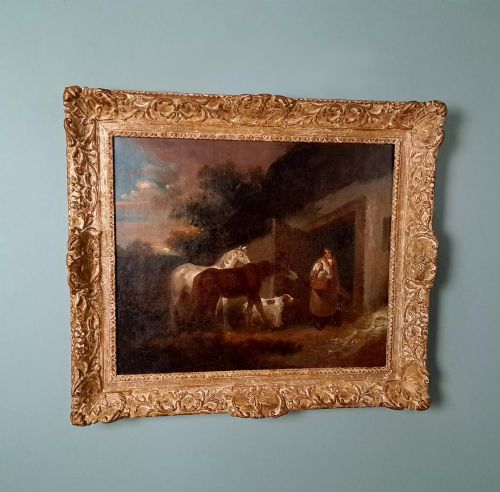
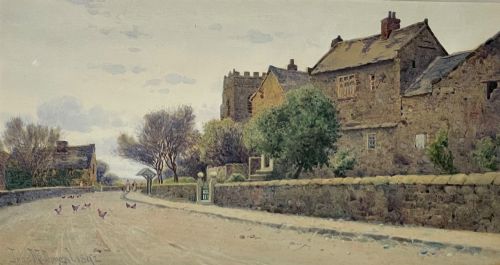
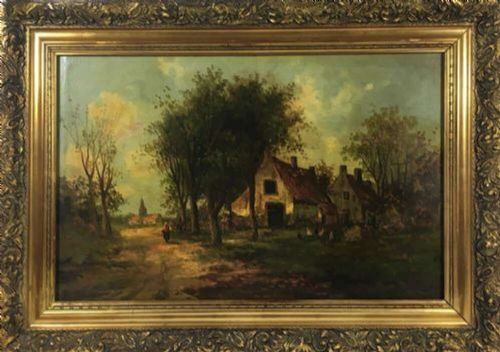
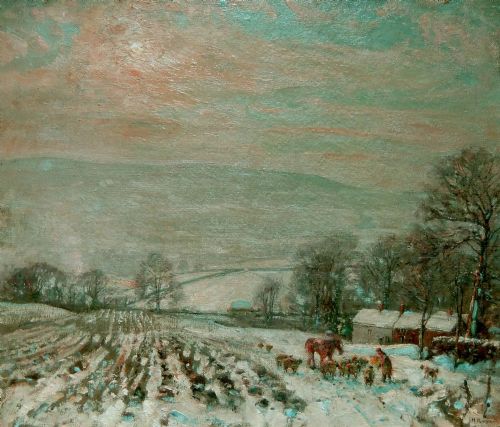
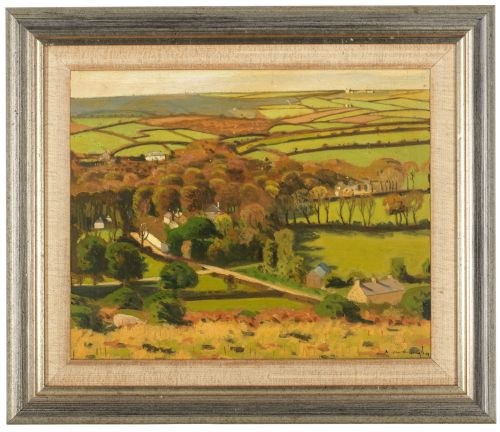
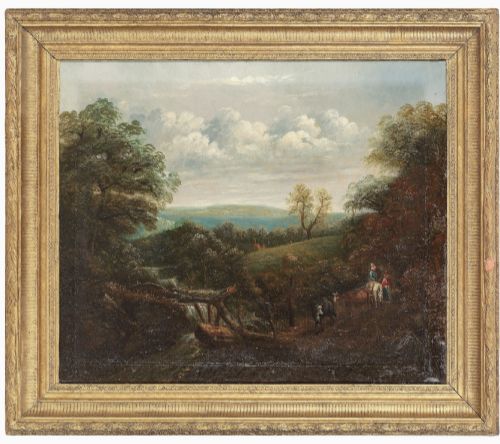
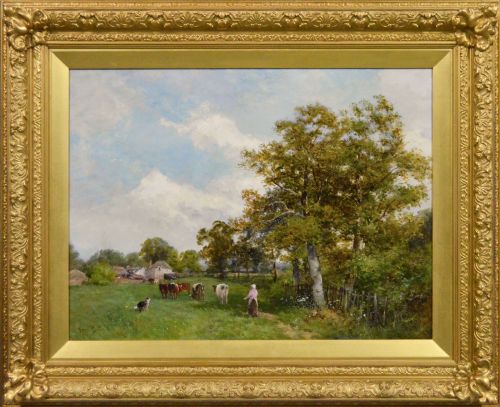
Antique rural landscape art encompasses framed works depicting pastoral scenes, country villages, agricultural life and remote waterways. These pieces capture fields, cottages, livestock and farm labour through the eyes of artists working across the nineteenth and early twentieth centuries.
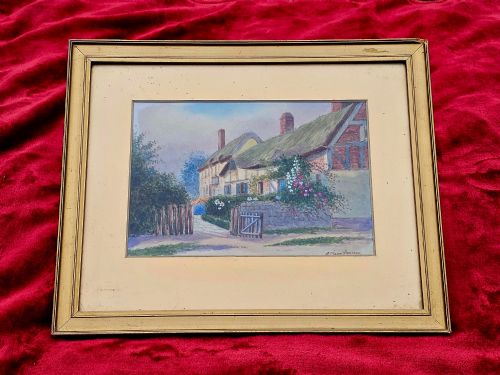
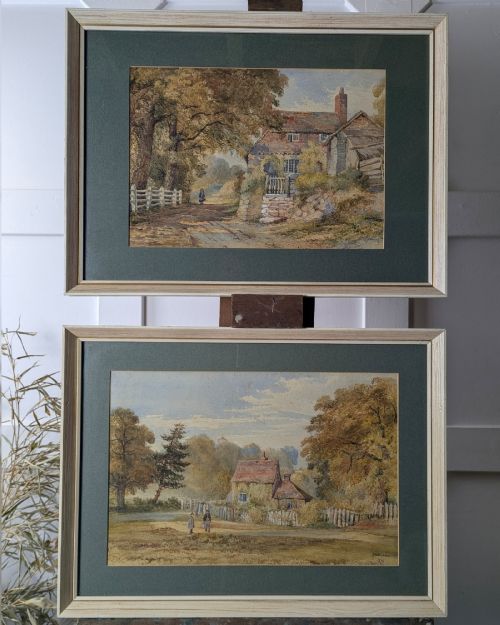
The versions most commonly met on this page are original oil paintings on canvas or panel and delicate watercolours on paper. Many examples bear signatures from British and European schools, spanning Victorian realism through to early impressionism.
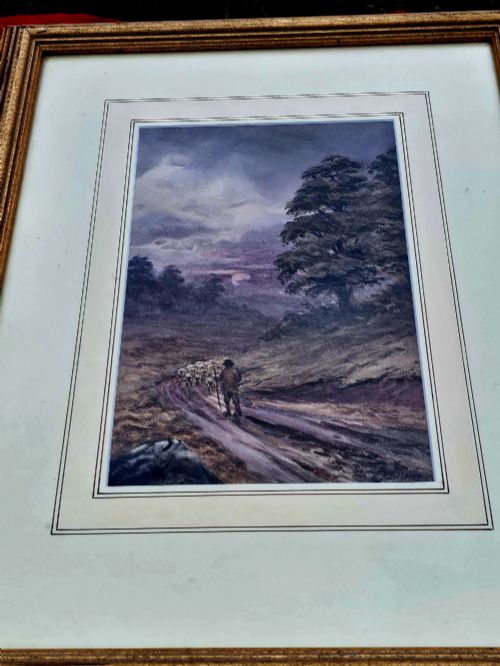
The subjects focus heavily on traditional rural occupations such as herding sheep, harvesting crops, logging and fishing. Such works offer a direct window into agricultural routines that dominated rural life before mechanisation transformed the countryside.
How they were made
Artists utilised oil paint layered upon stretched canvas, wooden panels, board or card to build rich, enduring surfaces. Watercolour pigment was applied to heavy paper sheets, often capturing lighter atmospheric effects and quick studies of changing weather.
Works typically sit within period frames constructed from wood, frequently finished with gilt highlights or simple moulded profiles. These surrounds protect the paper and canvas while providing a finished boundary for display.
Antique Rural Landscape Art Retail Price Guide 2026
Typical asking prices for rural landscape art among the pieces listed under this phrase on Sellingantiques today, from the lower quarter to the upper quarter. They describe what is for sale here now, not the wider market.
Listings feature works spanning the nineteenth century into the 1930s, executed in oil and watercolour.
What varies in quality
The strength of composition and the handling of light separate superior works from more routine topographical records. Skilled painters orchestrate tone and colour to create genuine depth, leading the eye naturally along a country path or across a harvest field.
The handling of figures and animals within the scenery dictates artistic merit. Master hands render cattle, horses and agricultural workers with anatomical conviction and natural integration into the surrounding landscape, whereas lesser works treat figures as rigid afterthoughts.
George Graham·Percy Lancaster·William Howard Hardy·David Bates·George Oyston·Frederick Hines
The Antique Rural Landscape Art Glossary
- Oil on Canvas
- Pigment mixed with drying oil applied to a woven fabric support. This combination allows for rich colour blending and textured brushwork that survives centuries when properly maintained.
- Watercolour
- A paint consisting of water-soluble pigments dissolved in gum arabic. It is traditionally applied to paper to create translucent washes of light and colour.
- Wood Panel
- A rigid wooden support used instead of canvas for painting. Panels offer a stable, smooth surface favoured by artists seeking fine detail.
- Barbizon School
- A French art movement focused on real-life landscape painting. Artists associated with this group worked directly from nature, emphasising mood and atmospheric rural realism.
- Impressionism
- An art style characterised by relatively small, thin yet visible brush strokes and an emphasis on accurate depiction of light. It prioritises the open-air capture of everyday country scenes.
Antique Rural Landscape Art: Frequently Asked Questions
What subjects appear in these paintings?
The works depict agricultural activities, harvest fields, country paths, thatched cottages and river valleys. Scenes frequently feature animals, farm workers and pastoral daily life.
Such imagery reflects nineteenth and early twentieth-century rural routines across Britain and continental Europe.
How do I care for antique watercolours?
Watercolours require careful placement away from direct sunlight to prevent fading of the delicate pigments. Framing behind conservation glass provides essential protection against ultraviolet light and moisture damage.
Stable room temperatures help preserve the paper support and prevent yellowing over time.
How do I distinguish between oils and watercolours?
Oil paintings present a textured, sometimes glossy surface where thick paint sits visibly on canvas or wood panels. Watercolours have a flat, matte appearance on paper, often showing the texture of the sheet beneath translucent washes.
Glass is necessary to protect watercolours, whereas oil paintings on canvas are usually displayed unglazed.
Where should I hang these artworks?
These pastoral scenes suit living rooms, studies and hallways where their calm, natural subjects complement traditional or eclectic interiors. Pairing them with natural wood furnishings enhances their historical rural character.
Avoiding damp walls and heat sources ensures the longevity of both paper and canvas supports.