




Antique Royal Print
An antique royal print brings centuries of British sovereignty into your interior through historic portraiture and commemorative wall art.
Antique Royal Print
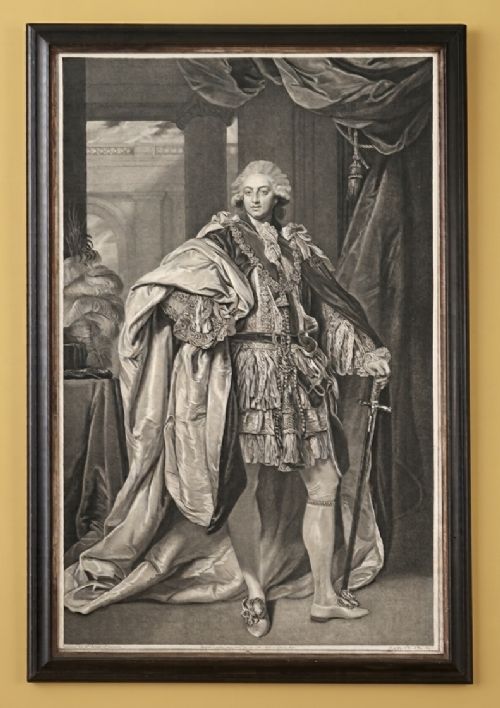
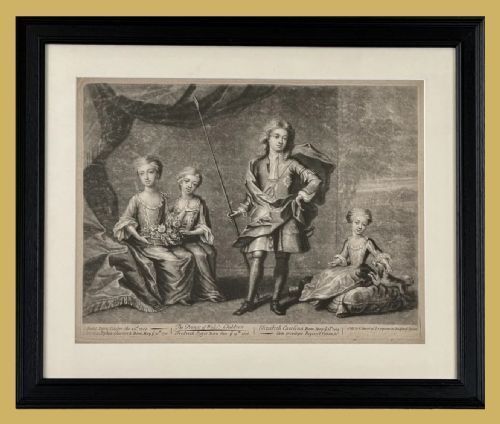
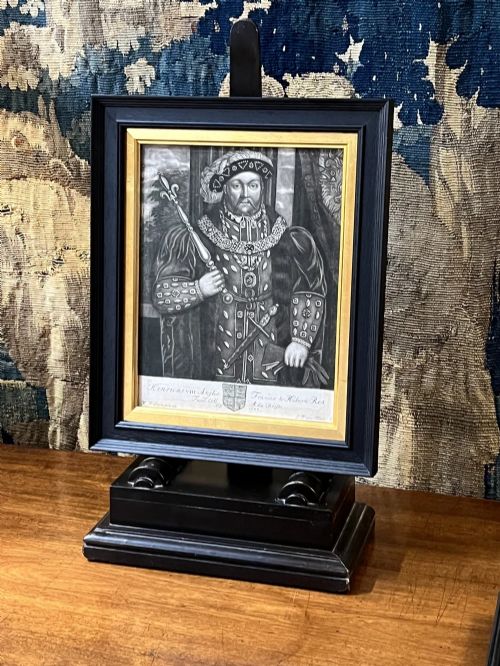
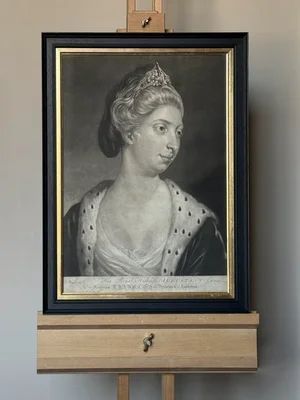
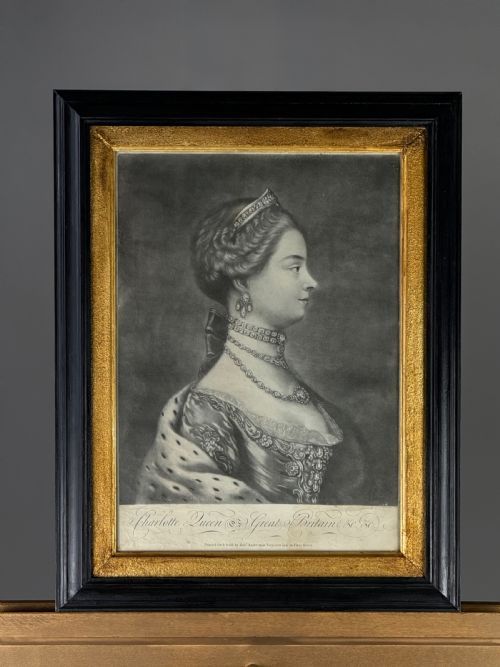
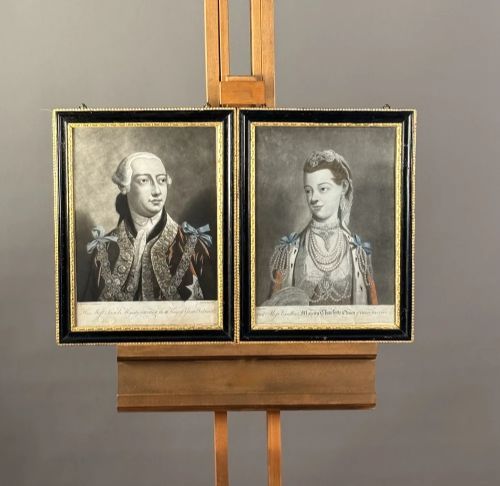
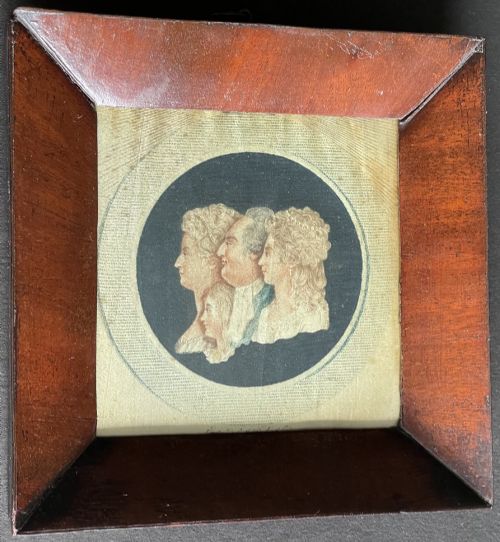
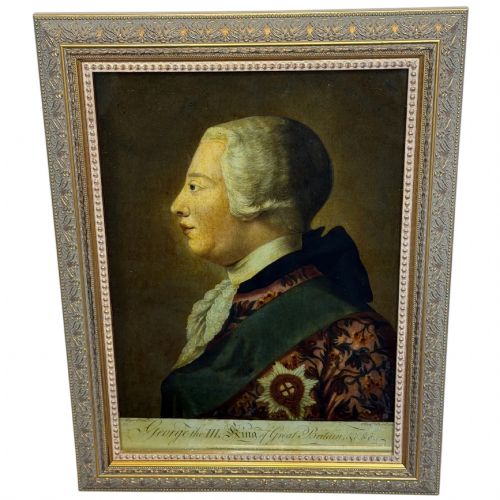
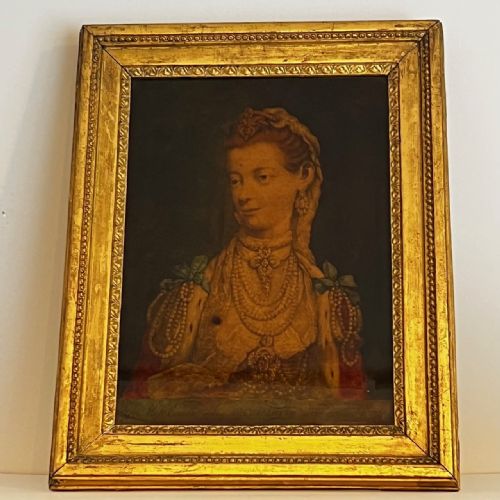
When you search for an antique royal print, you encounter framed works depicting monarchs, consorts, and heirs spanning from the seventeenth century through the Victorian era. These pieces document figures such as King George III, Queen Charlotte, and various princes through diverse visual mediums.
The selections most frequently met on this page include eighteenth-century mezzotint portraits alongside reverse glass prints and nineteenth-century lithographs. Such works capture historical likenesses recorded by notable historical engravers after court painters.
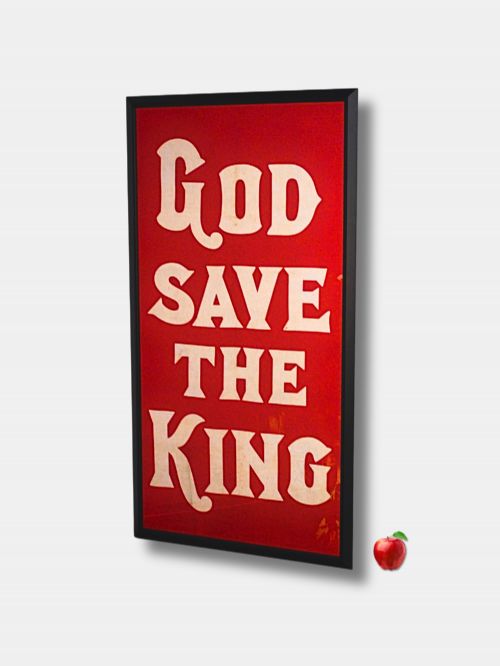
Beyond formal portraiture, the category encompasses commemorative items like flags, banners, and depictions of royal yachts or naval reviews. Each piece preserves a distinct fragment of dynastic history framed for domestic display.
How they were made
The production of these works relies heavily on traditional printmaking techniques like mezzotint engraving and lithography, executed on paper or silk using dark printing ink. Master engravers worked from oil paintings by leading portraitists to transfer fine tonal gradations onto copper plates before printing.
Alternative methods involve reverse painting and printing on glass, where artisans applied pigments and inks directly to the rear of glass panels to create luminous portraits. Many pieces utilise original wooden frames, frequently enhanced with gold leaf or giltwood mouldings.
Listings feature works spanning the 17th century to the 1930s, utilising paper, glass, wood, and gold leaf.
What varies in quality
Quality in these historic works rests upon the crispness of the impression and the fidelity of the print to the original painted source. Early impressions pulled from fresh copper plates retain subtle details in costume and facial expression that later printings lose.
The preservation of the materials also dictates standing, particularly with paper works showing minimal foxing or glass prints remaining free from pigment flaking. Original framing materials, including period giltwood and glass, elevate the integrity of the piece.
John Smith·Thomas Frye·Richard Purcell·John Faber Snr·James McArdell
The Antique Royal Print Glossary
- Mezzotint
- A printmaking process where the copper plate is roughened uniformly to hold ink, then scraped and burnished to create light areas and rich dark tones. This technique allows for smooth tonal gradations ideal for portraits.
- Reverse glass print
- An image transferred or painted onto the back of a glass sheet and viewed from the front, producing a glossy finish. These delicate pieces require careful handling to prevent the paint layer from lifting.
- Lithograph
- A planographic printing method based on the antipathy of oil and water, utilising a flat stone or metal plate. It enabled the mass production of detailed pictorial sheets during the nineteenth century.
- Giltwood
- Wood carved and coated with gold leaf or gold paint to provide a decorative metallic surface. It forms the traditional framing material for formal historical portraits.
- Engraving
- A method of cutting design lines directly into a hard plate with a sharp metal tool called a burin. The resulting incisions hold the ink for pressing onto paper.
Antique Royal Print: Frequently Asked Questions
How do I hang a heavy framed print safely?
Secure the frame using appropriate wall anchors matched to the weight of the wood and glass construction. Ensure the hanging wire and D-rings are robust and fastened securely to the reverse.
Position the piece away from direct sunlight and moisture to protect the paper, ink, and original framing elements from environmental degradation.
Are these prints original to their stated period?
The listings comprise works produced during the eras indicated, utilising period printing methods, paper, and inks appropriate to the seventeenth, eighteenth, and nineteenth centuries. Examination of the paper stock and plate marks confirms the vintage.
Frames often reflect the period of creation or subsequent historical reframing, contributing to the overall context of the piece.
What is a reverse glass print?
A reverse glass print involves applying an engraving or painting directly to the rear surface of a glass panel. When viewed from the front, the glass protects the image while imparting a distinctive sheen.
This technique was popular for decorative royal portraits during the Georgian period, offering a bright and durable alternative to paper.