





Antique Royal Crown
When you search for antique royal crown, you uncover pieces of porcelain, jewellery, and decorative metalwork bearing imperial insignia or produced by notable royal manufactories.
Antique Royal Crown
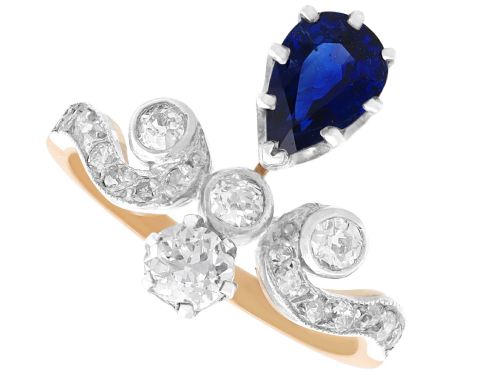
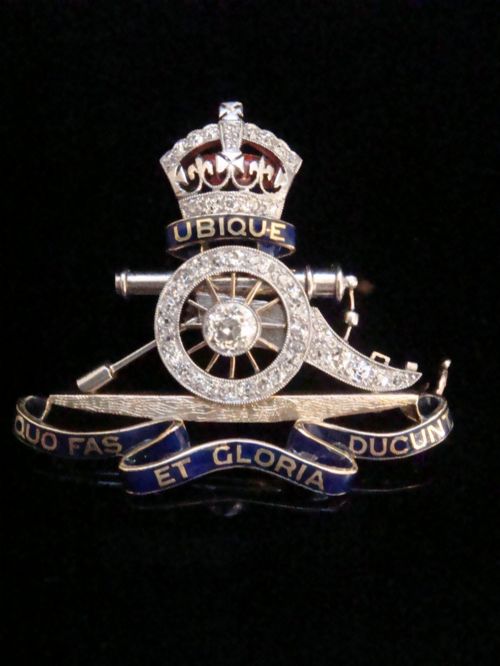
Items associated with the search phrase antique royal crown span decorative ceramics, jewellery, and silverware, bridging utilitarian items and courtly display pieces. A buyer encounters domestic porcelain services alongside brooches set with diamonds, gold, and enamel.
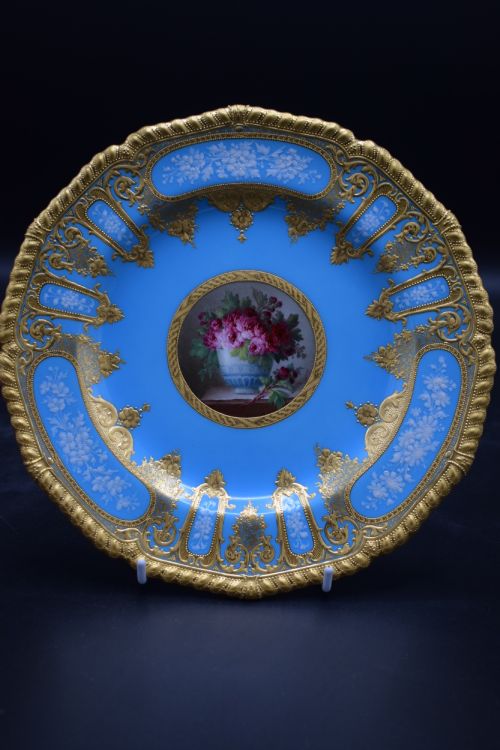
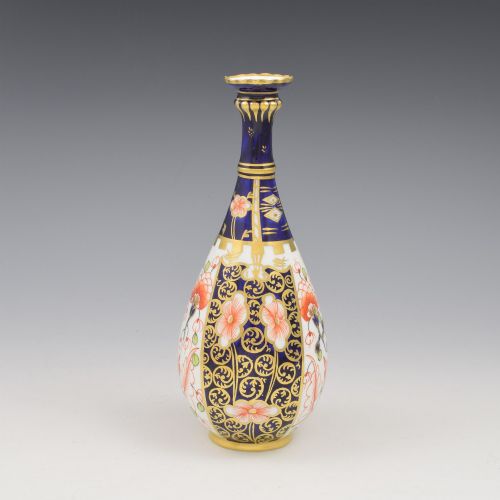
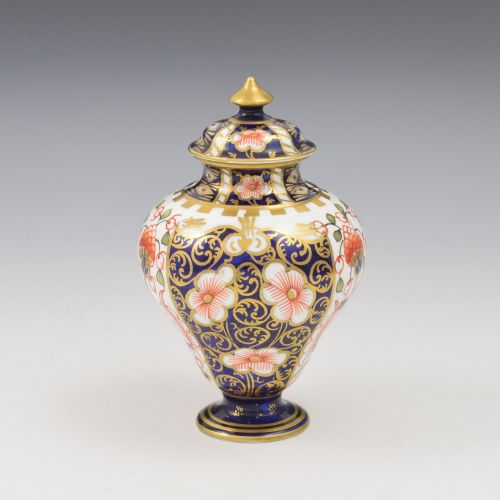
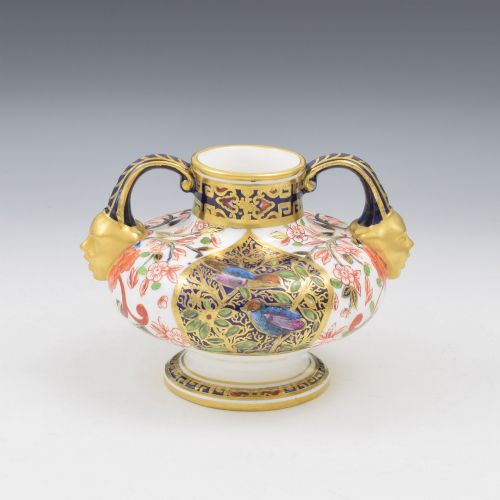
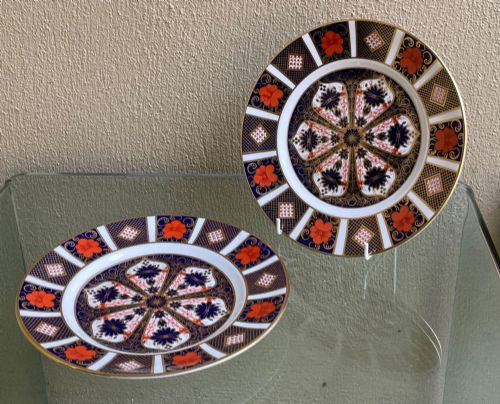
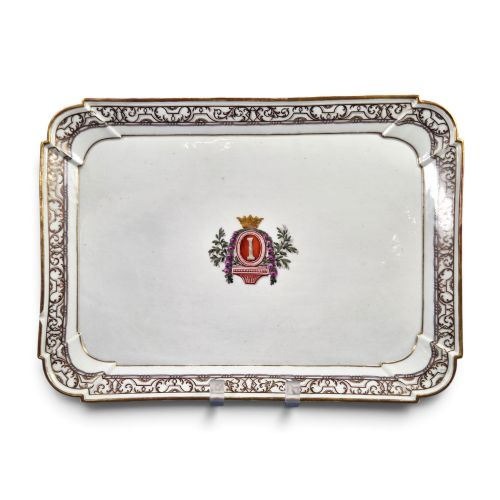
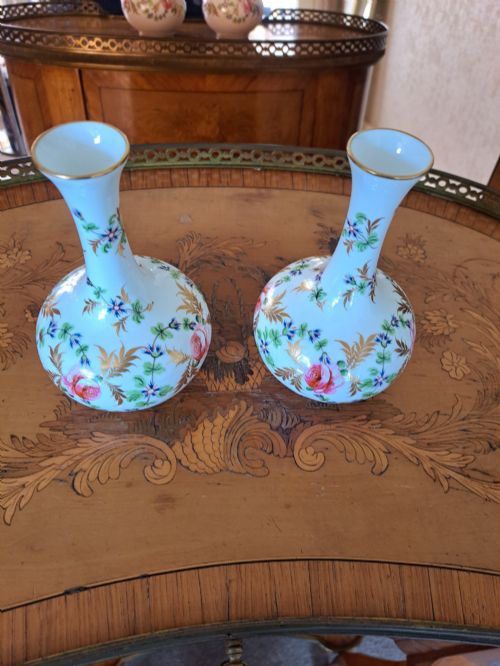
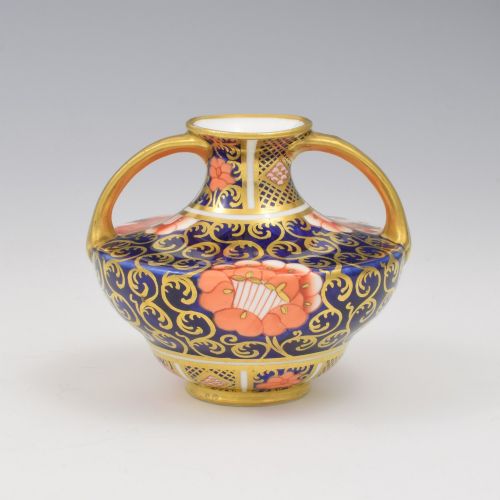
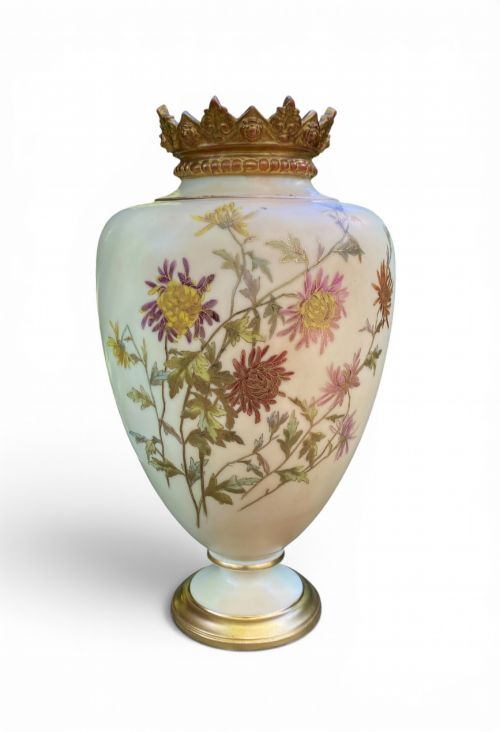
The most prevalent pieces on this page are porcelain items originating from Royal Crown Derby, featuring Imari patterns, serving dishes, vases, and cabinet plates. These ceramics range from the Georgian period through the Victorian and Edwardian eras.
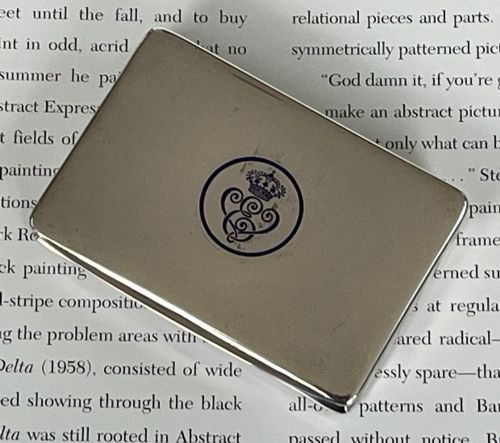
Alongside porcelain, the selection includes military brooches, silver pin dishes bearing monograms, and architectural plaques. These objects reflect both British royal associations and the decorative tastes of the nineteenth and early twentieth centuries.
Materials and Manufacture
Ceramic pieces rely on bone china and porcelain bodies, decorated with hand-painted motifs, gilding, and gold leaf. The makers utilise traditional transfer and enamel techniques, particularly visible in the Imari palette and cobalt blue glazes.
Metalwork items combine precious metals such as gold, silver, and platinum with gemstones including diamonds and pearls. Guilloché enamel and cast iron also appear, demonstrating precision in both fine jewellery and architectural castings.
Antique Royal Crown Retail Price Guide 2026
Typical asking prices for royal crown among the pieces listed under this phrase on Sellingantiques today, from the lower quarter to the upper quarter. They describe what is for sale here now, not the wider market.
Jupiter and Juno peer down from porcelain shelves, keeping watch over centuries of teacups.
Assessing Quality
Quality in these pieces rests upon the precision of the hand-painting, the richness of the gilding, and the complexity of the pattern work. Elaborate motifs such as raised gold decor or intricate pierced ceramic designs separate standard output from finer commissions.
In jewellery and metalwork, the weight of the gold or silver, the cut and setting of the diamonds, and the preservation of translucent enamel dictate the standard of the piece. Maker attribution and specific date marks also influence the standing of an object.
Royal Crown Derby·Ludwigsburg Porcelain·Royal Worcester·Johnstone and Jeanes
The Antique Royal Crown Glossary
- Imari
- A decorative style inspired by Japanese export wares, characterised by a palette of cobalt blue, iron red, and gilt. It recurs frequently across nineteenth-century porcelain.
- Guilloché
- A decorative technique where a precise, intricate pattern is mechanically engraved into a metal surface. Enamel is often layered over this engraving.
- Bone china
- A type of soft-paste porcelain containing bone ash, known for its high strength, chip resistance, and translucent white body.
- Cabinet plate
- A decorative ceramic plate intended for display in a cabinet rather than for dining use. These often feature hand-painted scenes or rich gilding.
Antique Royal Crown: Frequently Asked Questions
How do I identify Royal Crown Derby?
Royal Crown Derby pieces typically bear factory backstamps underneath the glaze, which evolved through different reigns and periods. Date codes and pattern numbers, such as pattern 6299, assist in narrowing down the year of manufacture.
Stylistically, the factory is closely linked to rich cobalt blue and iron red Imari motifs, alongside raised gold decoration and hand-painted landscapes.
What are cabinet plates used for?
Cabinet plates are ornamental ceramics designed specifically for display within a home rather than practical dining service. They often showcase intricate artistry, fine gilding, or painted scenes.
Collectors historically exhibited these pieces in glass-fronted cabinets to protect the delicate enamel and gold leaf from wear.
How should I care for antique porcelain?
Antique porcelain requires gentle handling and should be washed by hand in lukewarm water with mild soap when necessary. Dishwashers must be avoided to protect hand-painted glazes and fragile gilding.
Displaying pieces away from direct sunlight prevents the fading of enamel colours and protects older ceramic bodies from thermal shock.