





Antique Round Glass Mirror
An antique round glass mirror brings historic light and striking circular perspective into a room, offering both decorative depth and timeless charm.
Antique Round Glass Mirror
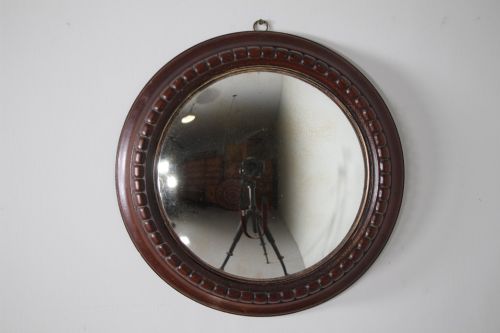
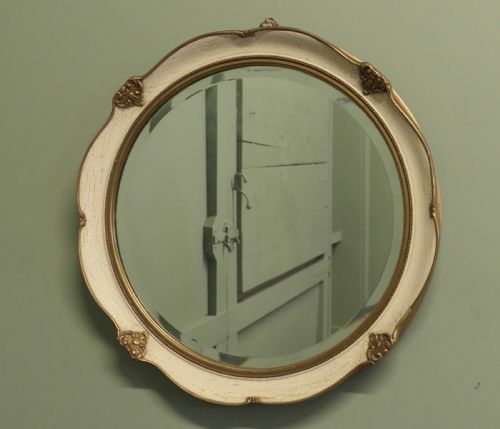
An antique round glass mirror encompasses various circular forms designed to hang upon a wall or rest in the hand, drawing the eye with distinctive geometry. These items range from compact Georgian hand mirrors to imposing Regency convex glasses intended to capture an entire room in miniature.
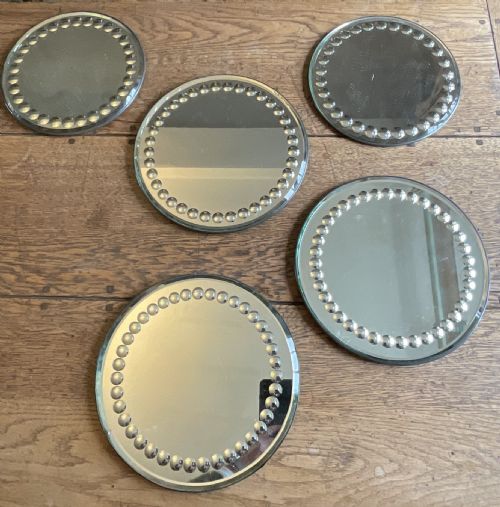
Buyers exploring this selection encounter pieces spanning the eighteenth, nineteenth, and early twentieth centuries, with Regency and Victorian examples appearing frequently alongside later Art Deco designs. Wall mirrors dominate the offerings, though smaller hand-held vanity pieces and specialised convex plates also emerge.
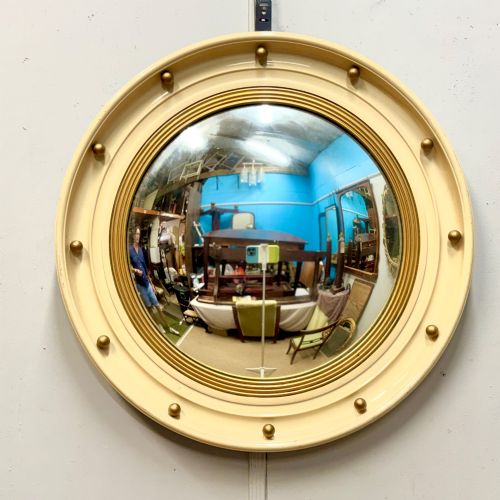
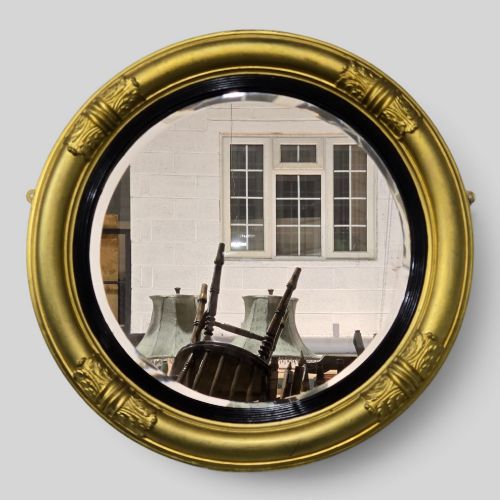
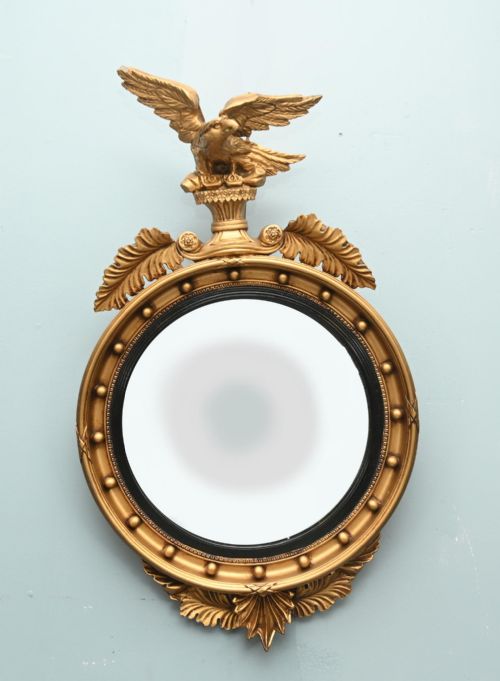
The materials framing these circular glasses vary widely, shifting from gilded wood and gesso to ebonised timber, mahogany, and occasional copper or brass mounts. Each period brings its own characteristic frame profile, from heavy Regency gilt balls to sleek Art Deco frameless constructions.
Materials and construction methods
Makers constructed these frames using carved timber, gesso, and applied gilding, often shaping solid wood or building up plaster layers to achieve ornate mouldings. Giltwood and ebonised finishes predominate among the earlier pieces, requiring skilled joinery and surface preparation to support the weight of the glass.
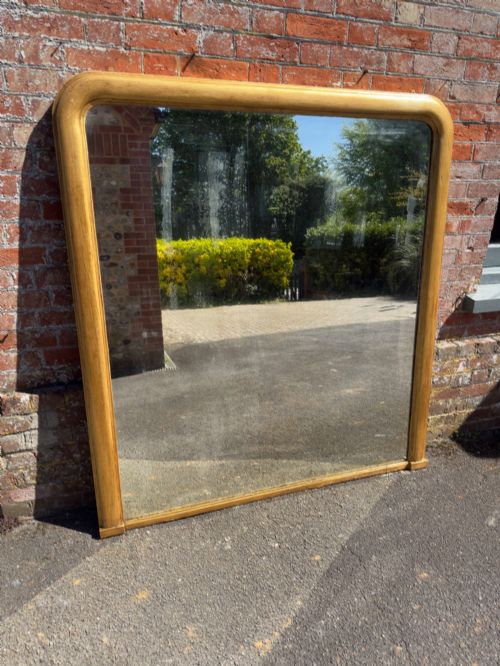
The glass itself includes standard flat plates alongside curved convex discs, sometimes referred to as witch's or sorcerer's mirrors, which required specialised blowing or slumping techniques. Many pieces feature silvered glass with natural age spots or bevelled edges that catch the light from multiple angles.
Antique Round Glass Mirror Retail Price Guide 2026
Typical asking prices for round glass mirror among the pieces listed under this phrase on Sellingantiques today, from the lower quarter to the upper quarter. They describe what is for sale here now, not the wider market.
Victorian sorcerer's mirrors allowed nineteenth-century guests to survey entire drawing rooms from a single, slightly warped perspective.
Distinctions in quality and execution
The excellence of an antique round glass mirror often rests upon the crispness of its carved frame details and the depth of its original gilding or polish. Superior examples display meticulous hand-carving and well-preserved surface finishes that have aged gracefully without heavy restoration.
Quality also reveals itself in the character of the mirror plate, where authentic foxing and original silvering provide historic authenticity. Finely proportioned frames with secure joints and original backboards distinguish master workshop production from simpler utilitarian items.
Coalbrookdale
The Antique Round Glass Mirror Glossary
- Convex mirror
- A round mirror featuring an outward-curving glass plate that reflects a wide-angle, panoramic view of the interior space. These are sometimes historically called butler's mirrors or witch's mirrors.
- Gesso
- A plaster-like mixture applied to wooden frame bases to create smooth surfaces for subsequent gilding or painting. Artisans carved intricate decorative motifs directly into this dried layer.
- Foxing
- Natural age-related degradation within the silvered backing of the glass, appearing as characteristic dark spots or cloudiness. Collectors value this patination as proof of great age.
- Bevelled glass
- A mirror plate with edges cut and polished at an oblique angle to refract light and add decorative dimension. This technique appears frequently on Edwardian and Art Deco pieces.
- Giltwood
- Timber coated with a thin layer of gold leaf over a prepared ground, providing a brilliant metallic lustre. It forms the primary finish for Regency and Victorian frames.
Antique Round Glass Mirror: Frequently Asked Questions
What is a convex mirror used for?
Historically, convex mirrors offered butlers a discreet panoramic view of a dining room to monitor guests without intruding. They also served as decorative focal points that flooded darker corners with reflected daylight.
In modern interiors, they function primarily as striking optical art pieces that expand the perceived depth of a hallway or living room.
How do I clean antique mirror glass?
Clean antique glass gently using a soft microfibre cloth and a mild, ammonia-free solution applied to the cloth rather than directly onto the surface. Avoid harsh commercial glass cleaners that can seep behind the frame and damage vulnerable historical silvering.
Exercise caution around areas of foxing or original backing to preserve the natural patina and prevent further degradation of the plate.
How do I date a round antique mirror?
Dating relies on examining the frame style, construction techniques, and the characteristics of the mirror glass itself. Regency pieces typically feature ebonised reeded slips and gilt balls, while Art Deco examples favor geometric simplicity or frameless designs.
Inspect the reverse of the frame for original timber backboards, old paper labels, and hand-cut screws which offer further clues regarding the period of manufacture.