




Antique Rope Mirror
An antique rope mirror brings nautical texture and gilded warmth to a room, offering the distinctive carved twist that collectors prize.
Antique Rope Mirror
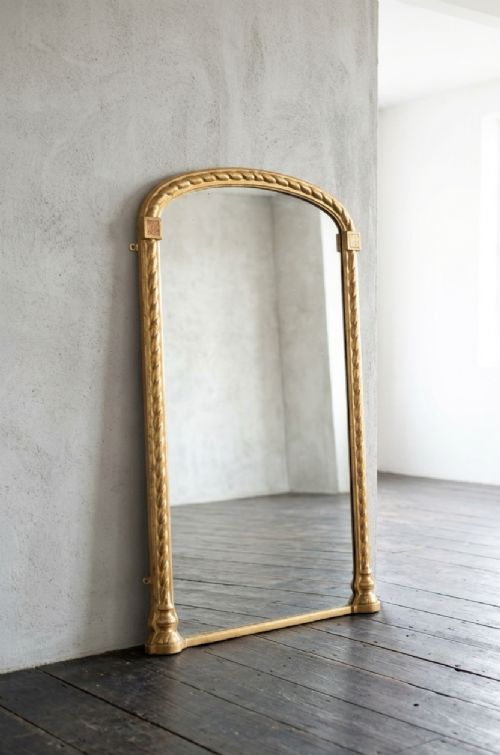
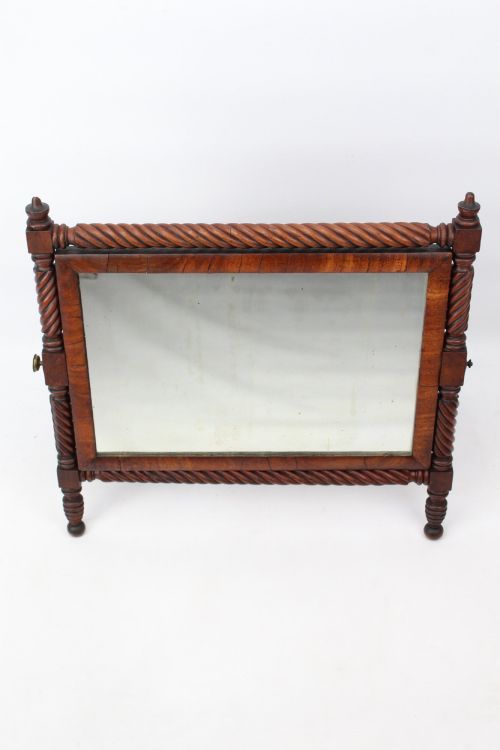
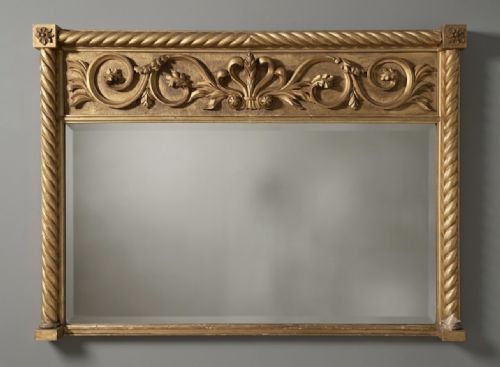
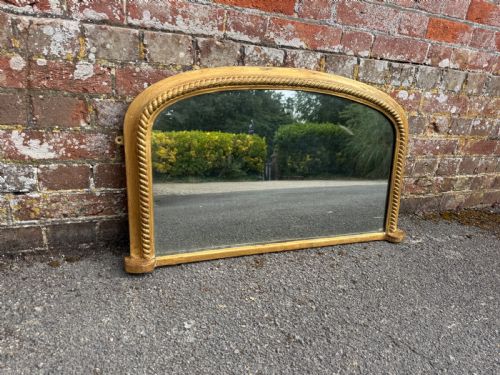
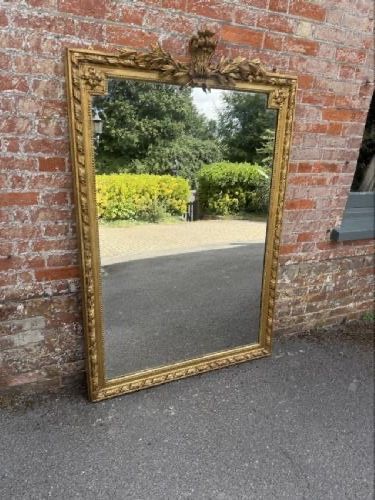
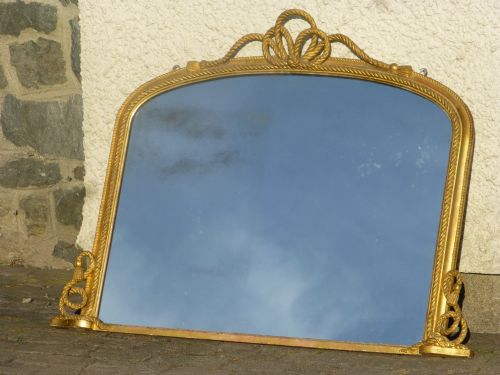
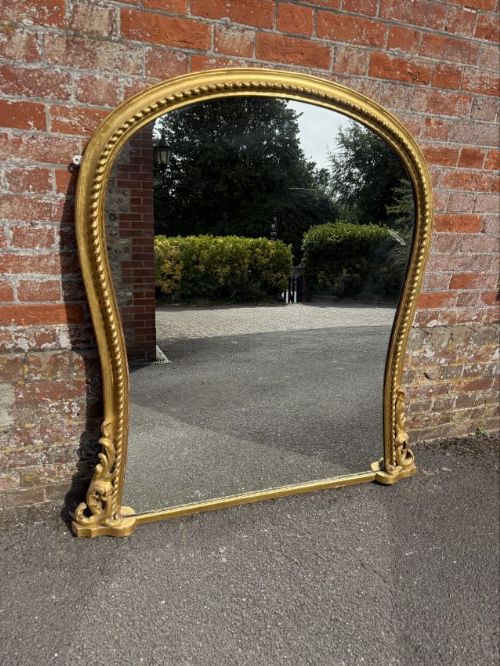
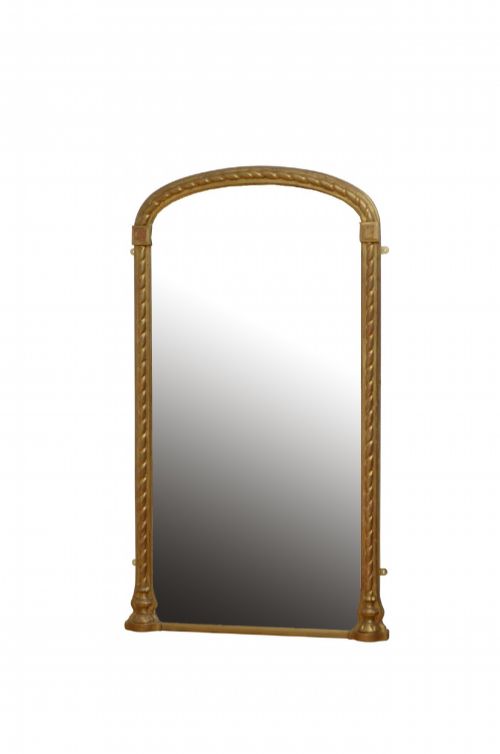
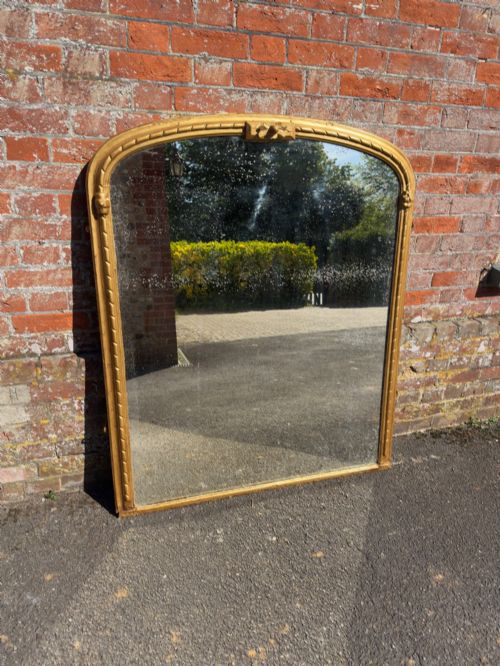
An antique rope mirror is defined by its carved framing mimicking twisted cordage, frequently gilded in gold leaf over gesso and wood. These pieces span the nineteenth century, including Regency, Victorian, and Edwardian eras, appearing in substantial proportions suitable for principal reception rooms.
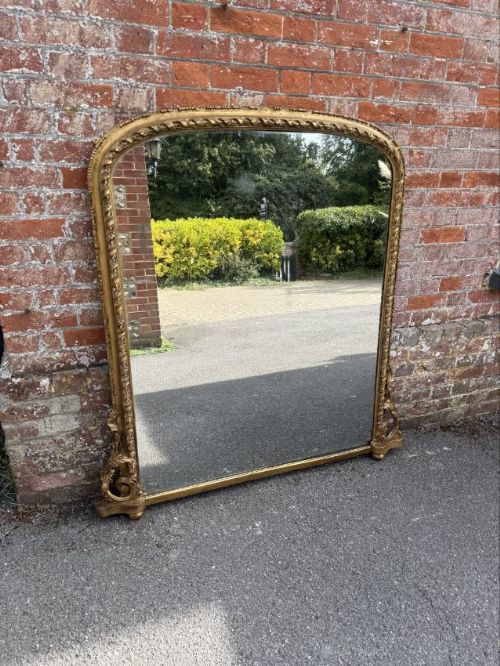
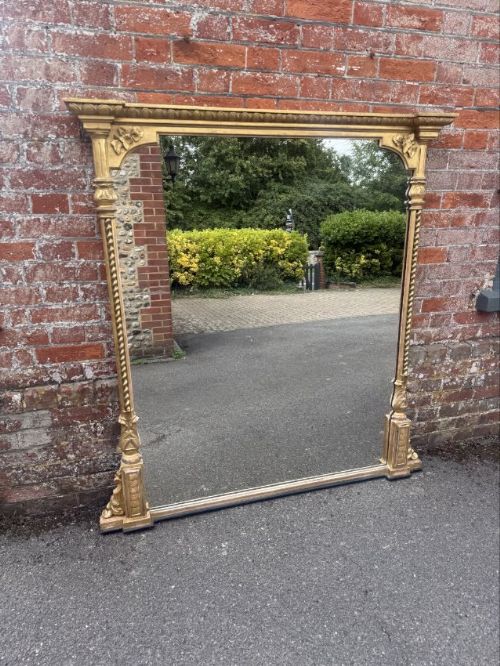
The overmantel format dominates this selection, designed historically to sit above a fireplace mantelpiece. Alongside these large architectural forms, buyers encounter pier mirrors, leaner mirrors, oval shapes, and circular girandole frames.
Origins vary between English workshops and French chateau styles, occasionally extending to Spanish carved pine or brass-framed wall mirrors. Occasional wardrobe listings also appear alongside the primary looking glass forms.
How they were made
Carvers shaped wooden foundations before applying layers of gesso, a plaster-like mixture that accepted crisp, intricate detailing. This gesso layer received the carved rope twist, hour-glass ribbed patterns, or beaded motifs.
Gilding followed, utilising gold leaf applied over the prepared gesso surfaces to create a luminous metallic finish. Mirror glass of the period was frequently hand-silvered and fitted into arched, compartmental, or triptych frames.
Antique Rope Mirror Retail Price Guide 2026
Typical asking prices for rope mirror among the pieces listed under this phrase on Sellingantiques today, from the lower quarter to the upper quarter. They describe what is for sale here now, not the wider market.
Listings incorporate nineteenth-century Regency and Victorian eras alongside Edwardian examples, spanning materials from gesso and giltwood to brass and carved pine.
What varies in quality
The crispness of the carved wood and gesso rope twist dictates visual impact, as softer details indicate worn moulds or heavy over-gilding. Original mercury glass plates with authentic foxing and oxidation hold greater desirability than modern replacements.
Structural integrity of large overmantel frames matters significantly, particularly where heavy wooden chassis support extensive arched top glass. The depth and layering of the original gold leaf finish also separate standard decorative mirrors from finer works.
The Antique Rope Mirror Glossary
- Gesso
- A prepared mixture of chalk, gypsum, and binder applied to wood before gilding. This substance allowed artisans to carve intricate rope twist and beaded patterns with sharp definition.
- Giltwood
- Wood that has been coated with gold leaf or metallic powder. It provides the reflective, opulent surface seen on nineteenth-century looking glasses.
- Overmantel Mirror
- A large mirror specifically proportioned to hang above a fireplace mantel. These pieces often feature arched tops or compartmentalized glass plates.
- Girandole Mirror
- A circular wall mirror featuring attached candle sconces. The reflected candlelight enhances the gilded rope frame.
- Pier Mirror
- A tall, narrow looking glass designed to hang on the wall space between windows. They frequently feature rectangular or arched formats.
Antique Rope Mirror: Frequently Asked Questions
Where should I hang an overmantel mirror?
Traditionally, these large looking glasses mount directly above a fireplace mantel to reflect light and anchor the room's proportions.
They also function effectively as floor-standing leaner mirrors against principal walls in living rooms or bedrooms.
How do I identify a nineteenth-century frame?
Examine the construction behind the glass, looking for hand-carved wooden frames coated in gesso rather than modern resin. Original nineteenth-century pieces often display shrinkage cracks in the gesso and foxing on the mirror plate.
Period mirrors also utilise older fixing methods and heavier timber backboards compared to modern reproductions.
What is rope twist carving?
Rope twist carving is a decorative motif where the wood is shaped to resemble twisted hemp or nautical cordage. It adds tactile texture and linear movement to the gilded frame.
This nautical detail became particularly popular during the Regency and Victorian periods for wall and overmantel mirrors.