


Antique Roman Sculpture
An antique roman sculpture brings the grand ambition of classical antiquity directly into nineteenth-century interiors through bronze casts, marble busts, and architectural models.
Antique Roman Sculpture
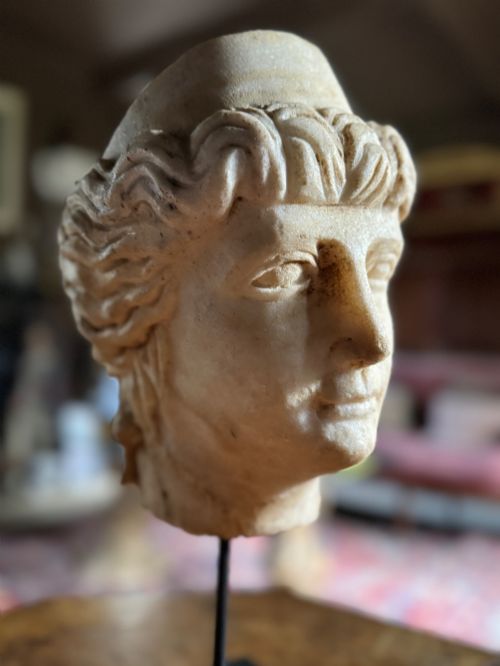
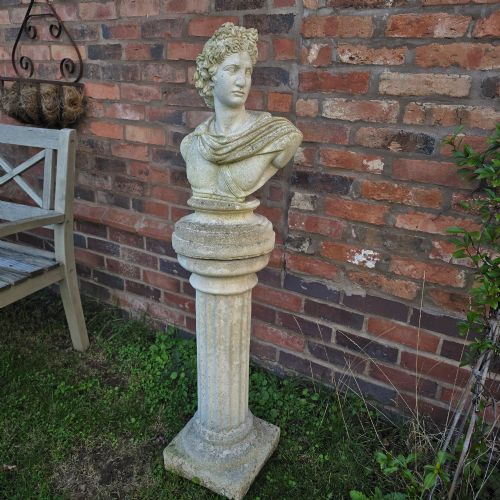
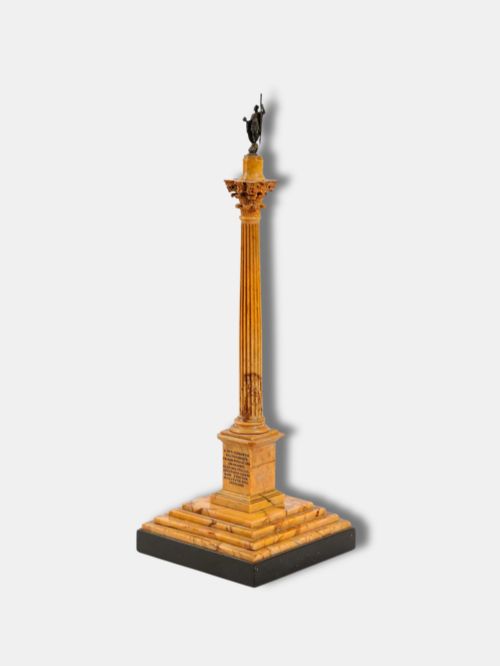
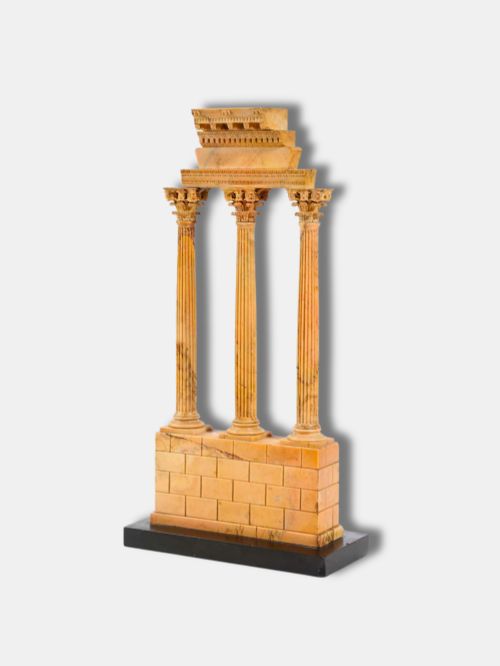
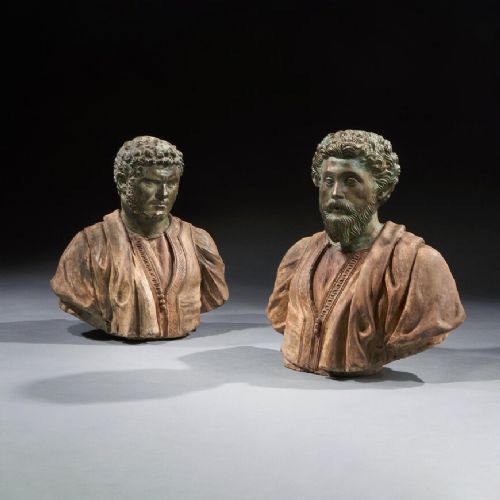
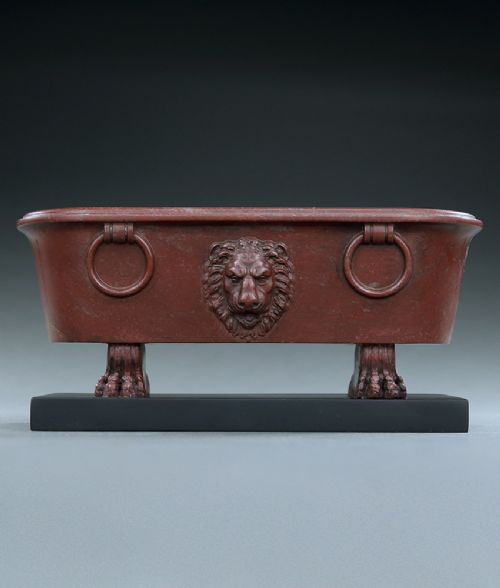
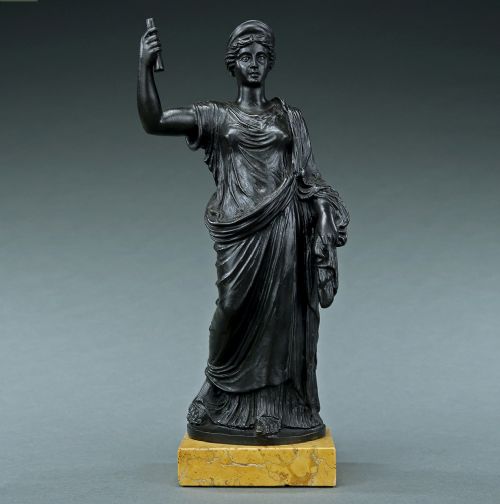
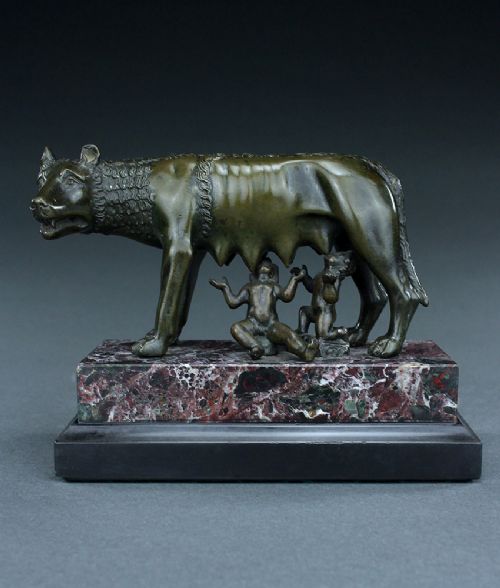
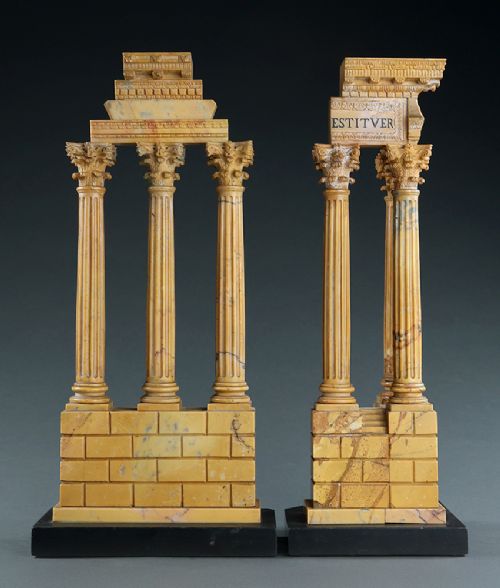
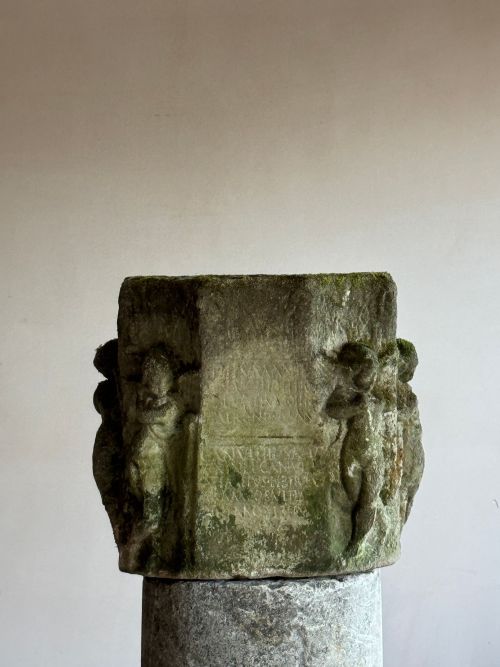
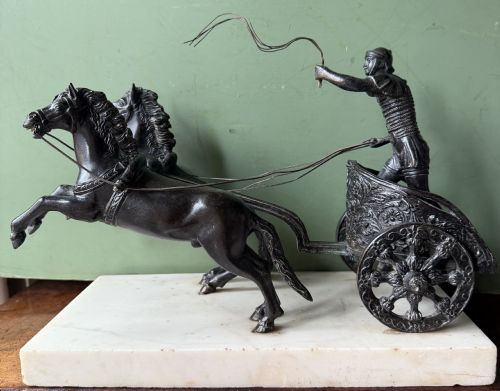
When searching for antique roman sculpture, buyers encounter a distinct category of nineteenth-century interpretations, architectural souvenirs, and classical revivals modelled after ancient originals. These objects predominantly take the form of Grand Tour bronzes, portrait busts of emperors and philosophers, architectural models of temples and columns, and sculpted figures of mythological deities.
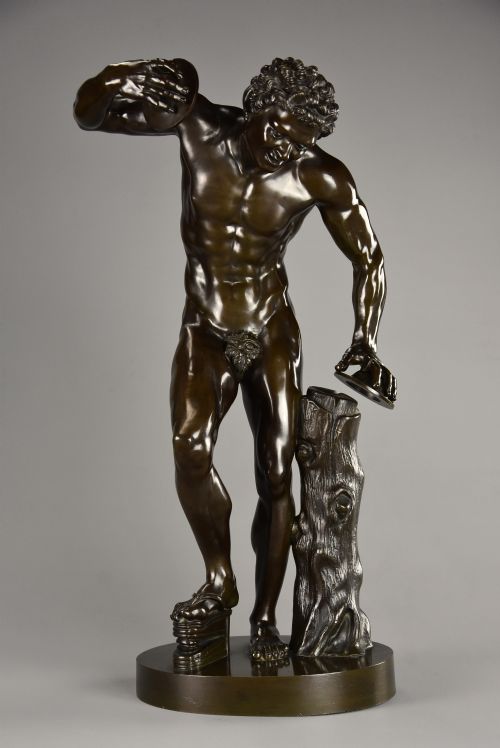
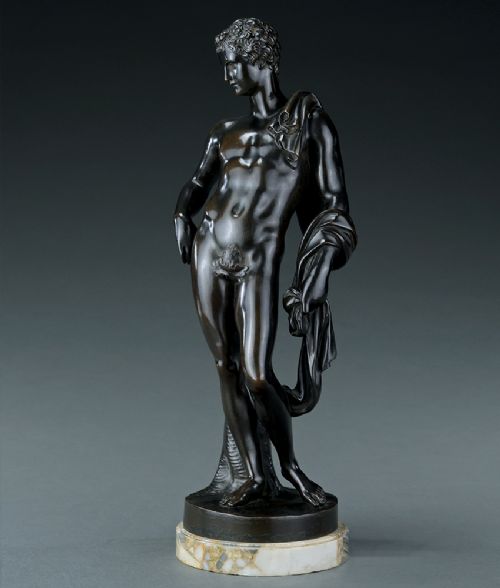
The versions most commonly met on this page are nineteenth-century Grand Tour souvenirs produced in Italy and France, capturing famous antiquities like the Dancing Faun of Pompeii, the Belvedere Antinous, and the Warwick Vase. Alongside these metal casts, collectors find carved marble heads, terracotta figures, and occasional seventeenth-century and eighteenth-century works representing Caesars and classical deities.
Variations in Quality and Execution
The selection of materials equally dictates standing, with solid coloured marbles and finely chased architectural models representing more ambitious workshop output. The presence of named foundry marks or documented makers elevates a piece above anonymous tourist souvenirs.
Antique Roman Sculpture Retail Price Guide 2026
Typical asking prices for roman sculpture among the pieces listed under this phrase on Sellingantiques today, from the lower quarter to the upper quarter. They describe what is for sale here now, not the wider market.
Hypnos, the ancient god of sleep, quietly oversees the collection, reminding buyers that even Roman emperors needed a nap.
Émile Louis Picault·Goldscheider pottery·Mathurin Moreau·Zoffoli
The Antique Roman Sculpture Glossary
- Grand Tour
- A nineteenth-century tradition where travellers collected souvenir bronzes and marble models in Italy. These objects reproduced famous classical sculptures found in museums and archaeological sites.
- Reduction
- A smaller scale copy of a larger public or museum sculpture. Nineteenth-century founders used mechanical reducing machines or skilled hand-measuring to scale down classical statues.
- Patina
- The surface coloration and sheen developed on bronze through age or chemical treatment. Founders applied artificial patinas to mimic the buried state of ancient bronzes.
- Spelter
- An alloy of zinc and lead used as a cheaper alternative to bronze in nineteenth-century figures. It accepts metallic finishes but lacks the weight and tensile strength of true bronze.
- Giallo Antico
- A yellow antique marble quarried in ancient Tunisia and prized by later sculptors. It appears in Grand Tour architectural models and decorative bases.
Antique Roman Sculpture: Frequently Asked Questions
How do I identify a bronze from spelter?
Bronze is heavier, colder to the touch, and yields a deeper, more resonant sound when tapped. Spelter is a softer zinc alloy that feels lighter and shows a more brittle fracture if damaged.
Examining the underside or areas beneath the patina often reveals the base grey metal of spelter, whereas bronze displays a warm golden-brown hue beneath its surface.
Where were these sculptures displayed?
Owners placed these figures on library mantelpieces, mahogany desks, and specialised marble plinths within nineteenth-century drawing rooms. Architectural models and portrait busts served as both decoration and symbols of classical education.
Display arrangements often grouped emperors together on dedicated cabinetry to showcase historical knowledge and refined taste.
Are all these pieces from ancient Rome?
Nearly all listed pieces date from the nineteenth century, with some originating in the seventeenth and eighteenth centuries, rather than the ancient Roman period itself. They are later revivals, copies, and interpretations inspired by Roman art.
Maker signatures, casting methods, and material preparation reflect nineteenth-century European craftsmanship rather than ancient manufacturing techniques.