





Antique Rococo Looking Glass
An antique rococo looking glass brings theatrical scrollwork and asymmetric curves to a room, offering both practical reflection and bold decoration.
Antique Rococo Looking Glass
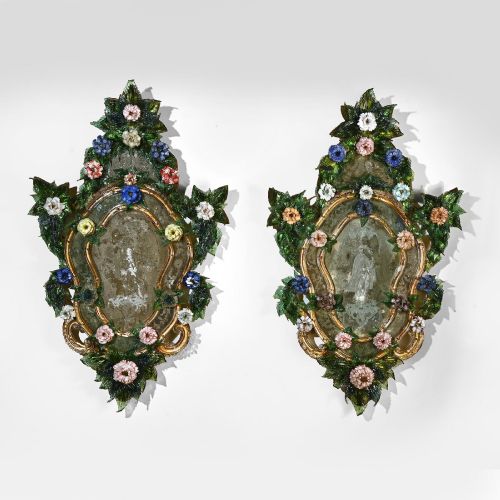
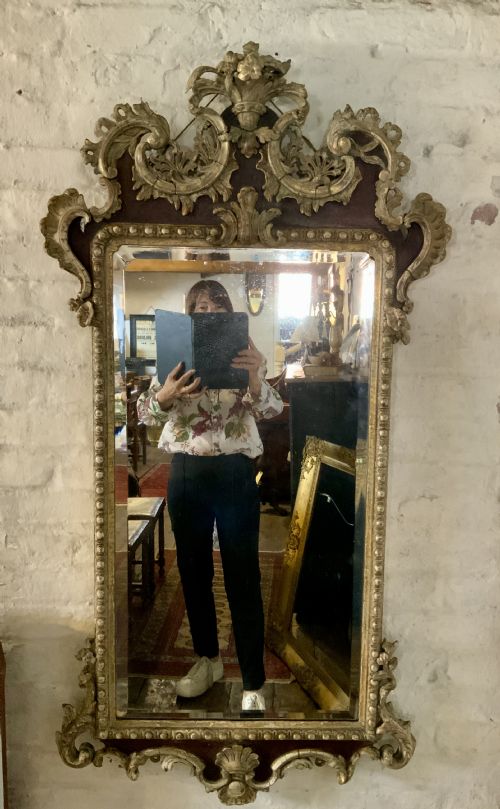
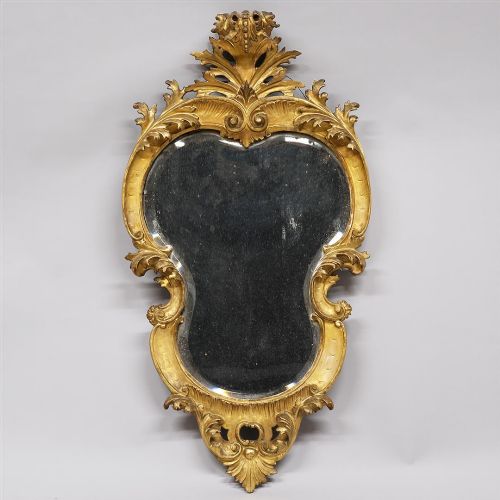
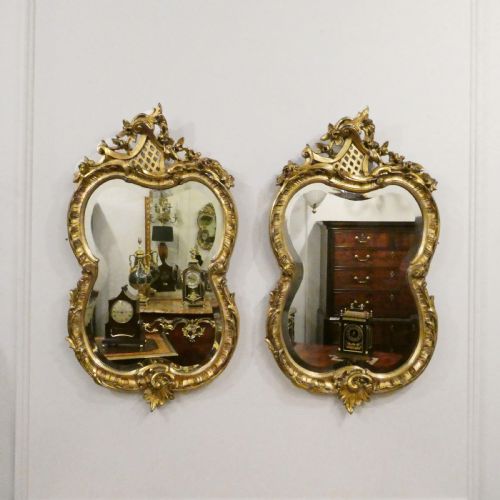
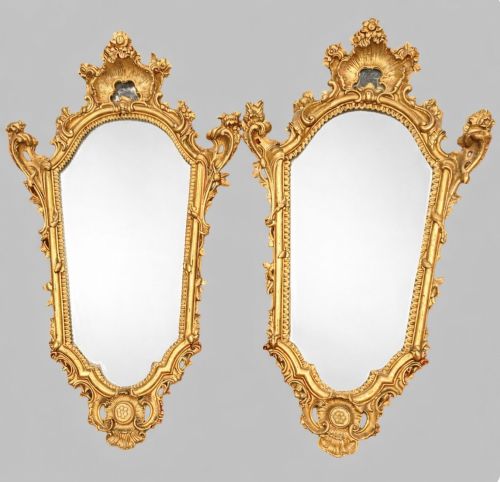
An antique rococo looking glass represents wall mirrors shaped by the ornate, fluid aesthetic of the eighteenth century and its later revivals. When you search for an antique rococo looking glass, you encounter forms ranging from eighteenth-century Georgian fretwork pieces to nineteenth-century Victorian revival designs and Venetian creations.
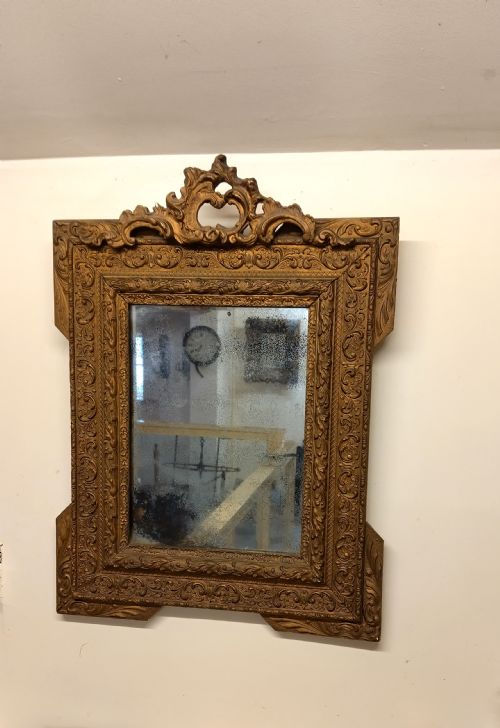
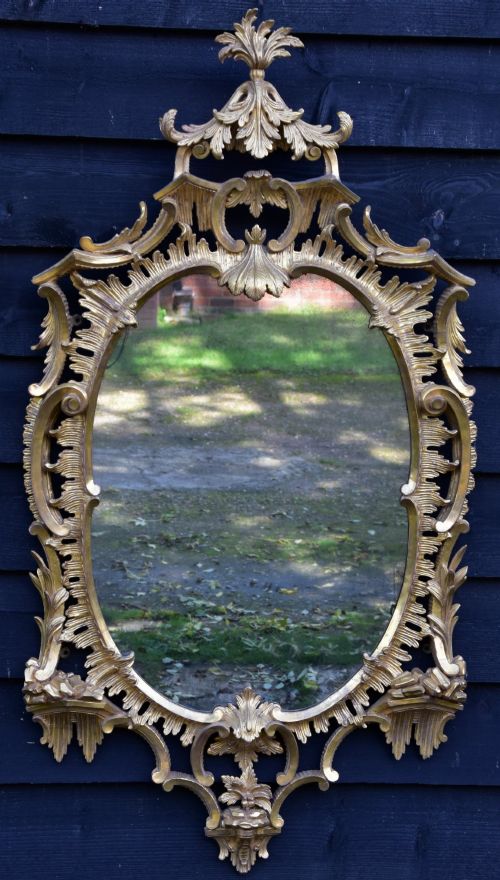
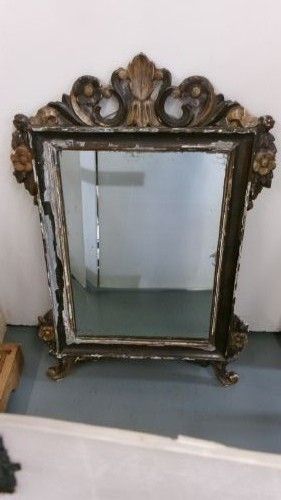
The objects take the form of wall mirrors designed to hang as focal points in reception rooms, halls or boudoirs. You will frequently meet giltwood frames alongside carved wood, gesso and painted finishes, often displaying the characteristic C-scrolls, foliage and asymmetrical cartouches of the style.
How they were made
Makers shaped these frames from timbers such as walnut, sycamore and oak, or carved them directly from soft woods before applying layers of gesso. Artisans built up the intricate relief decoration by carving the wood or moulding the gesso to receive subsequent gilding.
Craftsmen applied gold leaf to the prepared surfaces or used sand moulded gesso techniques to achieve textured, reflective metallic finishes. The glass itself, whether original mirror plates or engraved Venetian glass, was silvered and set within the carved rebate of the frame.
Listings feature items spanning from the eighteenth century through the Victorian era to the early twentieth century, utilising giltwood, gesso and Murano glass.
What varies in quality
The crispness of the carving dictates much of the distinction between standard and superior examples, as hand-carved wooden relief work shows a depth and sharpness that moulded substitutes lack. Frames retaining their original gold leaf or early painted surfaces display a harmonious ageing process that inferior restorations obscure.
The character of the mirror glass contributes significantly to the overall merit of the piece. Plates featuring bevel edges, early engraving or original silvering retain a softer, undulating reflection compared to later replacement glass.
The Antique Rococo Looking Glass Glossary
- Giltwood
- Wood carved and coated with gold leaf. This finish defines the most formal examples of the style.
- Gesso
- A plaster mixture applied to wood frames to create a smooth base for carving or gilding. Artisans mould it to form raised decorative motifs.
- Fretwork
- Thin wood cut into intricate patterns using a fret saw. Eighteenth-century pieces frequently employ this technique on flat frame borders.
- Rococo Revival
- A nineteenth-century artistic movement that imitated the flamboyant curves and naturalistic motifs of the original eighteenth-century style.
- Venetian Glass
- Glass produced on the island of Murano, renowned for clarity and elaborate engraved details found on specialty mirrors.
Antique Rococo Looking Glass: Frequently Asked Questions
How do I hang a heavy antique looking glass?
Secure the mirror directly into wall studs using appropriate steel brackets or professional mirror plates capable of supporting the substantial weight of carved wood and gesso frames.
Avoid relying solely on plaster walls or decorative picture hooks, as the combined weight of the timber and glass requires robust architectural support.
Are eighteenth-century and nineteenth-century mirrors different?
Eighteenth-century examples typically feature hand-carved wooden frames with organic asymmetry and period-specific joinery, reflecting the original period of production.
Nineteenth-century revival pieces often utilise machine-prepared components, heavy gesso moulding and distinct Victorian interpretations of Louis XV motifs.
How should I clean an old mirror plate?
Wipe the glass gently with a soft microfibre cloth slightly dampened with distilled water, avoiding harsh commercial ammonia cleaners that can damage degraded silvering.
Keep moisture away from the edges of the plate and the wooden frame to prevent the backing and gilt surface from deteriorating.
What is a gilt slip?
A gilt slip is a narrow inner moulding finished in gold leaf that sits between the main outer frame and the mirror glass.
This secondary border adds depth to the profile and frames the reflection with an extra line of metallic brilliance.