





Antique Ritual Bowl
These antique ritual bowl examples bring centuries of ceremonial craft into your home, offering tangible connections to historic temple and scholarly traditions.
Antique Ritual Bowl
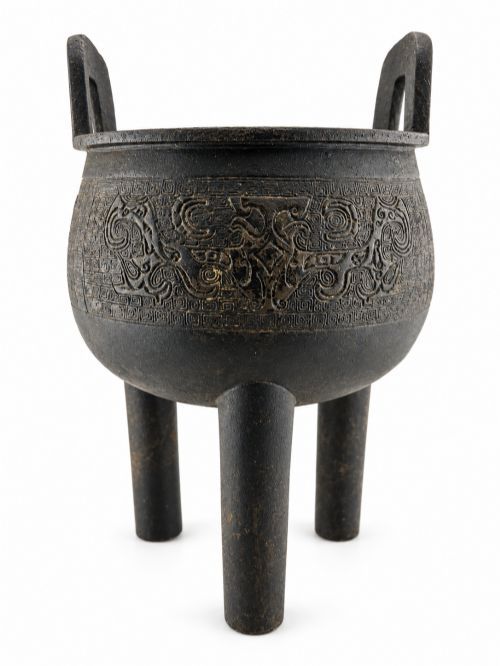
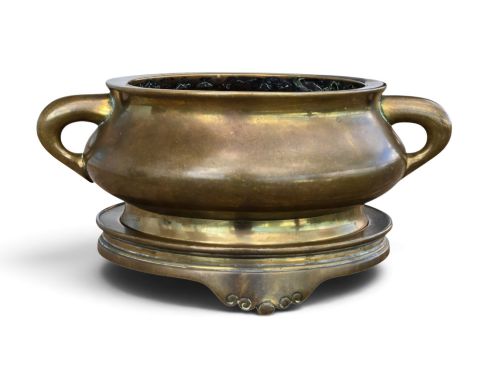
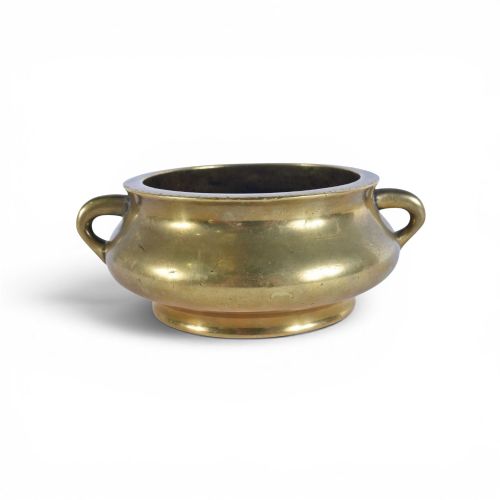
An antique ritual bowl encompasses heavy bronze censers, tripod vessels, and stem cups made for ceremonial, temple, or scholarly use across Asian dynasties and British colonial periods. You encounter pieces spanning the sixteenth century through the late nineteenth century, predominantly fashioned as bronze or brass incense burners and decorative temple vessels.
How they were made
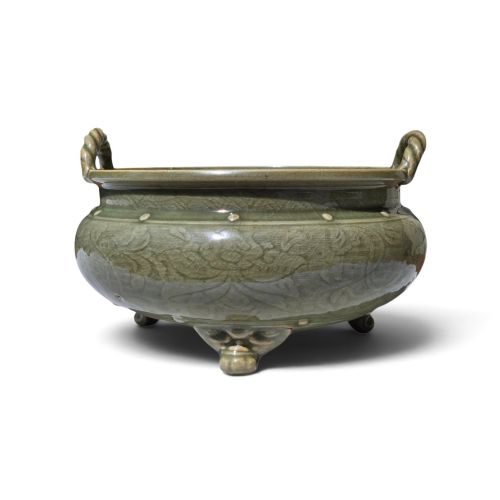
Metal vessels rely on heavy casting techniques in bronze, copper alloy, and brass, yielding substantial weights and resonant walls that signal skilled foundry work. Artisans also worked in celadon glazed stoneware and porcelain, applying cobalt underglaze and enamel details.
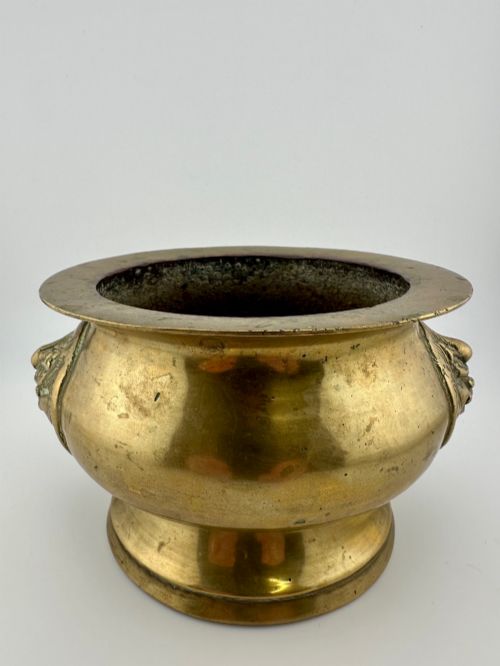
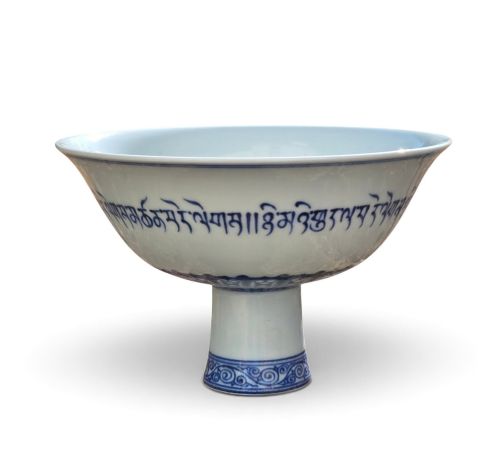
Surface treatment incorporates archaistic styling, lion-mask handles, and Tibetan script, bridging utilitarian vessel forms with intricate sculptural ornamentation.
Antique Ritual Bowl Retail Price Guide 2026
Typical asking prices for ritual bowl among the pieces listed under this phrase on Sellingantiques today, from the lower quarter to the upper quarter. They describe what is for sale here now, not the wider market.
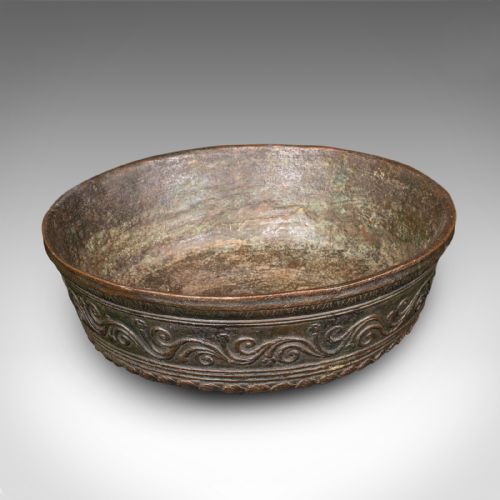
Pieces span a broad chronological range, including sixteenth-century Ming examples, eighteenth-century Qing archaistic bronzes, and nineteenth-century Anglo-Indian bowls.
What varies in quality
Quality rests in the weight of the cast metal and the clarity of the bell-ring resonance, distinguishing master-cast scholar pieces from lighter domestic wares. Precision in surface detail, such as the definition of lion-mask handles and the depth of archaic motifs, separates standard production from imperial commissions.
The integrity of glazes on ceramic pieces, from Longquan celadon to doucai-style stem cups, dictates the aesthetic standard of the finished vessel.
The Antique Ritual Bowl Glossary
- Censer
- A vessel specifically designed for burning incense during rituals or quiet contemplation. These often feature pierced covers or open bowls with sturdy tripod feet.
- Celadon
- A pale green jade-like glaze applied to stoneware, originating in historic kilns. This finish is prized for its subtle tone and crackle-free surfaces.
- Gui
- An ancient ritual food vessel form revived in later dynasties with heavy handles and circular bodies. They reflect classical Chinese ritual bronzes.
- Cloisonné
- An enamelling technique where metal wires form compartments to hold coloured paste before firing. This creates intricate patterned surfaces across bronze bowls.
- Doucai
- A decorative technique combining underglaze blue outlines with overglaze enamels on porcelain. It produces bright, contrasting ceramic motifs.
Antique Ritual Bowl: Frequently Asked Questions
What were antique ritual bowls used for?
These vessels served primarily as incense burners in temples, domestic shrines, and scholarly retreats across Asia. They held aromatic resins or woods to purify spaces during meditation and ceremonial gatherings.
Some larger forms also functioned as food vessels for ancestral offerings or as water containers in Buddhist temples. Their presence marked spaces dedicated to scholarly pursuits and spiritual reflection.
How do I tell Ming and Qing pieces apart?
Ming dynasty pieces, such as early Longquan celadon tripod censers, often display robust archaic forms with deep, translucent green glazes. They reflect a straightforward approach to heavy ritual vessel construction.
Qing dynasty examples frequently incorporate archaistic details, imperial reign marks like the Xuande seal, and complex cloisonné enamel work. They lean toward highly finished scholarly aesthetics and precise bronze casting.
Are Japanese and Chinese bronze bowls different?
Japanese bronze vessels from the Edo period often focus on naturalistic motifs, dragon ornamentation, and distinct patination styles suited for tearai or incense use. They adapt continental influences into refined domestic and temple objects.
Chinese pieces span multiple dynasties with a strong emphasis on archaic revival, heavy cast weights, and imperial marks. Both traditions utilise bronze and brass but express different regional aesthetics.
How do I care for a bronze censer?
Keep bronze vessels dry and dust them gently with a soft cloth to preserve the natural historical patina. Avoid using chemical cleaners or metal polishes that strip away age-related surfaces.
If you burn incense inside the bowl, use a bed of ash or sand to protect the original base metal from direct heat. Proper placement away from excessive moisture ensures the bronze remains stable.