






Antique Religious Shrine
These antique religious shrine pieces bring centuries of devotional art into the home through carved wood, giltwood, and bronze.
Antique Religious Shrine
An antique religious shrine encompasses a diverse range of sacred objects, from domestic home altars and architectural tabernacles to devotional icons and reliquary mirrors. When searching this phrase, buyers encounter various regional traditions, including Italian Baroque and Spanish folk art, alongside South Asian temple figures.
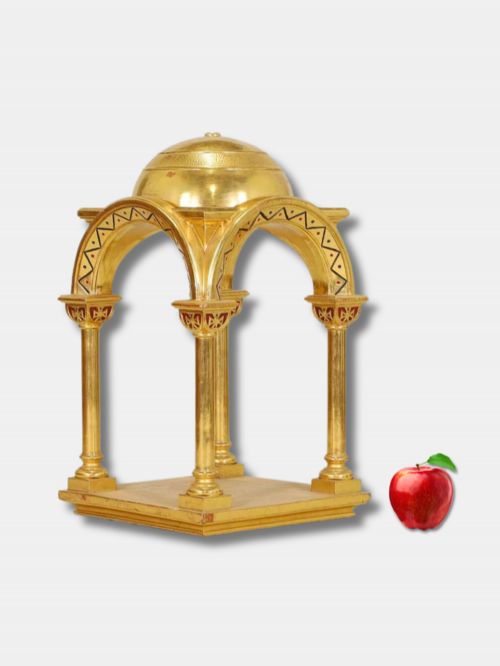
The domestic pieces most frequently met on this page include Italian tabernacles with domed tops and carved home altars from Spain. These domestic focal points often house wax figures, devotional icons, or sacred mirrors intended for private prayer and contemplation.
Older examples stretch back to the seventeenth century with architectural wooden structures, while later pieces extend through the Victorian era and into the early twentieth century. Each object reflects the specific religious customs and artistic styles of its origin, spanning European folk traditions to Asian bronzes.
Materials and construction methods
Construction relies heavily on carved wood finished with gesso, gold leaf, and giltwood to create ornate architectural frames and tabernacles. These gilded surfaces catch the candlelight of domestic chapels, giving the shrines a luminous presence.
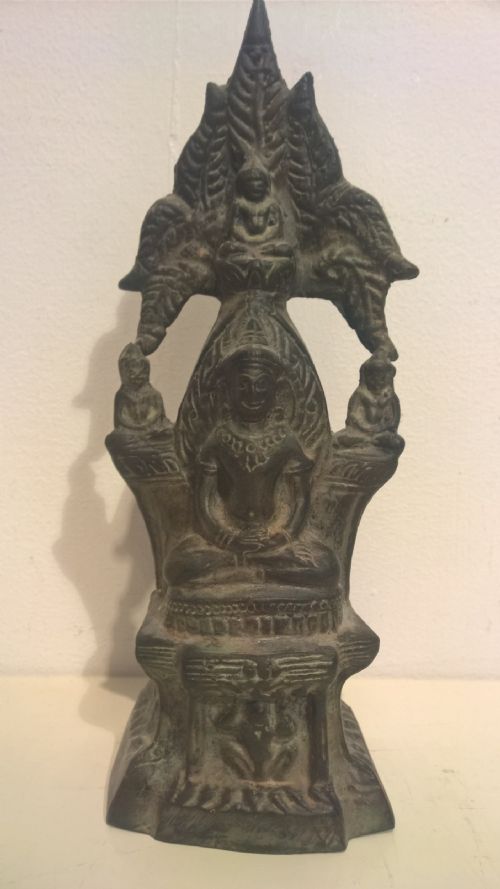
Sculptural elements incorporate cast bronze for figures such as Shiva Nataraja and the Buddha, while smaller devotional icons utilise delicate wax, fabric, wire, and glass details set within protective frames.
Antique Religious Shrine Retail Price Guide 2026
Typical asking prices for religious shrine among the pieces listed under this phrase on Sellingantiques today, from the lower quarter to the upper quarter. They describe what is for sale here now, not the wider market.
Assessing quality in devotional pieces
Quality reveals itself in the crispness of the wood carving and the depth of the gilding upon architectural elements like tabernacles and altars. Finer examples display harmonious proportions and careful hand-tooling that survive centuries of handling.
The integrity of fragile interior components, such as wax figures adorned with wire and fabric, separates superior survivals from heavily restored pieces. Original surfaces on both European giltwood and Asian bronzes retain their authentic character without intrusive modern interventions.
The Antique Religious Shrine Glossary
- Tabernacle
- A heavily decorated architectural enclosure designed to house sacred objects or sacrament. These wooden structures frequently feature domed tops and gilded ornamentation.
- Reliquary
- A container for holy relics that often incorporates mirrors, glass panels, and elaborate framing. Italian examples frequently use reflective glass to amplify the spiritual focus.
- Giltwood
- Wood that has been coated with a thin layer of gold leaf or powder over gesso. This finish defines the ornate appearance of many European religious shrines.
- Polychrome
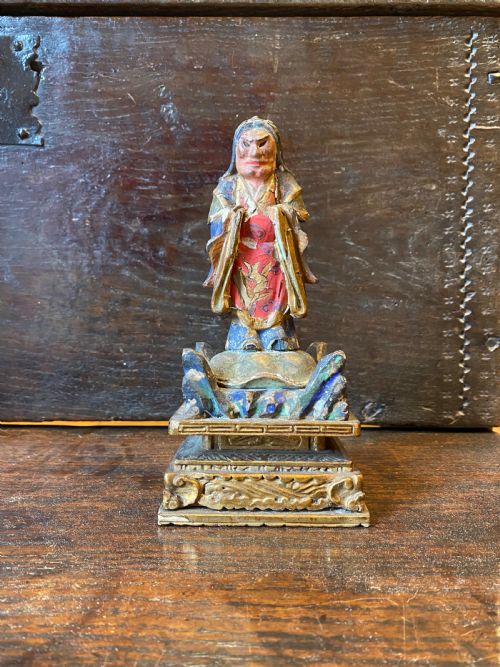
- Painted in several colours, typically applied to carved wooden sculptures and home altars. This technique gives devotional figures a lifelike and accessible appearance.
- Devotional Icon
- A sacred image or figure used to aid personal prayer and meditation. These pieces often combine painted or modelled elements with protective glass frames.
Antique Religious Shrine: Frequently Asked Questions
What is an antique religious shrine?
An antique religious shrine is a sacred object or architectural structure designed for private devotion or temple worship. These pieces include home altars, tabernacles, devotional icons, and sculptural figures.
They reflect diverse cultural traditions from European folk art to South Asian bronze casting, spanning centuries of religious expression.
How were home altars used?
Home altars and tabernacles served as focal points for daily prayer and domestic worship within Catholic and other religious households. Families placed them in private rooms to house icons, candles, and reliquary mirrors.
These structures created a dedicated sacred space inside the domestic home for quiet contemplation.
How do I date a wooden tabernacle?
Dating a wooden tabernacle involves examining the joinery, tool marks, and the style of the architectural ornamentation such as domes and decorative moulding. Seventeenth and eighteenth-century pieces often display hand-carved details and heavy gesso layers beneath the gilding.
Later Victorian and early twentieth-century examples may incorporate simpler construction methods or revival styles.
How should I display a shrine?
Displaying a shrine requires a stable surface away from direct sunlight and excessive humidity to protect delicate giltwood, wax figures, and painted surfaces. Placing them on a sturdy mantel or dedicated console table allows the architectural details to be appreciated.
Ensuring proper support for heavier bronze figures or wall-mounted mirrors keeps these fragile historical objects safe.