




Antique Religious Reliquary
An antique religious reliquary holds the physical remains or earthly traces of a holy figure, drawing the faithful into quiet contemplation.
Antique Religious Reliquary
An antique religious reliquary takes many sacred forms, ranging from towering tabernacles to intricate shadow boxes designed for intimate devotion.
Buyers browsing this selection will encounter pieces stretching from the sixteenth century through the Victorian era, reflecting diverse European and colonial traditions.
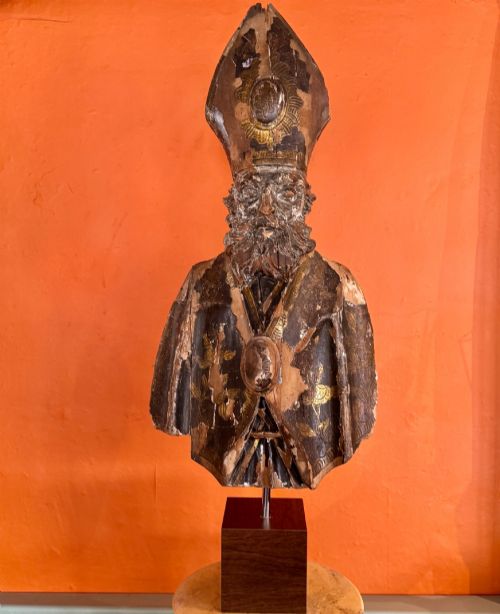
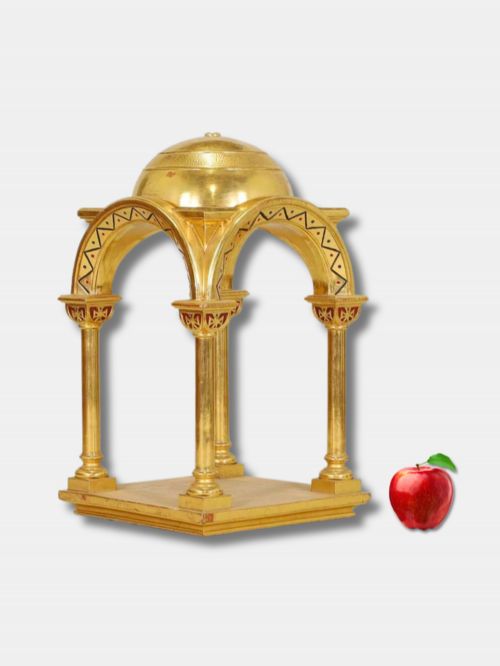
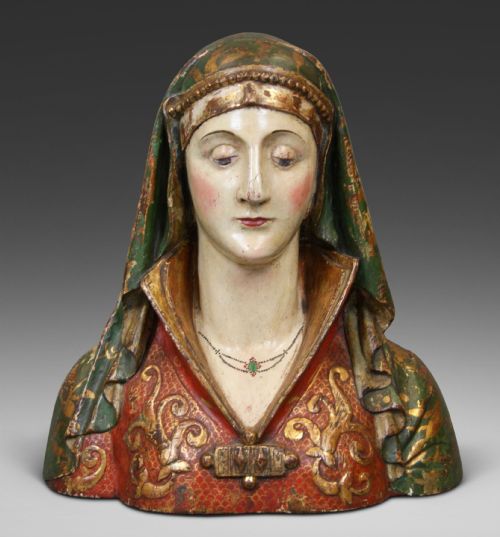
Forms include carved wooden busts of saints, domed architectural miniatures, and devotional mirrors adorned with flaming sacred hearts.
Materials and construction methods
Artisans built these devotional objects primarily from solid wood, applying layers of gesso to smooth surfaces before finishing with gold leaf or rich polychrome paint.
Metalwork pieces utilise engraved copper, while glazed shadow boxes protect delicate Nevers glass figures and sacred mementos within enclosed chambers.
Current listings feature pieces spanning the sixteenth century to nineteen twenty, utilising carved wood, gesso, and gold leaf.
Assessing craftsmanship and depth
Superior examples display harmonious proportions and intact original surfaces, whereas lesser pieces often show crude alterations or unsympathetic repairs over centuries of use.
The Antique Religious Reliquary Glossary
- Reliquary
- A vessel or container specifically designed to house sacred relics. These range from elaborate monstrances to domestic shadow boxes.
- Tabernacle
- A fixed, ornate box used to store holy sacrament or sacred items. Many feature domed tops and elaborate gilded architectural details.
- Polychrome
- Painted in several colours. This surface treatment brings carved wooden saints and sculptural busts to vibrant life.
- Giltwood
- Wood that has been coated with gold leaf or a gold-coloured metallic finish. It provides a luminous, heavenly glow to altarpieces and shrines.
Antique Religious Reliquary: Frequently Asked Questions
How were these devotional pieces used?
Believers placed them on altars or incorporated them into domestic shrines to aid daily meditation and honour holy figures.
They often formed the centrepiece of personal prayer spaces in homes across Italy, France, and Spain.
How do I care for giltwood and carved wood?
Keep these delicate surfaces away from direct sunlight and fluctuating humidity to protect the fragile gesso and gold leaf layers.
Dust gently with a soft, dry brush without applying liquid cleaners or polishes.
How do I distinguish sixteenth-century pieces from later revivals?
Early pieces display hand-carved tool marks and organic wear patterns consistent with Renaissance workshops and materials.
Later Victorian and revival items often employ different joining techniques and sharper, more uniform surface tooling.