


Antique Religious Oil Artwork
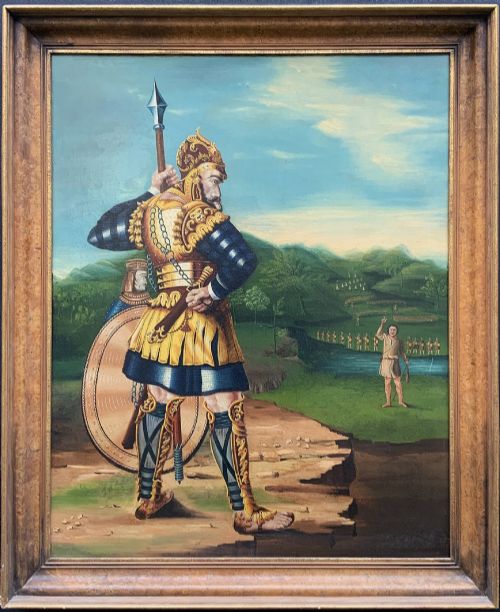
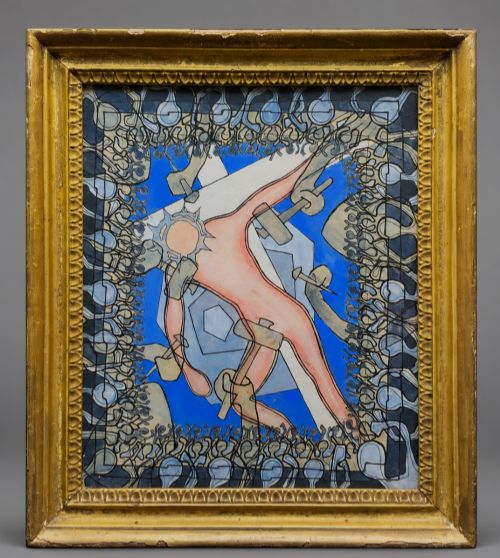
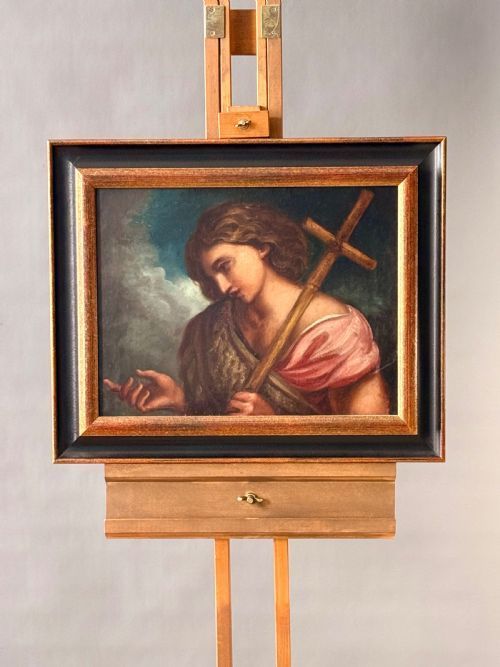
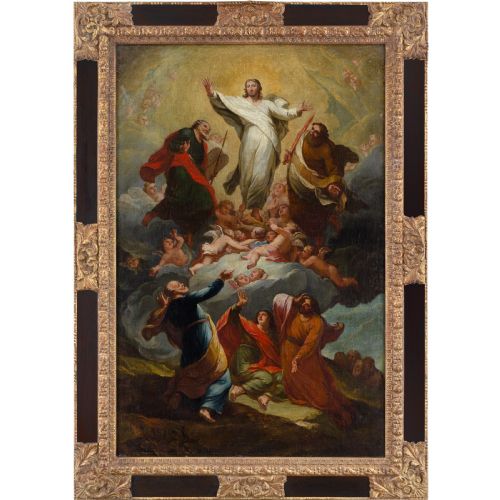
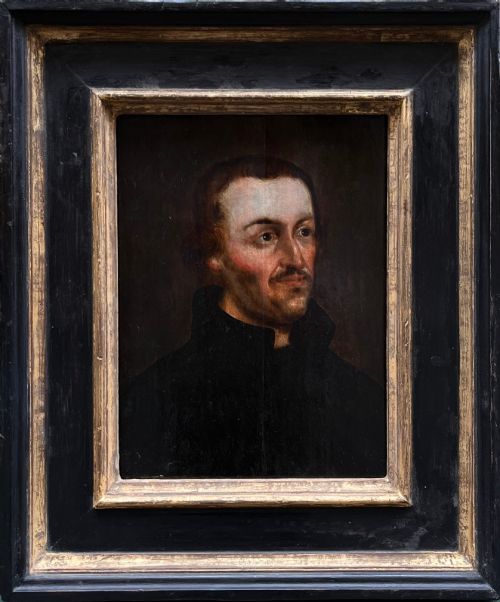
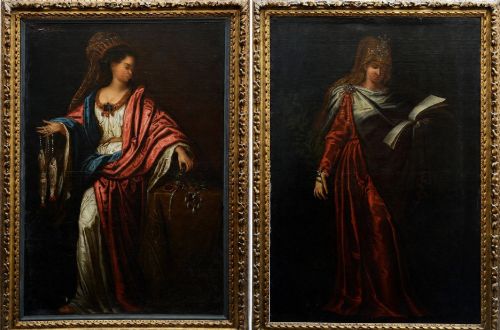
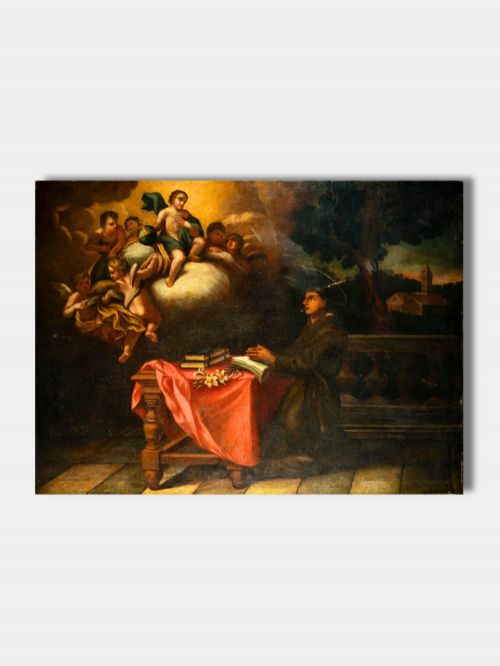
When seeking an antique religious oil artwork, collectors examine centuries of devotional painting executed on canvas and wood panels.
Antique Religious Oil Artwork
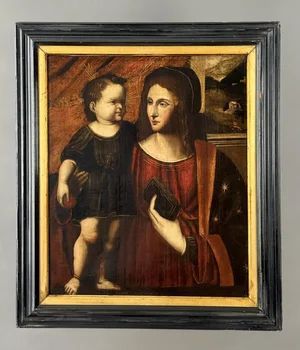
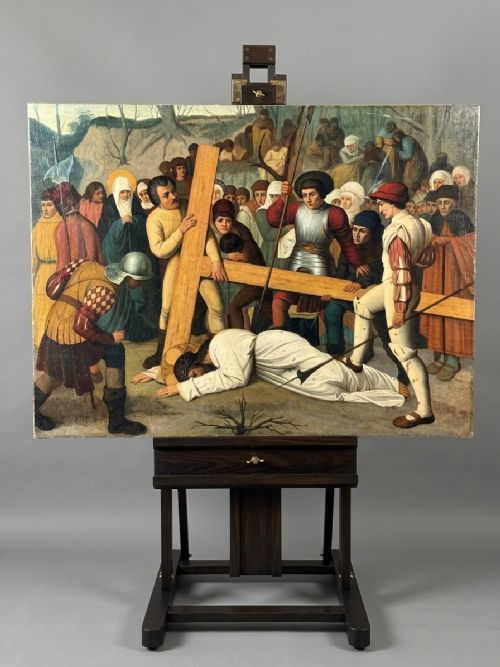
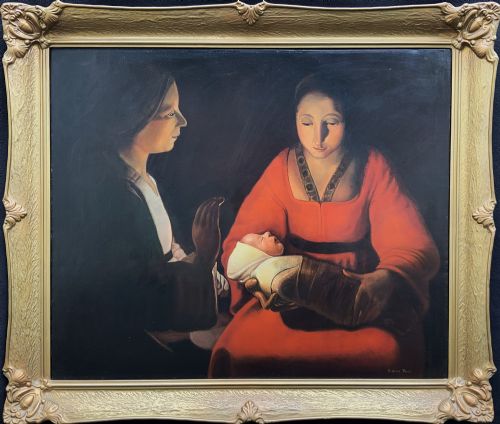
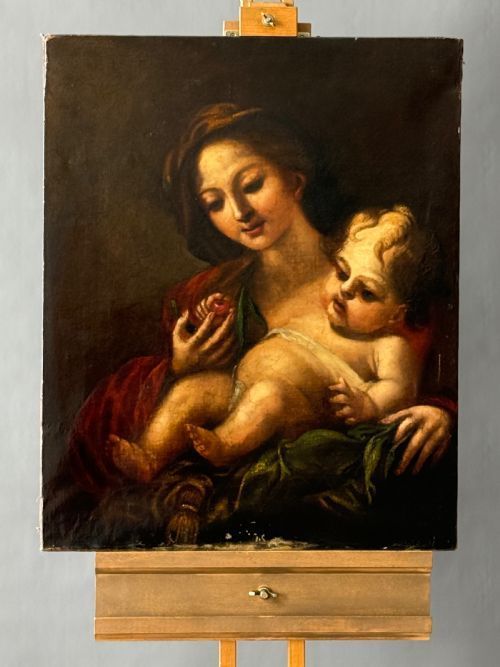
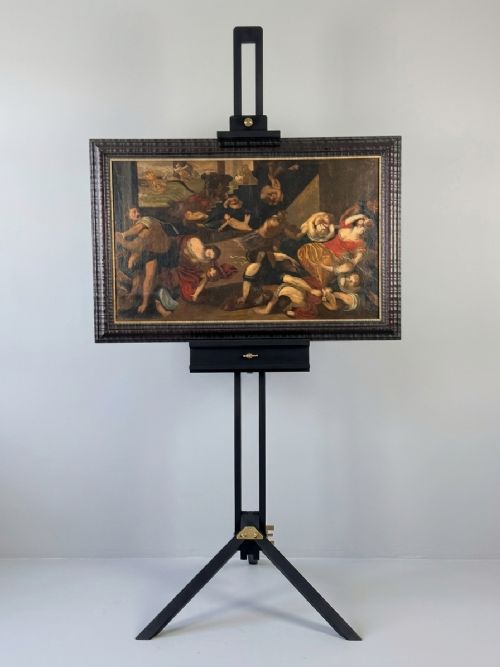
An antique religious oil artwork represents centuries of devotional painting, spanning subjects from traditional Madonna and Child compositions to dramatic Biblical narratives. These pieces originate from various European schools across the sixteenth, seventeenth, eighteenth, and nineteenth centuries.
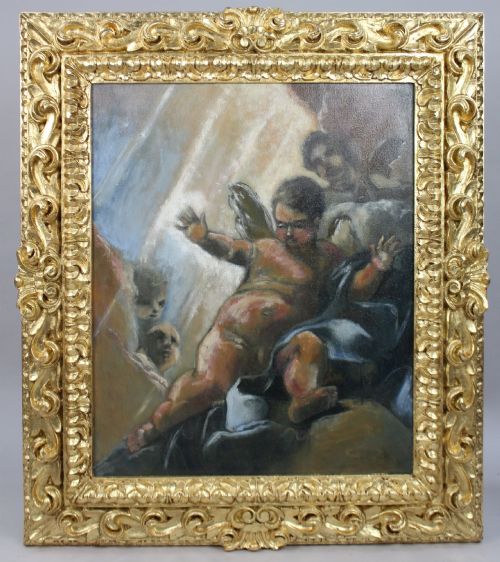
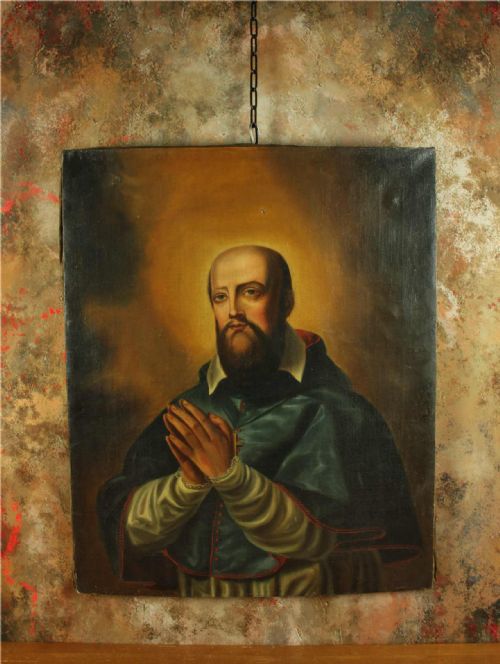
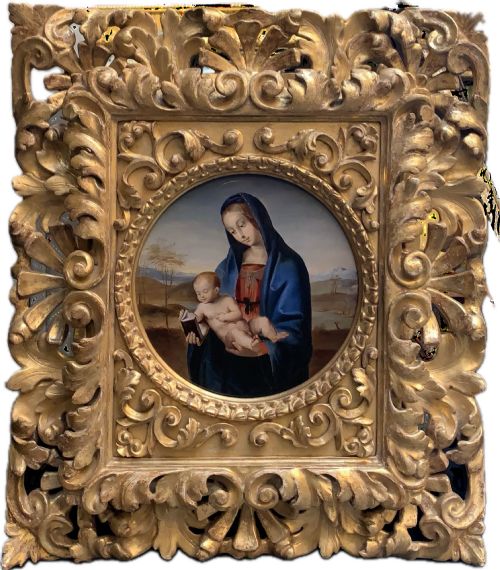
The selections available here emphasise works rendered in oil on canvas or wood panels, often housed in period frames such as carved giltwood. Buyers frequently encounter devotional portraits, Old Master copies, and regional European school paintings depicting saints and holy figures.
How They Were Made
Painters utilised oil paint applied to woven canvas supports or prepared wooden panels, layering pigments to achieve depth and luminosity in figures and drapery. Giltwood frames, frequently carved, were constructed to house these sacred canvases.
The technical approach relies on traditional European studio methods, where apprentices and masters built compositions through successive glazing and detailing to capture light and expression.
Antique Religious Oil Artwork Retail Price Guide 2026
Typical asking prices for religious oil artwork among the pieces listed under this phrase on Sellingantiques today, from the lower quarter to the upper quarter. They describe what is for sale here now, not the wider market.
Dogs and donors occasionally peer into sacred scenes from the bottom corners of seventeenth-century canvases.
What Varies in Quality
The fidelity of draftsmanship and the expressiveness of the painted figures separate standard school pieces from the work of accomplished masters or skilled studio followers. Handling of light, anatomical proportion, and the subtlety of facial expressions dictate the artistic success of a canvas.
The preservation of the original paint surface and the historical integrity of the accompanying carved giltwood frame significantly influence the standing of any given painting. Unrestored pigment layers retain an authenticity that heavily retouched surfaces lack.
Jozef Jansessens·Georges de La Tour·Bernardino Luini·Francesco Solimena·Gaspar de Figueroa
The Antique Religious Oil Artwork Glossary
- Old Master
- A term for a European painter of skill who worked before about eighteen hundred. These artists established the foundational traditions followed by later regional schools.
- Giltwood
- Wood that has been coated with gold leaf or gold paint. This material is standard for framing devotional oil paintings from the baroque and renaissance periods.
- Canvas
- A heavy woven fabric used as a surface for oil painting. It replaced wooden panels in many European workshops during the sixteenth and seventeenth centuries.
- Circle of
- A designation indicating an artist worked in the style of a master during the same period. It denotes proximity to a major workshop without direct attribution.
- School
- A group of artists working in a particular region and style during a specific era. Regional schools reflect shared local techniques and aesthetic priorities.
Antique Religious Oil Artwork: Frequently Asked Questions
What is an old master painting?
An old master painting originates from a European artist working prior to the nineteenth century. These works often follow traditional religious iconography and academic techniques.
Such pieces are valued for their historical connection to European devotional art and studio traditions.
How do I identify religious paintings?
Religious paintings depict identifiable biblical figures, saints, or theological narratives such as the Madonna and Child or the Passion. Iconographic symbols like halos or prayer books typically designate the sacred subject.
These artworks were created primarily for private devotion or ecclesiastical settings.
Are original frames important?
Original or period-appropriate giltwood frames complement the age and aesthetic of antique religious canvases. They provide structural protection and historical context for the artwork.
Matching frames enhance the visual integrity of seventeenth and eighteenth-century paintings.
What does circle of mean?
The designation circle of indicates that an anonymous artist produced the work while closely associated with a master's workshop. This attribution reflects the stylistic influence of a prominent painter.
Such canvases share technical characteristics with the named master.