






Antique Red Suzani
An antique red suzani brings vibrant Central Asian textile art into a room with rich silk embroidery upon cotton, wool, or adras grounds.
Antique Red Suzani
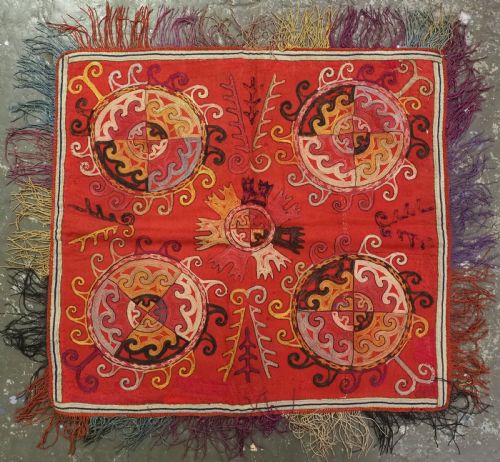
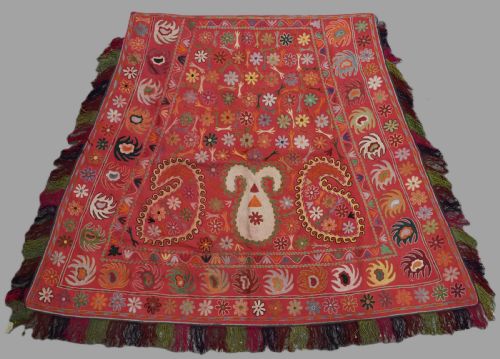
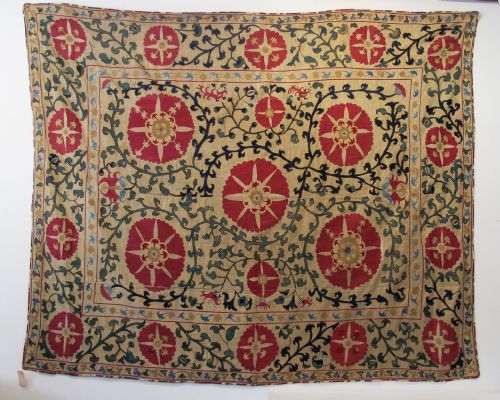
When you search for an antique red suzani, you examine hand-stitched wall hangings, dowry embroideries, and ceremonial covers originating from Central Asia, particularly Uzbekistan. These textiles span periods from the mid-nineteenth century through the early twentieth century, reflecting traditions from regions such as Bokhara, Tashkent, Shakrisabz, and Samarkand. You will encounter various forms here, including full wall hangings, smaller nim suzanis, and tribal ilgich pieces.
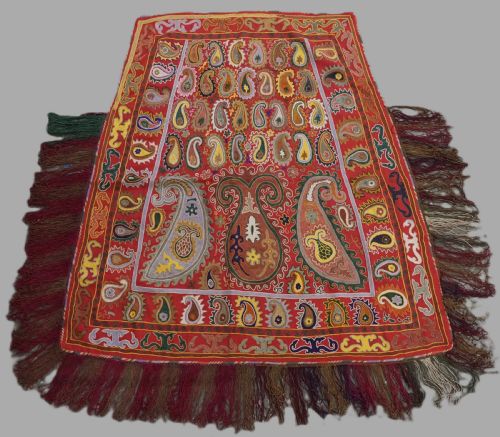
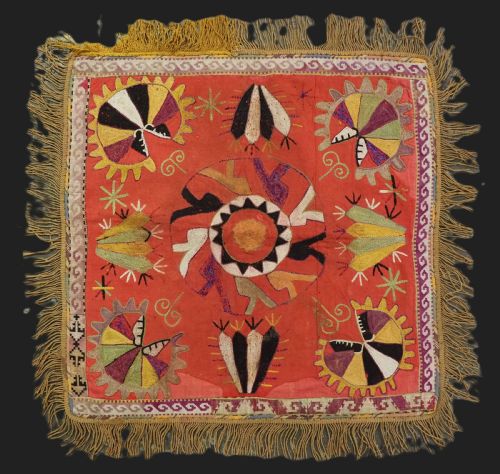
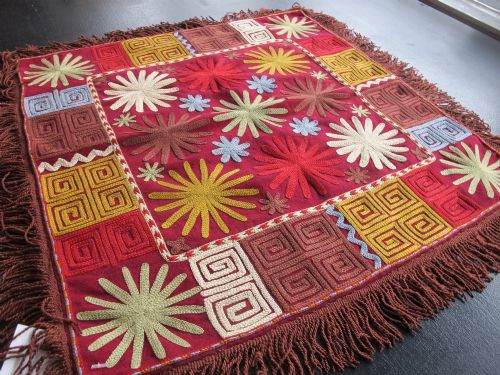
The most common pieces on this page are Uzbek and Lakai tribal works featuring silk embroidery laid upon red grounds. These range from architectural designs and floral motifs to bold central stars seen in Palak suzanis and geometric tribal patterns on horse covers. Each textile carries the distinct folk art heritage of nomadic and settled communities across Central Asia.
Materials and construction methods
Artisans built these textiles using ground fabrics of woven cotton, wool, or adras, which is a traditional silk and cotton blend. Upon these dyed red foundations, makers worked dense embroidery utilising vibrant silk threads to form intricate patterns.
Stitching techniques varied from fine tambour hook work to intricate needle embroidery. Pieces often incorporated multiple panels joined together, as seen in kilim-woven suzanis constructed from separate strips or large hangings assembled for domestic and ceremonial use.
Antique Red Suzani Retail Price Guide 2026
Typical asking prices for red suzani among the pieces listed under this phrase on Sellingantiques today, from the lower quarter to the upper quarter. They describe what is for sale here now, not the wider market.
Several horse covers in the collection preserve the spirited needlework of Lakai makers who stitched protective amulets straight into the saddle rugs.
Elements of distinction
The density of the needlework separates ordinary examples from exceptional pieces, particularly in fully embroidered Tashkent palaks where the ground fabric disappears beneath the silk. The vitality and preservation of the dyed red ground and the contrasting silk colours also dictate the visual power of the textile.
The clarity of regional design traditions, such as the distinct geometric character of Lakai tribal work or the architectural precision of Bokhara pieces, defines the standing of an individual hanging. Superior execution in the botanical or talismanic motifs reflects the skill of the maker.
The Antique Red Suzani Glossary
- Suzani
- An embroidered tribal or domestic textile from Central Asia, traditionally made as part of a bride's dowry. The word derives from the Persian term for needle.
- Adras
- A traditional woven fabric composed of a silk warp and a cotton weft, frequently utilised as a ground cloth for embroidery. It provides a distinct texture and sheen.
- Ilgich
- A specific type of dowry embroidery or wall hanging produced by Central Asian tribes, often associated with Lakai makers. These pieces served decorative and domestic functions.
- Nim Suzani
- A half-size or smaller version of a standard suzani hanging, scaled for specific wall spaces or domestic uses. These share the same silk embroidery and red ground characteristics.
- Palak
- A large, fully embroidered suzani type dominated by a bold central star or medallion motif. The needlework densely covers the entire ground fabric.
Antique Red Suzani: Frequently Asked Questions
How were antique suzanis originally used?
These textiles served primarily as wall hangings and domestic furnishings within Central Asian homes, often created as dowry items by brides and their families.
Nomadic and settled communities also utilised specific forms, such as horse covers and ceremonial hangings, for celebrations and daily tribal life.
What is the difference between a suzani and a nim suzani?
A standard suzani is a large wall hanging designed to cover a significant wall area in a traditional home, featuring elaborate floral or geometric compositions.
A nim suzani is simply a smaller version of the textile, scaled down for more compact spaces while maintaining the same density of silk embroidery on a red ground.
How do you date an antique red suzani?
Dating relies on examining the types of dyes used for the red ground fabrics, the structure of the silk threads, and the specific regional design characteristics.
Pieces originating from the mid-nineteenth century often display different stylistic nuances and wear patterns compared to those produced around nineteen-hundred or the early twentieth century.
How should you care for a textile wall hanging?
Display these delicate silk and cotton pieces away from direct sunlight to protect the vibrant red grounds and embroidered details from fading over time.
Mounting them properly on supportive backing materials ensures the weight of the fabric distributes evenly without straining the historical stitches.