



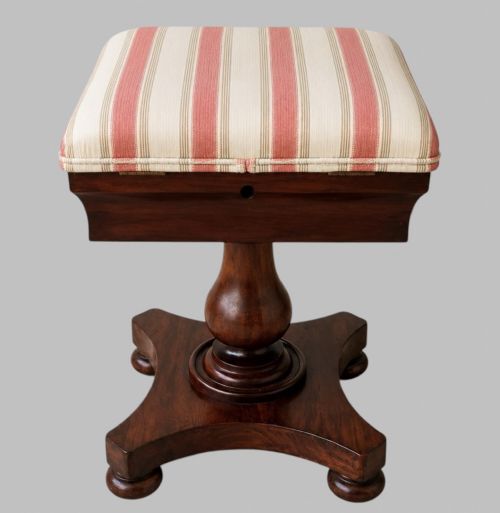

Antique Red Stool
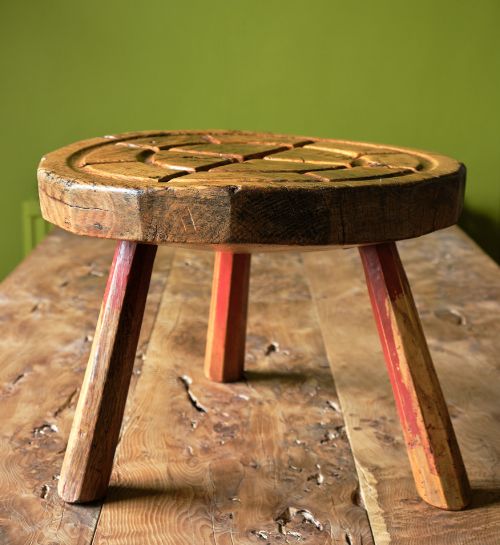
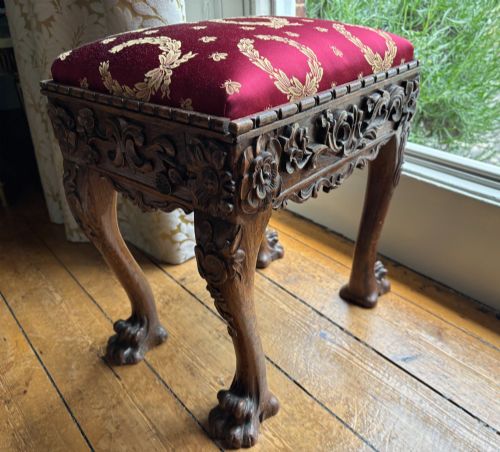
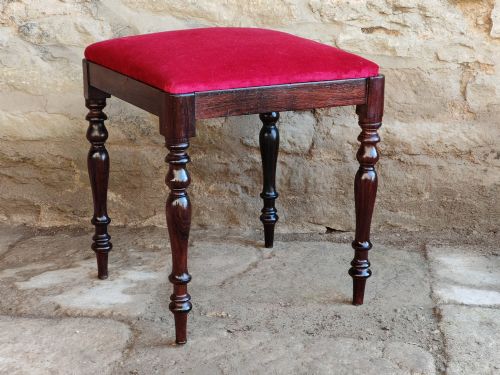
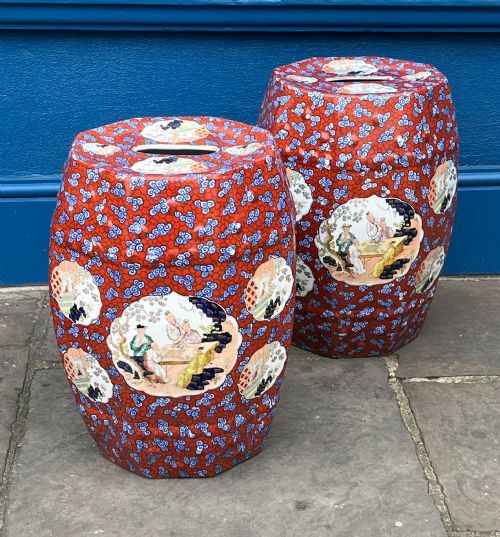
An antique red stool brings rich colour and versatile seating into a room, spanning periods from the Georgian era through to the Edwardian period.
Antique Red Stool
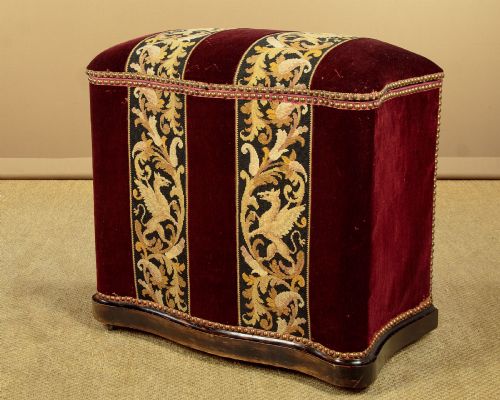
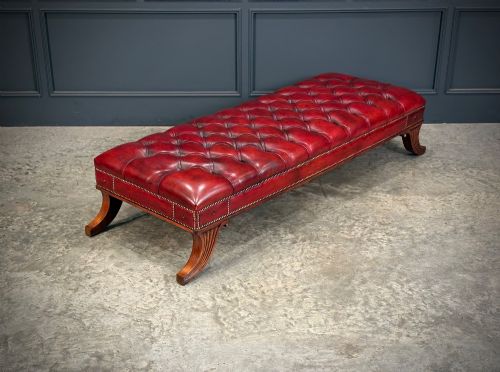
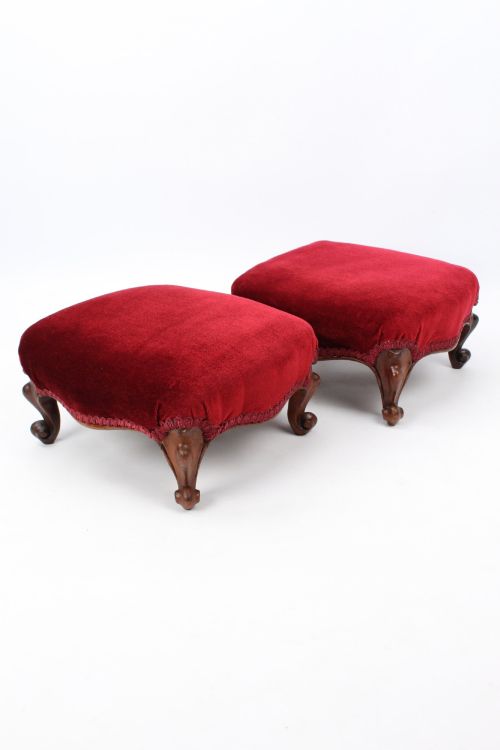
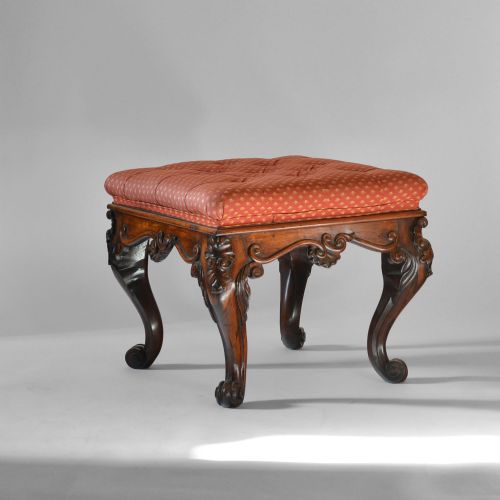
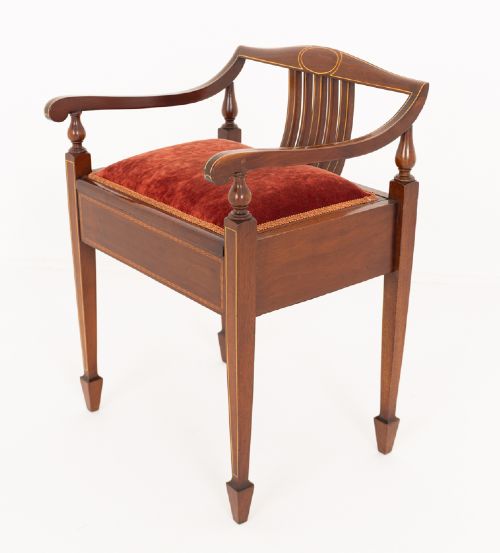
When searching for an antique red stool, buyers encounter an array of forms including footstools, piano stools, window seats, and larger ottomans. The primary examples surfacing here span the Georgian, Victorian, and Edwardian eras, alongside various revival styles.
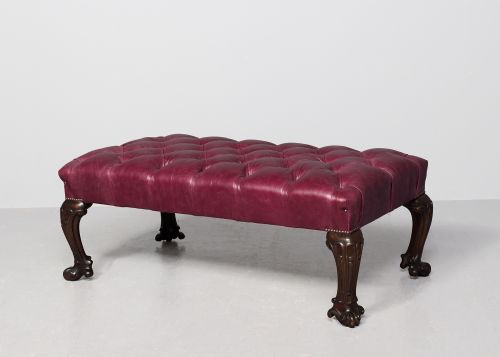
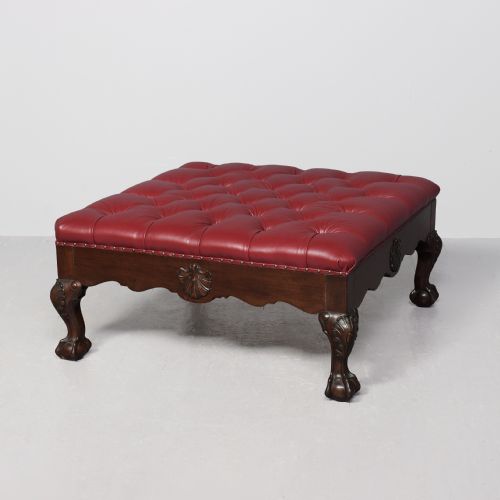
The material palette underpinning these pieces relies heavily on rich timbers such as mahogany, walnut, rosewood, and oak. These frames support upholstery in red leather, velvet, fabric, and damask, often detailed with brass studs or buttoning.
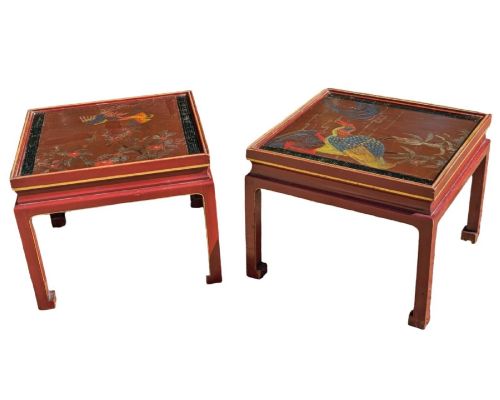
Origins stretch across English workshops, French design traditions, and Anglo-Indian production. Buyers are most likely to meet mahogany-framed footstools and piano stools upholstered in leather or velvet within these listings.
Materials and construction
Cabinetmakers constructed frames using durable hardwoods like mahogany, walnut, and oak, frequently shaping them into cabriole legs, x-frames, or serpentine profiles. Wood carving and turned elements demonstrate traditional joinery techniques.
Upholstered surfaces utilise hides, velvet, damask, and textiles pulled tight over padding and secured with brass studs or deep buttoning. Adjustable mechanisms on piano stools incorporate metal screws and swivelling seats.
Antique Red Stool Retail Price Guide 2026
Typical asking prices for red stool among the pieces listed under this phrase on Sellingantiques today, from the lower quarter to the upper quarter. They describe what is for sale here now, not the wider market.
Listings feature mahogany, walnut, oak, rosewood, and padouk frames paired with velvet, leather, damask, and textile upholstery.
Judging quality in red stools
The distinction between tiers rests on the crispness of the timber carving and the integrity of the frame construction. Superior examples exhibit finely proportioned legs, tight joinery, and substantial hardwoods rather than softer secondary woods.
Upholstery finish and leather selection dictate the upper echelon of pieces, where hand-stitched buttoning, heavy brass studwork, and resilient hide demonstrate artisan skill. Finer items retain original adjustment mechanisms and untouched patination on the timber.
Hallett & Sons·Howard & Sons·Mathew Gregson
The Antique Red Stool Glossary
- X-frame stool
- A seat supported by intersecting diagonal legs forming an X shape, often associated with neoclassical or Regency designs. This structural form provides notable stability while maintaining an elegant silhouette.
- Piano stool
- A seat designed for keyboard players, frequently featuring a revolving or height-adjustable mechanism. These often incorporate mahogany or rosewood frames.
- Buttoned leather
- Upholstery secured by deep indentations formed by stitching through the padding to the wooden base, creating a patterned grid. This technique keeps stuffing evenly distributed.
- Serpentine shape
- A curved outline resembling a snake, typically seen on the front rails of mid eighteenth century stools. The gentle undulating line adds visual movement to the timber frame.
- Gilt
- A thin layer of gold leaf applied to the surface of a wooden frame, common in Empire style seating. This finish enhances decorative carved details.
Antique Red Stool: Frequently Asked Questions
How do I date an antique stool?
Dating relies on examining the timber species, joinery methods, and the stylistic cues of the legs and frame. Georgian pieces display different carving traits compared to later Victorian or Edwardian revivals.
Upholstery materials and tack types also offer clues, though fabric is frequently replaced over time. Comparing the frame construction to documented design books helps narrow the decade of manufacture.
Were piano stools always adjustable?
Many piano stools from the nineteenth century include mechanical height adjustment to suit different players. Screw mechanisms operated by turning the seat itself became common during the William IV and Victorian periods.
Fixed-height piano stools and music chairs also exist in the record, sometimes featuring revolving seats or harpist designs. The presence of brass hardware usually indicates an adjustable model.
How were red leather stools used?
Red leather topped stools served primarily in libraries, dressing rooms, and fireside settings as footstools or secondary seating. Buttoned leather variants offered durable surfaces for frequent domestic use.
Longer stools and window seats provided extended seating beneath windows or at the foot of beds. Their robust mahogany or oak frames supported weight while adding a strong splash of colour to formal rooms.
What is a window seat?
A window seat is a long, narrow form of stool or bench designed specifically to fit into the alcove of a window. They often feature upholstered tops and wooden frames in oak, walnut, or mahogany.
Examples range from plain nineteenth century oak constructions to ornate French revival pieces with carved scroll arms. They provide a low profile that avoids blocking natural light.