


Antique Red Reading Chair
An antique red reading chair brings library seating to life, offering supportive timber frames and rich red leather or fabric upholstery for study and repose.
Antique Red Reading Chair
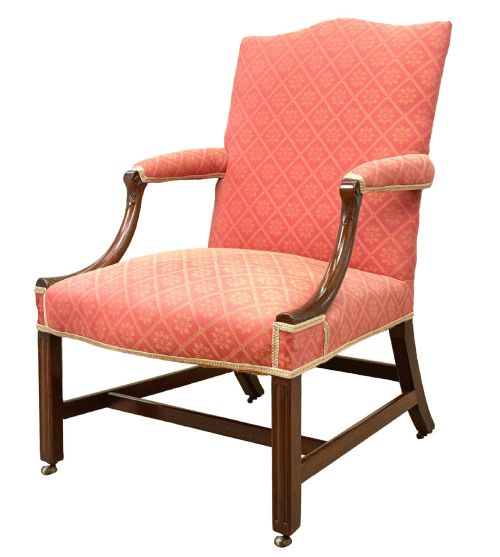
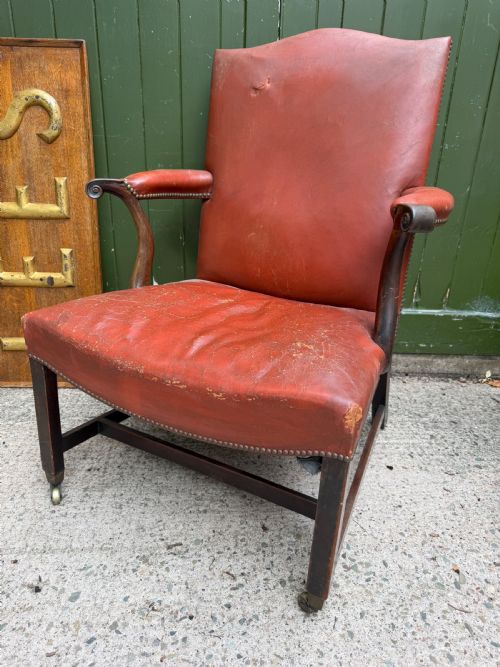
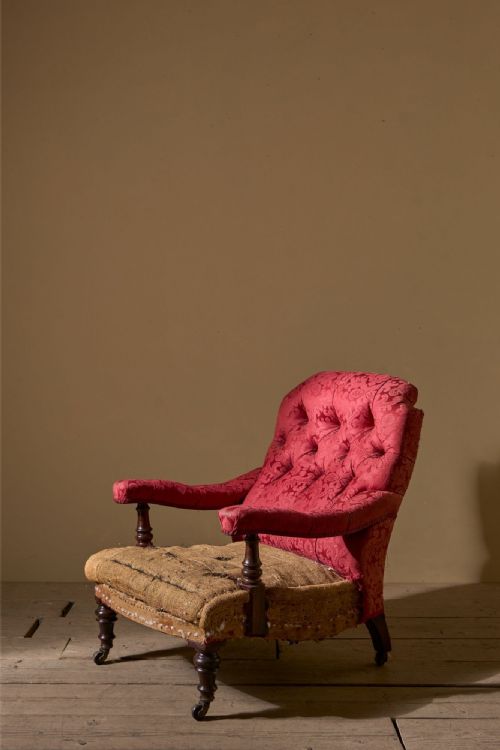
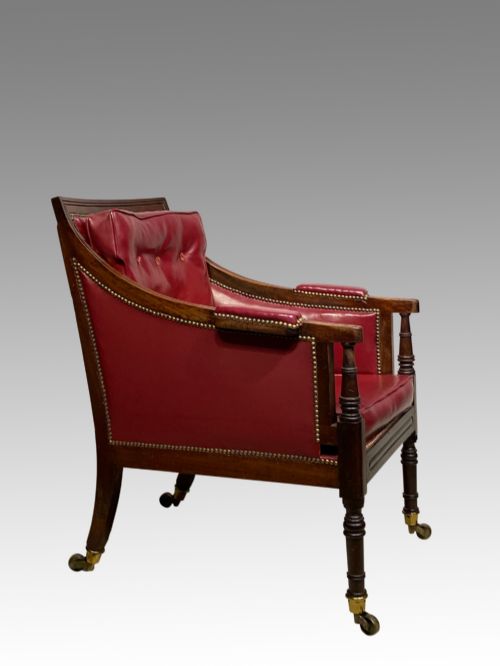
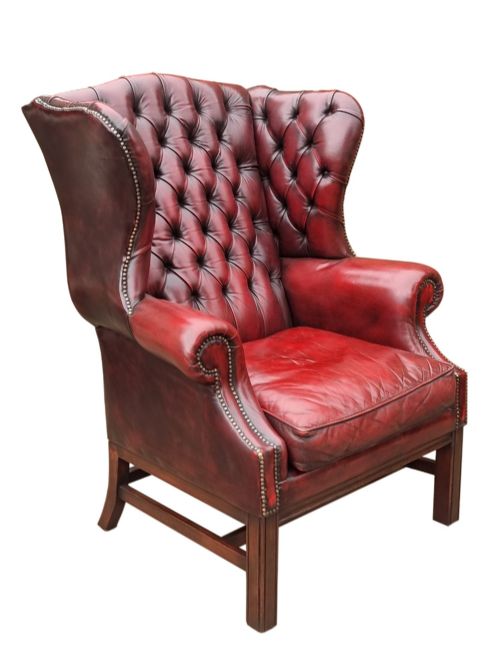
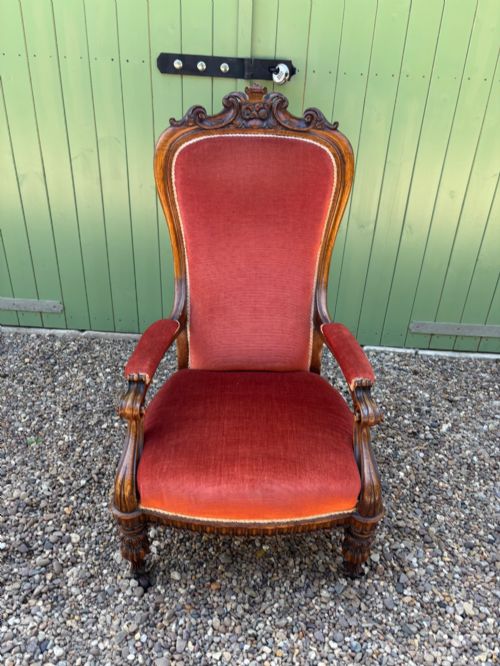
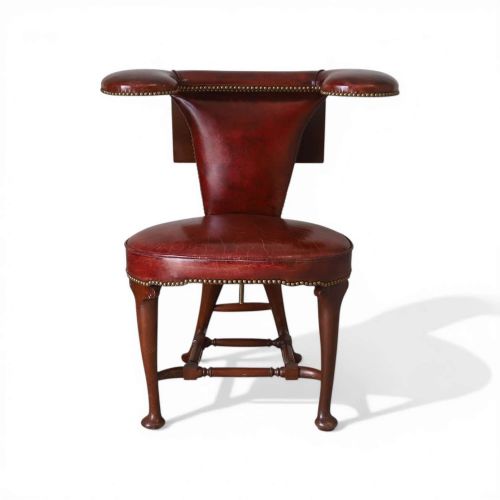
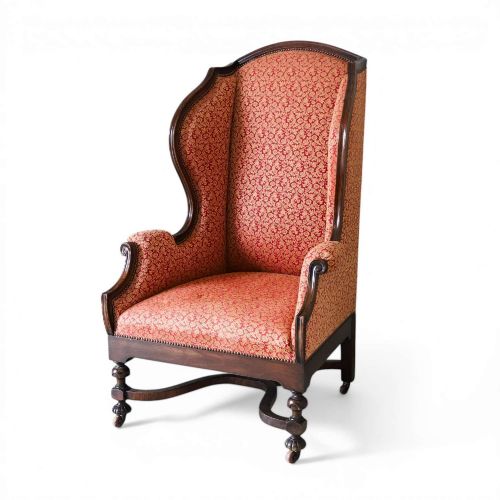
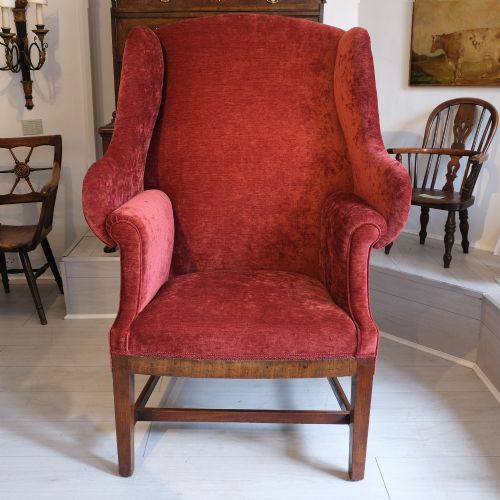
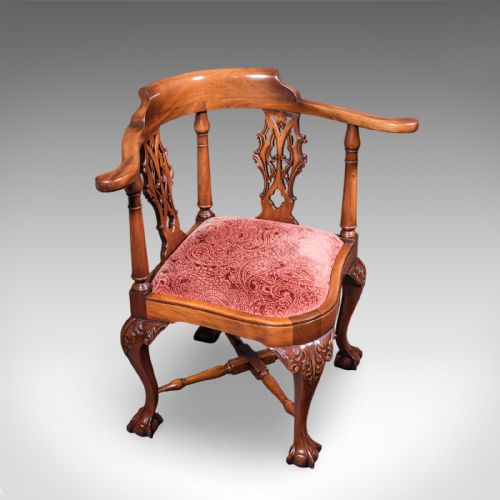
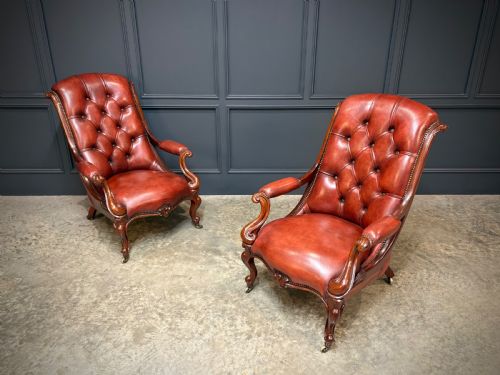
An antique red reading chair encompasses heavy library armchairs, Gainsborough designs, and low-slung desk or cockfighting seats built for long hours of study. These pieces span the 18th century through the Edwardian period, drawing on Georgian, Regency, and Victorian aesthetics.
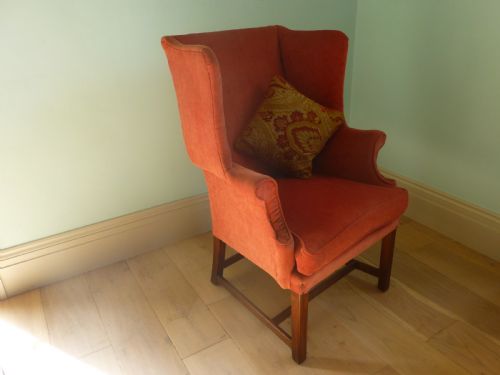
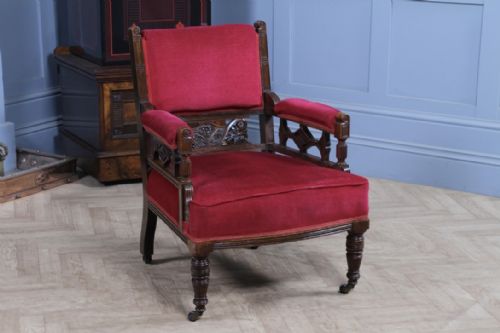
The versions most commonly met here feature mahogany or oak frames paired with red, oxblood, or burgundy leather, velvet, and fabric upholstery. They serve equally well beside a fireplace or positioned at a writing table.
Makers designed these chairs with generous proportions, supportive wings, or open elbow rests tailored to the reader. They bridge formal drawing room furniture and utilitarian library seating.
Materials and construction methods
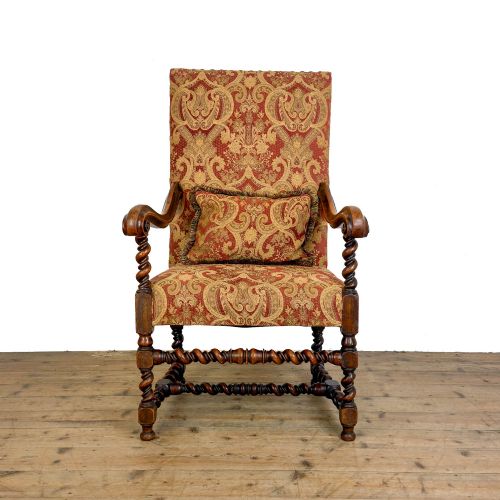
Timbers such as mahogany, oak, and walnut form the structural skeletons of these chairs, shaped into carved cabriole legs, straight reeded supports, or barley twist columns. Cabinetmakers joined the hardwood frames using traditional mortise and tenon joints to withstand heavy daily use.
Upholstery relies on traditional stuffing secured beneath hides of red leather, velvet, chenille, or linen. Brass or iron fixings appear as studwork securing the leather edges or as castors fitted to the feet.
Listings feature mahogany, oak, and walnut frames paired with red leather, velvet, and fabric across Georgian, Victorian, and Edwardian periods.
Judging quality in period seating
Quality rests upon the proportion and timber selection of the frame, where dense, figured mahogany or rich oak displays careful carving rather than hasty factory shaping. The integrity of the underlying woodwork dictates how well the chair survives centuries of sitting.
Upholstery choices and leather grade shift the character from utilitarian country house comfort to grand library formality. Original hide patination or well-chosen period replacement fabric distinguishes a considered restoration from a crude recover.
HOWARD AND SONS
The Antique Red Reading Chair Glossary
- Gainsborough chair
- A wide, upholstered armchair with an open-framed mahogany structure and low arms, designed in the 18th century for sitting at a desk or reading.
- Bergere
- An enclosed upholstered armchair with exposed wooden framing and woven cane or padded panels along the sides and back.
- Cockfighting chair
- A low, sturdy chair featuring a curved backrest designed to straddle backwards whilst leaning forward to watch a spectacle or read.
- Wingback
- An armchair with flanking side panels attached to the armrests, originally designed to shield the sitter from drafts.
- Barley twist
- A decorative turning technique resembling a spiralling rope, commonly found on 17th-century revival and Victorian chair legs.
Antique Red Reading Chair: Frequently Asked Questions
How do I date an antique reading chair?
Dating relies on combining the timber species, joinery methods, and upholstery style with prevailing period aesthetics like Georgian straight lines or Victorian buttoned leather. Secondary woods inside the frame often clarify the region and decade of manufacture.
Changes in turning styles, from early cabriole legs to later barley twists, also help pinpoint the era when the chair was built.
Where should I place a library chair?
These chairs suit studies, home libraries, and sitting rooms where their supportive backs and comfortable armrests encourage reading or writing. Pair one beside a bookcase or a writing desk for a traditional arrangement.
Ensure the chair sits away from direct heat sources to protect antique wood and leather upholstery from drying out over time.
Are red leather reading chairs authentic?
Red and oxblood leather finishes were widely used in 18th-century and 19th-century libraries, often associated with gentleman's studies and institutional reading rooms. Many pieces retain period upholstery or have received sympathetic restorations using traditional vegetable-tanned leather.
Patina, surface scuffs, and hand-finished brass studwork indicate genuine age and period craftsmanship.