






Antique Red Porcelain
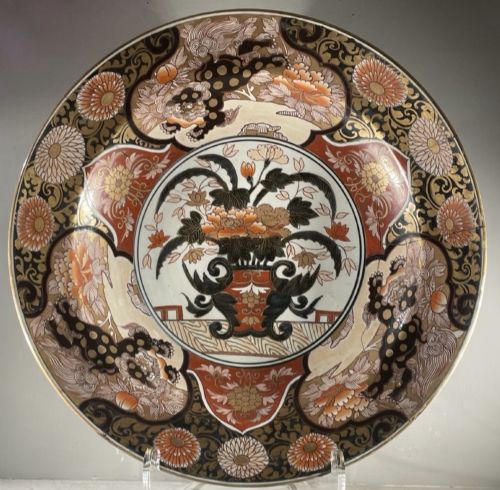
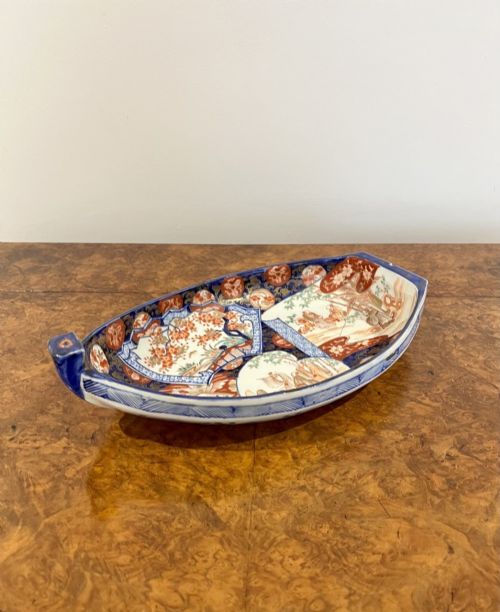
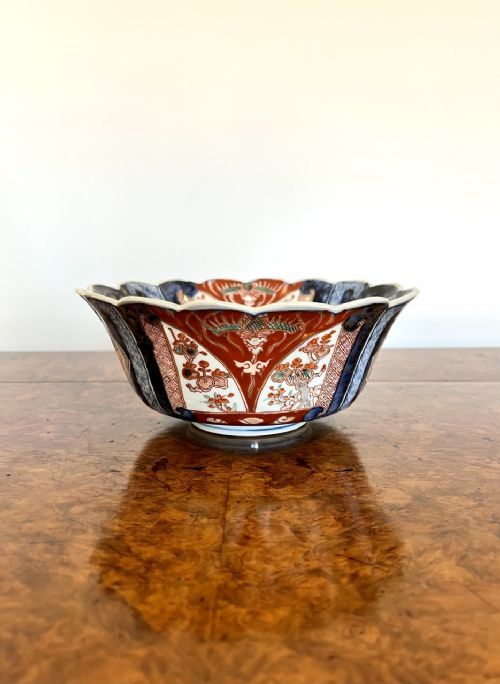
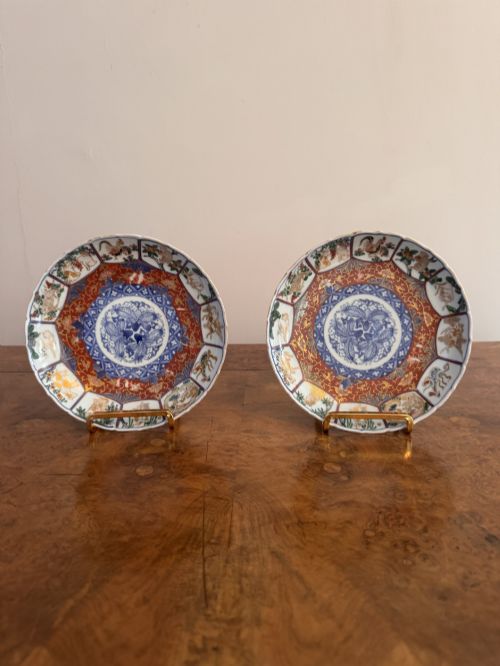
These antique red porcelain pieces range from Japanese Imari chargers to Chinese vases, bringing rich iron-red tones and historical craft into the home.
Antique Red Porcelain
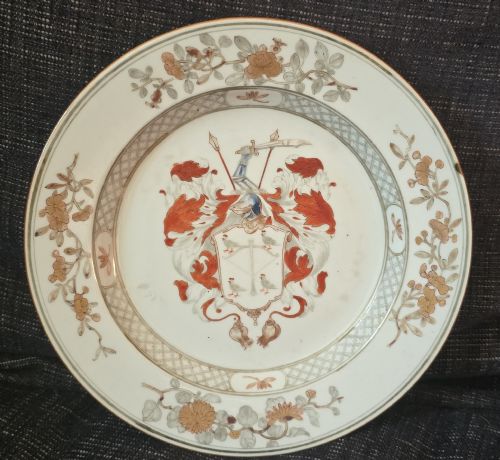
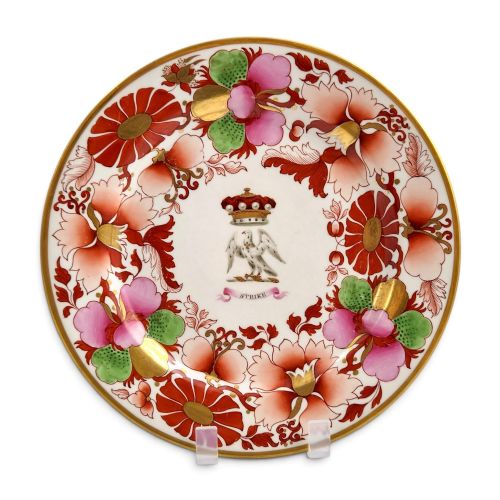
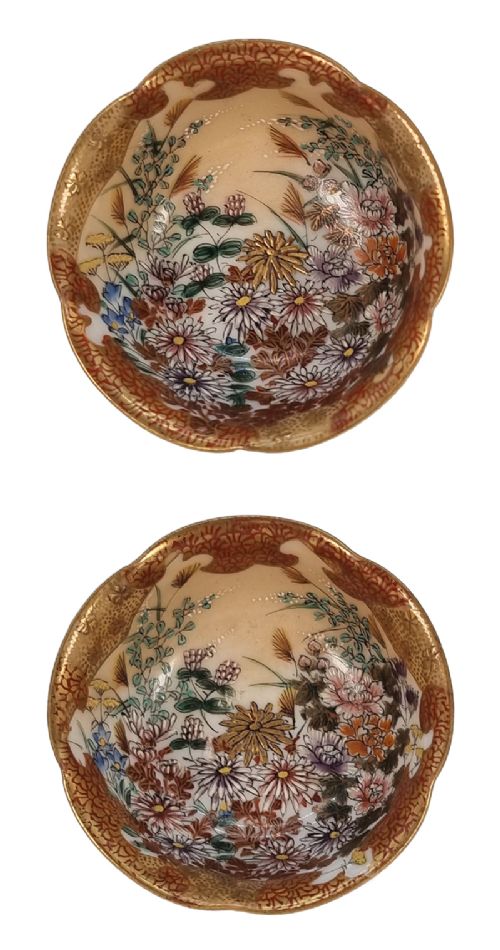
When you search for antique red porcelain, you encounter a variety of forms including decorative plates, chargers, vases, bowls, and garnitures spanning the eighteenth, nineteenth, and early twentieth centuries.
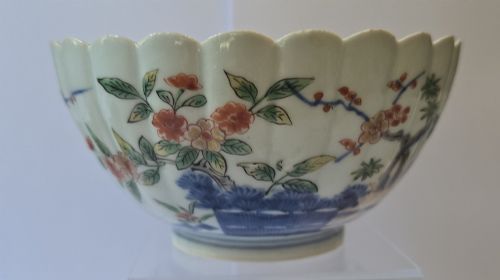
Buyers look for these objects to display traditional hand-painted motifs such as birds, dragons, and floral patterns that define the aesthetic of their respective periods.
How they were made
The creation of these pieces relies on high-fired porcelain or soft-paste bodies covered in glaze, providing a smooth white foundation for subsequent decoration.
Iron-red pigment, often combined with underglaze blue, enamel colours, and gold leaf or gilding, is hand-painted onto the surface before being fired again to fix the colours.
Antique Red Porcelain Retail Price Guide 2026
Typical asking prices for red porcelain among the pieces listed under this phrase on Sellingantiques today, from the lower quarter to the upper quarter. They describe what is for sale here now, not the wider market.
Listings span multiple eras from the eighteenth century through to the 1930s, incorporating porcelain, enamel, glaze, and gold leaf.
What varies in quality
The standard of painting determines much of the distinction, separating neatly executed brushwork and intricate detailing from simpler, mass-produced decorative applications.
The crispness of the porcelain moulding, the richness of the iron-red pigment, and the careful placement of gold leaf dictate the visual depth of each vessel.
Royal Crown Derby·Shozo
The Antique Red Porcelain Glossary
- Imari
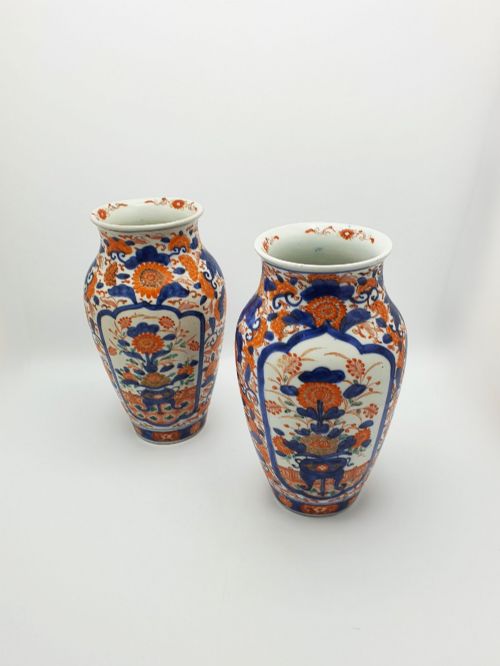
- A style of Japanese porcelain featuring a palette of iron-red, underglaze blue, and gold. This decorative scheme originated in Arita and was widely exported to Europe.
- Kutani
- A style of Japanese coloured porcelain typically characterised by vibrant iron-red and gold designs depicting figures, birds, and natural scenery. These pieces often bear artist signatures on the base.
- Iron-red
- A brick-red or rust-coloured pigment derived from iron oxide, used widely in Asian and European ceramics for overglaze painting. It remains stable at high temperatures.
- Gilding
- The application of gold leaf or gold powder onto the ceramic surface to highlight borders, motifs, and handles. This technique adds considerable opulence to the finished object.
- Garniture
- A set of matching vases or vessels designed to be displayed together on a mantelpiece or cabinet. These sets usually consist of three or five graduated pieces.
Antique Red Porcelain: Frequently Asked Questions
How do I care for antique red porcelain?
Wash these pieces gently by hand using lukewarm water and mild soap. Avoid putting them in the dishwasher or using abrasive sponges that might scratch the delicate overglaze enamel and gold leaf.
Display them away from direct sunlight to preserve the vibrancy of the iron-red pigments. Ensure they are placed on stable surfaces where they will not be knocked over.
What is the difference between Imari and Kutani?
Imari porcelain traditionally combines underglaze cobalt blue with iron-red and gold, often arranged in intricate geometric and floral panels. The style emerged from Japanese export kilns and focuses on balanced symmetry.
Kutani wares, by contrast, rely less on blue and more on a bold palette dominated by rich iron-red and gold, frequently depicting detailed pictorial scenes with birds, figures, and landscapes.
How can I tell the age of a piece?
Examine the foot ring, the quality of the glaze, and the wear patterns on the base. Eighteenth-century and nineteenth-century pieces often show subtle firing imperfections and characteristic hand-painted marks rather than modern printed stamps.
Contextual clues such as the specific shade of iron-red, the weight of the porcelain body, and stylistic motifs help align the object with periods like the Meiji era or the Kangxi reign.
Were these pieces made for export?
Many of the Imari and Chinese porcelain pieces created during the seventeenth, eighteenth, and nineteenth centuries were specifically produced for the European export market. European tastes influenced the scale and shapes of these decorative plates and vases.
As a result, these objects blend traditional Eastern ceramic techniques with forms that appealed to Western collectors, such as large chargers and garniture sets.