

Antique Red Furniture
These pieces of antique red furniture bring rich colour and depth to an interior through centuries of painted surfaces, polished mahogany, and stained woods.
Antique Red Furniture
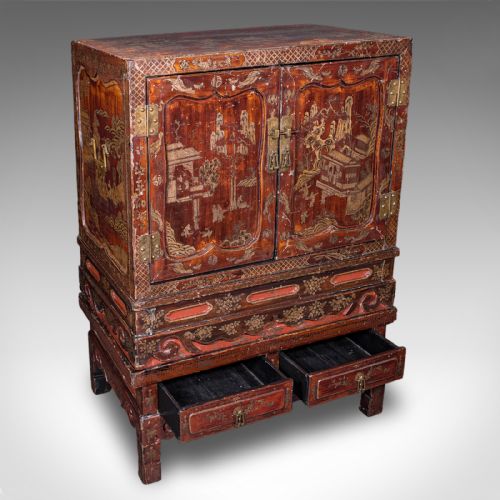
When you search for antique red furniture, you encounter a diverse group of objects spanning the seventeenth century through to the twentieth century. The selection ranges from robust European oak and mahogany pieces with subtle red tones to vivid Asian lacquered cabinets and marriage chests.
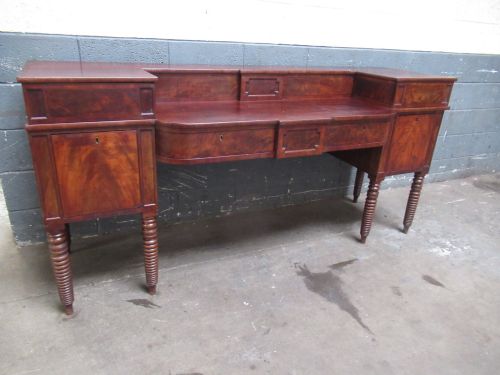
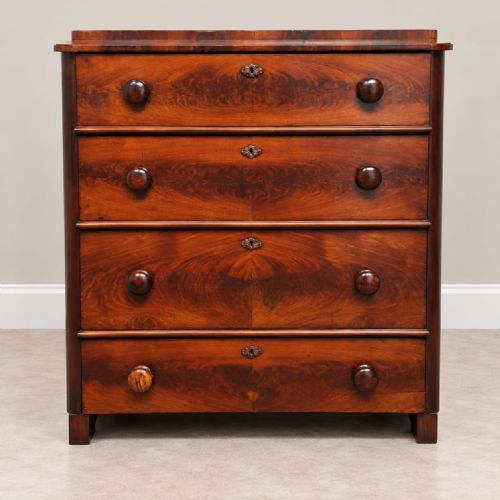
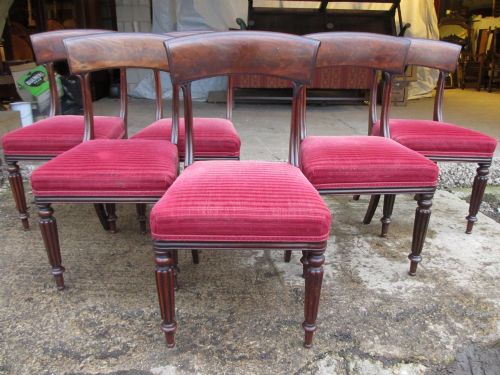
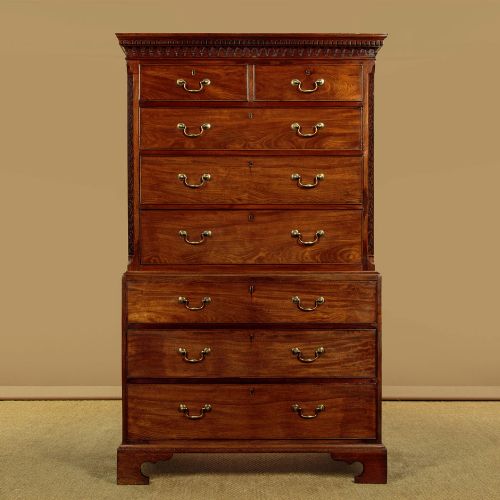
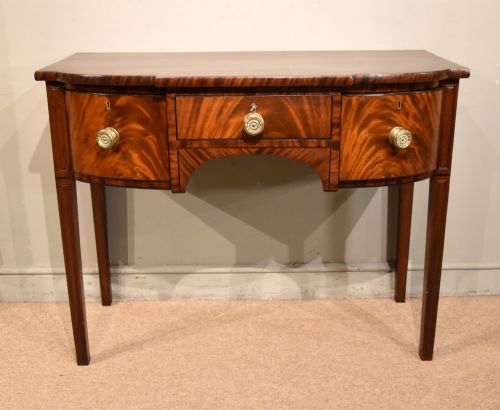
You are most likely to meet Victorian and nineteenth-century examples alongside earlier Georgian items and pieces created in the Chinoiserie and Arts and Crafts styles. Forms vary widely, taking in chests of drawers, dining chairs, sideboards, cabinets, and writing desks.
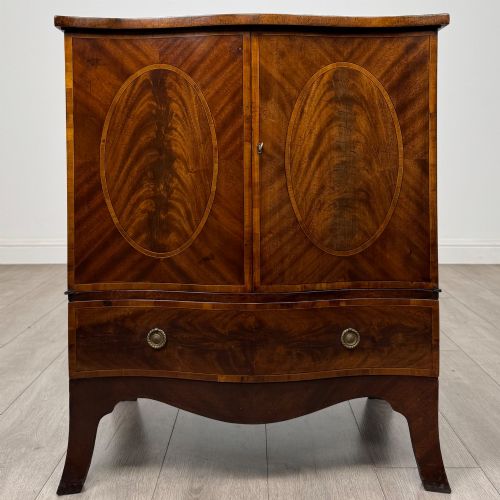
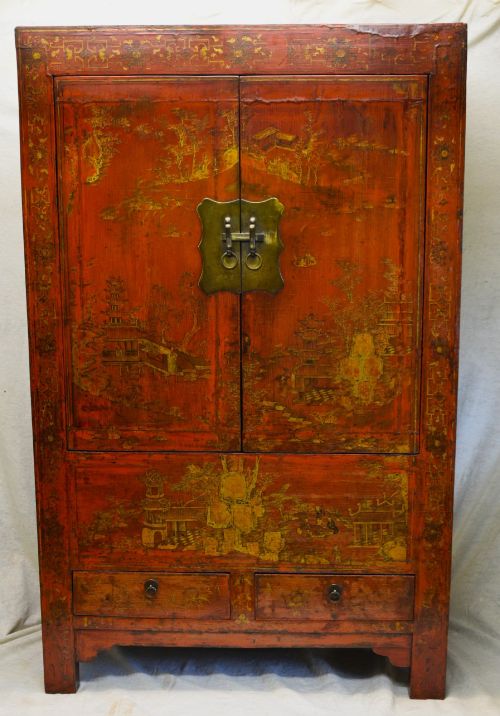
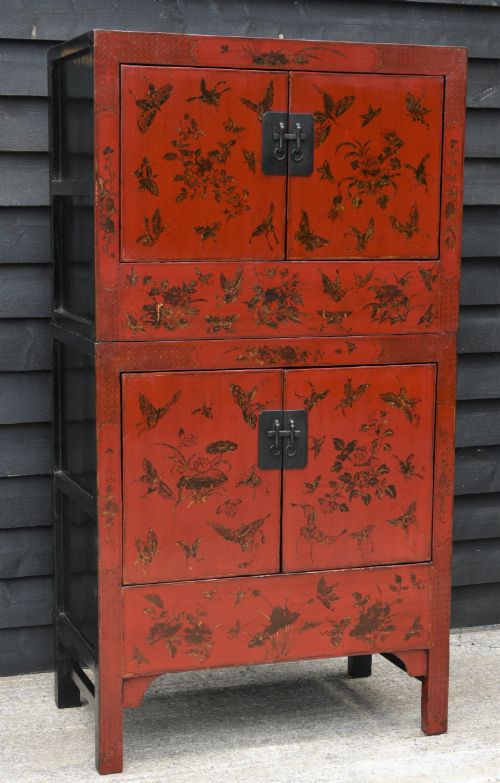
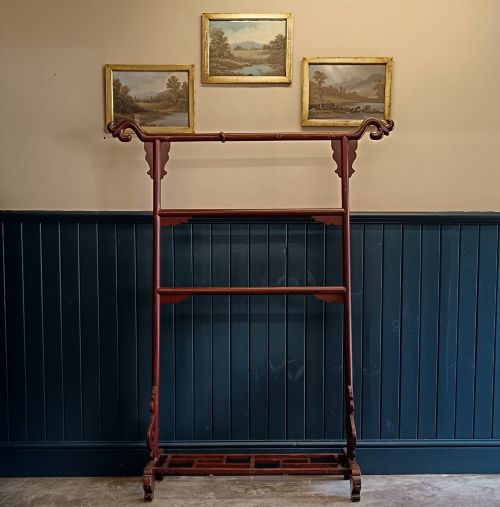
The category encompasses both European timber showing natural red hues, such as red walnut and flame mahogany, and overtly painted or lacquered items. Spanish polychrome cupboards, Chinese wedding cabinets, and red-lacquered clothes racks all share space in this distinct grouping.
How They Were Made
Cabinet makers utilised dense hardwoods such as mahogany, oak, rosewood, and pine as foundational structures for these items. Timber was often polished to reveal deep natural red undertones or prepared carefully to receive layers of lacquer and paint.
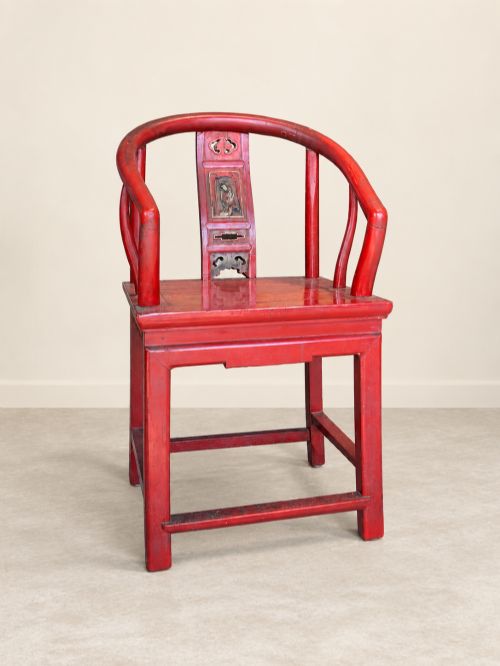
Asian workshops applied successive coats of red lacquer to wooden cores to create durable, lustrous finishes often decorated with contrasting motifs. European makers employed polychrome paint techniques, hand-applied glazes, and brass hardware to complement the striking red surfaces.
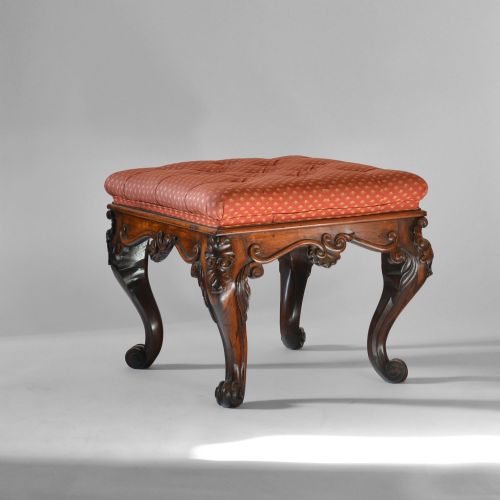
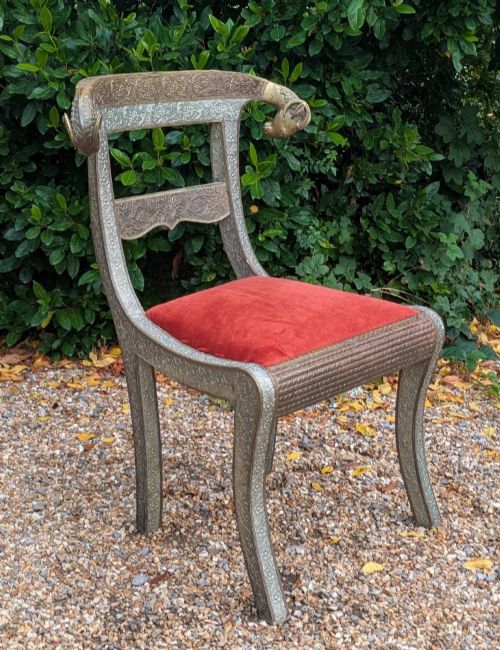
Upholstered seating and screens relied on traditional stuffing methods combined with textiles like leather, fabric, and needlepoint. Joinery techniques varied from traditional dovetailing in drawers to pegged frames on earlier country furniture.
The listings span the 17th, 18th, 19th, and 20th centuries, featuring materials like mahogany, brass, lacquer, wood, leather, fabric, pine, and glass.
What Varies in Quality
The standard of an antique red furniture piece rests upon the integrity of its surface finish and the skill of its construction. Original lacquer, undisturbed polychrome paintwork, and well-maintained mahogany patination command stronger interest than heavily restored or later painted surfaces.
Structural execution sets finer pieces apart from simpler utility items, evident in the tightness of dovetail joints, the weight of brass inlay, and the stability of frames. Maker attribution and regional origin also influence the distinction between standard workshop output and exceptional craftsmanship.
George Edmund Street·Holland and Sons
The Antique Red Furniture Glossary
- Chinoiserie
- European decorative style inspired by Chinese artistic traditions, popular in furniture decoration. It frequently employs lacquered finishes and gilt motifs.
- Polychrome
- Painted in several colours, often seen on European cupboards and housekeepers' furniture from earlier centuries. This technique adds vibrant pigment directly to wood.
- Lacquer
- A durable resin finish applied in multiple layers, characteristic of Asian cabinets and marriage chests. It creates a smooth, glossy surface resistant to wear.
- Wellington chest
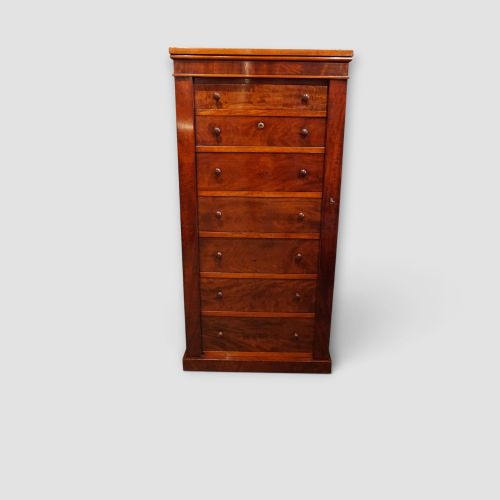
- A tall, narrow chest of drawers secured by a hinged vertical locking flap on one side. This Victorian form protected the contents from unauthorised access.
- Drop leaf table
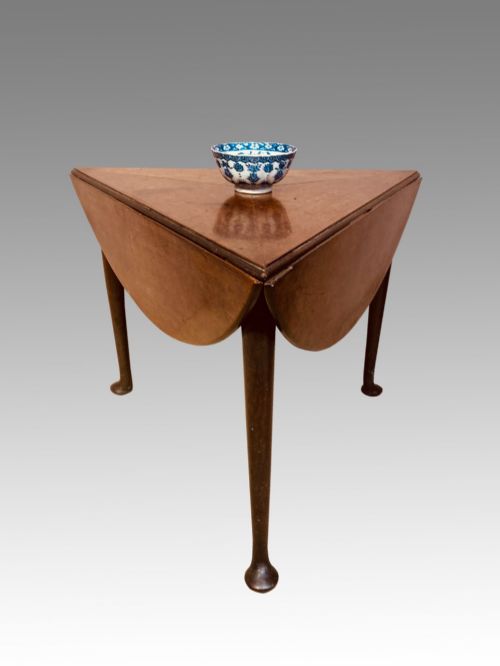
- A table with hinged flaps on either side that can be folded down to save space. Red walnut examples date back to the eighteenth century.
Antique Red Furniture: Frequently Asked Questions
How do I care for red lacquered furniture?
Keep lacquered surfaces away from direct sunlight and extreme humidity changes to prevent cracking. Dust gently with a dry microfibre cloth and avoid modern chemical polishes.
Wax should not be applied to traditional lacquer finishes as it damages the sensitive resin surface over time. Professional conservation is recommended for any significant surface chips.
What is the difference between Chinoiserie and traditional Chinese pieces?
Chinoiserie describes European items made in imitation of Asian design styles, often produced during the Georgian and Victorian eras. These pieces reflect European interpretations of Eastern motifs.
Authentic Chinese pieces, such as wedding cabinets or clothes racks, were made within Asian workshops for domestic use. They exhibit traditional construction methods and regional decorative vernacular.
Where were red lacquered wedding cabinets used?
These large cabinets originated in China, where families used them to store textiles, garments, and valuables as part of a bride's dowry. Their bright red lacquer symbolised good fortune and joy.
They stood in the main rooms of traditional homes, functioning as both storage and decorative display. Today, they serve as prominent focal storage pieces in modern interiors.