

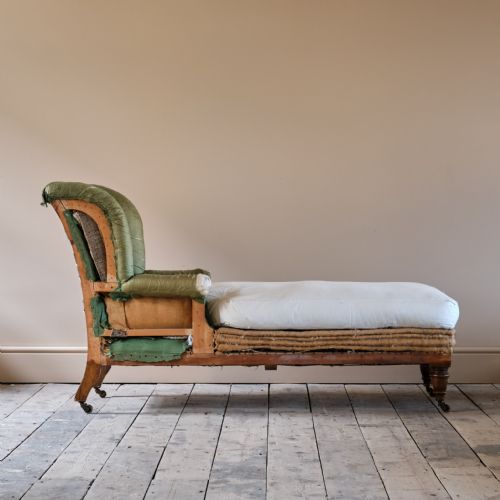
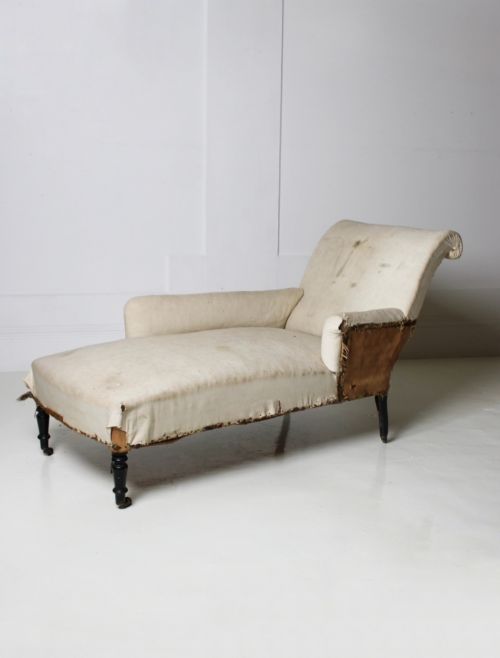


Antique Reclining Lounge
An antique reclining lounge offers deep rest, combining nineteenth-century craftsmanship with adjustable comfort.
Antique Reclining Lounge
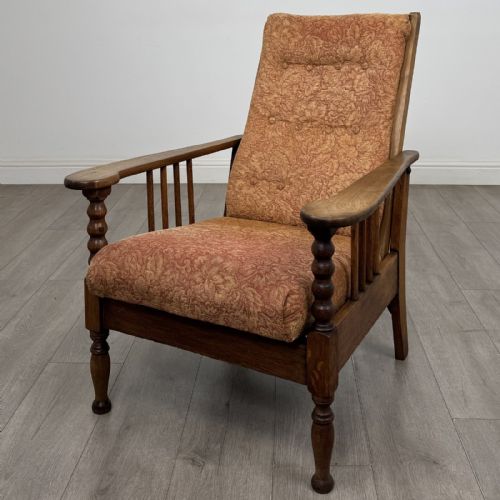
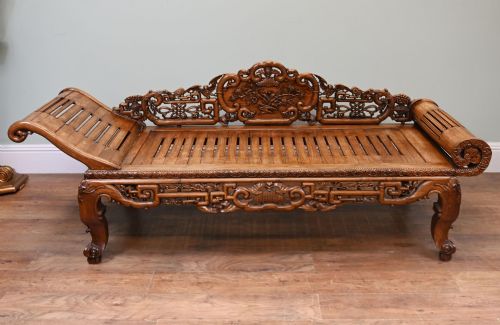
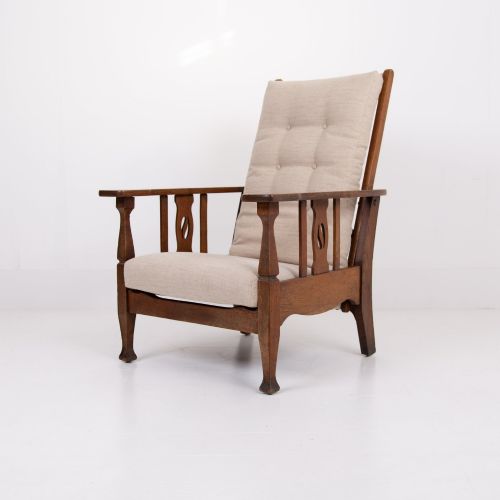
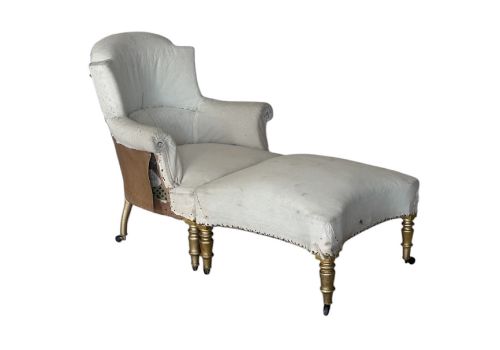
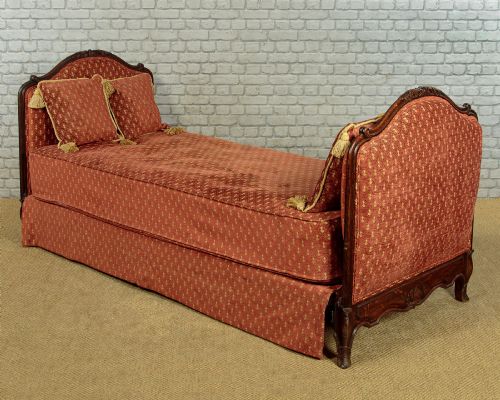
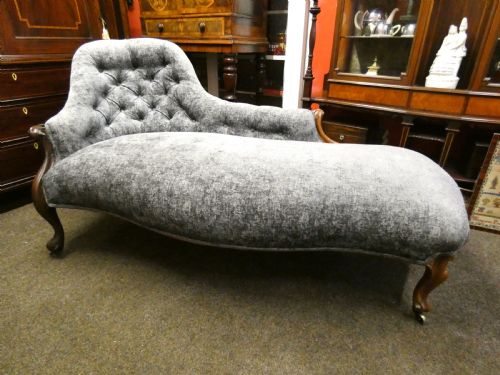
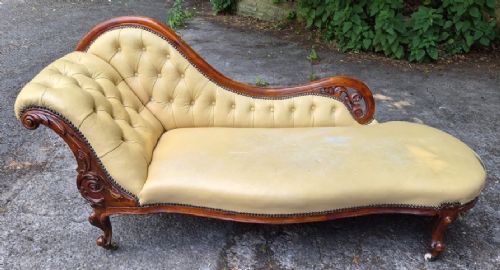
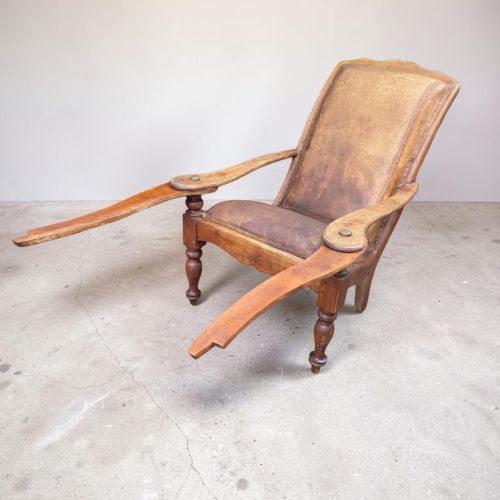
When searching for an antique reclining lounge, buyers encounter a diverse selection of nineteenth-century seating, including Victorian chaise longues, daybeds, and adjustable campaign chairs. These pieces originate from various design traditions, ranging from Arts and Crafts oak armchairs to Anglo-Indian colonial planter's chairs.
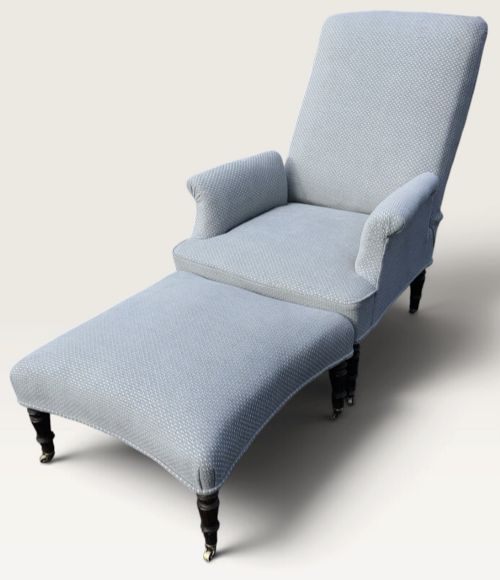
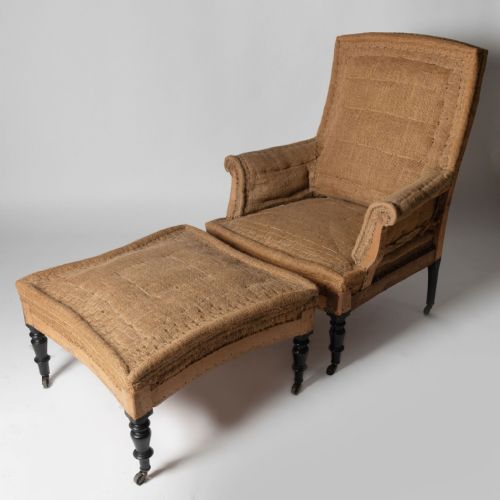
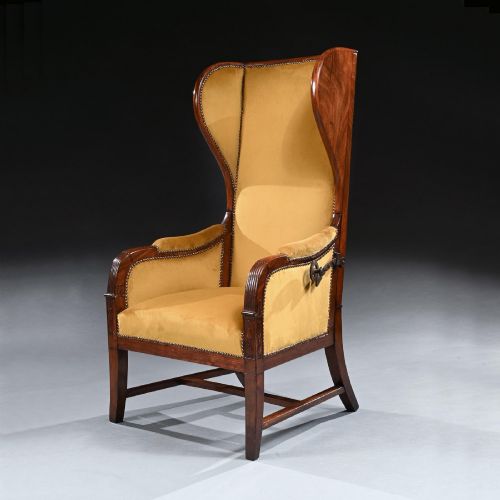
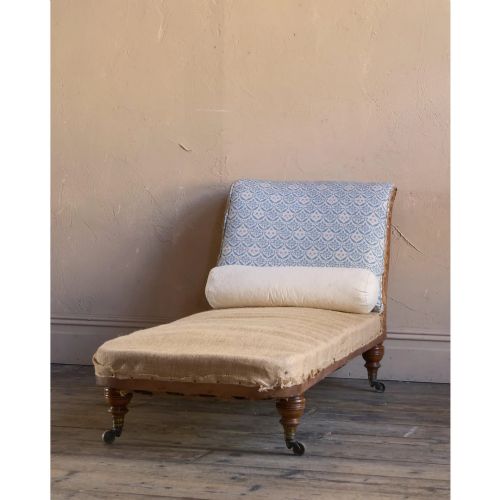
The most common forms on this page span the Victorian era, the Edwardian period, and the Regency style, encompassing both British domestic seating and colonial imports. Shoppers frequently find daybeds, armchairs with extending arms, and reclining lounge seats designed for versatile rest.
Makers and workshops of the period, such as Howard and Sons, Heals of London, and H. Goodall and Sons, contributed notable examples to this category. Their work sits alongside French provincial daybeds and Chinese hardwood opium benches from the Qing Dynasty.
Materials and construction
Makers utilised solid timbers such as mahogany, oak, teak, walnut, and rosewood to build the structural frames of these lounges. Caning, cane panels, and bergère work appear frequently in campaign and planter's styles for breathability.
Upholstery materials include traditional leather, fabric, and velvet, often supported by turned legs and original castors. Brass fittings and adjustable ratchets enable the metamorphic movement found in campaign chairs and reclining armchairs.
Antique Reclining Lounge Retail Price Guide 2026
Typical asking prices for reclining lounge among the pieces listed under this phrase on Sellingantiques today, from the lower quarter to the upper quarter. They describe what is for sale here now, not the wider market.
Listings feature nineteenth-century seating constructed from mahogany, teak, oak, rosewood, and walnut, paired with leather, cane, and velvet upholstery.
Assessment of quality
Quality in these lounges depends on the integrity of the timber frame and the precision of the mechanical adjustment mechanisms. Pieces retaining original castors, unaltered leather, and sound framing command greater appreciation among collectors.
The execution of carved details, such as the mahogany framing on Victorian chaises or the woodwork on Arts and Crafts chairs, dictates distinction. Attribution to notable makers like Howard and Sons elevates a piece above standard country house furniture.
Howard and Sons·Heals of London·H. Goodall and Sons·J. Herbert McNair
The Antique Reclining Lounge Glossary
- Planter's chair
- A colonial armchair featuring extended arms designed for resting one's legs. These chairs often incorporate teak or rosewood and cane panels.
- Campaign chair
- A portable, folding or adjustable chair designed for military officers on campaign. They often utilise brass hardware and collapsible frames.
- Bergère
- A type of enclosed upholstered armchair with wooden framing and cane sides or back. It provides light, airy seating popular in nineteenth-century designs.
- Metamorphic armchair
- A piece of seating furniture engineered to transform into a bed, lounge, or chair via mechanical adjustments. These utilise hinges, ratchets, and brass mechanisms.
Antique Reclining Lounge: Frequently Asked Questions
How do adjustable reclining lounges work?
Many nineteenth-century reclining chairs utilise mechanical ratchets or extending arms to alter the angle of the backrest. These brass and wood mechanisms allow the user to shift the seat from an upright position to a laid-back rest.
Campaign styles and colonial planter's chairs often feature folding components or pull-out foot rests designed for portability and extended lounging.
What is the difference between a daybed and a chaise longue?
A daybed provides a long, flat surface intended for daytime sleeping or resting, often with low ends or a partial back. They appear in styles ranging from Regency campaign pieces to Victorian upholstered frames.
A chaise longue combines an armchair with a seated extension, featuring a raised backrest at one end for semi-reclining. Nineteenth-century examples often display carved mahogany or walnut frames.
Where were colonial planter's chairs used?
Planter's chairs were manufactured in regions such as India for British residents requiring relief from tropical climates. The inclusion of cane panels and extending armrests permitted air circulation around the sitter.
Cabinetmakers utilised dense timbers like teak and rosewood to construct these durable chairs, which survive in British collections today.
How should I care for antique leather upholstery?
Victorian and Regency leather requires gentle cleaning with appropriate conditioning products to maintain suppleness. Avoid placing antique hides near direct heat sources or strong sunlight to prevent drying.
Preserving the original leather on pieces by makers such as Howard and Sons maintains the historical integrity of the lounge.