


Antique Reception Chairs
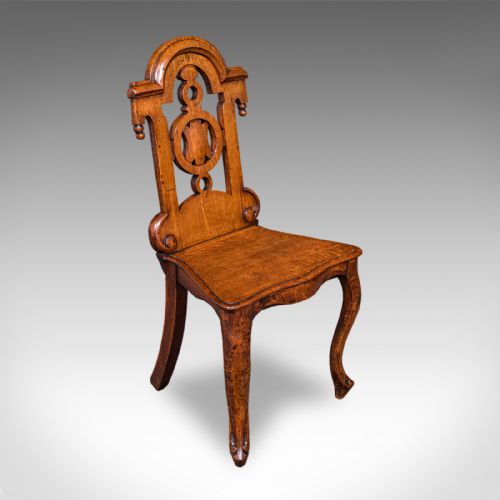
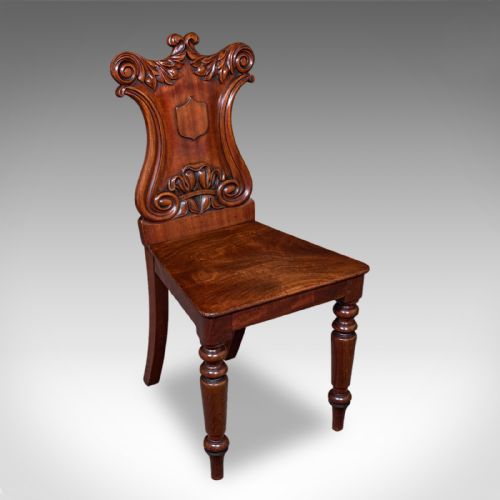
Antique reception chairs are formal seating pieces designed for entrance halls and morning rooms, offering visitors a first impression of a home's interior style.
Antique Reception Chairs
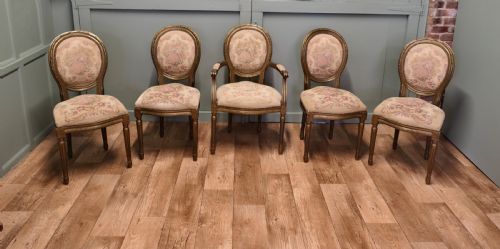
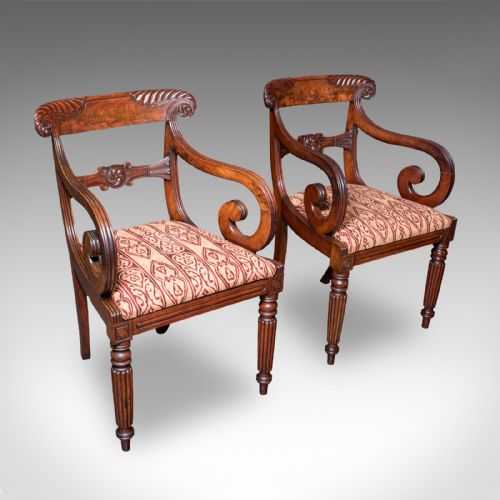
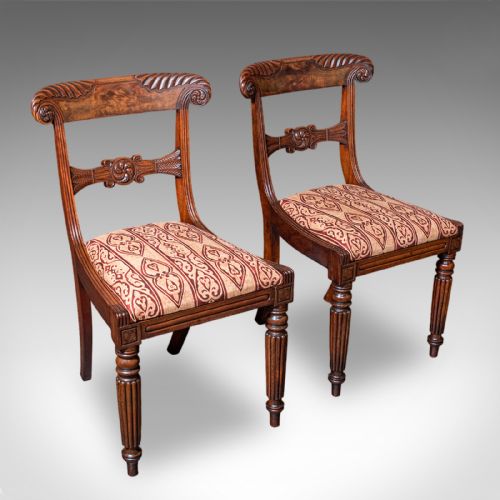
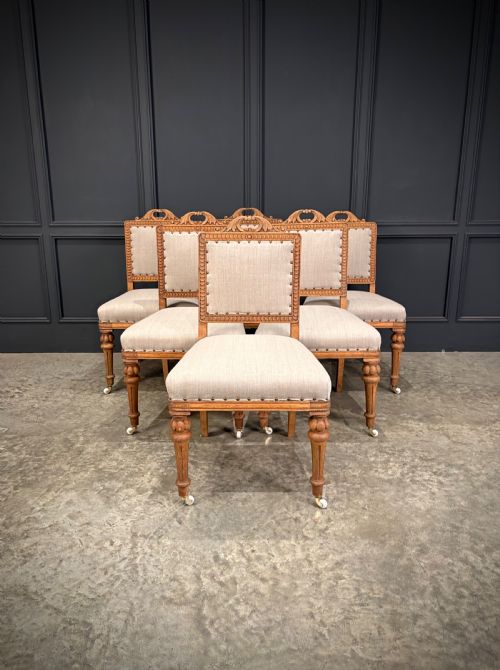
Antique reception chairs encompass a diverse group of seating forms used in hallways, salons, and morning rooms, including hall chairs, armchairs, side chairs, and multi-piece suites.
The versions most commonly met on this page span the Victorian and Edwardian eras, alongside Regency and William IV examples, utilising woods like mahogany, oak, walnut, beech, and rosewood.
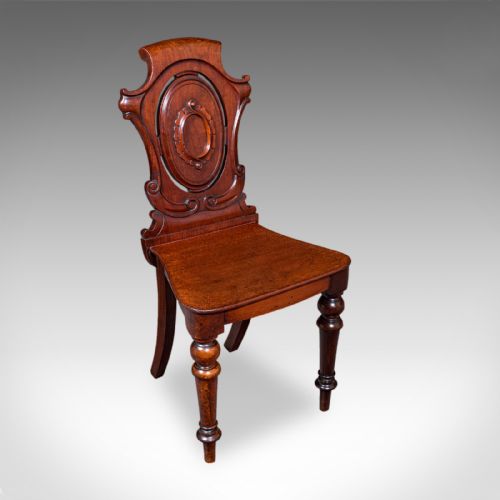
Originating from English, Scottish, and French workshops, these pieces range from austere wooden hall chairs with shield backs to gilded salon chairs and upholstered parlour suites.
How they were made
Cabinetmakers utilised dense hardwoods such as mahogany, oak, walnut, and beech to construct robust frames, often employing traditional joinery and carved details.
Decorative surfaces frequently incorporate marquetry, inlay, and giltwood finishes, whilst many forms feature tailored fabric upholstery or cane panels for comfort.
Antique Reception Chairs Retail Price Guide 2026
Typical asking prices for reception chairs among the pieces listed under this phrase on Sellingantiques today, from the lower quarter to the upper quarter. They describe what is for sale here now, not the wider market.
Some Victorian hall chairs doubled as discreet calling card holders for visiting guests.
What varies in quality
The standard of carving and the crispness of applied detail distinguish finer pieces from simpler utilitarian seating, particularly on shield backs and parlour suites.
The choice of primary timber and the integrity of original frames, whether in solid mahogany, walnut, or giltwood, define the upper tier of the range.
The Antique Reception Chairs Glossary
- Hall Chair
- A rigid wooden seat traditionally placed in an entrance hall, often featuring a carved or painted family crest on the back.
- Salon Chair
- A lightweight decorative seat designed for formal reception rooms, frequently finished in giltwood or fine upholstery.
- Marquetry
- The art of applying decorative veneer pieces in wood to form geometric patterns or pictorial designs.
- Giltwood
- Timber coated with a thin layer of gold leaf or gesso, commonly seen on French salon furniture.
- Elbow Chair
- An armchair with short arms, frequently utilised in morning rooms and reception spaces.
Antique Reception Chairs: Frequently Asked Questions
What is an antique reception chair?
Antique reception chairs are historic seating pieces built for public rooms, hallways, and entrance spaces.
They include sturdy wooden hall chairs as well as upholstered salon armchairs and matching suites.
Where were reception chairs placed?
These chairs stood in entrance halls, morning rooms, and formal reception spaces to seat visitors.
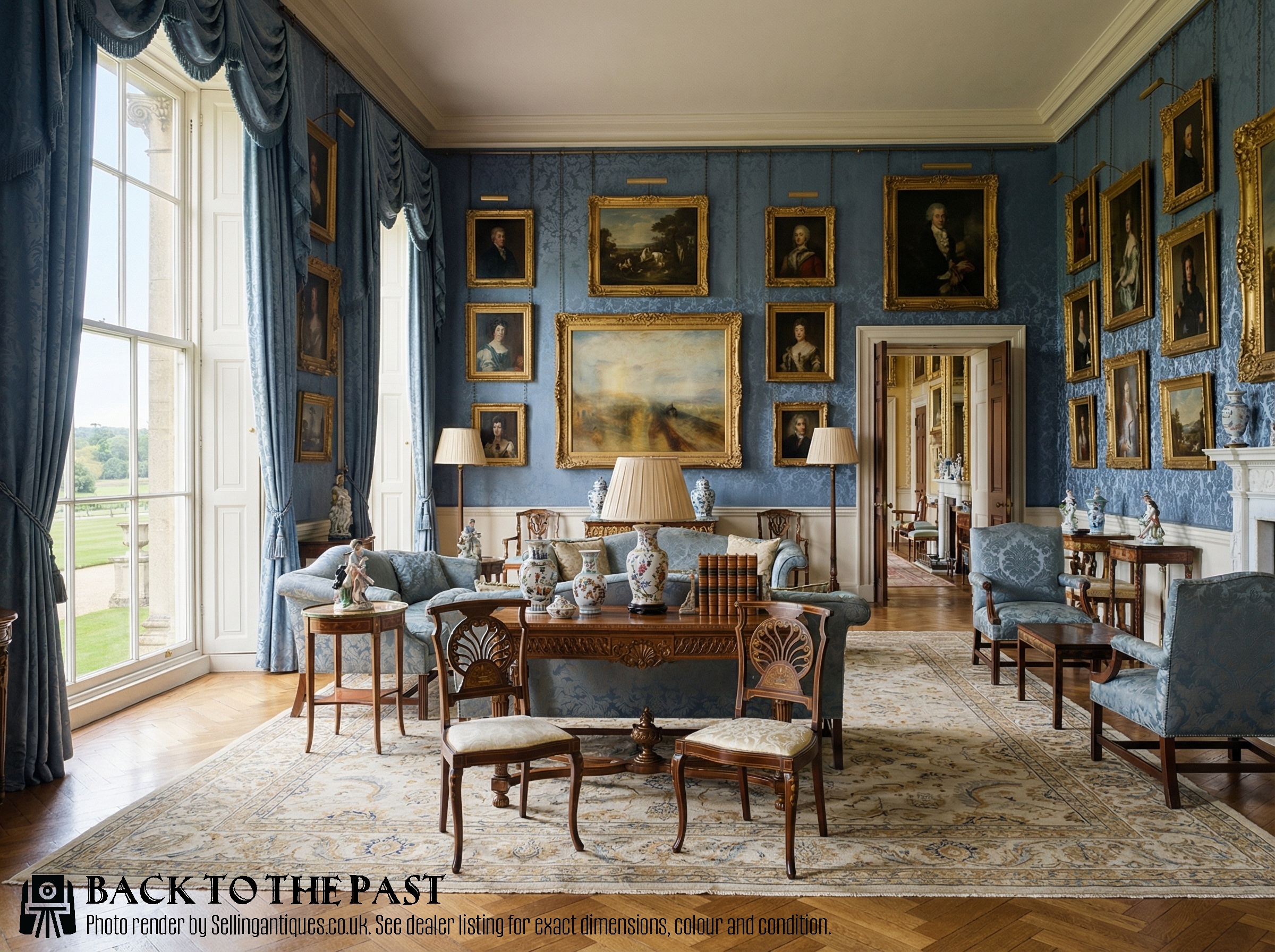
Pairs or full suites were often arranged around the perimeter of the room rather than clustered centrally.
How do I identify Victorian reception chairs?
Victorian examples frequently display robust mahogany, walnut, or oak construction with carved wooden backs or upholstered seats.
Look for stylistic clues such as Gothic Revival motifs or Aesthetic Movement designs within the woodwork.
Can I use antique hall chairs daily?
Most wooden hall chairs are solidly built from dense hardwoods like oak or beech and handle regular use well.
Upholstered salon chairs require more careful placement depending on the condition of the fabric and internal padding.
What woods were used for these chairs?
Cabinetmakers utilised a variety of timbers including mahogany, walnut, oak, beech, elm, and rosewood.
Giltwood frames and inlaid veneers also appear frequently on formal French and English salon seats.