


Antique Reading Glasses
Antique reading glasses span handheld silver magnifiers and adjustable brass desk lamps from the Victorian, Edwardian, and Art Deco periods.
Antique Reading Glasses
When you search for antique reading glasses, you encounter a mix of optical aids, library lamps, and desk accessories designed to assist the reader. The material evidence shows that items carrying this description range from sterling silver pocket lenses and folding lorgnettes to large brass angle-poise magnifiers and adjustable reading lights.
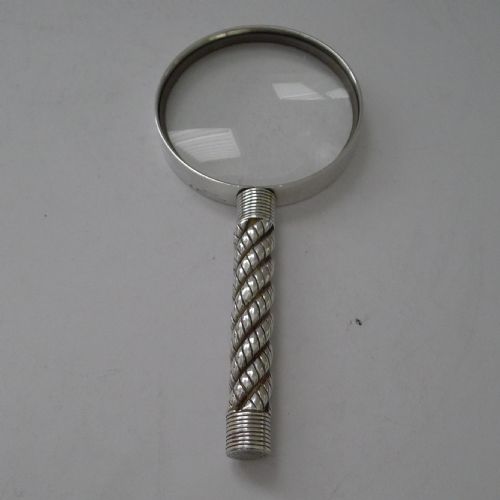
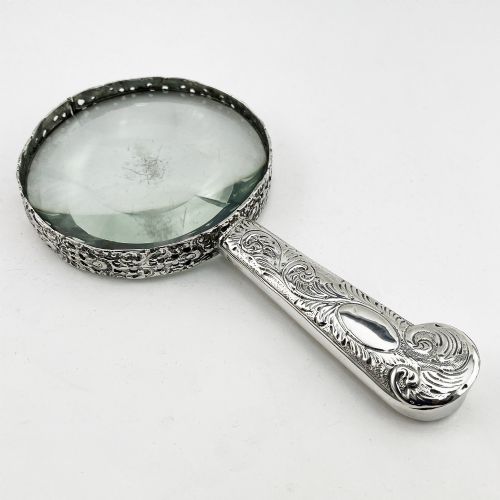
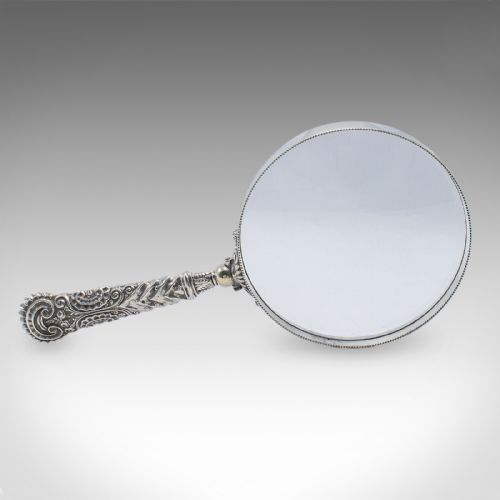
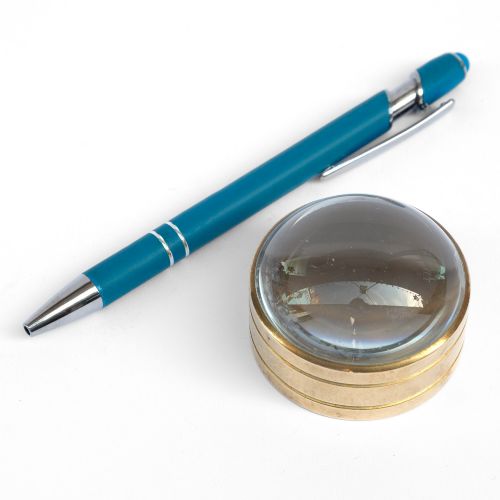
The version most commonly met on this page is the handheld magnifying glass with a sterling silver or silver-plated handle, alongside desk-mounted bullseye lenses and heavy brass lamps. These objects originate primarily from the nineteenth and early twentieth centuries, encompassing Victorian, Edwardian, Art Deco, and mid-century styles.
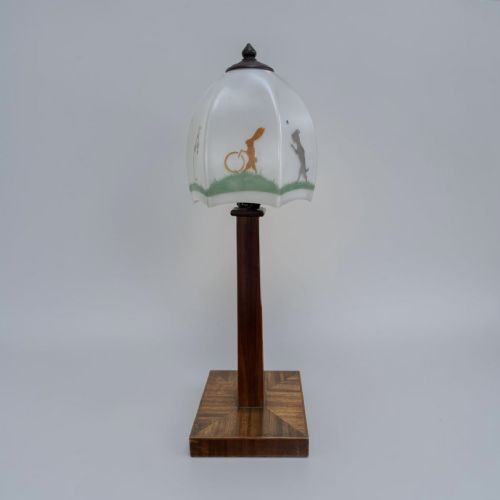
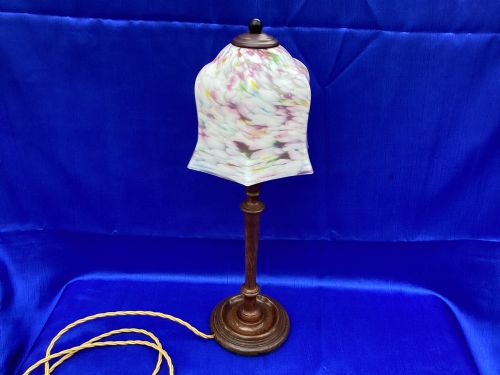
Pieces span multiple categories of utility, incorporating items intended for a library desk, a bedside table, or personal use in hand. The selection bridges the gap between functional optics and domestic illumination, reflecting how Victorians and later generations lit their texts and magnified small print.
How they were made
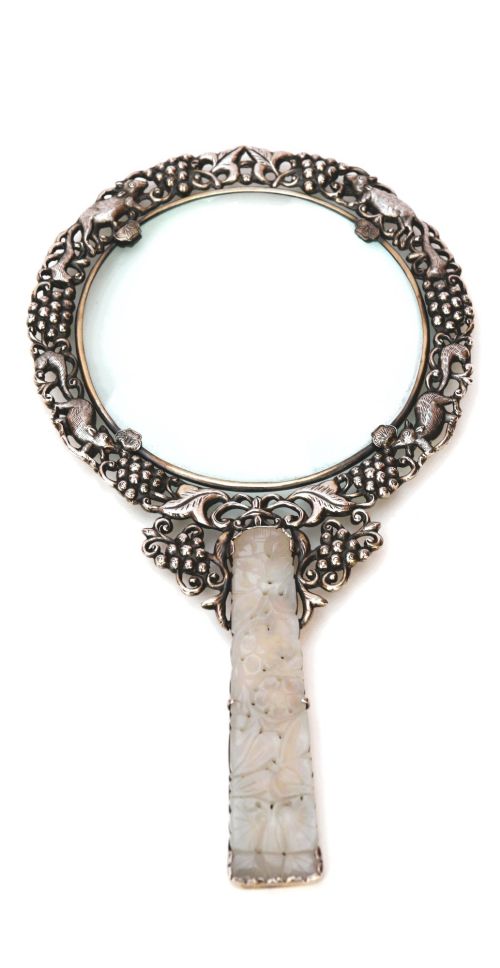
Makers utilised metals such as brass, bronze, copper, chrome, and sterling silver alongside optical glass and opaline glass. Handles and mounts frequently feature stamped hallmarks, guilloche enamel, shagreen, carved jade, or mahogany, showing a combination of metalworking and decorative arts.
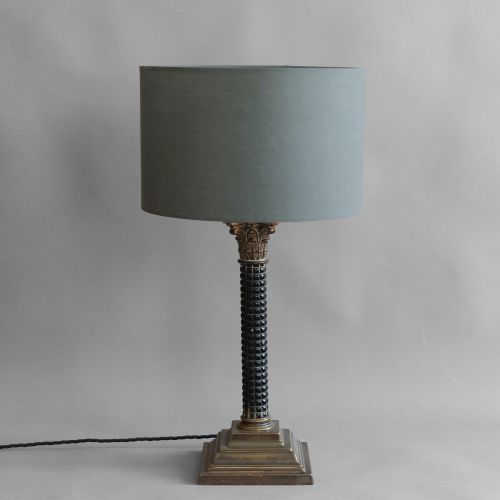
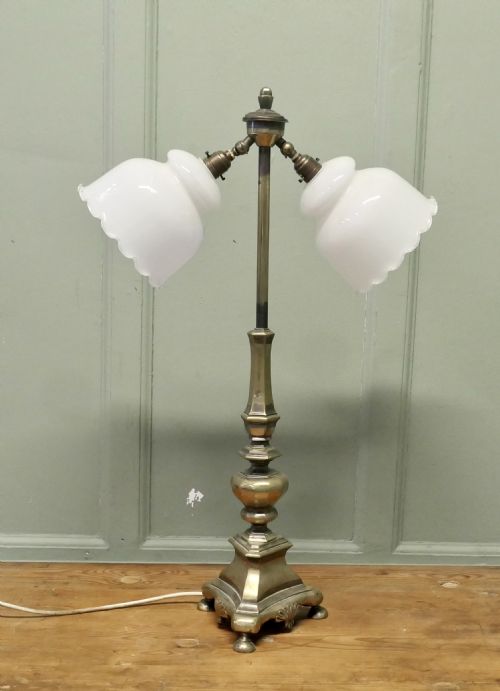
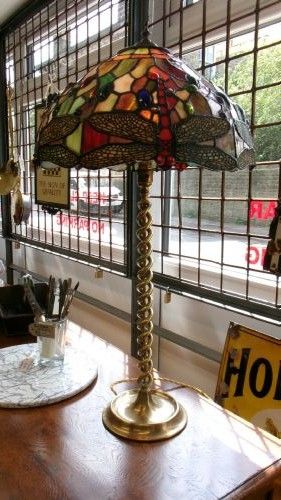
Lighting apparatuses and stands incorporate heavy cast brass bases, twin angled joints, and swivelling swan necks to direct illumination. Magnifying lenses are securely seated in metal bezels, often with pivoting frames that allow the glass to tilt according to the user's needs.
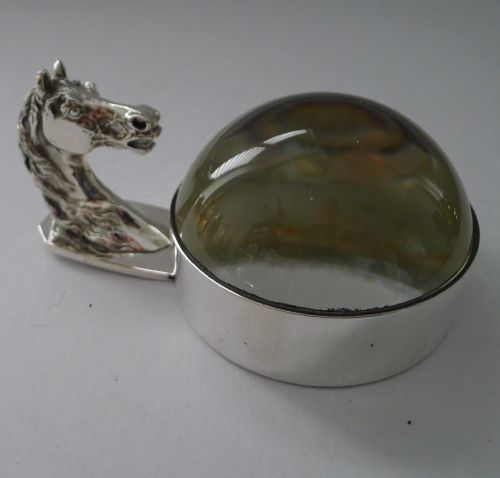
Equine-themed desk accessories from Paris prove that nineteenth-century readers appreciated a horse head staring back at their manuscripts.
What varies in quality
The distinction between standard utility items and finer examples rests on the weight of the metal, the clarity of the glass, and the presence of documented maker marks. Solid sterling silver mounts with clear assay office hallmarks command greater interest than basic silver plate or common base metals.
Engineering and articulation define the better mechanical pieces, such as floor-standing lamps and pivoting desk lenses with smooth, reliable joints. Decorative details like hand-applied enamel, shagreen grips, or cast bronze ornamentation elevate the standard of design.
Broadway And Co·Mappin And Webb·P H Vogel And Co·The Charles Parker Company
The Antique Reading Glasses Glossary
- Sterling silver
- A silver alloy containing 92.5 percent pure silver by mass, frequently found stamped with British assay office hallmarks on handle mounts.
- Guilloche enamel
- A decorative technique where intricate geometric patterns are mechanised into metal beneath a translucent layer of coloured enamel.
- Lorgnette
- A pair of spectacles held in place with a short handle rather than fitting over the ears, popular during the nineteenth and early twentieth centuries.
- Opaline glass
- A type of semi-translucent glass, often pale pastel in colour, used extensively for lamp shades and decorative desk bodies during the nineteenth century.
Antique Reading Glasses: Frequently Asked Questions
How do I clean silver handles safely?
Use a soft microfibre cloth and a mild silver polish specifically formulated for antiques to remove tarnish gently without damaging the metal.
Avoid applying liquid cleaners directly to mounted glass lenses or enamel insets, as moisture can seep beneath the bezel and cause staining.
Were these desk lamps electric or oil?
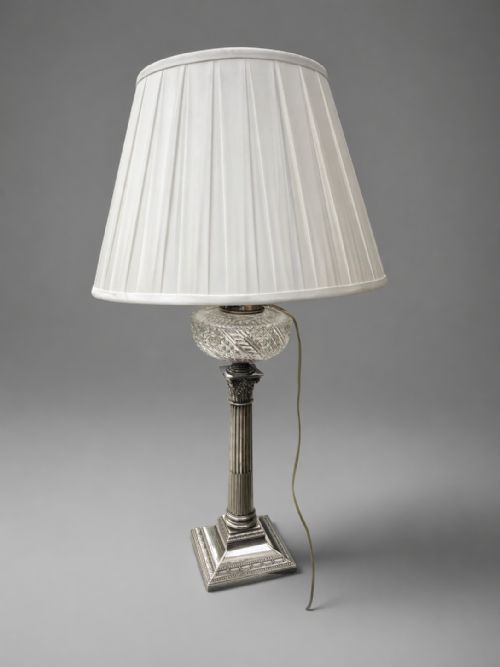
The listings encompass both early electric conversions and older oil-burning lamps, reflecting the shift in domestic lighting technology across the decades.
Examine the wiring and burner assemblies carefully to determine whether a lamp retains its original nineteenth-century oil setup or uses twentieth-century electric components.
How can I date a magnifying glass?
Look for stamped hallmarks on the silver or metal rim, which indicate the specific assay office and year of manufacture under British hallmarking laws.
Stylistic indicators such as geometric Art Deco motifs or elaborate Victorian scrollwork also help narrow down the decade of production.
Can I use an antique magnifier daily?
Most handheld lenses and desk magnifiers remain entirely functional for everyday reading tasks and examining fine details on maps or documents.
Handle heavier brass and silver pieces with care to prevent accidental drops that could scratch the vintage optical glass or loosen the bezel.