



Antique Railway Watch
An antique railway watch connects us directly to the split-second precision of the steam age, built for guards and stationmasters.
Antique Railway Watch
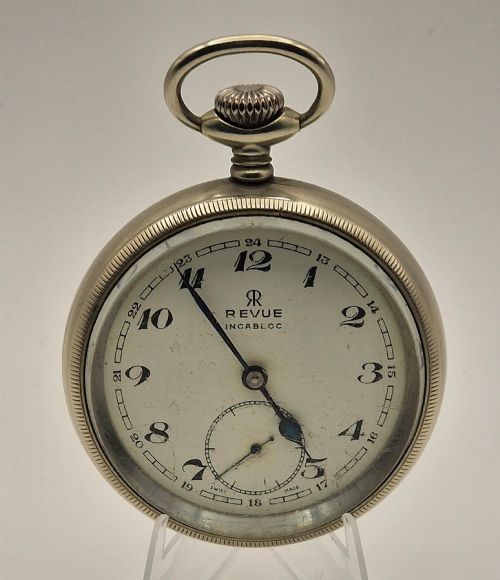
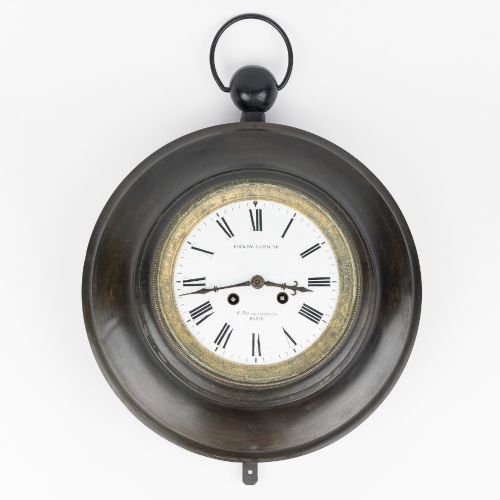
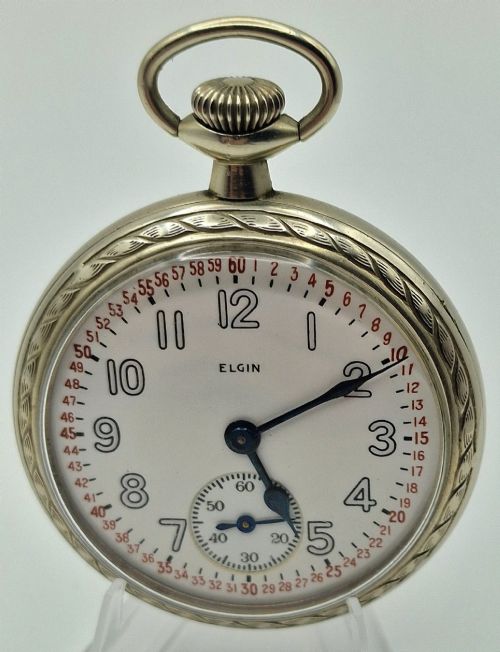
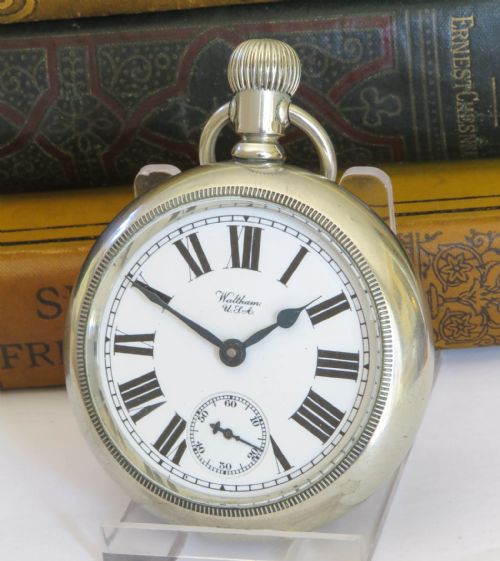
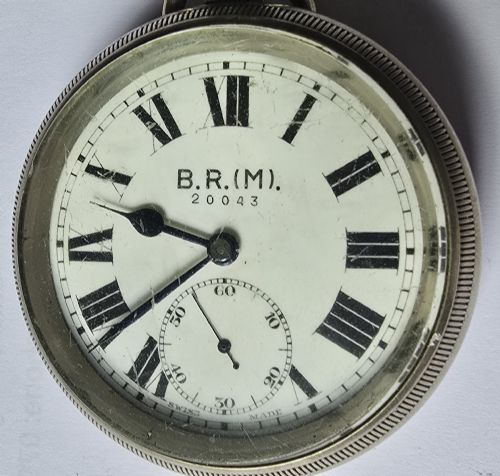
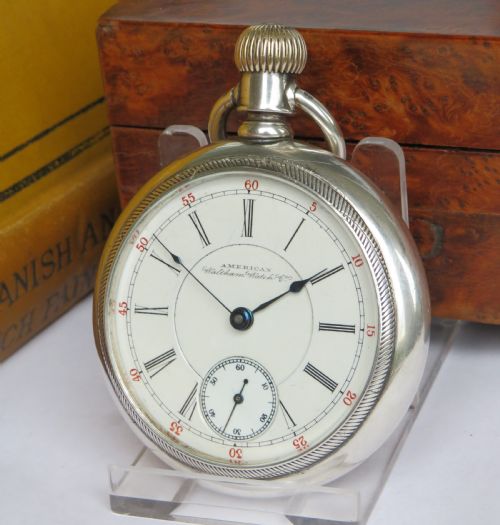
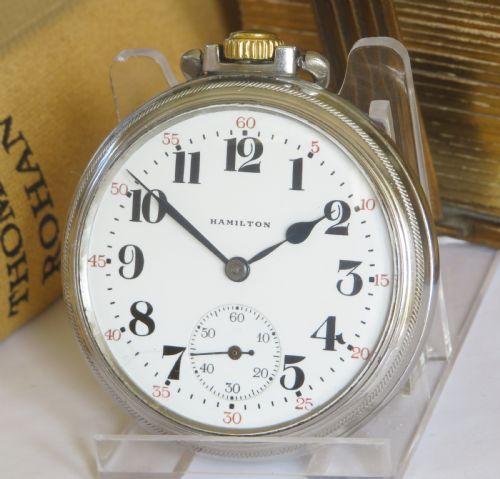
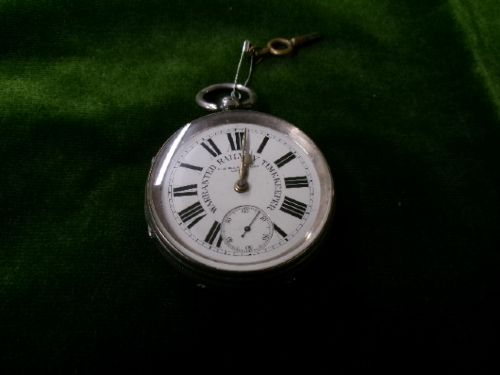
An antique railway watch is a timekeeper tied to the history of the rail network, appearing most frequently on this page as a pocket watch issued to operating staff or stationed in a mahogany wall clock format.
The pieces span periods from Victorian examples through to the nineteen-fifties, carrying the names of regional companies such as the Great Northern Railway or British Rail.
Forms range from silver timekeepers bearing assay marks to stationmaster sets and lantern pairings, recording the operational equipment of the nineteenth and twentieth centuries.
Materials and construction
Cases are formed from sterling silver, nickel, steel, brass, and silver-tone metal, housing mechanical movements beneath protective glass crystals.
Enamel dials provide high-contrast legibility with bold numerals, paired with sturdy metal casings designed to withstand the knocks and vibrations of daily railway service.
Antique Railway Watch Retail Price Guide 2026
Typical asking prices for railway watch among the pieces listed under this phrase on Sellingantiques today, from the lower quarter to the upper quarter. They describe what is for sale here now, not the wider market.
Listings feature pocket watches and wall clocks spanning the Victorian era through the nineteen-fifties, constructed in silver, nickel, brass, and mahogany.
Judging the pieces
Distinction lies in the legibility of company engravings and the crispness of the enamel dial, where cleaner lettering and intact railway insignia elevate an example.
Provenance stamped into the casing or movement - such as specific line issues by makers like Waltham, Elgin, or John Walker - distinguishes standard utility timekeepers from documented regional pieces.
The Antique Railway Watch Glossary
- Assay mark
- A stamp indicating the purity of precious metal and the office where it was tested. Chester and other towns stamped silver cases to certify their standard.
- Enamel dial
- A fused glass surface fired onto a metal plate to create a durable, bright white face. These dials offer the stark contrast needed in low-light railway conditions.
- Pocket watch
- A portable timepiece designed to be carried in a waistcoat pocket and secured with a chain. They formed the primary tool for stationmasters and guards.
- Wall clock
- A large round dial timepiece intended for mounting in offices or platforms. Mahogany frames and Anglo Swiss movements often characterise these heavier timepieces.
- Movement
- The internal mechanism comprising springs, gears, and escapements that drives the watch. Railway movements prioritize accuracy under operational conditions.
Antique Railway Watch: Frequently Asked Questions
What makes a railway pocket watch different?
These watches were built to meet strict railway timekeeping standards for accuracy and reliability. They feature clear enamel dials and robust metal cases.
Many carry specific company issue numbers or regional railway engravings on the back or movement.
How do I date an antique railway watch?
Dating relies on hallmarks stamped inside silver cases, maker names inscribed on the movement, and company issue numbers. Style details and operational dates of the named railway provide a useful window.
Records of makers like Elgin, Waltham, or John Walker help narrow down the year of production.
Were these watches carried by drivers?
Stationmasters, guards, and drivers all required certified timekeepers to keep trains running on schedule. Specific pieces are associated with roles like stationmaster or specific regional lines.
Issue numbers linked workers to their assigned equipment across networks like the Great Northern or South Eastern and Chatham Railway.
How should I display a pocket watch?
Pocket watches can be kept in specialised display cases or stored with their matching chains and fobs. Silver-tone metal and nickel examples benefit from dry storage to protect the glass and enamel.
Wall clocks from the same era require secure mounting on structural walls due to the weight of their mahogany surrounds.