



Antique Racing Prints
These antique racing prints capture the speed and spectacle of the turf, offering a direct line to the classic days of the sport.
Antique Racing Prints
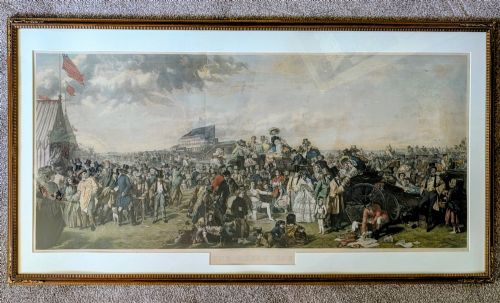
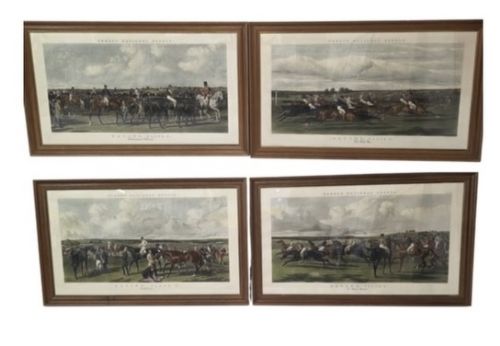
When you examine antique racing prints, you encounter works that document horses, jockeys, and famous courses from the Georgian era through the early twentieth century. The selection ranges from large nineteenth-century chromolithographs and aquatints to original framed prints by notable sporting artists.
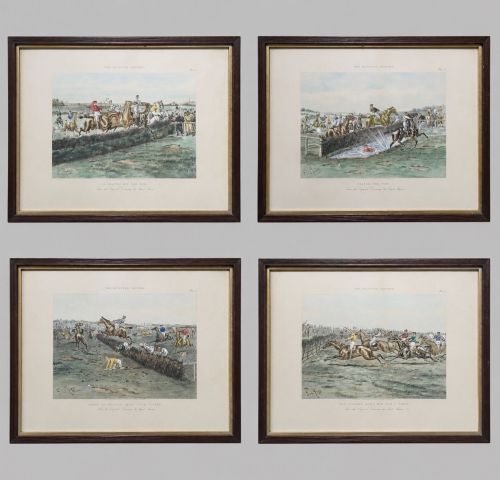
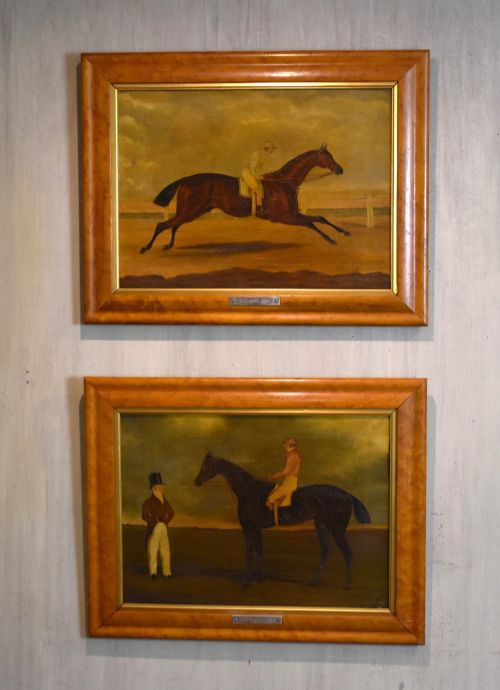
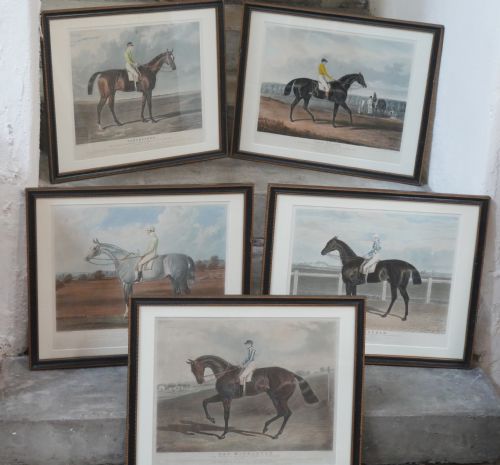
You meet framed works that preserve historic meetings, famous thoroughbreds, and sweeping racecourse scenes. These pieces frequently appear within sets or pairs, often housed behind glass in wooden or gilt frames that suit their traditional character.
Materials and production methods
Makers produced these works on paper using ink, chromolithography, and engraving techniques, alongside hand-coloured aquatints. Publishers often issued plates in series, capturing the dynamic action of the track through detailed line work and layered pigments.
Framers housed these paper works behind glass, securing them within wooden frames, occasionally enhanced with gilt or gilded finishes. This combination protected the delicate surfaces of the prints while providing a formal display standard for domestic interiors.
Antique Racing Prints Retail Price Guide 2026
Typical asking prices for racing prints among the pieces listed under this phrase on Sellingantiques today, from the lower quarter to the upper quarter. They describe what is for sale here now, not the wider market.
Some jockeys stare out from their frames with the absolute grim determination of men who skipped breakfast to make the weight.
Factors of quality
The distinction between ordinary plates and superior examples rests on the strength of the impression and the vibrancy of any hand-colouring. Early print runs preserve finer details of the horse and jockey, whereas later or worn plates lose definition in the background and figures.
Presentation also defines the tier of a piece, particularly the originality of the mounting, the condition of the paper against toning, and the preservation of historic framing. Complete sets of matching plates hold greater visual coherence than assembled pairs or single sheets.
Charles Johnson Payne Snaffles·George Finch Mason·John Frederick Herring Snr·Thomas Worth
The Antique Racing Prints Glossary
- Chromolithograph
- A multicoloured print produced through a lithographic process using multiple stones or plates. This technique allowed publishers to recreate the rich tones of oil paintings in large commercial editions.
- Aquatint
- An intaglio printmaking technique that produces tonal effects resembling watercolours. It formed the foundation for many nineteenth-century sporting plates depicting horses and riders.
- Engraving
- A method of cutting a design into a metal plate with a sharp tool to hold ink. Impressions pulled from these plates yield crisp, precise lines characteristic of early prints.
- Sporting art
- A genre dedicated to depicting animals, equestrian events, and field sports. It forms the core category for historic racecourse imagery and jockey portraits.
Antique Racing Prints: Frequently Asked Questions
How should I hang antique racing prints?
Keep framed pieces away from direct sunlight to prevent the paper and ink from fading over time. Maintain stable humidity levels to protect the paper and the wooden frames.
Group sets together on a single wall to preserve their narrative sequence and visual balance. Ensure the hanging height places the centre of the frame at eye level.
Are these prints original period pieces?
The works originate from the Georgian, Victorian, and Edwardian eras as recorded in the listings. Each piece reflects the printing technology and artistic styles of its specific decade of production.
Examine the paper stock, printing method, and framing materials to understand the age of the item. Contemporary reproductions differ significantly in paper texture and ink application.
How do I care for framed paper art?
Dust the wooden and gilt frames gently with a dry, soft cloth. Avoid using liquid cleaners on the glass near the edge of the frame to prevent moisture seeping inside.
Check the backing paper and seals periodically to ensure environmental dust and insects remain outside. Professional conservators can address any mounting issues safely.
What subjects appear in these prints?
The imagery covers famous racehorses, notable jockeys, point-to-point meetings, and grand course scenes. Some pieces focus on individual portraits of champions, while others show crowded race days.
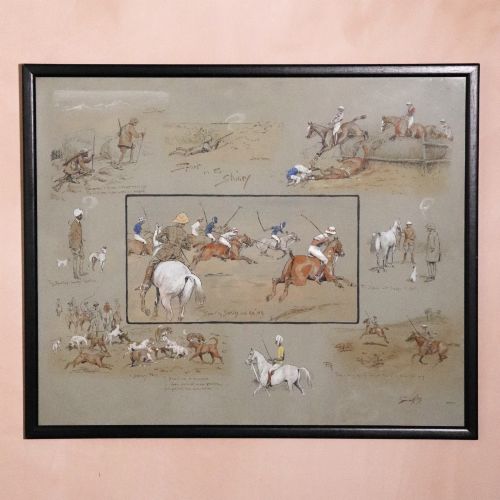
Artists also documented humorous sporting incidents and broader equestrian life. This variety allows collectors to focus on specific tracks, events, or artistic hands.