
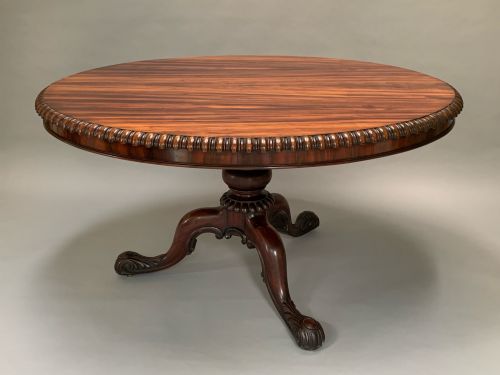
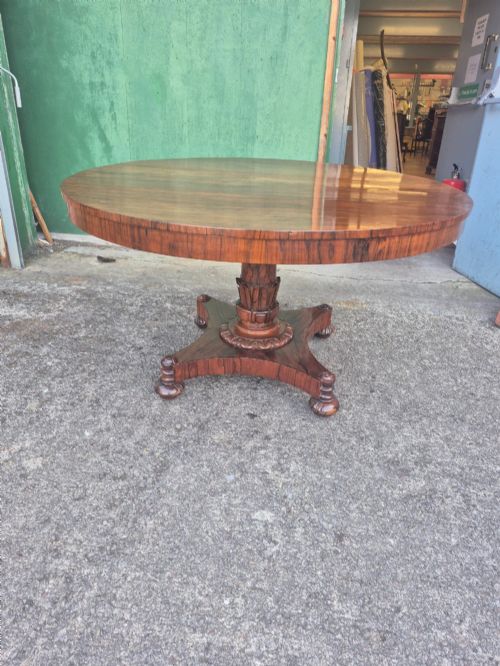
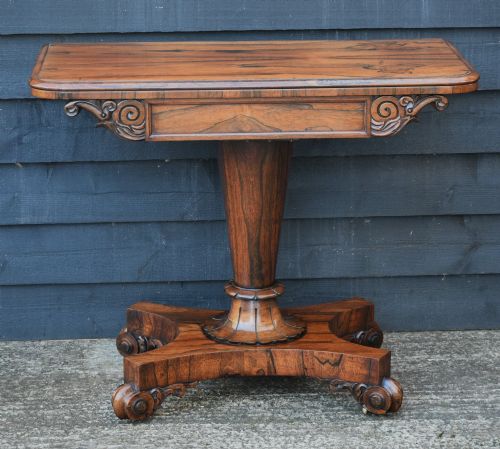
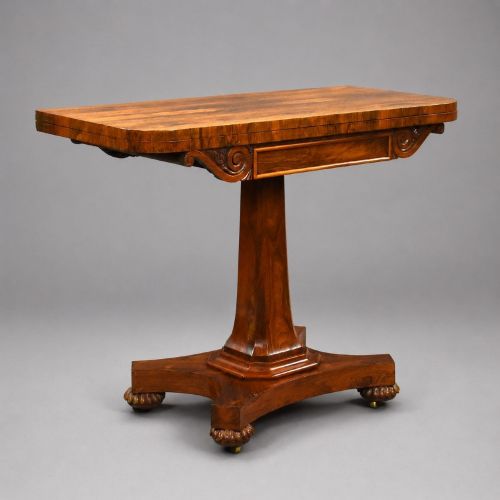

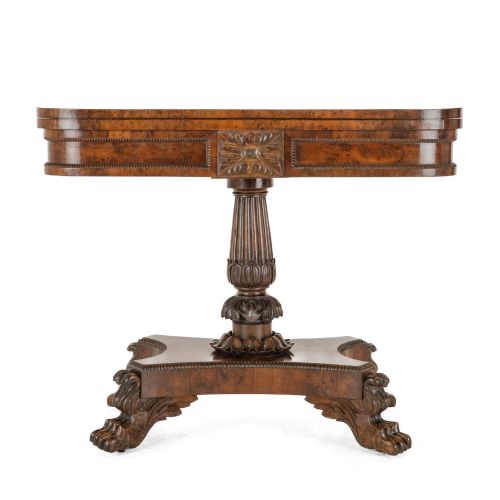
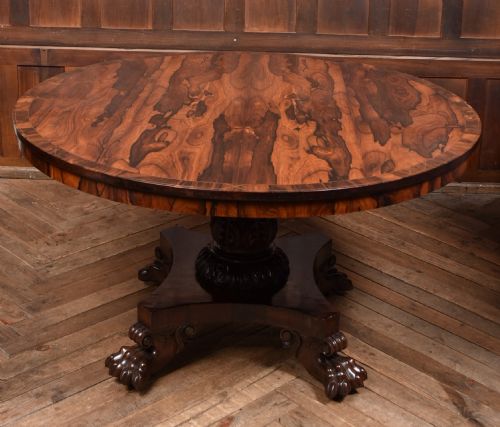


Antique Quadform Table
These pieces known as an antique quadform table encompass diverse forms from the Georgian, Regency and Victorian periods, prized for their utility and timber.
Antique Quadform Table
When you examine an antique quadform table, you encounter a variety of forms designed for specific domestic uses, most commonly card and games tables, centre tables, and occasional side tables. The selection spans the Georgian, Regency, William IV, and Victorian eras, demonstrating how furniture adaptation evolved across the eighteenth and nineteenth centuries.
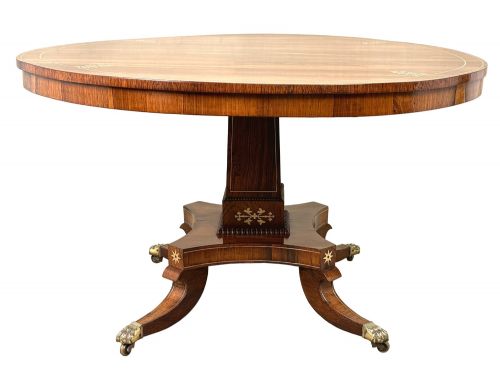
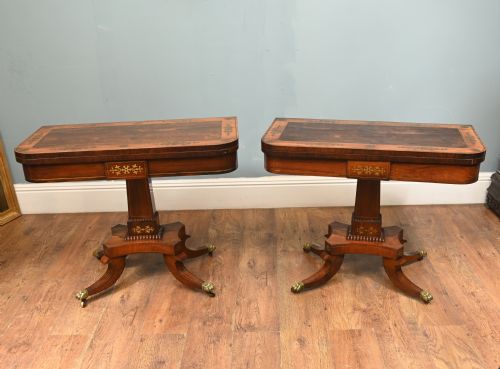
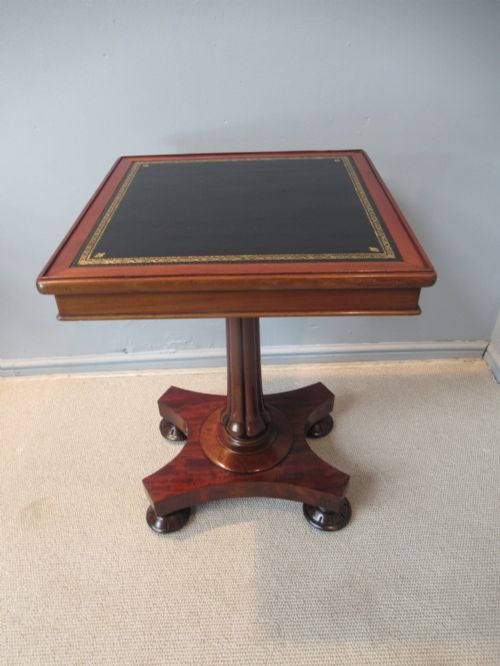
The version you are most likely to meet on this page is the fold-over card table in rosewood or mahogany, alongside pedestal library tables and occasional breakfast or tilt-top dining tables. These pieces reflect the social habits of their original owners, built to serve card games, tea, or needlework in drawing rooms and libraries.
Materials and Construction
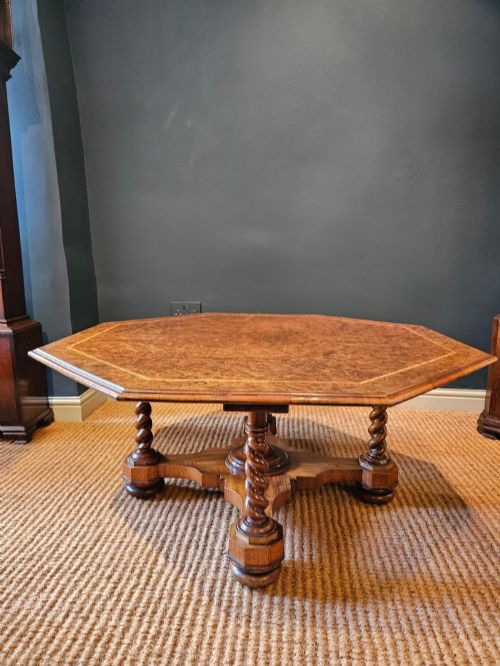
Cabinet makers relied heavily on dense hardwoods such as mahogany and rosewood, frequently incorporating decorative veneers like burr walnut, satinwood, and goncalo alves to create striking patterned surfaces. Timber selection governed the structural integrity and visual weight of each piece, whether built as a solid dining table or a pedestal library table.
Inlaid brass stringing, boxwood banding, and carved scrolling details give these pieces their characteristic finish, executed by hand to accent the edges of table tops and pedestals. Pivot mechanisms, snap-top catches, and folding leaves required precise joinery so that multi-purpose tables could shift securely between closed consoles and open gaming surfaces.
Some card tables feature concealed gaming wells specifically shaped to hold mother-of-pearl fish counters.
The Distinction in Execution
The distinction between ordinary and superior examples lies in the selection of timber veneers and the crispness of hand-carved mouldings on pedestals and legs. Cabinet makers who invested time in matching wood grain across folding leaves and selecting intensely figured rosewood or burr yew produced pieces of markedly higher visual presence.
Structural stability and the smoothness of mechanical actions - such as rotating card table tops or tilting mechanisms - set finer pieces apart from utilitarian workshop output. Well-executed brass inlay and finely turned pillar supports indicate a higher grade of craftsmanship originating from established workshops.
Gillows
The Antique Quadform Table Glossary
- Card table
- A folding table designed for gaming and social card play, featuring a top that opens to reveal a baize or leather playing surface. Many examples pivot to expose a concealed well for storing counters and packs.
- Tilt-top table
- A table with a hinged mechanism allowing the top to rotate to the vertical position when not in use. This clever design saved valuable floor space in smaller period rooms.
- Centre table
- A freestanding piece designed to be viewed from all sides rather than pushed against a wall. These often occupy the middle of a room, mounted on a central pedestal with branching legs.
- Work table
- A small occasional table fitted with drawers or fabric bags designed for sewing and needlework. These compact pieces were popular throughout the Regency and Victorian eras for domestic parlours.
- Brass inlay
- The technique of embedding thin strips of brass into the wooden surface to form geometric patterns or floral motifs. It is a defining decorative feature of Regency cabinet making.
Antique Quadform Table: Frequently Asked Questions
What is an antique quadform table used for?
These pieces served multiple domestic functions in period homes, primarily acting as games tables, tea tables, or centre tables for display and study.
Their adaptable designs allowed homeowners to fold down tops or tilt surfaces when rooms required different layouts for entertaining.
How do I identify a Regency table?
Regency examples frequently display dark rosewood timber, brass inlay, and saber legs or central pedestals resting on platform bases. The aesthetic draws on classical antiquity with clean lines and restrained classical carving.
Proportions remain elegant and upright, reflecting the interior design preferences of the early nineteenth century.
Are these tables suitable for modern daily use?
Solid construction in dense hardwoods like mahogany and rosewood makes these tables remarkably durable for contemporary living spaces.
Care should be taken with polished timber surfaces, using coasters and avoiding direct sunlight to preserve the original finish.
How can I tell the difference between Georgian and Victorian pieces?
Georgian tables tend to feature lighter mahogany with simpler tilt-top mechanisms and tripod bases with pad or claw feet. Their design emphasises understated proportion and functional utility.
Victorian examples often employ darker rosewood or burr walnut, heavier carved pedestals, and more elaborate detailing suited to mid-nineteenth-century interiors.