


Antique Qashqai Area Carpet
An antique qashqai area carpet brings tribal Persian artistry into a room through rich colours and geometric motifs handwoven by nomadic weavers.
Antique Qashqai Area Carpet
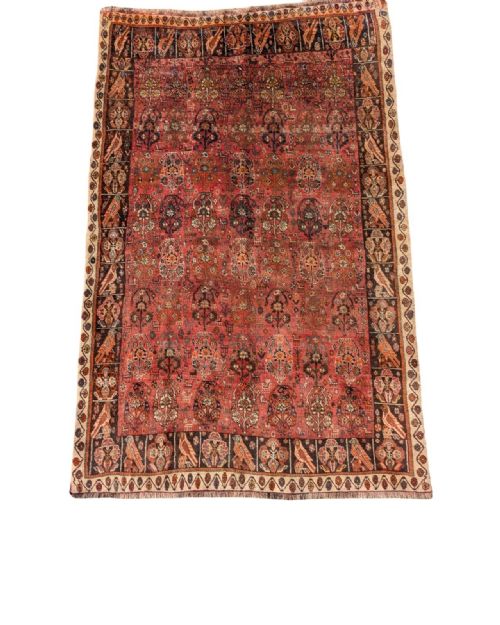
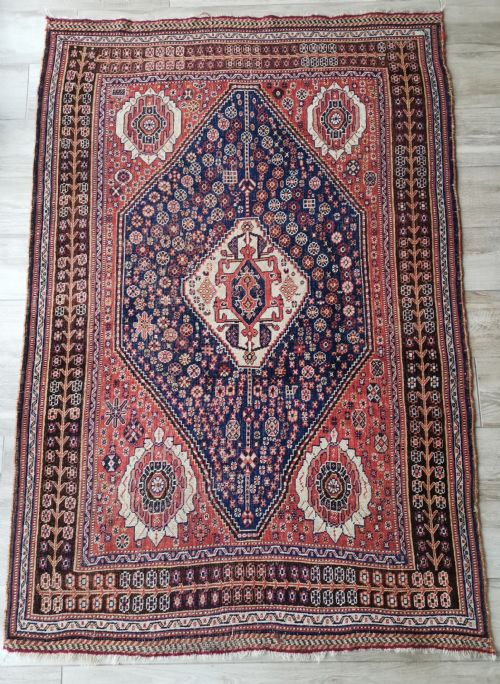
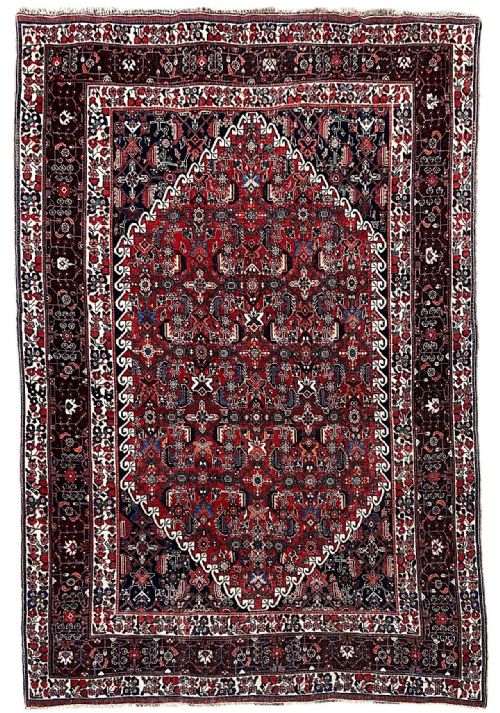
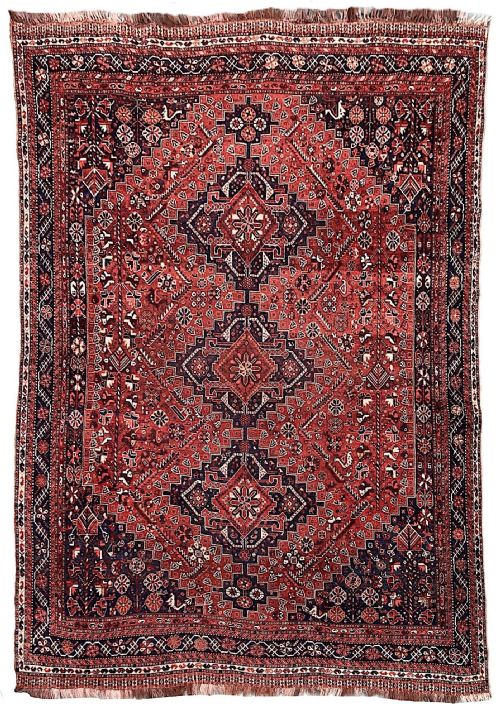
An antique qashqai area carpet embodies the rich weaving traditions of nomadic and village tribes in south-west Persia. When exploring this selection, buyers encounter various formats ranging from compact mats to expansive floor carpets and flat-woven kilims. These pieces typically display traditional tribal motifs, geometric medallions, and storytelling elements such as tree of life designs.
The objects stem from production spanning the late nineteenth century into the early decades of the twentieth century. Alongside core Qashqai works, the selection includes related tribal pieces associated with Khamseh, Luri, and Shekarlu weaving traditions. Buyers frequently meet Gabbeh rugs characterised by longer piles and minimalist graphic fields within this group.
What Varies in Quality
The standard of an antique qashqai area carpet depends largely on the density of the knotting and the fineness of the wool. Tighter foundations allow for crisper rendering of intricate geometric borders and central medallions. Pieces possessing superior handling of natural dyes display subtle abrash, where colour tones shift organically across the field.
Design execution and structural integrity further divide examples across the range. Master weavers achieved exceptional balance in symetrical layouts and figurative details like peacocks or tree of life motifs. Preservation of original kilim ends and selvedges maintains the architectural completeness of the textile.
Nomadic weavers frequently added tiny symbolic peacock motifs into field corners to ward off the evil eye.
The Antique Qashqai Area Carpet Glossary
- Abrash
- A natural variation in carpet colour caused by changes in dye batches or hand-spun wool supplies. This subtle tonal striping appears across the pile as the dye absorbs differently.
- Gabbeh
- A thick-piled tribal rug featuring sparse, minimalist designs with large blocks of unadorned colour. These rustic pieces were traditionally woven for domestic use by nomadic families.
- Kilim
- A flat-woven textile produced without a pile by tightly interweaving warp and weft strands. These versatile pieces function well as lightweight floor coverings or wall hangings.
- Medallion
- A central ornamental design motif placed in the middle of the carpet field. Tribal weavers often repeat geometric or floral shapes within this focal area.
- Khamseh
- A confederation of nomadic tribes in south-west Persia known for distinctive dark-field carpets. Their weaving shares aesthetic similarities with neighbouring Qashqai and Luri groups.
Antique Qashqai Area Carpet: Frequently Asked Questions
Where were antique Qashqai carpets made?
These carpets originated in the south-west region of Persia, created by the nomadic and confederated tribes travelling through the Zagros mountains. The weavers packed their horizontal looms during seasonal migrations, producing textiles that reflected their surrounding landscapes and cultural heritage.
Over time, certain pieces emerged from settled villages influenced by the same tribal aesthetics. This geographic background links them closely to related traditions from Khamseh and Luristan weavers.
How do I clean an antique tribal rug?
Maintenance requires gentle care to protect the delicate natural wool fibres and organic dye foundations. Regular light vacuuming without a rotating brush prevents dust accumulation within the pile.
Professional specialist cleaning remains essential for addressing deeper soil or spills. Harsh chemical detergents and excessive moisture must be avoided to preserve the historic integrity of the textile.
What is the difference between a rug and a carpet?
Terminology often distinguishes objects by physical scale and intended architectural placement within a room. Smaller formats function as portable rugs, whereas larger room-size textiles are traditionally classified as carpets.
Both categories share identical nomadic weaving techniques, material components, and tribal design vocabularies. The distinction relates strictly to overall dimensions.
How can I tell a Qashqai rug from a Khamseh rug?
Distinguishing between these tribal groups involves examining the primary colour palettes and secondary motif details. Qashqai pieces frequently employ bright madder reds and rich indigos paired with lively human and animal figures. Khamseh examples often utilise darker blue or brown fields featuring repeating geometric patterns and distinct bird motifs.
Both styles developed within neighbouring regions of south-west Persia, leading to shared technical characteristics. Expert attribution typically relies on specific border arrangements and structural wool qualities.