



Qashqai Nomad Rug
A qashqai nomad rug brings the rich hand-knotted weaving traditions of south-west Persia directly into your interior.
Qashqai Nomad Rug
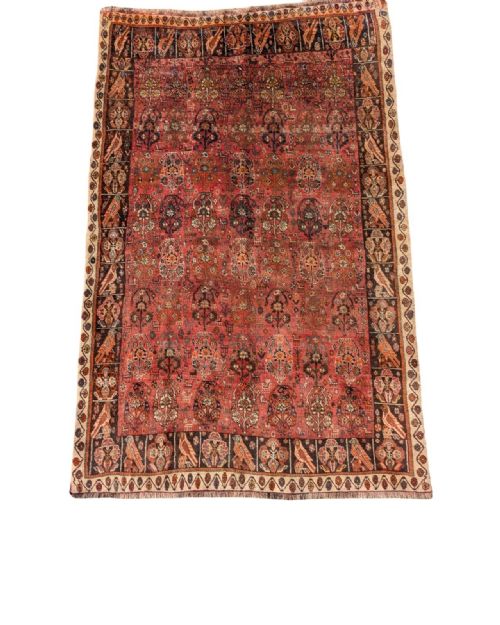
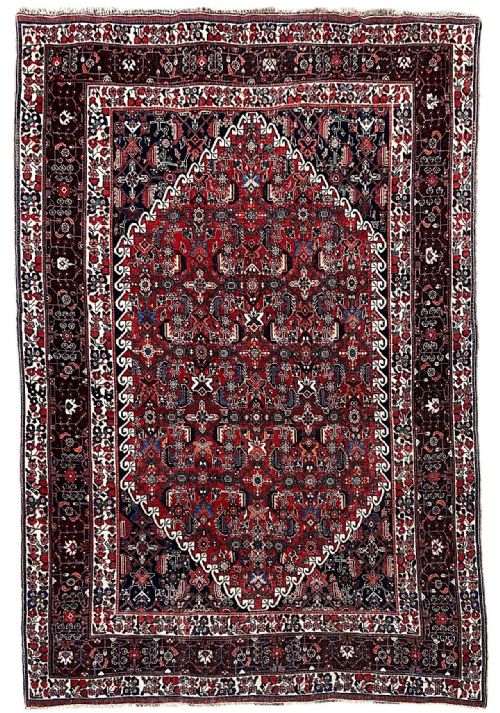
A qashqai nomad rug represents the distinct tribal textile output of the Fars province in south-west Persia. These pieces span from the late nineteenth century into the early decades of the twentieth century, capturing traditional nomadic craftsmanship.
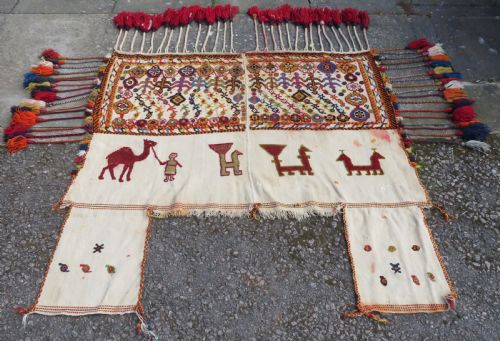
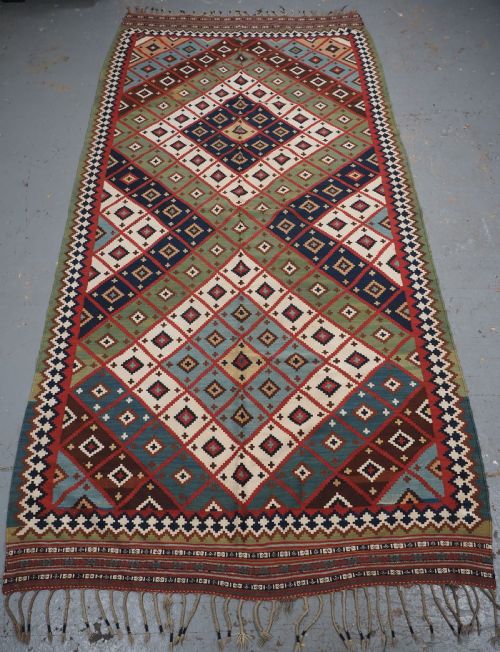
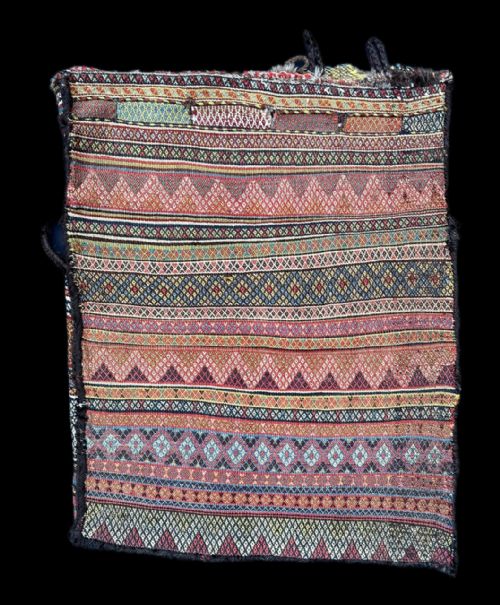
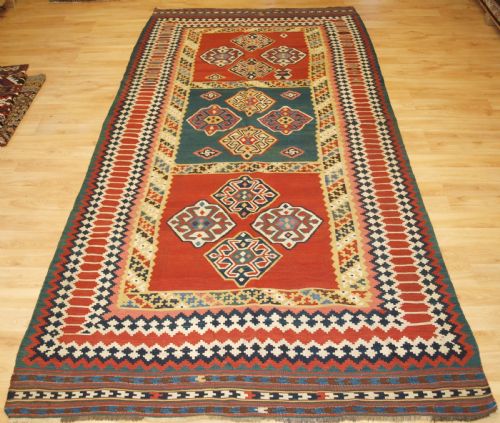
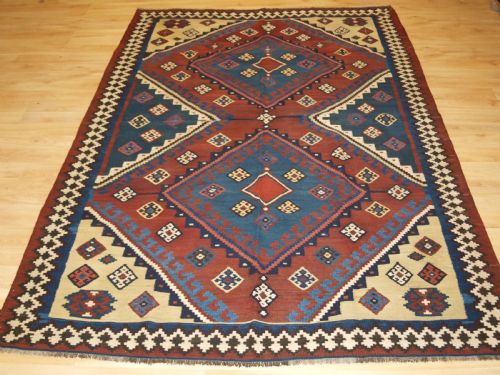
The selection here encompasses several functional forms beyond standard floor coverings, including flat-woven kilims, storage bags, and horse blanket covers. Tribal designs range from compartment patterns and diamond medallions to pictorial depictions of the pillars of Persepolis.
Persian tribal and Qashqai tribal styles dominate the inventory, showcasing the cultural motifs handed down through generations of weavers. Buyers will encounter both pile rugs and flat-weaves dating across distinct periods between eighteen eighty and nineteen thirty.
How they were made
Makers utilised durable wool for the foundations and surface piles, combining it with natural dyes to achieve deep, lasting colouration. Cotton also appears in the structural elements of these hand-woven textiles.
Weavers employed traditional techniques to produce both knotted-pile carpets and flat-woven kilim structures. The integration of natural dye stuffs ensures the characteristic palette remains stable and rich over decades of use.
One exceptional nineteenth-century weaving depicts the ancient stone pillars of Persepolis, bringing Persian history straight onto the nomadic floor.
What varies in quality
The fineness of the weave and the complexity of the tribal design separate standard examples from superior specimens. Tightly packed knots and intricate geometrical or pictorial layouts require greater skill from the maker.
The vibrancy and condition of the natural dyes significantly influence the overall standard of each piece. Well-preserved surfaces and distinct regional motifs elevate the visual impact of the textile.
The Qashqai Nomad Rug Glossary
- Kilim
- A flat-woven carpet or rug produced without a pile. These pieces rely on the interlocking of warp and weft threads to form sharp geometric patterns.
- Pile
- The soft, raised surface of a rug formed by the cut ends of knots tied to the warp threads. This depth gives tribal rugs their tactile richness.
- Warp
- The vertical threads stretched tightly on the loom that form the structural skeleton of the textile. Fringe ends typically reveal these underlying threads.
- Weft
- The horizontal threads passed alternately over and under the warp threads to bind the knots in place. Proper packing of the weft creates a firm and durable fabric.
- Natural Dyes
- Colouring agents derived from plants, insects, and minerals rather than synthetic compounds. These materials yield rich, complex tones that age gracefully.
Qashqai Nomad Rug: Frequently Asked Questions
How do I care for a tribal rug?
Vacuum your rug gently without using a rotating brush roll to protect the wool pile.
Professional cleaning is recommended every few years to preserve the integrity of the natural dyes and fibres.
Where were these textiles made?
These pieces originate from the Fars province in south-west Persia, created by nomadic tribal groups.
The makers moved across the region, incorporating local architectural references like Persepolis alongside traditional geometric motifs.
How do I date an antique rug?
Examine the palette of the natural dyes, the specific structural materials like wool and cotton, and the wear patterns.
Stylistic elements such as compartment designs and regional weaving traits also help establish the approximate period of production.