

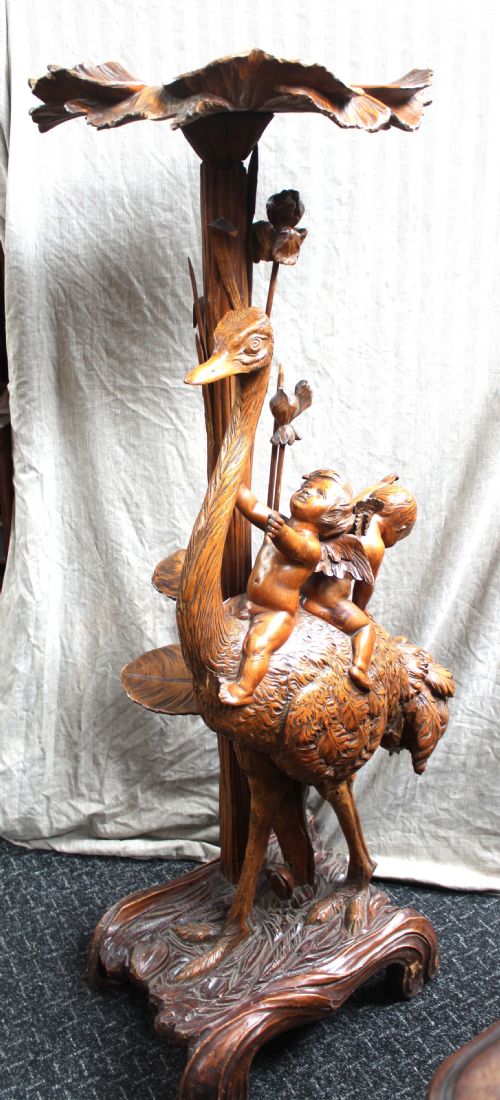
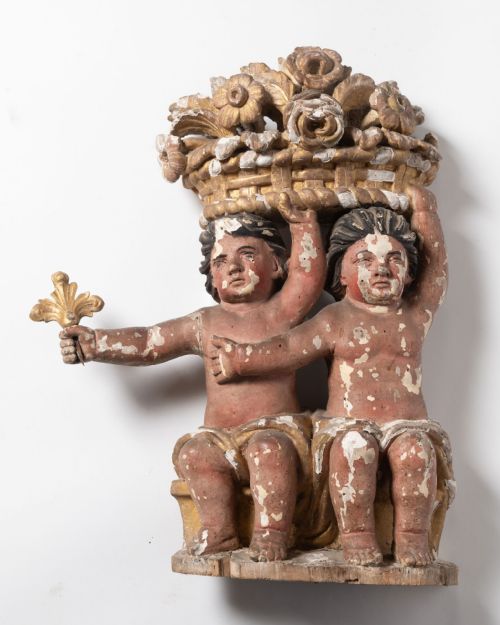
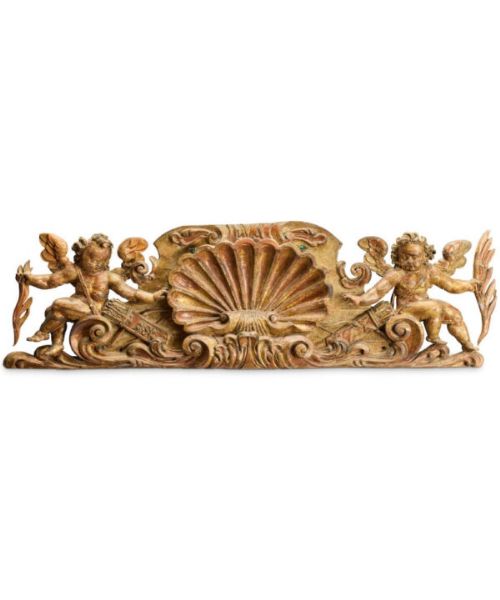


Antique Putto Wood Carving
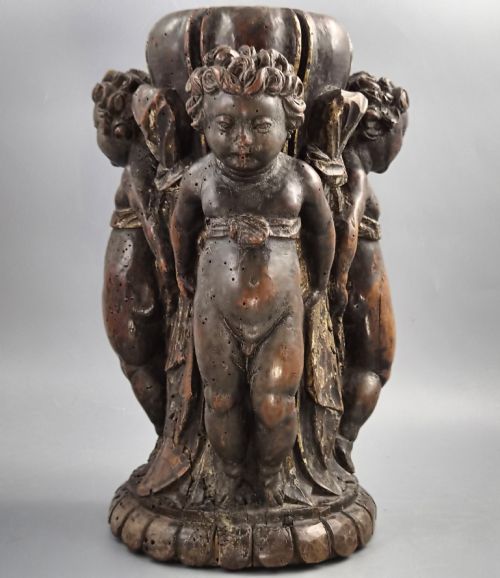
An antique putto wood carving brings the energetic presence of Baroque sculpture into a room, capturing the lively spirit of winged cherubs in solid timber.
Antique Putto Wood Carving
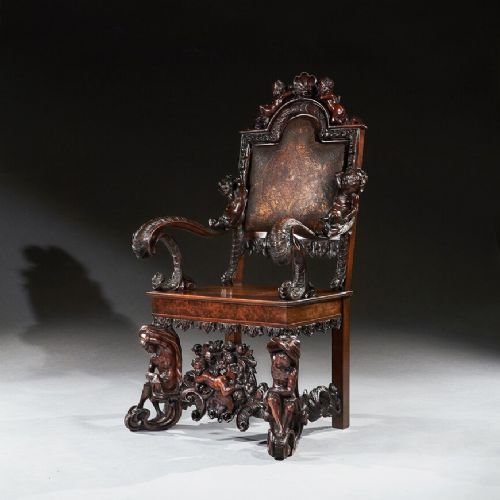
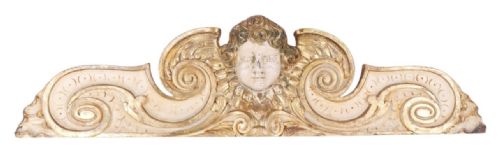
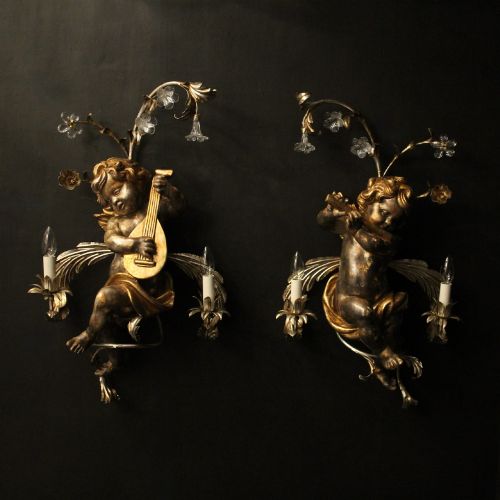
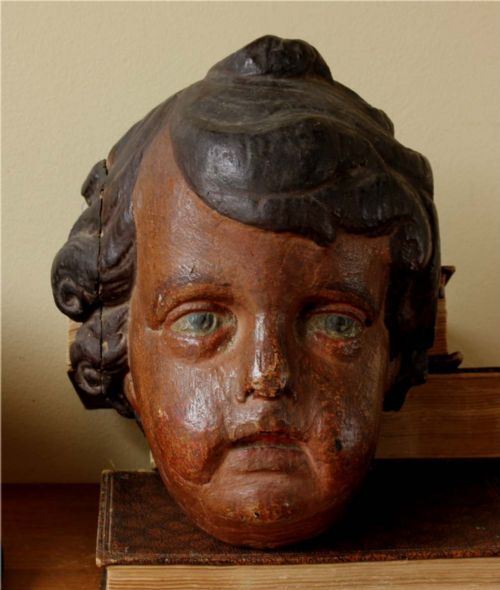
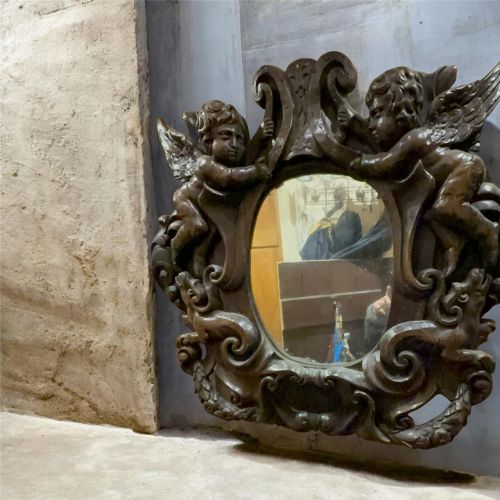
An antique putto wood carving is typically found as a freestanding figure, a wall bracket, an architectural fragment, or an embellishment on a larger mirror frame. These pieces span from the seventeenth century through to the early twentieth century, with nineteenth-century revivals of earlier styles appearing frequently.
The materials range from raw oak and walnut to richly decorated surfaces finished in gold leaf, silver gilt, and polychrome paint. Italian and French workshops dominate the origins, producing everything from diminutive carved cherub heads to monumental lamp bases and torchiere columns.
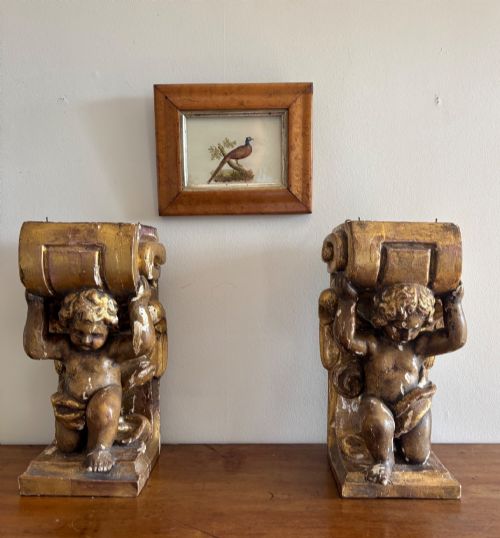
Buyers often meet pairs of wall figures, mirror pediments, and candelabra components designed for grand interior schemes. Each piece reflects the enduring appeal of classical motifs adapted for domestic and ecclesiastical settings across Europe.
How they were made
Carvers shaped these sculptures from dense hardwoods such as oak, walnut, lime wood, and limewood, using hand chisels and gouges to establish the dynamic anatomy and flowing drapery characteristic of the Baroque style. Grain direction dictated the depth of relief, allowing artisans to undercut wings and limbs for a three-dimensional effect.
Surface finishes involved the application of gesso as a smooth ground for gold leaf, silver gilt, or oil-based polychrome pigments. Parcel gilding highlighted specific details against darker timber or painted backgrounds, while clear wax or polish protected exposed walnut and oak surfaces.
Current listings feature carved wood, gesso, gold leaf, and walnut across periods from the seventeenth century to the twentieth century.
What varies in quality
The distinction between ordinary and exceptional carving lies in the confidence of the hand behind the chisel, particularly in the rendering of musculature, facial expression, and feather detail on the wings. Superior pieces display anatomical understanding and depth of relief that create natural shadows and movement.
Surface preservation also dictates value, with original giltwood, gesso, and polychrome layers holding greater integrity than later overpainting or stripped timber. The crispness of the carved edges and the harmony between the wooden figure and its architectural or domestic function complete the assessment.
Grinling Gibbons·Andrea Brustolon
The Antique Putto Wood Carving Glossary
- Putto
- A plump, often winged male child figure derived from classical art and frequently seen in Renaissance and Baroque sculpture. They symbolise divine or earthly love and animate architectural spaces.
- Giltwood
- Timber that has been coated with a thin layer of gold leaf over a prepared gesso ground. This technique creates a luminous surface that catches candlelight or natural daylight.
- Polychrome
- Painted in several colours, often applied over a gesso or wooden base to simulate lifelike skin tones and coloured garments. This finish was common on religious and decorative church carvings.
- Torchiere
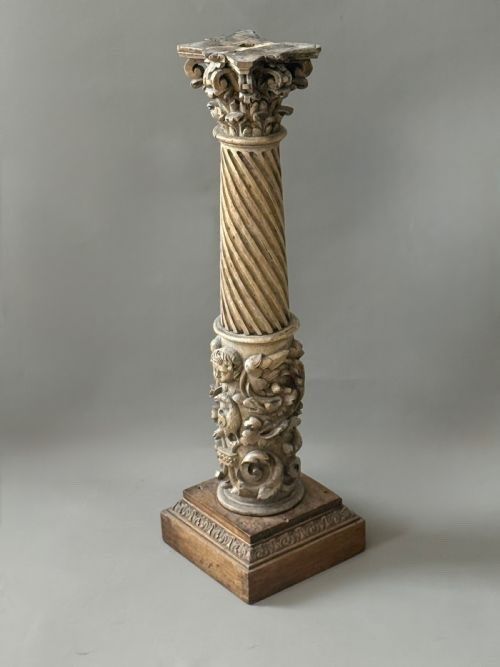
- A tall stand or floor lamp designed to hold a light source high above the ground. In carved timber, these often incorporate twisting columns and supporting putti.
- Gesso
- A plaster-like mixture applied to wood to provide a smooth surface for gilding or painting. It holds fine detail and supports metallic leaf.
Antique Putto Wood Carving: Frequently Asked Questions
How were antique putto wood carvings used?
These carvings served primarily as decorative architectural elements, architectural salvage, or church furnishings integrated into altarpieces, mirrors, and wall brackets. They were built to elevate the visual drama of grand interiors.
Over time, many pieces transitioned into domestic settings as freestanding sculptures, lamp bases, or decorative wall mounts. Their original ecclesiastical or palatial context often dictates their scale and finish.
How do I tell seventeenth-century carvings from later revivals?
Early seventeenth-century pieces generally show deeper hand-tool marks, greater wear patterns appropriate to their age, and denser, darker native timbers like walnut and oak. Construction methods and joinery also reflect period workshop practices.
Nineteenth-century revival pieces often display machine assistance, cleaner tool transitions, or applied gesso formulas distinct from earlier eras. Stylistic exaggeration can also point toward Victorian interpretations of Baroque designs.
How do I clean and care for a giltwood carving?
Dusting should be performed gently with a very soft, dry brush or feather duster to protect the delicate gold leaf and gesso layers. Moisture and modern cleaning chemicals must be avoided entirely.
Keep carved wooden pieces away from direct sunlight, heating vents, and damp environments to prevent the wood from splitting and the gesso from cracking. Stable indoor humidity preserves the finish.
What is the difference between a cherub and a putto?
In art history, a putto is a secular child figure derived from classical mythology, whereas a cherub possesses celestial significance and biblical associations. Both share the familiar winged infant form seen in wood carvings.
Carvers and collectors often use the terms interchangeably when describing decorative wooden figures from the Baroque and revival periods. The physical representation remains largely consistent regardless of the title.