

Antique Purple Stones
These antique purple stones combine deep amethyst hues with period gold and silver settings, offering a striking focal point for any collector.
Antique Purple Stones
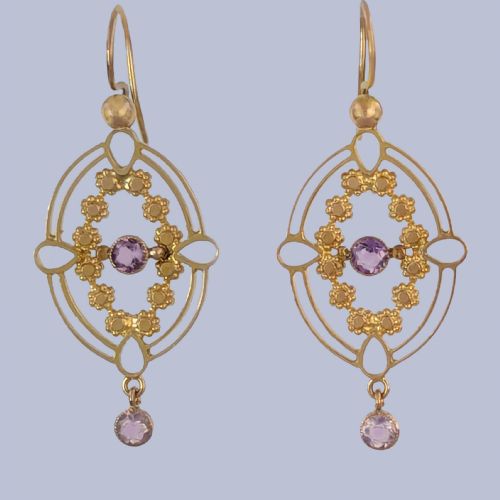
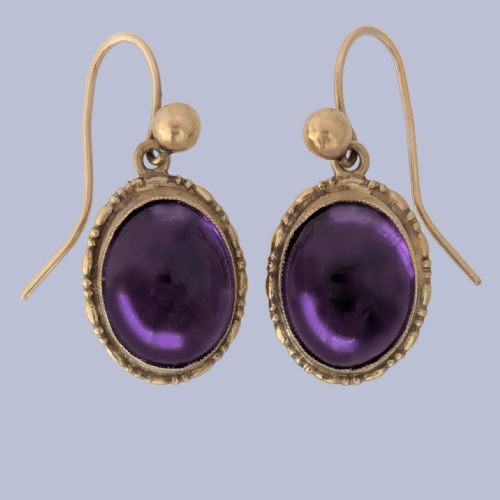
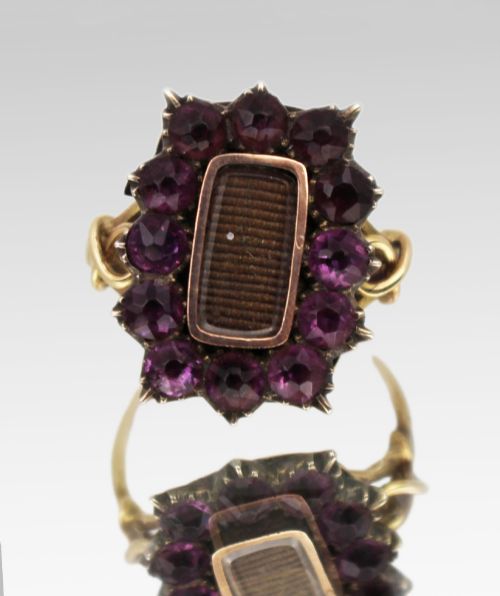
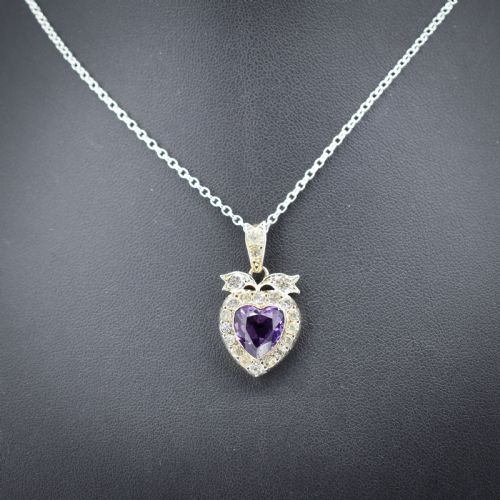
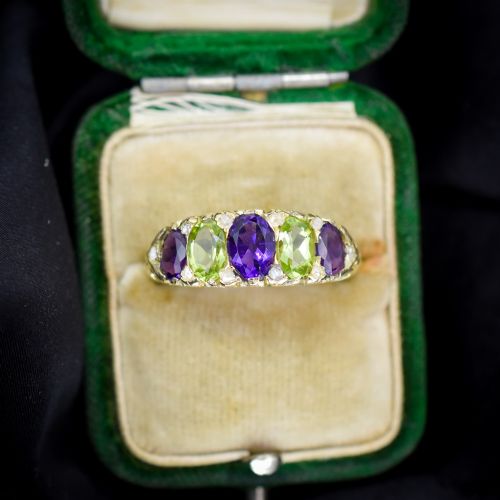
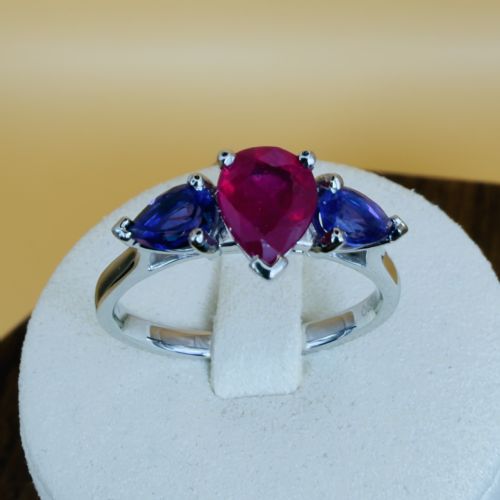
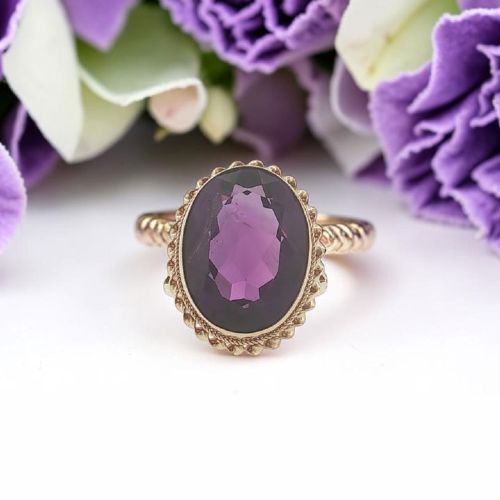
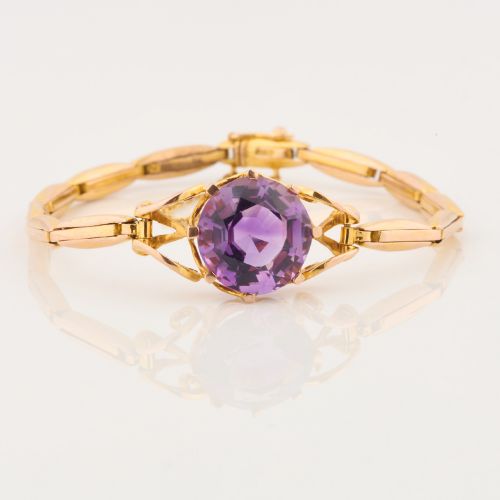
When searching for antique purple stones, collectors encounter a diverse array of jewellery and decorative objects centred around amethysts, paste, and purple glass. The pieces on this page span the Georgian, Victorian, Edwardian, and mid-twentieth-century periods, with Edwardian and Victorian examples forming the bulk of the selection.
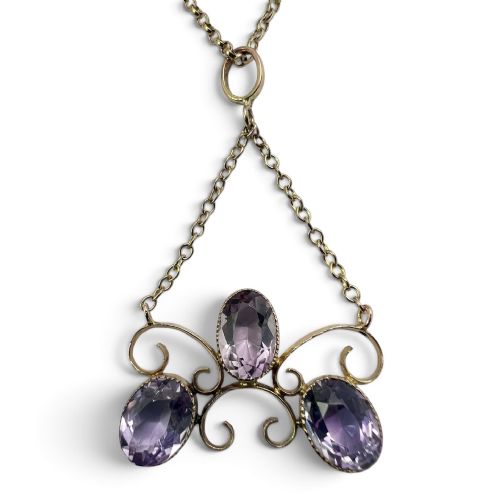
Rings, drop earrings, pendant necklaces, and brooches dominate the forms, frequently styled with openwork floral designs or classical motifs. Alongside wearable jewellery, the inventory includes small decorative items such as pill boxes and tazzas worked in ornamental stones.
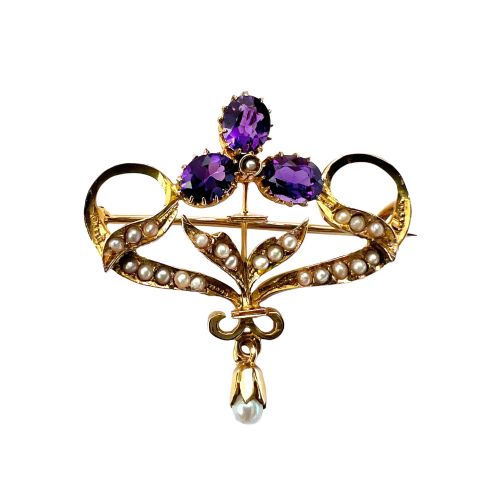
Settings utilise yellow and white gold in various purities alongside silver, incorporating secondary gems like seed pearls and diamonds. This combination of rich purple tones and traditional metals defines the visual character of the available selection.
Materials and construction
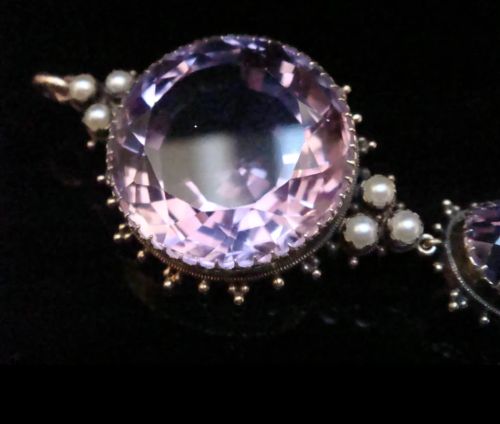
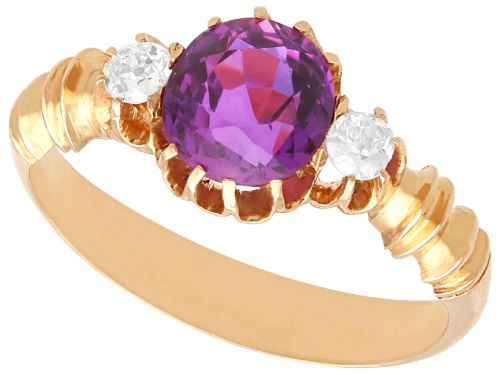
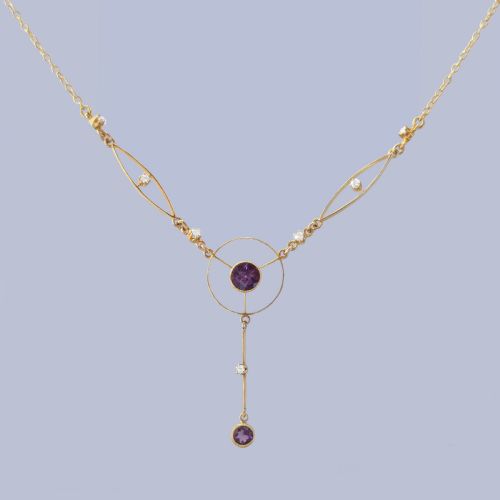
Craftsmen set natural amethysts and paste into 9ct, 15ct, and 18ct gold, as well as silver, utilising both closed and openback settings. Seed pearls and diamonds frequently accompany the central purple stones in cluster, halo, and lavalier arrangements.
Metalwork techniques include fine openwork filigree, gate link assembly, and hand-cut stone faceting, ranging from round cuts to flat cuts and cabochons. Hallmarks, intricate screw-on mechanisms, and shepherds hooks evidence period manufacturing standards.
Antique Purple Stones Retail Price Guide 2026
Typical asking prices for purple stones among the pieces listed under this phrase on Sellingantiques today, from the lower quarter to the upper quarter. They describe what is for sale here now, not the wider market.
Assessing quality
Quality rests upon the depth of colour in the purple stones, the clarity of the faceting, and the integrity of the surrounding metalwork. Superior items exhibit well-matched stones securely held within balanced, undamaged mountings.
Design complexity also elevates a piece, distinguishing standard solitaires from intricate Art Nouveau openwork pendants or multi-stone cluster rings. Maker attribution and crisp hallmarks further separate ordinary examples from finer workshop output.
S. Blanckensee & Son
The Antique Purple Stones Glossary
- Amethyst
- A purple variety of quartz prized for its violet hue. It serves as the primary gemstone across Victorian and Edwardian rings and pendants.
- Paste
- A type of transparent glass cut and polished to imitate gemstones. Antique paste pieces often display exceptional hand-craftsmanship in vibrant colours.
- Lavalier
- A necklace featuring a pendant that drops below the main chain, popular during the Edwardian era. These typically incorporate swinging stones or pearls.
- Cabochon
- A gemstone shaped and polished with a smooth convex surface rather than facets. This cut highlights the rich interior depth of larger purple stones.
Antique Purple Stones: Frequently Asked Questions
What periods do these purple stone pieces cover?
The pieces span from the Georgian era through the Victorian and Edwardian periods up to the mid-twentieth century. This covers a wide range of historical jewellery design.
Most items originate from the late nineteenth and early twentieth centuries, reflecting changing aesthetic movements like Art Nouveau and Arts and Crafts.
Are the purple stones always amethyst?
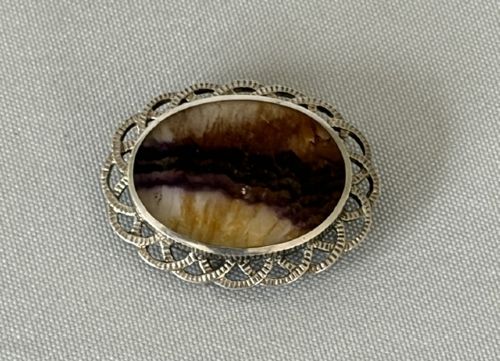
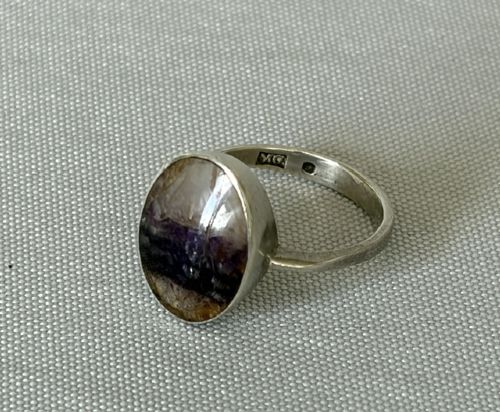
While natural amethyst is the most common gemstone seen, the category also includes antique paste, purple glass, and Blue John fluorite. Each material brings a distinct visual quality to the items.
Testing and examination of the settings help determine whether a stone is a natural quartz or a period paste replacement.
How do I distinguish Edwardian from Victorian styles?
Victorian pieces often feature heavier gold work, mourning elements, and rich cluster designs. They tend to feel substantial and grounded in traditional motifs.
Edwardian items generally showcase lighter, more airy openwork, frequently combining amethysts with seed pearls and diamonds in delicate lavaliers and drop earrings.