

Antique Prep Table Drawers
Antique prep table drawers bring working utility to a room through centuries of timber craftsmanship.
Antique Prep Table Drawers
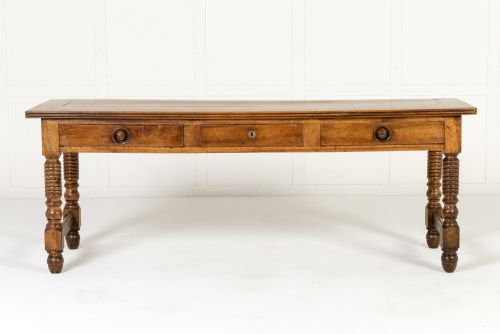
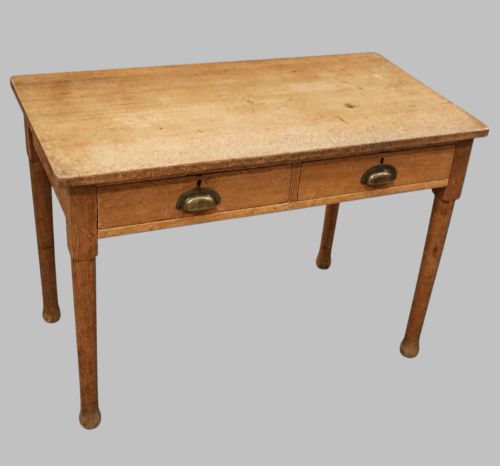
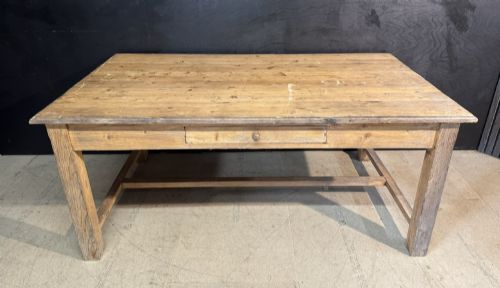
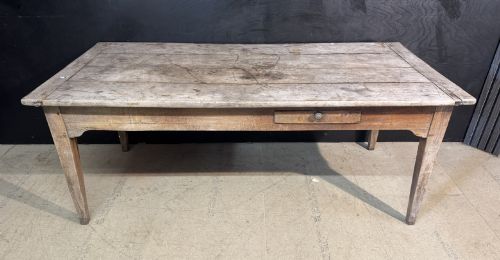
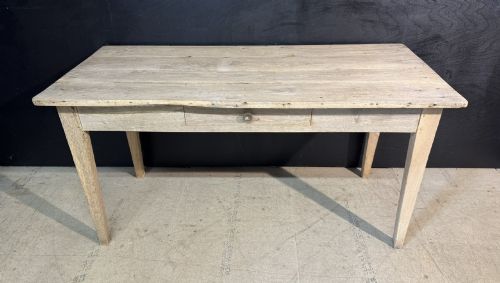
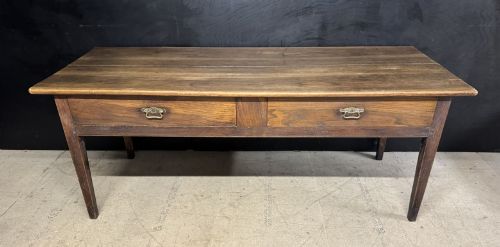
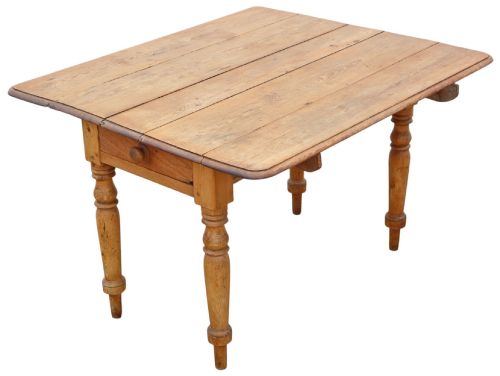
These pieces are functional kitchen, scullery, and dairy tables equipped with built-in storage compartments, emerging from Georgian, Victorian, and early twentieth-century domestic spaces. When you search for antique prep table drawers, you encounter utilitarian furniture designed for heavy daily service rather than formal display.
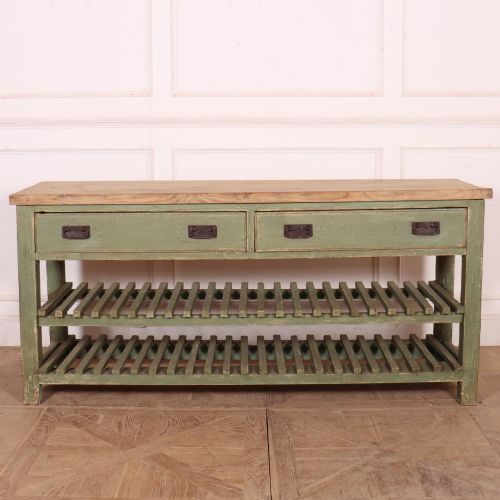
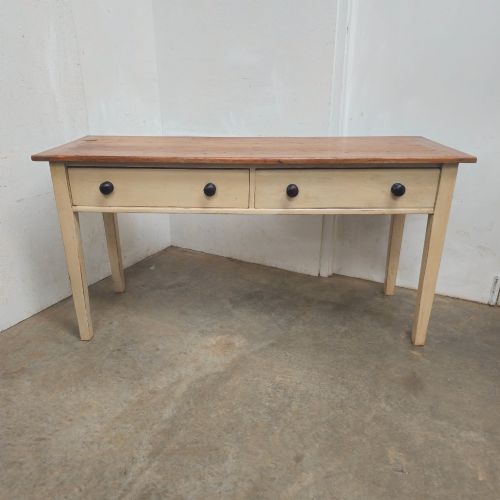
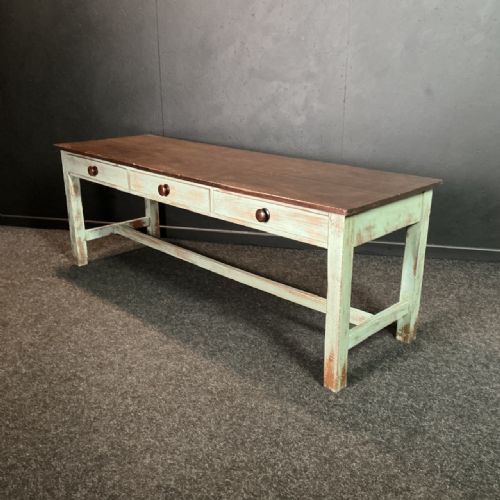
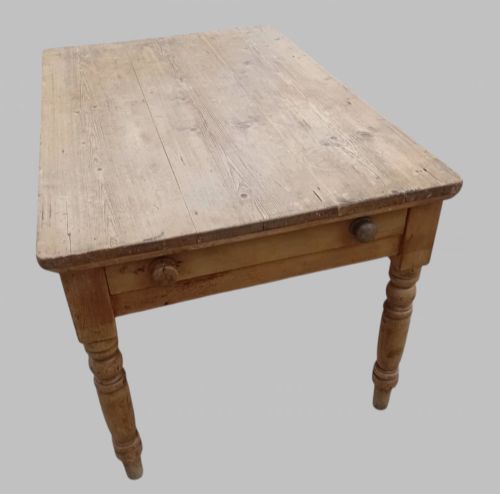
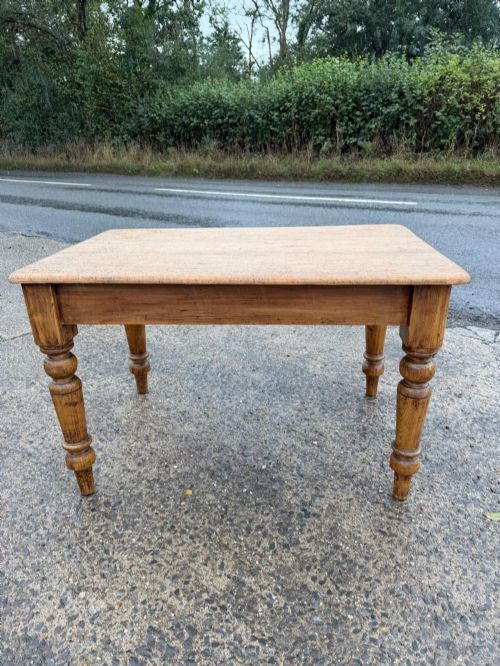
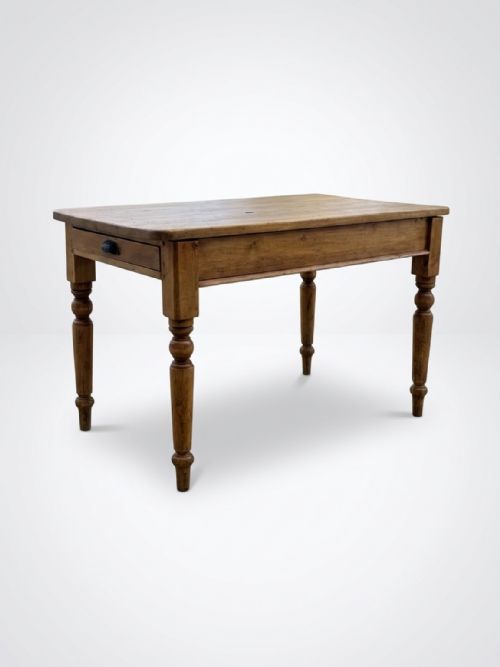
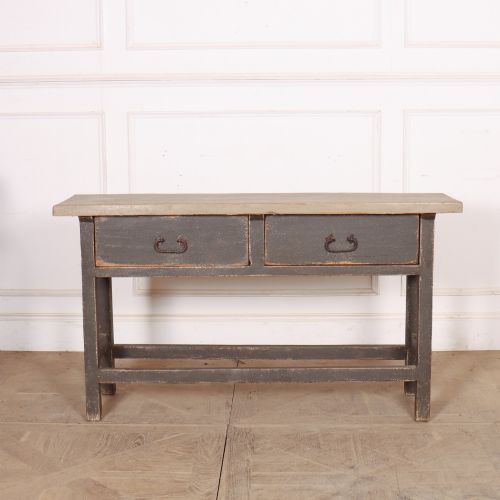
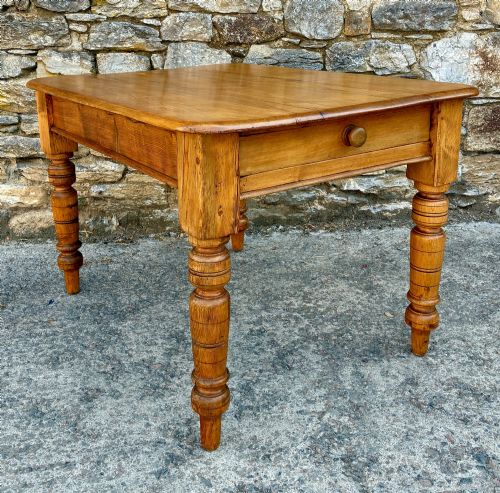
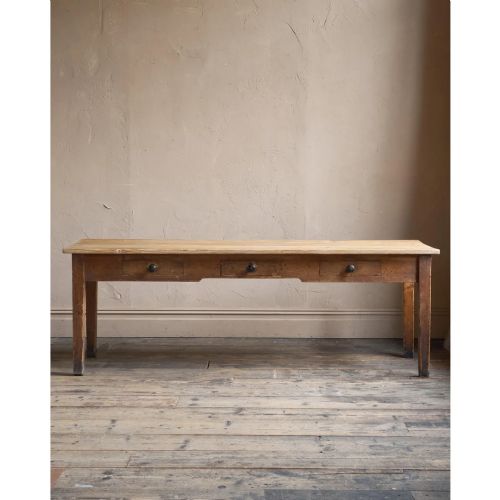
The most common forms on this page include pine farmhouse tables, painted servers, and scrub-top kitchen islands featuring single or multiple drawers set into the front frieze. Materials span native pine, oak, sycamore, and fruitwood, often retaining traces of their original paint finishes or showing the pale warmth of bare scrubbed timber.
Origins vary between English country houses and French provincial workshops, yielding distinct regional proportions from long consoles to compact scullery pieces. Each table reflects the practical demands of historic food preparation, laundry work, or general household management.
Materials and Construction
Makers relied primarily on sturdy softwoods and hardwoods like pine, oak, and sycamore to withstand the rigours of domestic work. Table tops were frequently fashioned from thick boards designed to endure constant scrubbing, while drawer construction utilised traditional joinery set neatly into the front frieze.
Iron and brass fittings appear across handles and pulls, fastening securely to timber drawers that slide within simple wooden runners. Paint finishes, whether original or applied later, protected the underlying wood and added colour to sculleries and farmhouses.
Antique Prep Table Drawers Retail Price Guide 2026
Typical asking prices for prep table drawers among the pieces listed under this phrase on Sellingantiques today, from the lower quarter to the upper quarter. They describe what is for sale here now, not the wider market.
Regional forms span English country house prep tables, French provincial consoles, and Scottish kitchen preparation tables with integrated drawer friezes.
Distinctions in Quality
Quality rests upon the integrity of the timber and the preservation of original surfaces, such as untouched painted legs or scrubbed pine tops that retain their historic character. Tables built with dense pitch pine or well-figured oak demonstrate greater structural resilience than simpler utility pieces.
The sophistication of the drawer construction and the harmony of regional proportions distinguish finer workshop output from basic domestic furniture. Elements like original brass hardware and untouched structural frames elevate certain examples above standard utilitarian items.
The Antique Prep Table Drawers Glossary
- Frieze
- The horizontal band running beneath the top edge of a table, where drawers are commonly housed.
- Scullery table
- A heavy utilitarian work table designed for washing, food preparation, and messy kitchen tasks.
- Drop leaf
- A hinged table flap that folds down to save space or lifts to extend the surface area.
- Potboard
- A lower slatted shelf fitted between the legs of a serving table for storing pots and pans.
- Dairy table
- A specialised work table, often featuring scrubbed sycamore or pine, used in milk and cheese processing.
Antique Prep Table Drawers: Frequently Asked Questions
What rooms suit these tables?
These tables adapt easily to modern kitchens, utility rooms, or dining spaces where functional surface area is required. Their historic character brings warmth and practical storage to contemporary interiors.
Position a long pine example as a central island or place a narrow console version against a hallway wall. The integrated drawers offer useful containment for everyday kitchen utensils or table linens.
How do I clean scrubbed tops?
Scrubbed wooden tops respond best to gentle cleaning with warm water and mild soap, applied with a stiff natural bristle brush. Avoid harsh chemical cleaners that strip the historic patina from the timber.
Allow the wood to dry thoroughly after washing to prevent warping. Occasional application of suitable wax or oil helps nourish older pine and oak surfaces.
Are painted finishes original?
Paint finishes on these tables vary between authentic historic layers and later decorative applications applied during subsequent decades of use. Close inspection of wear patterns around the handles and legs helps determine age.
Both original and later painted surfaces hold distinct decorative appeal depending on the piece. Dealers often note whether paint is original or later within the individual descriptions.
How are periods identified?
Periods are determined through construction methods, timber selection, nail types, and overall design characteristics typical of Georgian or Victorian workshop practices. Hand-cut dovetails in the drawers and vernacular regional proportions offer strong chronological clues.
Comparing the hardware and secondary woods provides further confirmation of a table's approximate date. Each era imparted distinct stylistic traits to otherwise straightforward utility furniture.