
Antique Pottery Vase
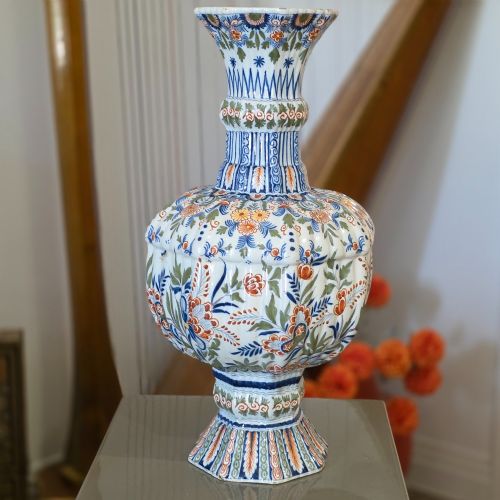
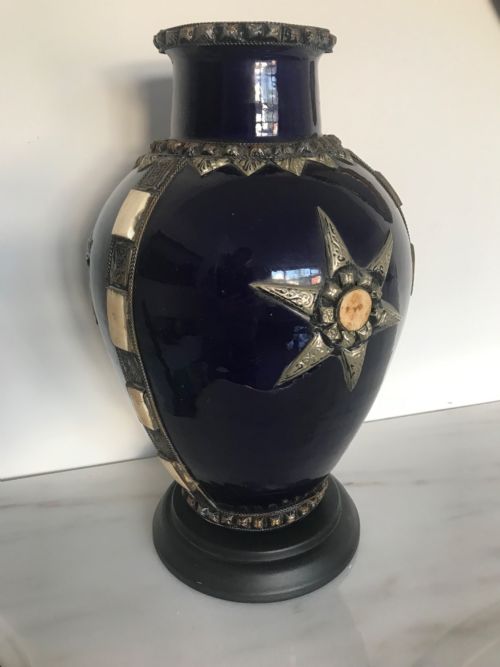
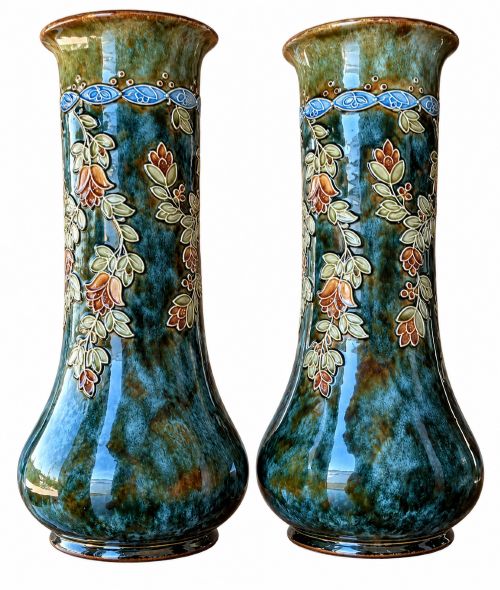
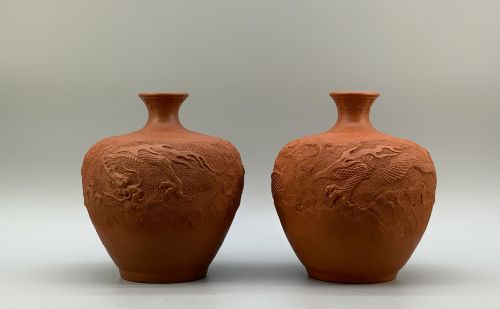
When you search for an antique pottery vase, you encounter centuries of global ceramic artistry ranging from Staffordshire figures to Japanese Satsuma ware.
Antique Pottery Vase
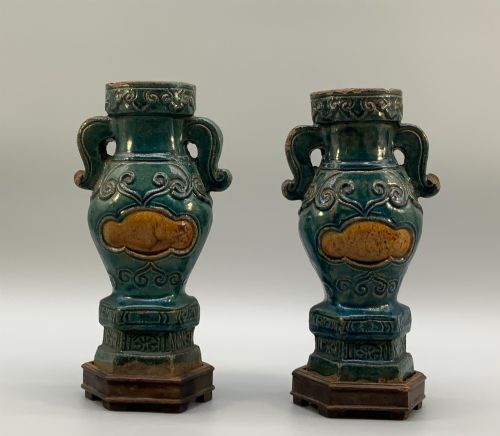
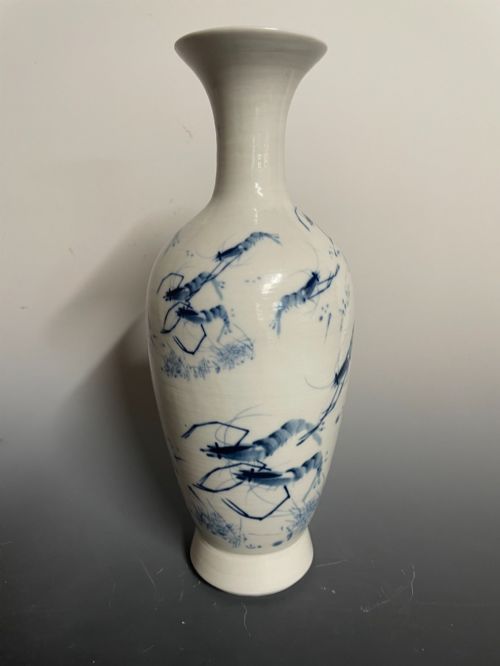
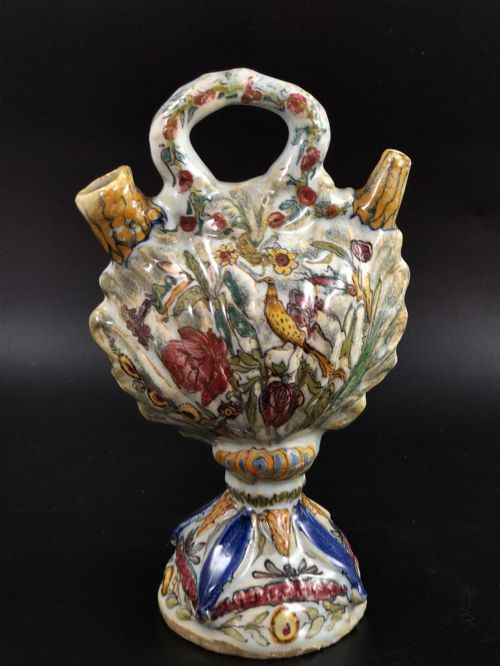
An antique pottery vase is a functional or decorative ceramic vessel shaped by hand or wheel, encompassing diverse international traditions. When browsing this selection, buyers frequently encounter 19th-century European earthenware, earthenware jugs, and intricate Asian ceramics.
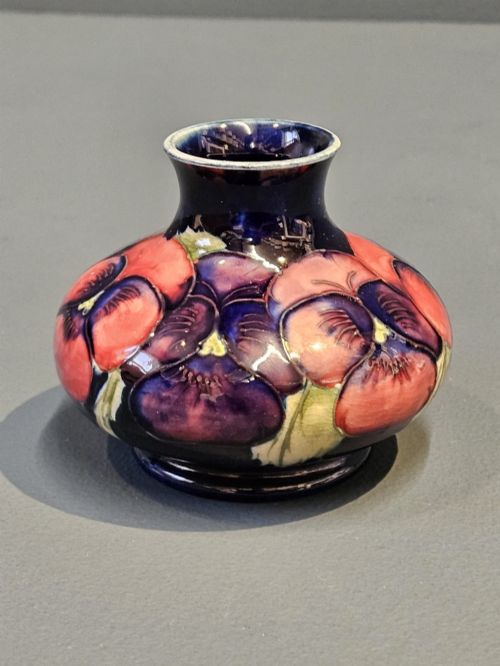
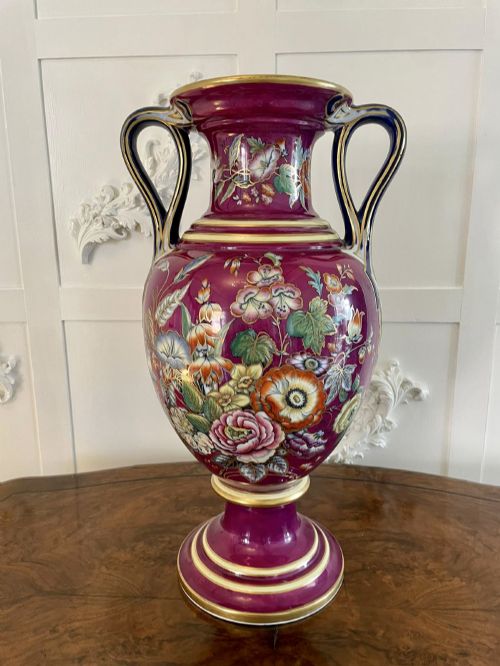
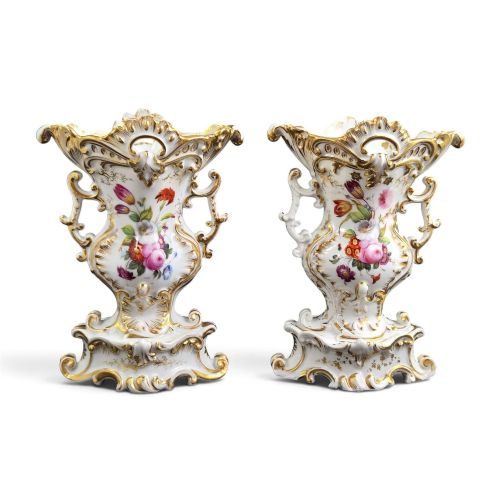
The objects span varied domestic and ornamental forms, including spill vases, mantle urns, pilgrim flasks, and cabinet pieces. European examples often reflect Victorian, Art Nouveau, and Arts and Crafts movements, while international pieces showcase Meiji period Japanese design and Chinese dynastic styles.
Makers and regional potteries utilised local clays and distinctive firing methods to create vessels defined by their specific cultural eras. These objects survive as testaments to historic ceramic techniques, serving as both decorative centrepieces and collectible historical artefacts.
What varies in quality
Quality in these ceramics rests upon the precision of the form, the crispness of the moulding or throwing, and the skill evident in the hand-painted or glazed decoration. Superior examples display balanced proportions, clear detailing in relief work, and harmonious colour application without muddiness.
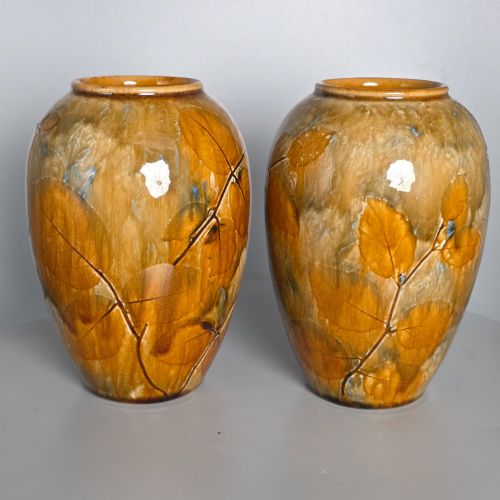
The reputation of the pottery or the specific artist significantly influences the desirability of a piece. Well-documented factories and named designers achieved a higher standard of artistic execution, utilising superior chemical formulations for their glazes and finer control in the kiln.
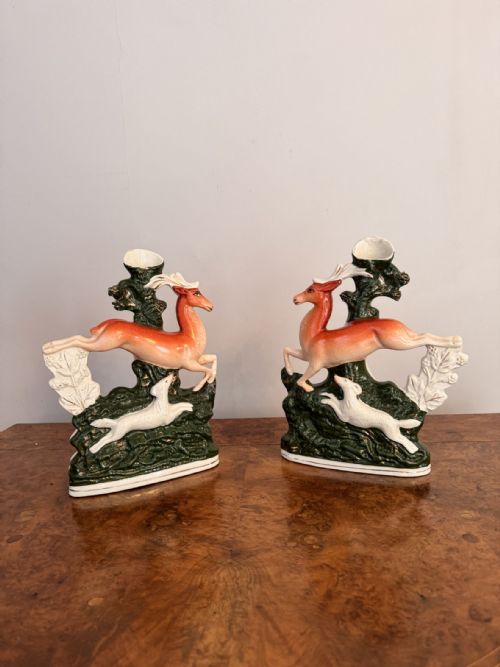
Several Victorian spill vases star stubborn sheep and deer locked in perpetual ceramic standoffs.
Royal Doulton·Moorcroft·Cantagalli·Jacob Petit·Fourmaintraux-Courquin
The Antique Pottery Vase Glossary
- Spill vase
- A small cylindrical container traditionally used to hold wooden spills for lighting fires or candles. These decorative items were commonly produced in pairs by Staffordshire potteries.
- Majolica
- A type of earthenware decorated with opaque coloured tin glazes over a calcareous clay body. Italian and revivalist potteries utilised this technique to achieve vibrant polychrome surfaces.
- Tube-lining
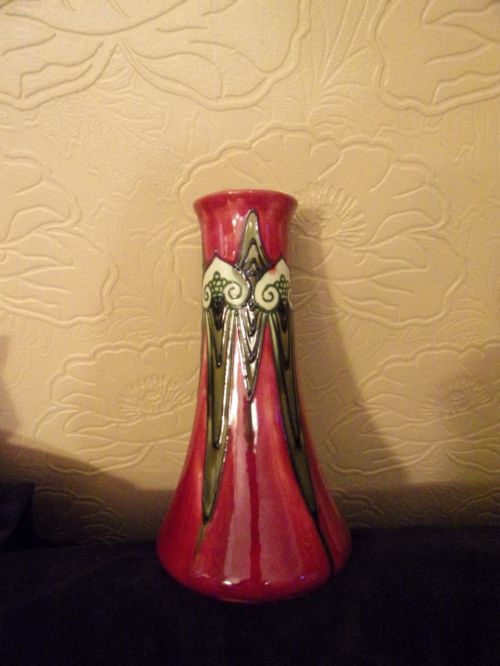
- A ceramic decoration method where fine lines of clay slip are squeezed from a nozzle onto the vessel to outline a pattern. This raised grid is subsequently filled with coloured glazes.
- Satsuma ware
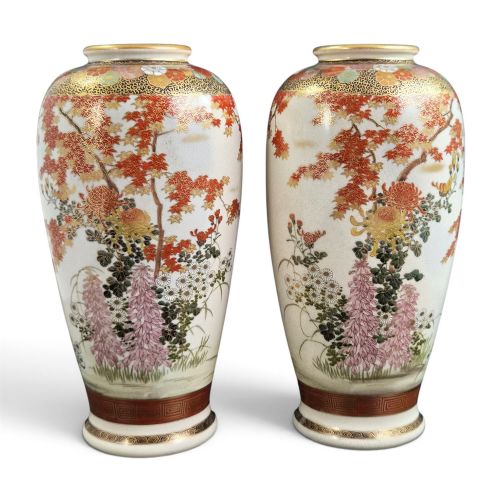
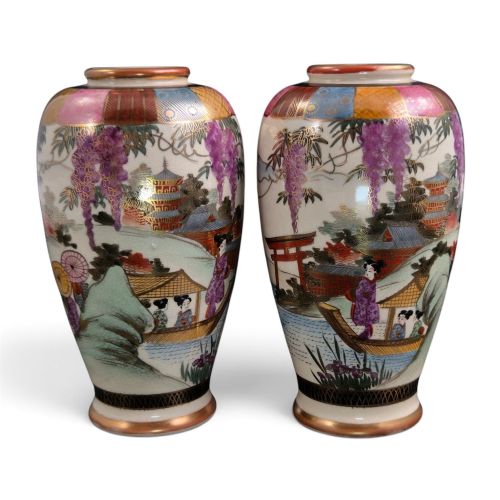
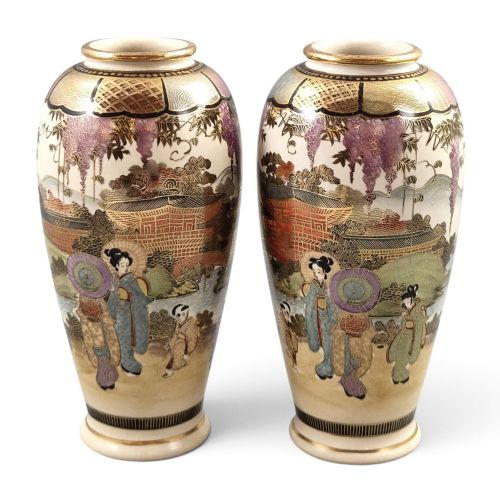
- Japanese pottery traditionally featuring a crackle-glaze earthenware body decorated with intricate polychrome enamels and gold leaf. These export wares often depict figurative scenes and natural motifs.
- Faience
- European tin-glazed earthenware produced in imitation of imported Chinese porcelain or fine Italian majolica. French and Dutch centres perfected this opaque white glazing method.
Antique Pottery Vase: Frequently Asked Questions
What is a spill vase used for?
Historically, a spill vase sat on the mantelpiece to hold slender rolled paper or wooden spills. These dry sticks were ignited from the hearth fire to light candles, pipes, and lamps before matches became common.
Over time, many of these utilitarian holders evolved into purely decorative ceramic ornaments, particularly the Staffordshire animal and figural groups collected today.
How do I identify Satsuma ware?
Satsuma ceramics are typically distinguished by their cream-coloured, earthenware body covered in a fine network of transparent crackle glaze. They are traditionally embellished with dense hand-painted enamel designs and gold leaf detailing.
Most pieces found in Western markets were produced in Kyoto and other manufacturing centres during the Meiji period specifically for export, often bearing maker marks on the base.
What is earthenware pottery?
Earthenware is porous pottery fired at relatively low temperatures, meaning it requires a glaze to become watertight. It represents one of the oldest and most widespread ceramic mediums used globally across various historical periods.
Because the clay body remains porous and softer than stoneware or porcelain, antique earthenware pieces often show a coarser texture beneath chips or losses in the surface glaze.
How do I care for antique ceramic vases?
Antique ceramics require gentle handling and should be kept away from direct sunlight to prevent fading on enamelled or painted surfaces. Dust them softly with a dry, clean cloth rather than using liquid cleaners, which can seep into old cracks or porous unglazed areas.
Avoid displaying them in environments with fluctuating humidity or temperature extremes, as these conditions can stress the underlying clay body and historic glaze layers.