



Antique Pottery Trinket
These antique pottery trinket pieces are small ceramic boxes and dishes designed to hold small valuables, offering both decorative charm and historical utility.
Antique Pottery Trinket
When you search for antique pottery trinket items, you encounter a variety of small ceramic containers and dishes designed for domestic use. The selection spans miniature bowls, pin trays, lidded boxes, and patch boxes originating from English, French, and Asian makers.
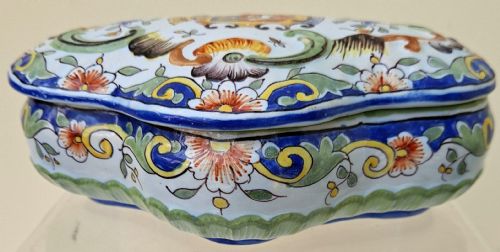
The most common examples on this page include French faience pin trays, lidded boxes from European potteries, and Japanese Satsuma earthenware jars. These items date from the eighteenth century through to the Art Deco period of the nineteen thirties.
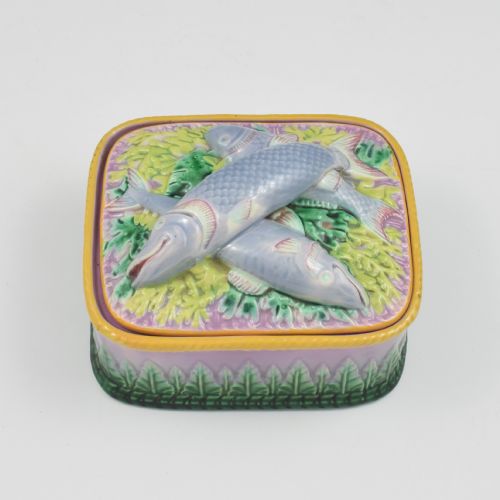
Smaller receptacles function as vide-poche dishes or bonbonniere boxes, while larger lidded vessels serve as decorative bowls or sardine boxes. Each form reflects the specific domestic habits of its period.
How they were made
Makers utilised earthenware, porcelain, and pearl ware as the base ceramic bodies for these pieces. Artisans shaped these materials using traditional throwing and moulding techniques before applying decorative finishes.
Surface decoration frequently involves tin glaze, enamel work, and polychrome hand-painting. Gilding and blue and white printing appear on select Victorian and Georgian examples, followed by lustrous finishes in later twentieth-century pieces.
Antique Pottery Trinket Retail Price Guide 2026
Typical asking prices for pottery trinket among the pieces listed under this phrase on Sellingantiques today, from the lower quarter to the upper quarter. They describe what is for sale here now, not the wider market.
Listings span periods from the eighteenth century to the Art Deco nineteen thirties, incorporating English pearl ware and Japanese earthenware.
What varies in quality
The standard of a piece depends largely on the precision of the hand-painted decoration and the crispness of the moulded details. Finer examples display deliberate brushwork and well-defined glazes that adhere cleanly to the ceramic body.
Attribution to known potteries and distinct artistic periods also elevates a piece. Items featuring specialised techniques such as lustre glazes or intricate enamelling demonstrate a higher tier of workshop output.
George Jones·Toshozan·Daisy Makeig-Jones Wedgwood·Moorcroft·Limoges
The Antique Pottery Trinket Glossary
- Majolica
- A type of colourful lead-glazed earthenware popular during the Victorian era. It is known for moulded relief designs depicting natural motifs.
- Jasper Dip
- A fine-grained stoneware developed by Wedgwood, featuring a coloured exterior slip applied over a white clay body. It produces a distinct contrasting cameo effect.
- Bonbonniere
- A small ornamental box or container originally designed to hold sweets or confectionery. They appear in ceramic forms during the Art Deco period.
- Vide-Poche
- A small shallow dish designed to hold pocket contents such as coins or keys. The French term translates literally to empty pocket.
Antique Pottery Trinket: Frequently Asked Questions
What were antique trinket boxes used for?
These small ceramic containers served to hold personal valuables such as rings, pins, and patch boxes. Wealthy households utilised them on dressing tables and desks to organise daily accessories.
Over time, their decorative appeal surpassed their strict utility. They became popular mantelpiece ornaments and collector items displayed in cabinets.
How do I identify French faience?
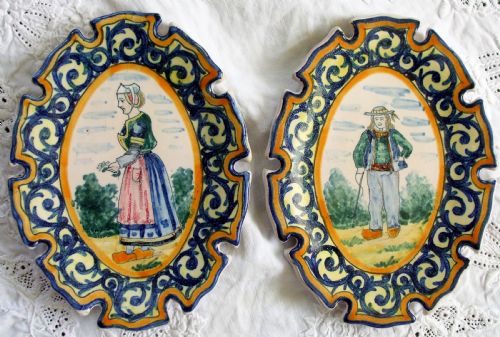
French faience exhibits a tin-glazed opaque surface over an earthenware body. The decoration is usually hand-painted in traditional blue and white or vibrant polychrome palettes.
Many pieces bear painted town or workshop signatures on the underside, such as Desvres, Rouen, or Quimper.
What is Satsuma earthenware?
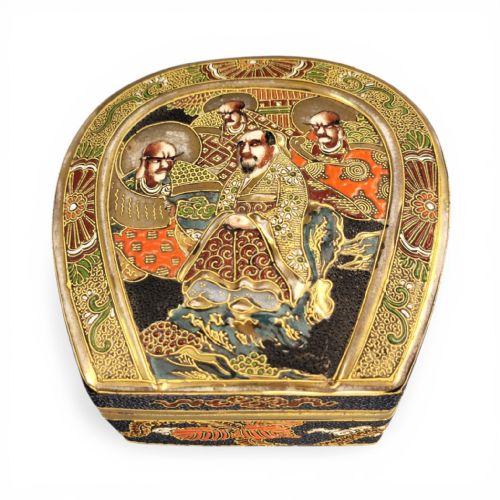
Satsuma ware is a distinctive type of Japanese pottery featuring a crackle-glaze ivory earthenware body. Artisans decorated these pieces with intricate enamels and raised gilding.
Items from the Meiji period frequently depict traditional figural scenes and botanical motifs rendered with exceptional detail.
How do I care for antique pottery?
Keep ceramic trinket pieces out of direct sunlight to prevent the painted enamels and gilding from fading. Dust them gently with a soft, dry cloth rather than using liquid cleaners.
Avoid placing damp items inside unglazed or porous ceramic bodies to protect the historical material.