




Antique Pottery House
An antique pottery house captures domestic charm in earthenware, offering collectors miniature buildings shaped as cottages and historic properties.
Antique Pottery House
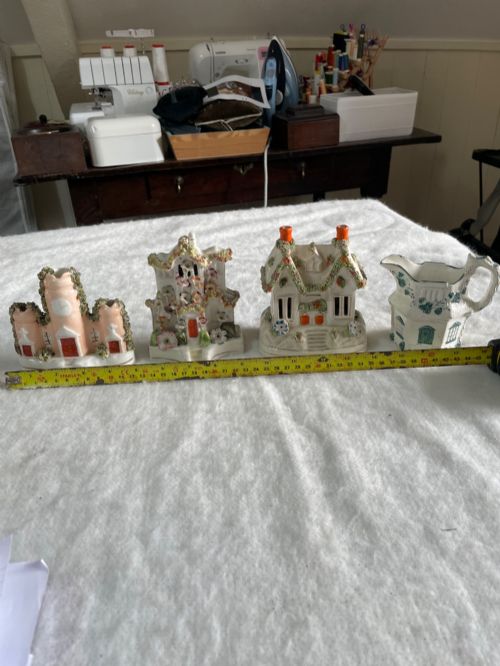
The term antique pottery house refers to sculptural ceramic buildings and Staffordshire cottages modeled after rural homes and historic structures. Buyers seeking these items will encounter Victorian Staffordshire examples most frequently among the selection.
These ceramic buildings often function as ornamental mantel ornaments or decorative figures rather than utilitarian vessels. The offerings span periods from the Georgian era through the late nineteenth century.
Makers shaped these structures to reflect contemporary architectural styles, ranging from simple rustic dwellings to grander historic buildings. Each piece provides a tangible connection to nineteenth-century ceramic traditions.
Materials and construction methods
Potters utilised earthenware and ceramic bodies moulded into architectural forms before applying lead glazes or enamel colours. These materials provided a stable base for the detailed hand-painted windows, doors, and roof tiles.
Techniques involved shaping clay through press-moulding or slip-casting to achieve the distinct walls and pitched roofs of each cottage. Subsequent firing fixed the glazes and pigments to the ceramic surface.
Antique Pottery House Retail Price Guide 2026
Typical asking prices for pottery house among the pieces listed under this phrase on Sellingantiques today, from the lower quarter to the upper quarter. They describe what is for sale here now, not the wider market.
Listings feature items spanning the seventeenth through the nineteenth centuries, incorporating earthenware, lead glaze, and transfer-printed plates.
Distinctions in quality and execution
The standard of a pottery house depends upon the crispness of the moulding and the precision of the hand-painted details. Finer examples display carefully defined architectural elements and evenly applied glazes.
Subtleties in colour application and the preservation of the original enamel surface separate superior specimens from simpler production pieces. The depth of the relief work on the ceramic body also dictates the visual impact of the building.
Pettys & Co. Leeds·Masons
The Antique Pottery House Glossary
- Staffordshire
- A term denoting ceramic wares produced in the pottery towns of Staffordshire, England. This region became the primary centre for figures and decorative cottages during the nineteenth century.
- Earthenware
- A porous pottery body fired at relatively low temperatures. It requires a glaze to become impermeable to liquids and serves as the foundation for most nineteenth-century figures.
- Slipware
- Pottery decorated with slip, which is liquefied clay applied to the damp body before firing. Potters used this technique to create contrasting linear patterns or surface textures.
- Flatback
- A style of Staffordshire figure moulded with a flat, unpainted rear designed to sit against a wall. This construction method saved materials and eased production for mantel ornaments.
- Enamel
- Opaque vitreous colours fused to the ceramic surface during a secondary low-temperature firing. Potters applied these pigments to add bright surface detail to glazed figures.
Antique Pottery House: Frequently Asked Questions
What is an antique pottery house?
An antique pottery house is a ceramic model of a cottage or building, typically produced in Staffordshire during the nineteenth century. These decorative items were designed as mantel ornaments and display pieces.
Potters shaped these miniature structures from earthenware, often adding hand-painted details to represent brickwork, thatch, and foliage. They reflect the domestic architectural styles popular during the Georgian and Victorian periods.
How were ceramic cottages used?
Victorian households displayed these ceramic buildings on mantelpieces and side tables as decorative ornaments. They brought miniature rustic scenery into the domestic parlour.
Some specific forms were also produced as pastille burners, where scented smoke would drift from the miniature chimneys. Their primary function, however, remained purely ornamental.
How do you date an antique pottery house?
Dating relies on stylistic clues, the type of ceramic body, and the characteristics of the glaze. Earlier Georgian pieces often show distinct moulding styles compared to later Victorian iterations.
Examining the underside and the wear on the earthenware base helps determine the age of the piece. Comparison with documented Staffordshire patterns provides further chronological context.
How do you care for glazed pottery?
Care involves gentle dusting with a soft, dry cloth to prevent the accumulation of dirt on the glazed or enamelled surfaces. Avoid using harsh chemical cleaners or abrasive materials.
Display the pieces away from direct sunlight and areas subject to sharp temperature fluctuations. This protects the fragile earthenware body and the hand-painted enamel colours from degradation.