



Antique Pottery Dome
These antique pottery domes are practical Victorian table pieces designed to keep cheese fresh, combining robust earthenware with sculptural presence.
Antique Pottery Dome
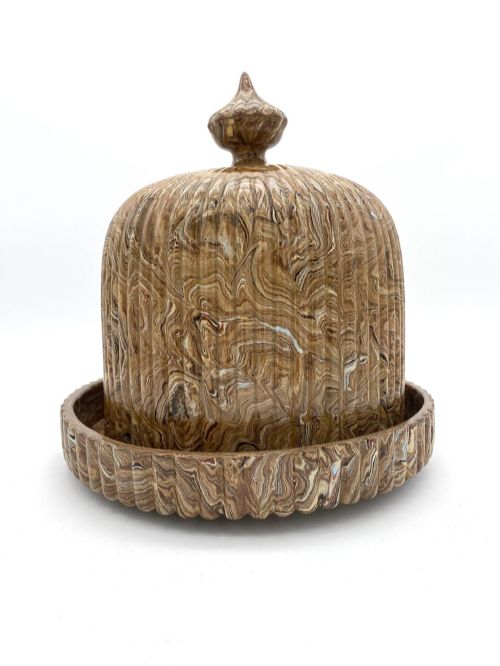
An antique pottery dome primarily takes the form of a cheese dish or cheese bell complete with its matching stand, originating mostly from the Victorian era. The selection spans the late nineteenth century, capturing standard serving pieces from around eighteen eighty alongside earlier mid-century examples.
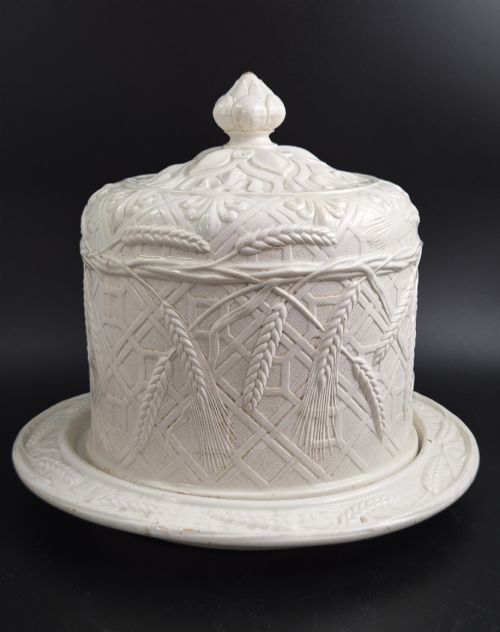
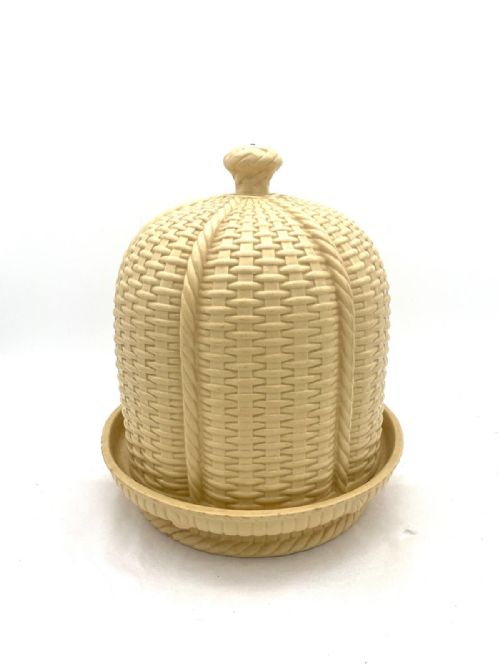
Makers produced these covers in various ceramic bodies, ranging from crisp white ironstone and basket-weave drabware to colourful majolica and classical jasperware. Most pieces functioned as domestic serveware, protecting large cheeses on the dining table while displaying intricate moulded patterns.
How they were made
Potters utilised durable earthenware and ironstone to shape these large domes and stands, ensuring the heavy ceramic could withstand daily dining use. Moulding techniques allowed workshops to produce detailed relief decoration, such as wheat and lattice motifs or woven basket textures.
Skilled artisans applied rich glazes, including glossy majolica colourways and contrasting white finishes, before firing the ceramics at high temperatures. Some iterations incorporated delicate gilt highlights to accent the moulded surfaces.
Antique Pottery Dome Retail Price Guide 2026
Typical asking prices for pottery dome among the pieces listed under this phrase on Sellingantiques today, from the lower quarter to the upper quarter. They describe what is for sale here now, not the wider market.
Victorian diners required heavy ceramic domes because household cheeses were massive truckles that needed serious armour against ambitious kitchen cats.
What varies in quality
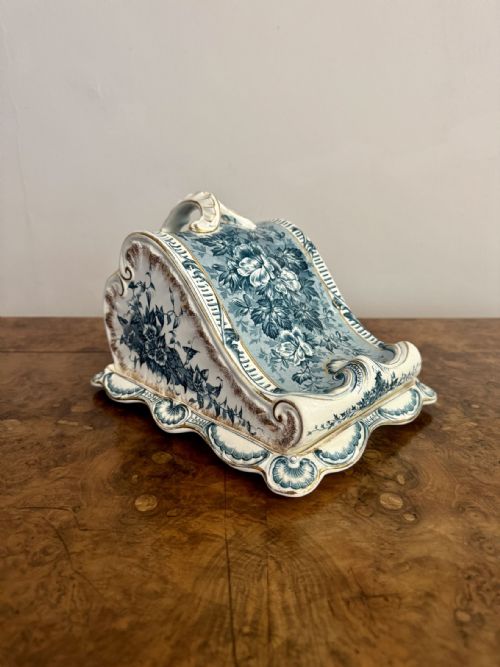
The sophistication of the modelling and depth of relief decoration distinguish superior examples from standard utilitarian wares. Crisp execution in complex designs, such as Victorian Chinoiserie pagoda patterns or finely detailed jasperware, elevates a piece.
The richness and evenness of the glaze application also separate exceptional items, particularly in colourful majolica where tonal variation defines the surface appeal. Furthermore, the presence of the matching original stand alongside the dome contributes significantly to the integrity of the object.
James Dudson·Masons Ironstone China
The Antique Pottery Dome Glossary
- Ironstone
- A dense, heavy type of earthenware patented in the nineteenth century for its durability and resistance to chipping. It provided an ideal bright white surface for domestic tablewares.
- Majolica
- A Victorian lead-glazed earthenware characterised by vibrant, brightly coloured plastic mouldings. The glaze pools in relief details to create rich tonal contrasts.
- Jasperware
- A fine-grained, unglazed stoneware developed with coloured body clay and applied white clay reliefs in the classical style. It is tactile and distinctively matte.
- Drabware
- A utilitarian stoneware or earthenware body coloured in muted grey-brown or olive drab tones, popular during the mid-nineteenth century. It often featured simple basket-weave textures.
Antique Pottery Dome: Frequently Asked Questions
What were antique pottery domes used for?
These ceramic covers served primarily to protect large cheeses from insects and drying out on the Victorian dining table. They sat upon matching trays or stands that caught crumbs and held the food.
Beyond basic preservation, elaborate majolica and ironstone versions acted as decorative centrepieces during formal meals. Hosts displayed them proudly to showcase domestic status and taste.
How do I date an antique cheese dome?
Dating relies heavily on ceramic bodies, glaze types, and registered design marks stamped underneath the base. Pieces from the Victorian period often exhibit distinct majolica colours or heavy ironstone moulding.
Stylistic cues like basket weave or Chinoiserie pagoda motifs also point to specific decades within the nineteenth century. Comparing the weight and decorative technique helps narrow the production era.
Are pottery domes and cheese dishes waterproof?
Most glazed earthenware and ironstone domes are completely waterproof and safe for standard serving use. The vitreous nature of ironstone prevents moisture absorption during cleaning.
Unglazed portions on certain decorative wares require gentle handling, but the interior surfaces are sealed for food contact. Hand washing preserves the historic glaze and any subtle gilt details.
How do I style a cheese dome at home?
Place the dome and its stand on a sideboard or dining table as a sculptural focal point that brings nineteenth-century texture to a room. They pair well with heavy timber surfaces and traditional kitchenalia.
While designed for cheese, they can also cover fresh bread, pastries, or simply stand alone to display the moulded ceramic artistry.