







Antique Pottery Birds
Antique pottery birds bring avian form and hand-painted plumage into interior spaces across earthenware, porcelain and Delftware.
Antique Pottery Birds
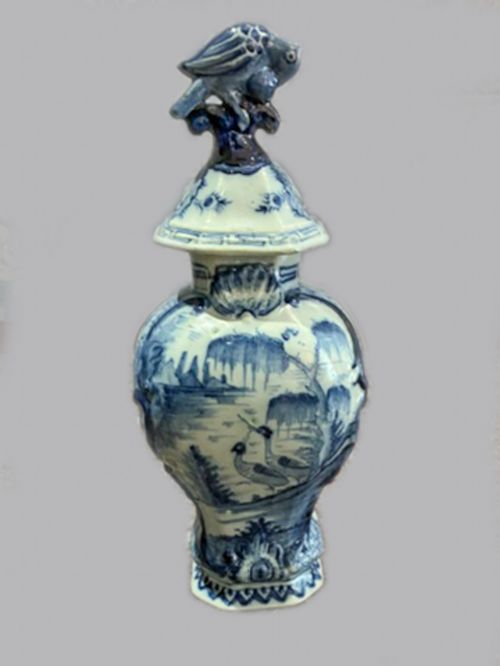
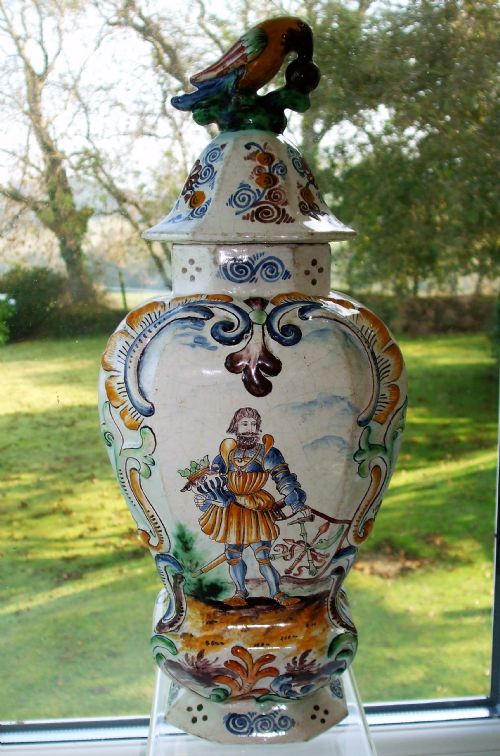
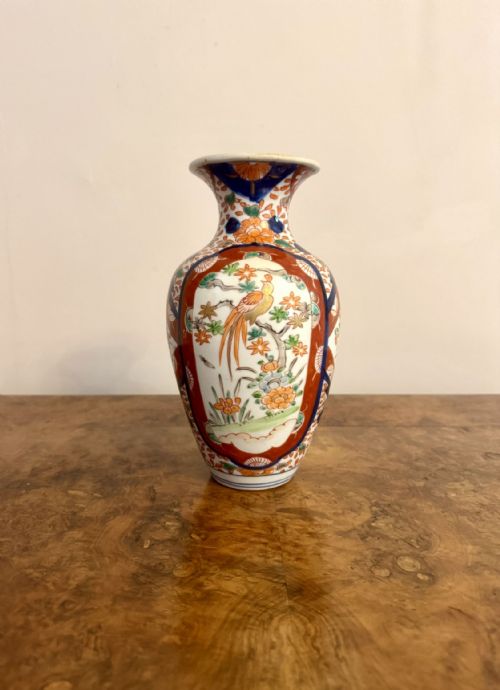
When you search for antique pottery birds, you encounter figures, vessels and plates from the eighteenth century to the early twentieth century. These items span Staffordshire figures, Japanese Satsuma and Imari ceramics, Dutch Delftware jars and English majolica.
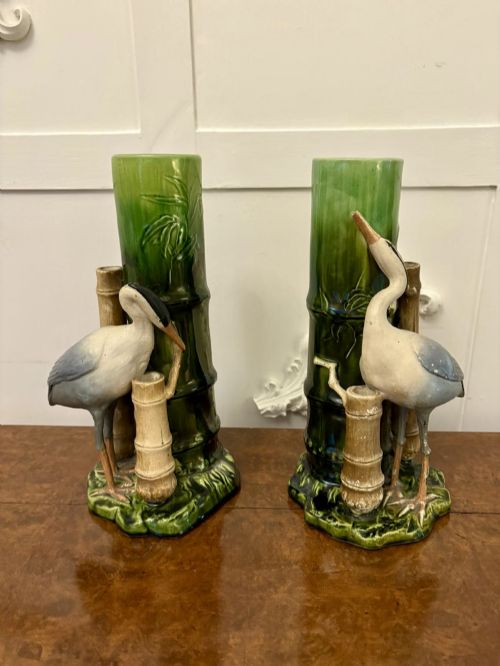
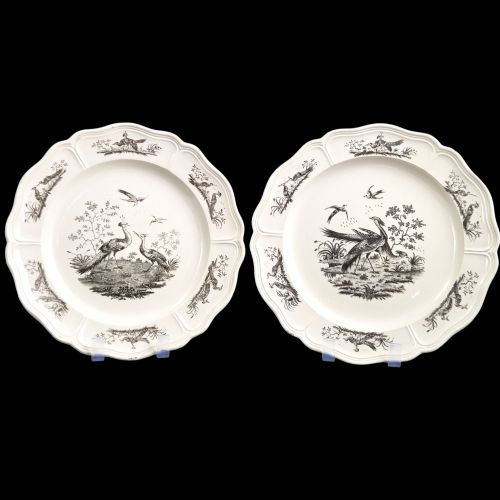
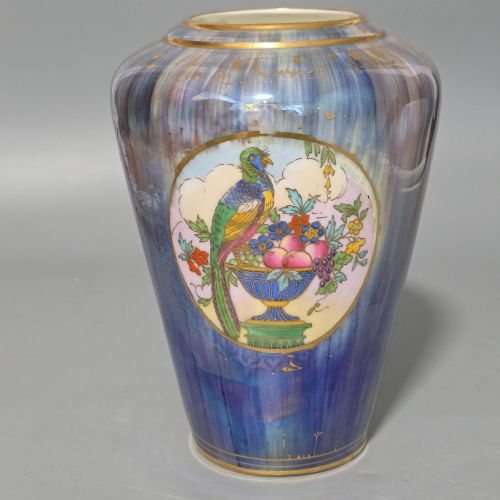
The selection on this page leans heavily toward Japanese porcelain plates and vases decorated with exotic birds, alongside European earthenware chargers and Staffordshire parrot figures. Forms range from covered vases and tureens to tiles and inkwells.
Origins stretch from British potteries like Minton and Leeds to Dutch kilns, Chinese furnaces and Japanese workshops such as those in Kyoto and Kobe. Each piece reflects the specific ceramic traditions and aesthetic movements of its period.
Materials and construction methods
Makers shaped these pieces from ceramic bodies including creamware, ironstone, earthenware, porcelain and tin-glazed clay. Potters threw vessels on wheels or moulded figures and tiles before firing them in kilns.
Decoration relied on hand enamelling, cobalt blue underglaze, polychrome faience, gold leaf and tin glazes to render plumage and flora. Artisans applied pigments directly to the biscuit or over fired glazes depending on the style.
Antique Pottery Birds Retail Price Guide 2026
Typical asking prices for pottery birds among the pieces listed under this phrase on Sellingantiques today, from the lower quarter to the upper quarter. They describe what is for sale here now, not the wider market.
What distinguishes finer examples
Quality rests in the precision of the hand painting, the clarity of the glaze and the nuance of the bird's modelling. Superior pieces display crisp brushwork and balanced compositions rather than rushed or muddy application.
Makers' marks, workshop signatures and exhibition provenance elevate certain items above standard production ware. The integration of form and surface decoration determines whether a piece succeeds as a work of art.
Bretby·Manpei Kobe·Kinkōzan Kyoto·Makuzu Kozan II·Minton and Hollins
The Antique Pottery Birds Glossary
- Earthenware
- Porous pottery fired at lower temperatures, typically covered in a glaze to ensure it holds liquids.
- Imari
- A style of Japanese porcelain featuring a palette of underglaze blue, iron red and gold, popular for export.
- Staffordshire
- Pottery figures and vessels produced in the English county of Staffordshire, known for animal and bird subjects.
- Delftware
- Tin-glazed earthenware originating in the Netherlands, traditionally finished in blue and white or polychrome.
- Majolica
- Heavy earthenware coated with an opaque tin enamel glaze and painted with bright colours.
Antique Pottery Birds: Frequently Asked Questions
How do I identify a Staffordshire parrot?
Staffordshire parrots usually appear as earthenware figures perched on hoops or branches, modelled during the nineteenth century with moulded feather details and bright hand-painted glazes.
Inspect the base for potting marks and check the crazing of the glaze to determine age.
What is Japanese Satsuma ware?
Satsuma ware consists of earthenware ceramics with an ivory crackle-glaze, decorated elaborately in enamels and gold leaf with scenes of birds, flowers and figures.
Look at the underside for artist signatures or workshop marks from Kyoto or Kobe.
How were Delft bird vases used?
Dutch Delft vases and jars with lids served as decorative garnitures in domestic interiors during the seventeenth and eighteenth centuries.
They displayed painted Chinoiserie birds and floral motifs on tin-glazed earthenware bodies.
Where should I display pottery birds?
Display these items on shelves, mantelpieces or within cabinets away from direct sunlight to protect enamel and gold leaf decorations.
Ensure larger chargers and plates use stable wall mounts or stands suited to their weight.