


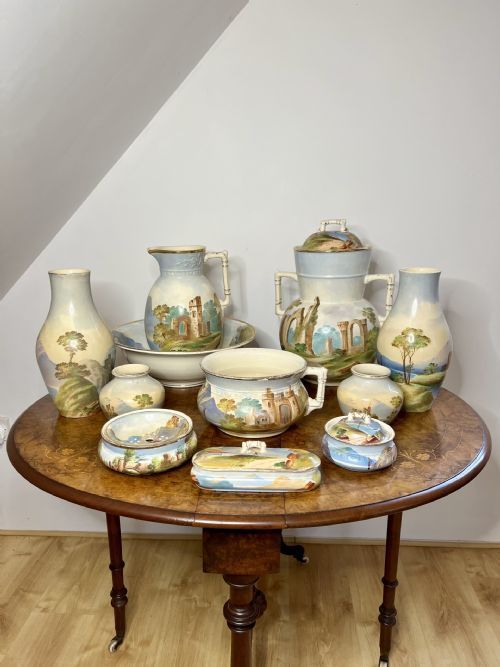

Antique Pottery Basin
An antique pottery basin brings tactile weight and domestic history into a room, serving as a functional vessel or a decorative centrepiece.
Antique Pottery Basin
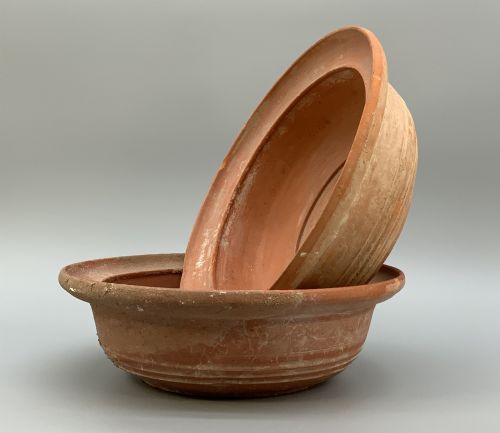
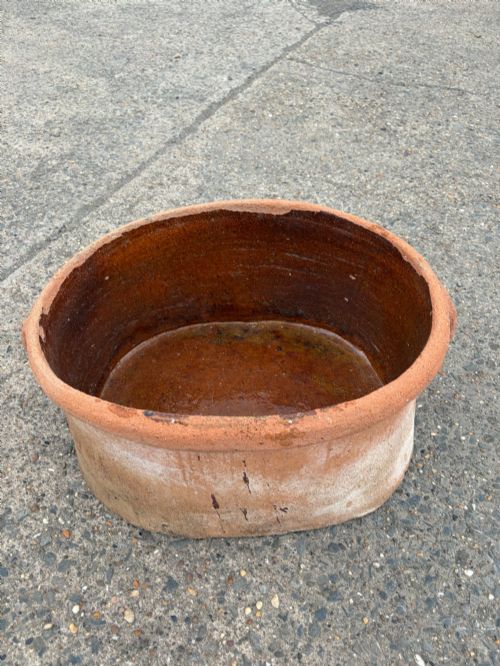
An antique pottery basin encompasses a range of domestic and decorative vessels, including large footbaths, wash sets, and deep dairy bowls used in daily life across past centuries.
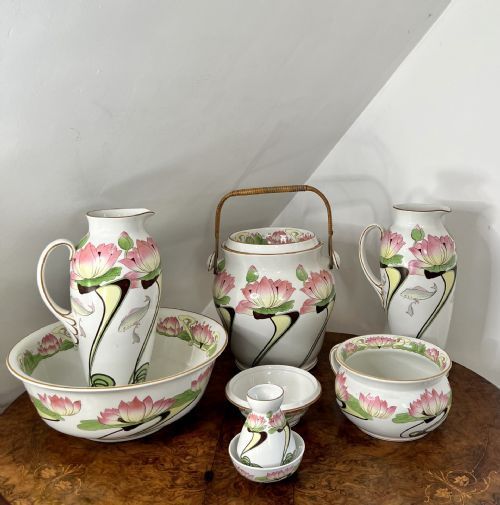
The selections available span multiple eras, featuring robust Victorian earthenware, delicate Edwardian sets, and earlier examples from Georgian and 18th-century workshops.
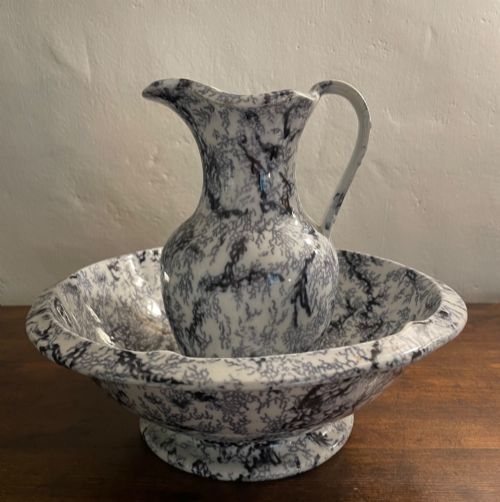
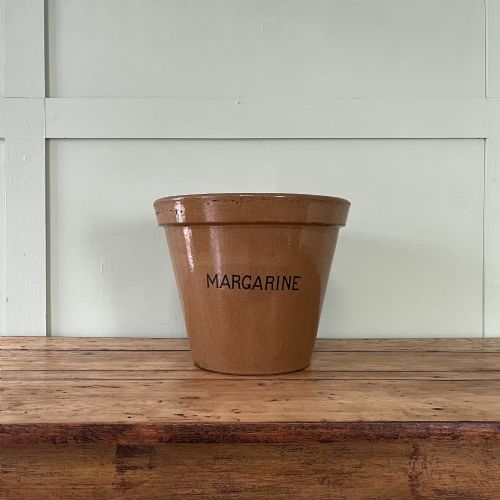
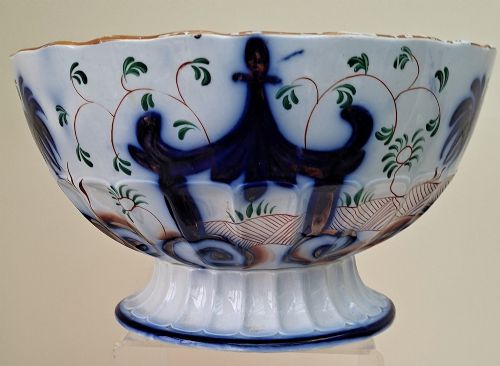
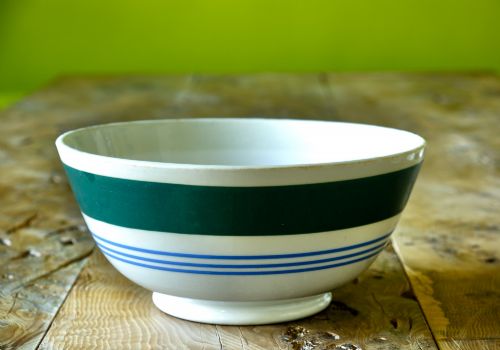
Forms vary from utilitarian kitchen storage crocks and dairy bowls to refined transfer-printed toilet basins and ornate Japanese Satsuma display pieces.
Materials and Construction
Potters shaped these vessels using earthenware, stoneware, terracotta, and porcelain, applying rich glazes, enamel, or gold leaf to seal the porous clay bodies.
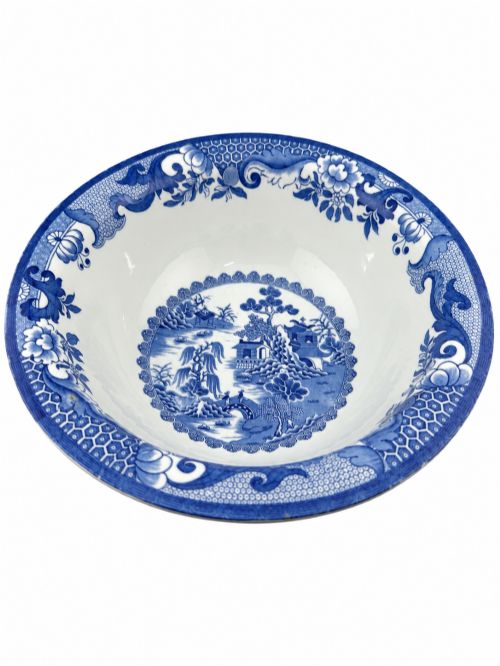
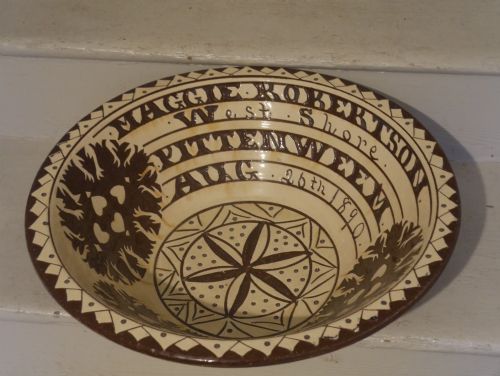
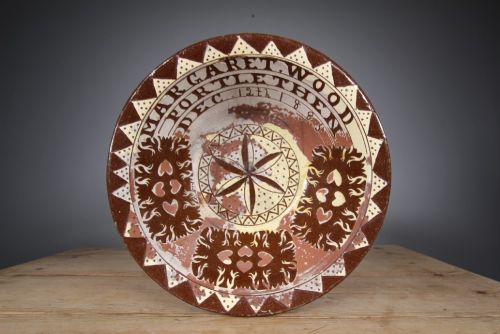
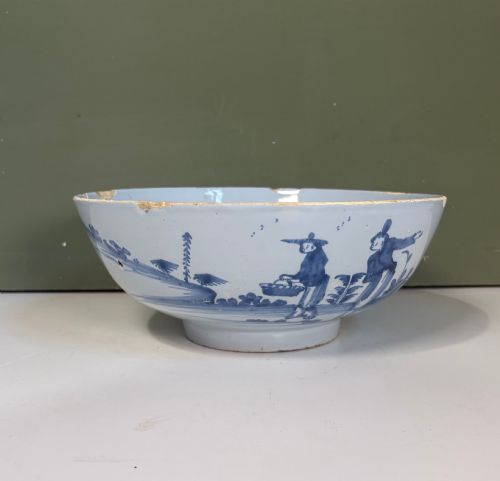
Decoration techniques include hand-painted patterns, blue and white transfer printing, slipware trailing, and intricate moulded reliefs executed by regional potteries and major factories alike.
Listings span the 18th, 19th, and early 20th centuries, utilising earthenware, stoneware, terracotta, and porcelain across multiple continents.
Assessing Craftsmanship
The caliber of an antique pottery basin depends on the crispness of the transfer print or the precision of the hand-painted brushwork applied beneath or over the glaze.
Subtleties in clay preparation, throwing thickness, and kiln temperature control dictate the resonance and durability of the finished ceramic body.
Wemyss·Seaton Pottery·T G Green·Mann Co·Doulton Lambeth·Minton·Sumida Gawa·Ridgway·Doulton Burslem·Kashan·Ryuzan·Nikko·Kinkozan·Spode·Shozan·Wedgwood
The Antique Pottery Basin Glossary
- Earthenware
- A porous pottery body fired at lower temperatures, requiring a vitreous glaze to hold liquids.
- Footbath
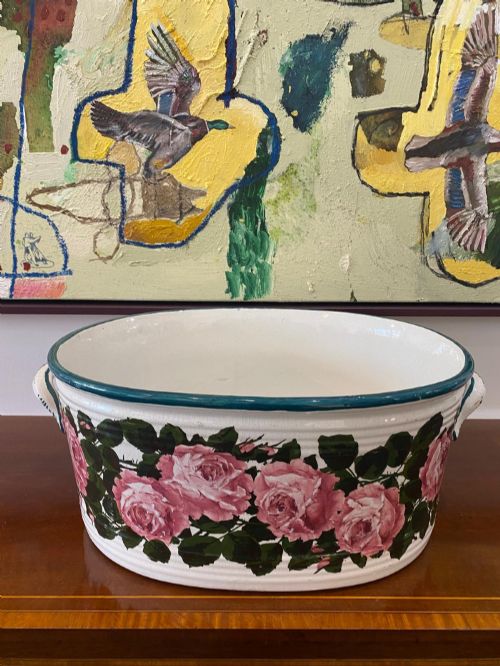
- A large, deep vessel originally designed for soaking feet, often featuring scroll handles on either end.
- Creamware
- A refined, light-coloured earthenware developed in the 18th century with a warm yellowish lead glaze.
- Transfer printing
- A method of applying intricate engraved designs to ceramic surfaces using tissue paper pulled from a copper plate.
- Slipware
- Pottery decorated with liquid clay applied to a contrasting clay body before firing.
Antique Pottery Basin: Frequently Asked Questions
What were antique pottery basins used for?
These basins served practical daily roles in household sanitation, personal hygiene, kitchen preparation, and dairy farming before modern plumbing existed.
Larger versions accommodated washing or footbaths, while smaller bowls handled food storage and table service.
How do I date an antique basin?
Dating relies on identifying backstamps, factory marks, style periods such as Victorian or Edwardian, and specific glazing techniques.
Transfer-printed patterns and regional clay types also provide strong clues to the decade of manufacture.
Are these basins waterproof?
Most pieces feature glazed interiors that successfully seal the underlying earthenware, stoneware, or porcelain body against moisture.
However, hairline fractures from age can compromise the watertight integrity of older ceramics.
How should I display a heavy footbath?
Due to their substantial weight and size, footbaths require sturdy surfaces such as low tables, sideboards, or dedicated stands.
Placing them away from high-traffic zones prevents accidental knocks against their glazed handles.