



Antique Pottery Barrels
These antique pottery barrels combine utilitarian strength with domestic charm, offering a tangible link to nineteenth-century life.
Antique Pottery Barrels
When you search for antique pottery barrels, you encounter a diverse group of ceramic vessels spanning the eighteenth, nineteenth, and early twentieth centuries. These items serve various domestic and decorative functions, originating from distinct periods such as the Victorian and Edwardian eras.
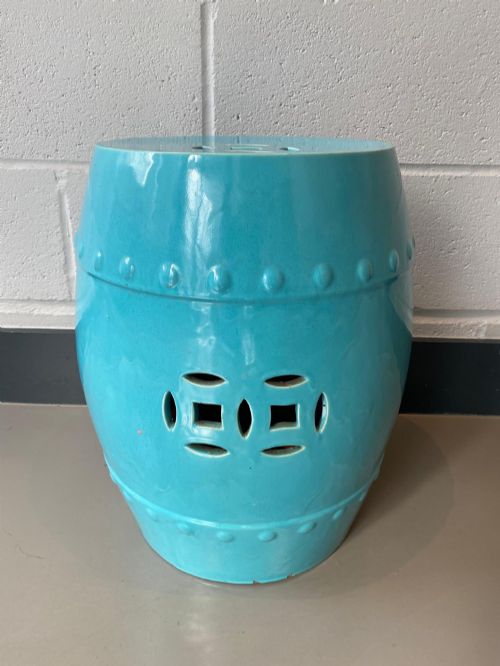
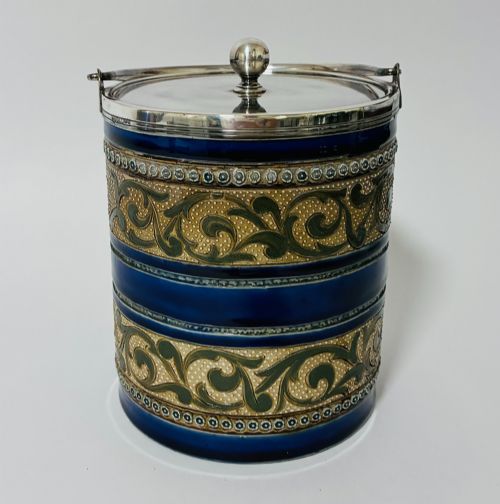
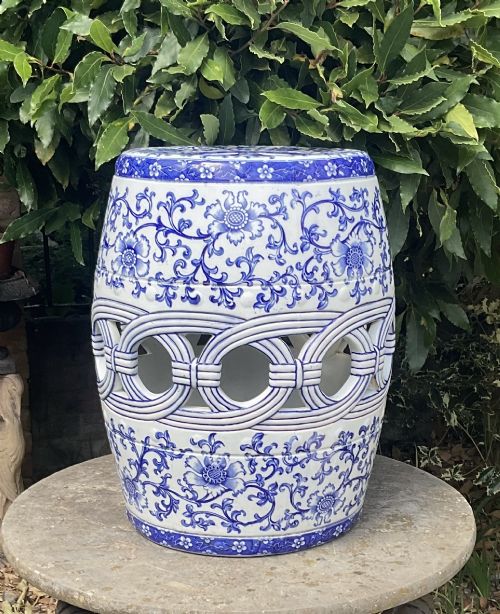
Biscuit barrels form a significant portion of what you see, often fitted with metal lids and mounts for the dining table. Alongside these, the inventory includes larger garden seats, stick stands, water filter urns, tobacco jars, and vinegar barrels.
The aesthetic range stretches from utilitarian salt-glazed stoneware to ornate Majolica, Creamware, and Jasperware. Pieces vary from simple blue and white patterns to elaborate French Country designs and neoclassical reliefs.
Materials and construction
Potters utilised durable stoneware, earthenware, and creamware bodies, often finished with salt glazes or rich lead glazes to ensure impermeability. Stoneware examples demonstrate high-fired strength suitable for heavy duty use in kitchens or gardens.
Moulded decoration, flow blue painting, and applied Jasperware reliefs define the surface treatment of finer tablewares. Metal fittings in silver plate provide secure lids and handles for biscuit barrels and tobacco jars.
Antique Pottery Barrels Retail Price Guide 2026
Typical asking prices for pottery barrels among the pieces listed under this phrase on Sellingantiques today, from the lower quarter to the upper quarter. They describe what is for sale here now, not the wider market.
Even your crackers demand a Victorian pedigree.
Judging quality in ceramic barrels
Quality rests upon the crispness of the moulded detail and the sophistication of the glaze application. Finer pieces display sharply defined reliefs in Jasperware and vibrant, even coverage in Majolica and flow blue ceramics.
The integrity of silver-plated mounts and the precision of the fit between lid and body distinguish superior examples. Maker attribution also elevates a piece, as distinguished potteries applied higher artistic standards to their output.
Minton·Doulton Lambeth·Carlton Ware·Wedgwood
The Antique Pottery Barrels Glossary
- Biscuit barrel
- A ceramic vessel with a cover, used originally on the dining table for storing dry biscuits or crispbreads.
- Jasperware
- A fine-grained, unglazed stoneware developed by Josiah Wedgwood, characterised by white classical reliefs applied to a coloured ground.
- Majolica
- A colourful, lead-glazed earthenware popular during the Victorian period, known for naturalistic motifs and bright hues.
- Salt glaze
- A vitreous coating formed by throwing common salt into the kiln during high-temperature firing, producing an orange-peel texture on stoneware.
- Creamware
- A refined earthenware of a pale cream colour, perfected in the eighteenth century and prized for its smooth glaze.
Antique Pottery Barrels: Frequently Asked Questions
What were biscuit barrels used for?
These covered ceramic containers sat on the dining table or sideboard to keep dry biscuits fresh during tea service.
Servants would fill them for the household, and the fitted metal lids helped preserve the crispness of the baked goods.
How do I date an antique pottery barrel?
Dating relies on stylistic clues, ceramic bodies, and any maker marks stamped into the base of the vessel.
Victorian pieces often feature ornate mounts and distinctive transfer prints, while earlier salt-glazed stoneware prioritises utility over decoration.
Are garden seats considered barrels?
Certain ceramic garden seats share the sturdy, cylindrical proportions of traditional storage barrels.
Potteries utilised barrel moulds for both utility and garden furniture, applying decorative glazes suited to outdoor or indoor settings.
How should I clean my pottery barrel?
Dust gently with a dry or slightly damp cloth, avoiding harsh chemical cleaners that might damage antique glazes.
Silver-plated mounts on biscuit barrels benefit from occasional careful polishing with a suitable metal cleaner, keeping it away from the ceramic surface.