




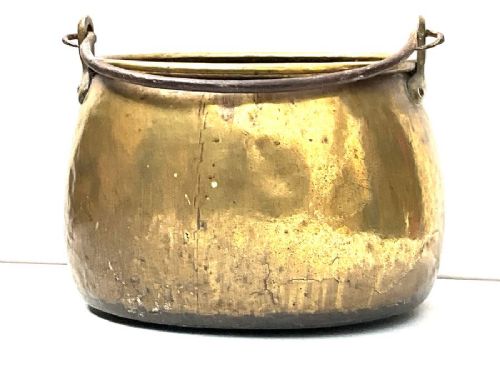


Antique Pots and Pans
Antique pots and pans bring tactile warmth and enduring utility to interiors, offering heavy copper preserving pans and iron stands shaped by centuries of hearth use.
Antique Pots and Pans
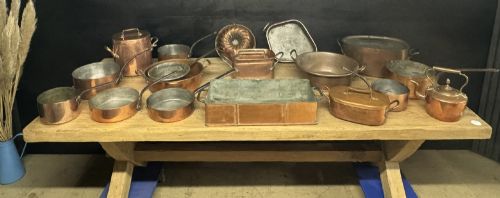
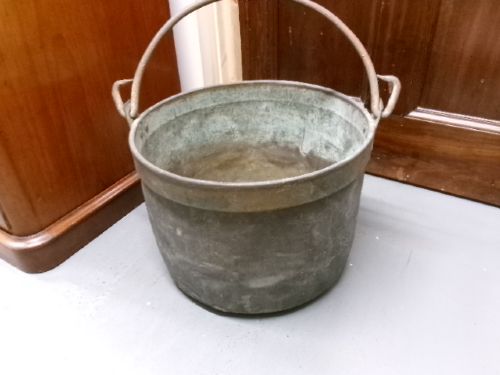
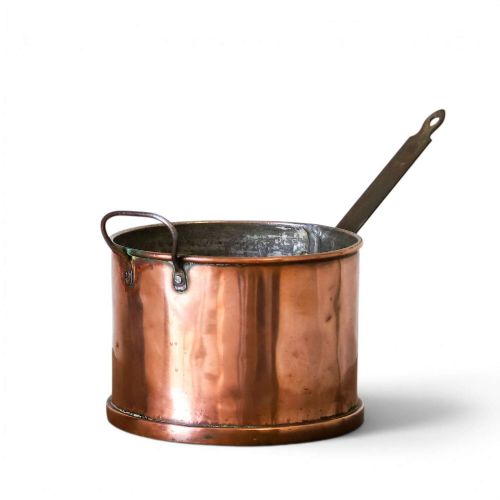
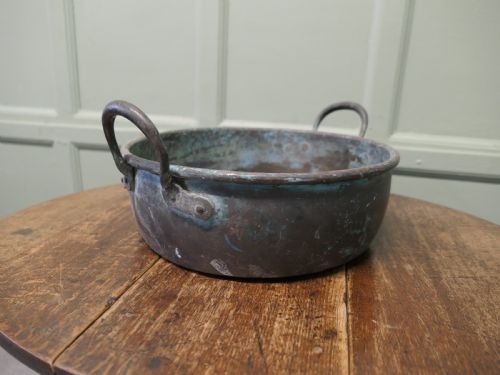
When buyers search for antique pots and pans, they encounter utilitarian kitchenware and hearth accessories spanning the Georgian and Victorian eras, alongside 19th-century French and English designs. The selection is dominated by heavy copper preserve pans, saucepans, and matching sets, often fitted with brass handles or iron fixings for open fire cooking.
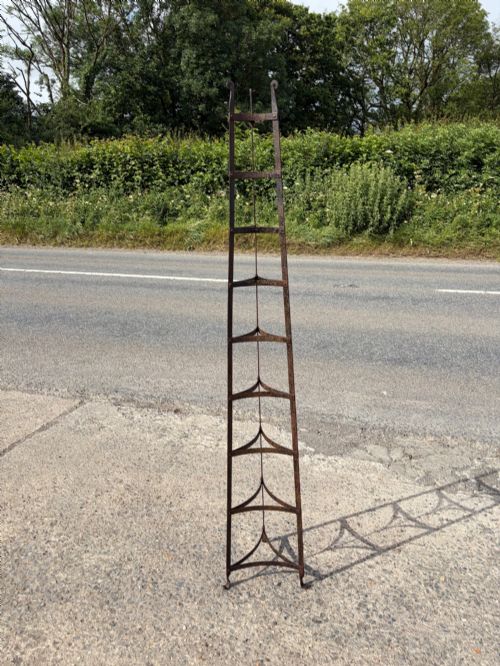
Alongside culinary vessels, the category includes wrought iron and multi-tiered pan stands, pot holders, cauldrons, and grain measures intended for functional domestic service. These pieces transition readily from historic kitchens into modern country house and rustic farmhouse interiors, where their heavy gauge metal and patinated surfaces display historic utility.
How they were made
Smiths hammered thick copper sheets into hand-beaten saucepans and preserving vessels, often attaching brass handles with visible rivets to ensure durable construction for hearth use. Iron and wrought iron were forged into robust multi-tier pan stands and swing handles, providing the structural strength needed to support heavy cooking vessels over open fires.
Makers utilised bronze and cast iron for specific vessels like jam pales and cauldrons, creating dense walls that retained heat evenly during prolonged boiling and preserving tasks. Metal surfaces developed rich patinas over decades of polishing and exposure to kitchen smoke, preserving the toolmarks left by early metalworkers.
Antique Pots and Pans Retail Price Guide 2026
Typical asking prices for pots and pans among the pieces listed under this phrase on Sellingantiques today, from the lower quarter to the upper quarter. They describe what is for sale here now, not the wider market.
The listings feature copper, brass, iron, wrought iron, cast iron, tin, wood, and mixed metals across Georgian and Victorian periods.
What varies in quality
The distinction between standard kitchen utility items and superior examples lies in the weight of the metal gauge and the integrity of hand-beaten construction. Heavier copper walls and robust brass attachments indicate commercial-grade or high-status domestic origins designed for intensive daily service.
Originality of components, such as matching sets of pans, authentic swing handles, and untruncated iron pot stands, elevates the coherence and historical value of the piece. Surviving maker marks, particularly from established workshops like Hodges and Sons, distinguish workshop production from anonymous village blacksmith output.
Hodges and Sons
The Antique Pots and Pans Glossary
- Preserve pan
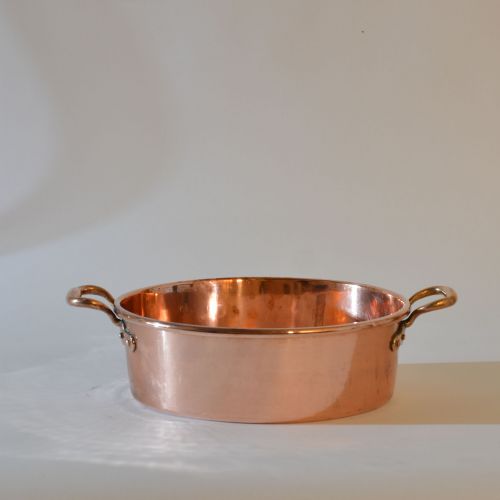
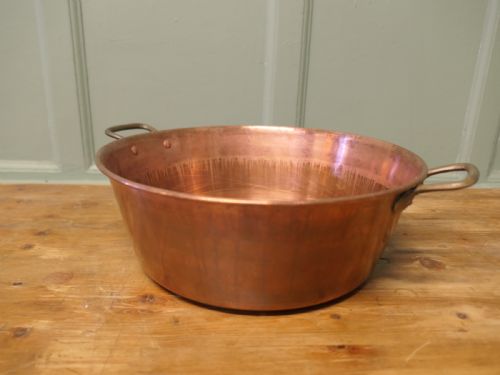
- A wide, shallow cooking vessel designed for boiling fruit and sugar, typically fashioned from heavy copper with dual handles for lifting. These pans feature rounded bases to distribute heat evenly and prevent burning during long jam-making sessions.
- Daubiere
- A specialised French cooking pot used for braising meats slowly on the hearth, frequently constructed from brass or copper with a tight-fitting lid. This form reflects continental culinary traditions of the 19th century.
- Cauldron
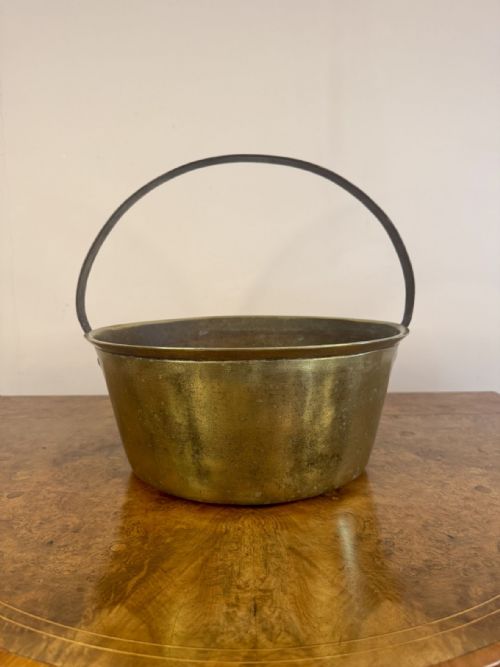
- A large, deep round pot featuring a swing handle, cast or beaten in iron, brass, or copper for suspension over a fireplace. They served central roles in communal boiling and heating tasks.
- Patina
- The deep surface sheen and coloration developed through age, oxidation, and polishing on metals like copper, brass, and iron. This visual record distinguishes historic kitchenware from modern reproductions.
Antique Pots and Pans: Frequently Asked Questions
How were antique copper pans used?
These vessels served directly on hearths or stoves for boiling preserves, simmering sauces, and heating water in busy 18th- and 19th-century kitchens.
Their heavy metal construction ensured steady heat distribution, making them essential tools for domestic food preparation before modern ranges.
Can antique pots and pans still be used for cooking?
While many retain their structural integrity, collectors typically display them as decorative items or for fireside interest rather than daily culinary work.
Using them on modern heat sources often requires professional re-tinning of the interior surfaces to prevent direct contact with raw copper or brass.
How do I identify a Georgian copper pan?
Georgian examples, dating from around 1750 to 1830, often display distinctive hand-beaten surface textures, early dovetail seams, and heavy cast brass handles.
They carry simpler, utilitarian forms compared to later Victorian sets, reflecting the architectural proportions and workshop practices of the period.
How should I clean antique copper and brass?
Maintenance requires gentle cleaning with specialised metal polishes to remove active tarnish while preserving the accumulated dark patina characteristic of age.
Scouring pads and harsh chemical agents should be avoided because they strip away the historic surface character that collectors value.