





Antique Portrait Plaque
An antique portrait plaque captures likenesses in durable materials, offering a direct window into past lives for collectors who appreciate historic portraiture.
Antique Portrait Plaque
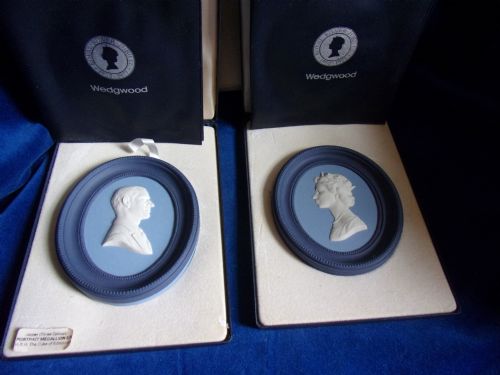
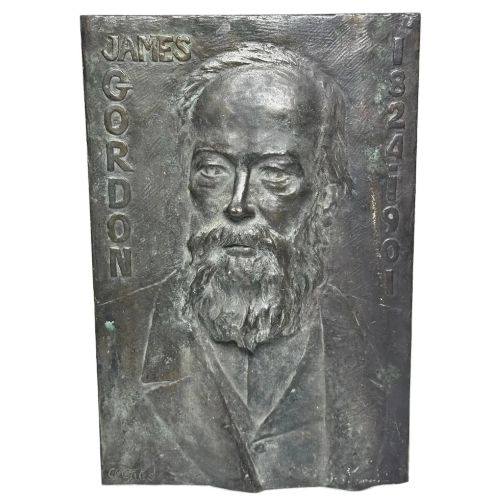
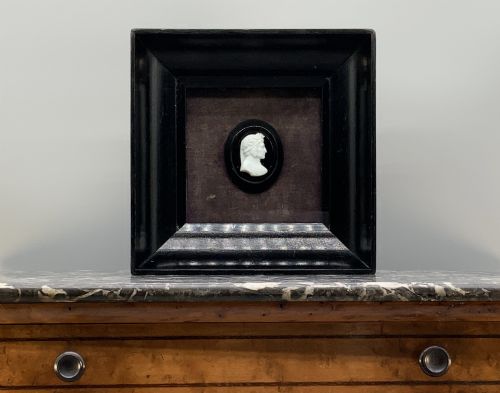
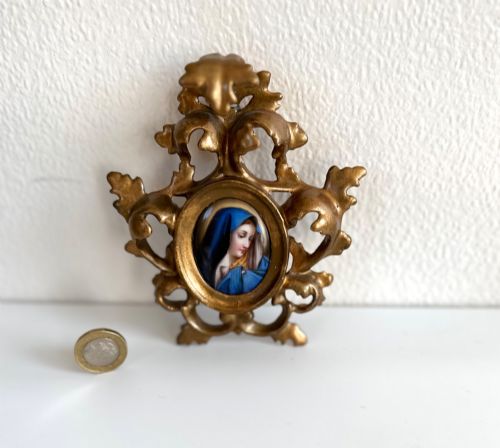
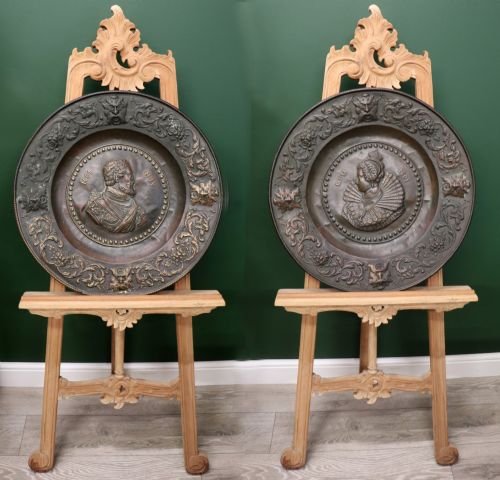
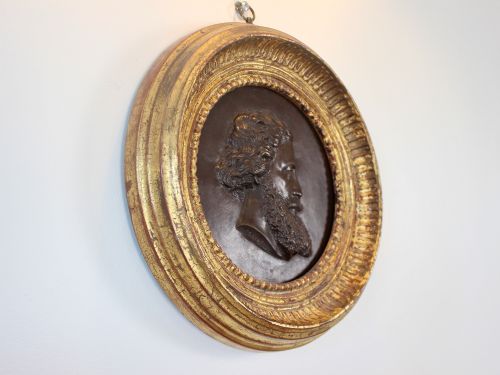
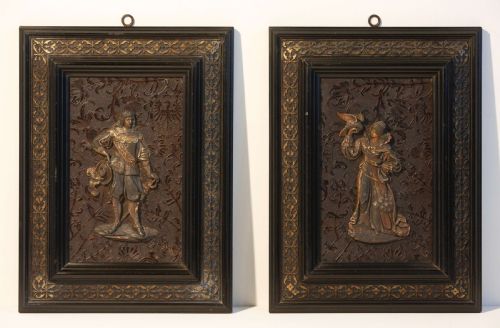
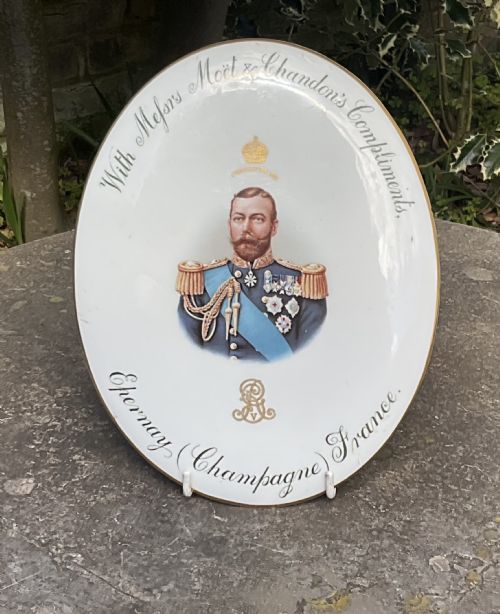
When you search for an antique portrait plaque, you encounter a diverse group of objects designed for wall display, tabletop presentation, or personal wear. These pieces range from framed ceramic tiles and porcelain cabinet plates to heavy cast metal reliefs and carved stone profiles.
The examples most commonly met on this page date from the eighteenth and nineteenth centuries, spanning Georgian, Victorian, and Edwardian periods. They frequently depict historical figures, literary icons, royalty, or religious subjects executed in relief or painted detail.
How they were made
Maker utilise traditional foundry methods to cast bronze, copper, brass, and iron into sharp relief profiles, often finishing surfaces with patination or gilding. Porcelain and ceramic versions involve delicate painting underglaze or overglaze before firing, while others employ moulded jasperware and earthenware.
Carving provides another primary method of creation, utilising marble, ivory, and fruitwood to achieve fine depth and shadow. Enamel work on copper bases combines metalworking with vitreous glazing, requiring multiple firings to fix the rich pigments.
Antique Portrait Plaque Retail Price Guide 2026
Typical asking prices for portrait plaque among the pieces listed under this phrase on Sellingantiques today, from the lower quarter to the upper quarter. They describe what is for sale here now, not the wider market.
Listings feature porcelain, bronze, copper, and marble across Georgian, Victorian, and Edwardian periods.
What varies in quality
The skill of the modeller or painter dictates the success of the likeness, separating rigid commercial output from sensitive portraiture. Finer pieces display careful anatomical proportion and subtle expression rather than mechanical stamping.
Material selection and mounting contribute significantly to the overall execution, with heavy cast metals, hand-carved frames, and signed mountings indicating superior workshop standards.
Eugene Canneel·Gustav Grohe·Kasper Hendrik Roskam·Henry Pierce Bone·R. Pernice
The Antique Portrait Plaque Glossary
- Cameo
- A method of carving an object such as a carved shell or stone where a raised image stands out from a contrasting background.
- Charger
- A large ceremonial or decorative plate designed for display on a wall or sideboard rather than for table service.
- Jasperware
- A type of fine stoneware developed by Josiah Wedgwood featuring a matte surface typically adorned with contrasting white relief figures.
- Repousse
- A metalworking technique where a malleable metal is ornamented or shaped from the reverse side by hammering.
- Limoges Enamel
- Coloured vitreous glass paste fused to a copper plate through firing, originating from the French city of Limoges.
Antique Portrait Plaque: Frequently Asked Questions
What is a portrait plaque?
A portrait plaque is a decorative piece of art made from materials like bronze, porcelain, or enamel that displays the likeness of a person in relief or painting.
These items were traditionally hung on walls or displayed on tabletops as commemorative or decorative objects.
How were antique portrait plaques displayed?
Many of these pieces were mounted inside carved wooden frames or velvet-lined panels designed specifically for wall hanging.
Larger chargers and heavy metal plaques often featured built-in hanging loops or stood securely on tables.
How do I identify the period?
Periods can be distinguished through stylistic clues such as the neoclassical motifs of the Georgian era or the ornate decorative borders typical of Victorian design.
Signatures, foundry marks, and material choices also help narrow down the date of manufacture.
Who are the subjects depicted?
The subjects range from classical poets and historical monarchs to religious figures and literary characters such as Dante, Shakespeare, and Queen Marie de' Médicis.
Many pieces also commemorate political leaders or private individuals of note.