
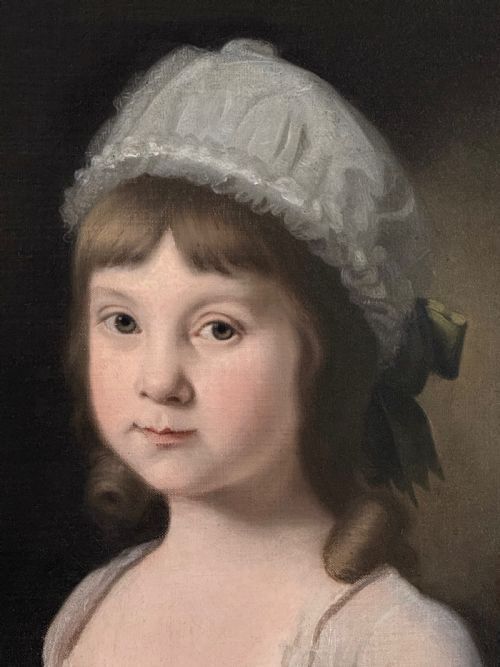
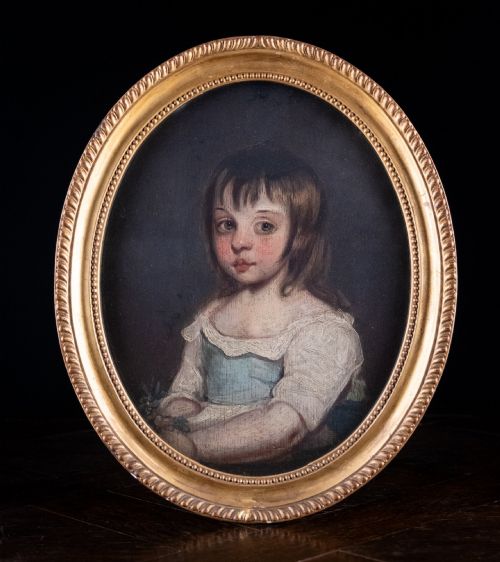
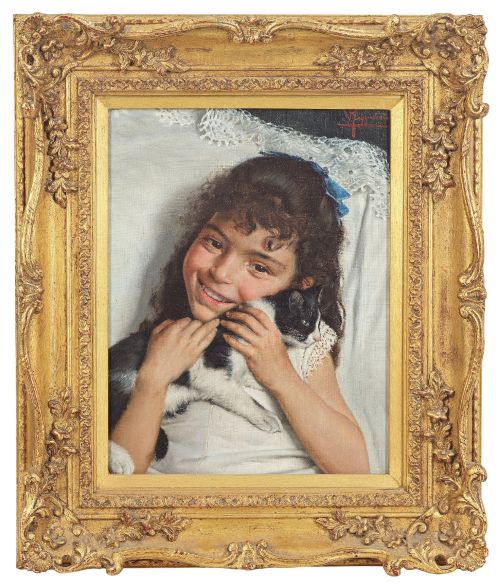
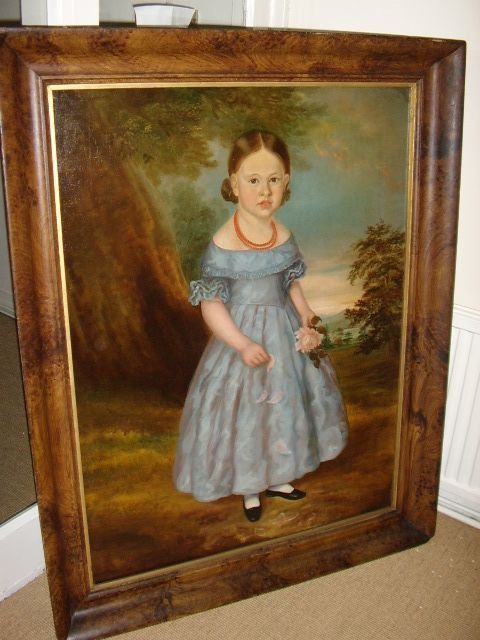

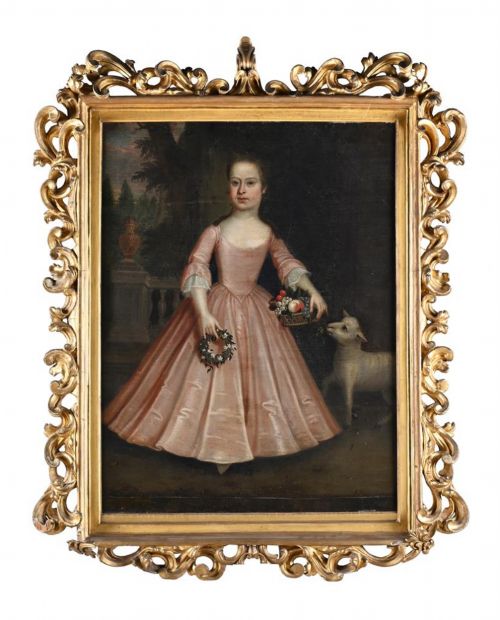


Antique Portrait Painting Girl
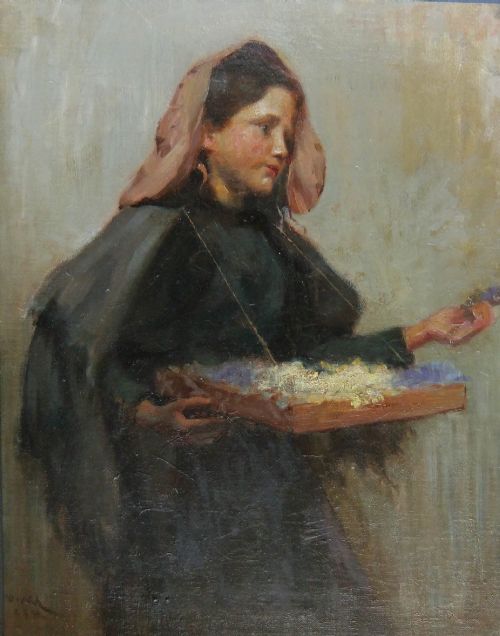
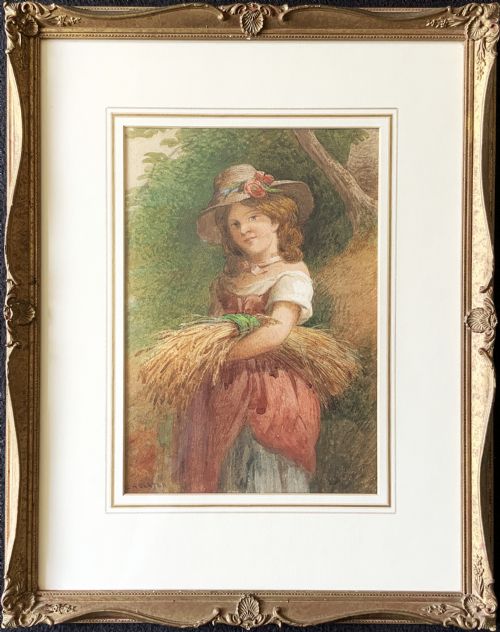
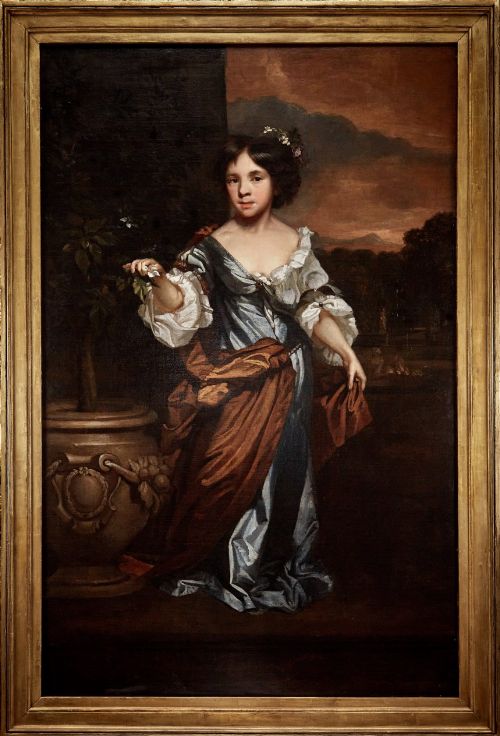
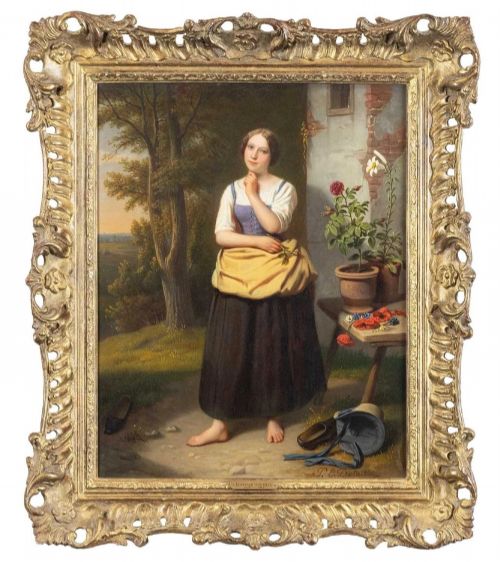
An antique portrait painting girl captures a distinct historical presence, offering collectors intimate visual records executed in oil and watercolour across past centuries.
Antique Portrait Painting Girl
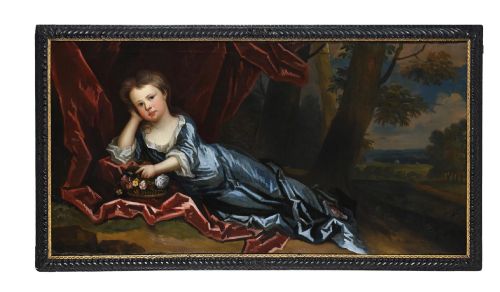
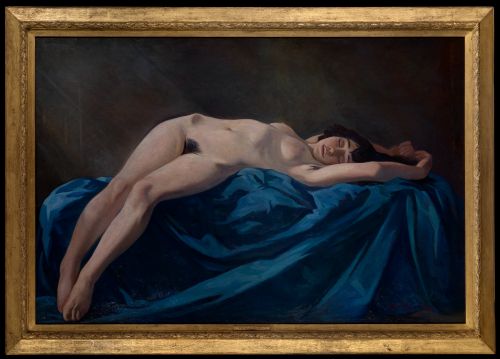
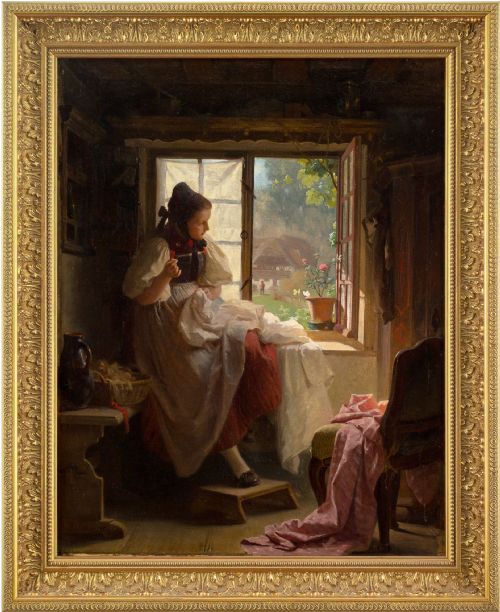
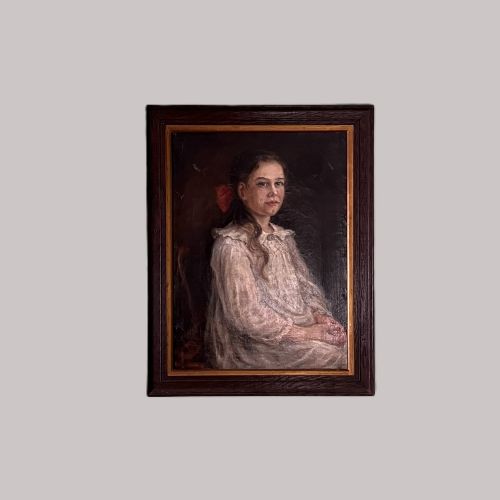
An antique portrait painting girl encompasses diverse visual representations spanning the seventeenth century through to the early twentieth century. These works depict young subjects in varied settings, ranging from formal interior poses to informal genre scenes involving pets, flowers, or daily tasks.
The selection on this page draws heavily from eighteenth-century canvases and nineteenth-century realism, alongside Georgian, Victorian, and Edwardian examples. Buyers encounter everything from large oil paintings on canvas to delicate portrait miniatures housed in period frames.
Originating from British, European, and occasionally Indian studios, these paintings reflect the shifting social attitudes and artistic conventions surrounding childhood and youth over three hundred years.
How They Were Made
Artists relied primarily on oil paint applied to stretched canvas or wooden boards, building rich layers of colour and texture to render fabric, skin, and surrounding architecture. Watercolour on paper served as an alternative medium, especially for portable portrait miniatures and intimate studies.
Support materials typically involved prepared canvas over wood frames, occasionally supplemented by glass protection for watercolours and miniatures. Original framing frequently utilised giltwood, carved wood, or ebonised surrounds appropriate to the specific period of creation.
Several subjects share the canvas with unruly pets, including cairn terriers, cats, and birds that clearly refused to sit still.
What Varies In Quality
Technical proficiency in handling facial anatomy, light, and fabric drape dictates the visual success of any given canvas. Masterful brushwork distinguishes professional studio output from simpler naive or provincial works.
The survival of original surfaces, including untouched varnish layers and contemporary frames, significantly influences the integrity of the piece. Provenance and attribution to documented artists or recognised regional schools elevate historical interest.
Vittorio Reggianini·Arthur William Devis·Charles Burton Barber·Henry E Hobson·Vincenzo Irolli
The Antique Portrait Painting Girl Glossary
- Oil on Canvas
- Pigment mixed with drying oil applied to a woven fabric support. This combination allowed artists to achieve deep tones and subtle blending.
- Portrait Miniature
- A small, highly detailed painting designed for personal intimacy or travel. These works often utilised watercolour on vellum, ivory, or paper.
- Giltwood
- Wood carved and covered with a thin layer of gold leaf. It provided ornate, reflective borders for significant paintings.
- Genre Painting
- A scene depicting aspects of everyday life. These compositions often showed subjects engaged in common tasks rather than formal posing.
- Naïve Painting
- Art created by self-taught individuals working outside academic traditions. These pieces emphasise direct expression over strict proportion.
Antique Portrait Painting Girl: Frequently Asked Questions
How do I date an antique portrait?
Dating relies on examining the subject's costume, hairstyle, and the physical construction of the canvas and stretcher frame. Stylistic clues within the brushwork also align with known periods of art history.
Secondary evidence such as old handwritten labels, framer stamps, or documented exhibition history helps narrow down the decade of creation.
What is a portrait miniature?
A portrait miniature is a small-scale painting, often created during the eighteenth or nineteenth centuries for personal keepsakes. They were frequently worn as jewellery or kept in protective travel cases.
Artists used fine watercolours on specialised surfaces like ivory or vellum to achieve remarkable detail within a tiny format.
Are these paintings cleaned?
Many older canvases accumulate layers of discoloured varnish, dust, and grime over centuries of display. Professional conservation involves careful surface cleaning to reveal the original pigment brilliance.
Collectors appreciate knowing whether a painting retains its historical patina or has undergone modern conservation work.
How should I display them at home?
Antique paintings require stable indoor environments away from direct sunlight and excessive humidity. Proper wall placement protects both the canvas support and the historic frame from environmental stress.
Matching the frame style to your interior decor helps integrate these historic pieces into contemporary living spaces.