

Antique Portrait Decor
Antique portrait decor brings centuries of character into a room through oil paintings, prints, and bronze busts depicting notable figures and everyday sitters.
Antique Portrait Decor
When buyers search for antique portrait decor, they encounter a diverse array of framed artworks spanning the Georgian, Victorian, and Edwardian periods.
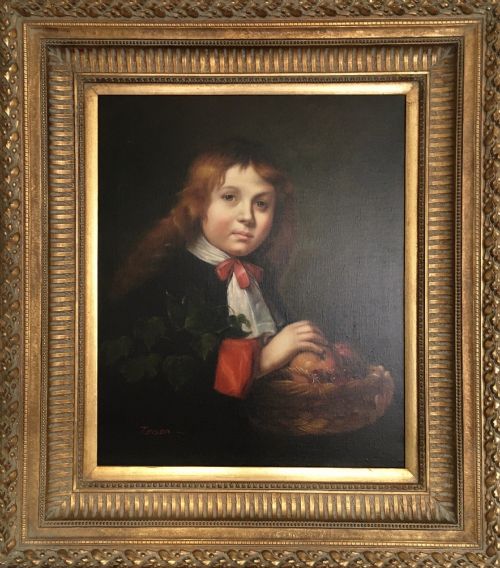
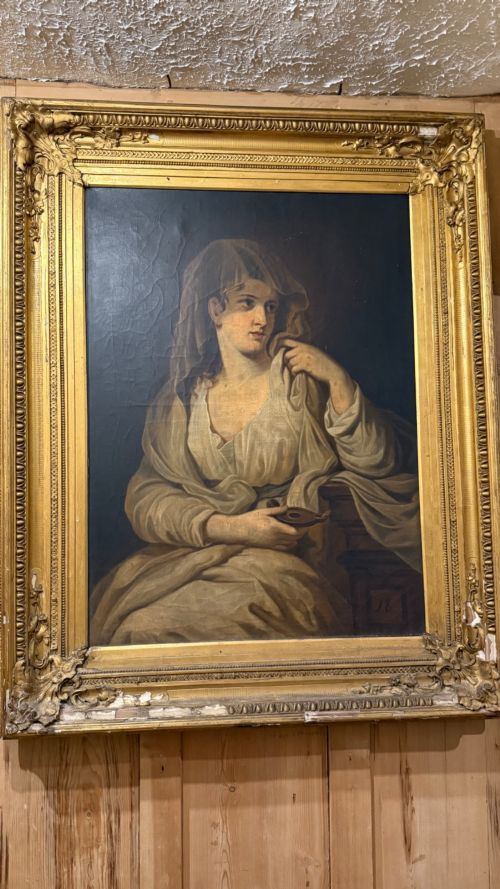
The selections on this page lean heavily toward traditional oil paintings on canvas alongside printed portraits, engravings, and bronze portrait busts.
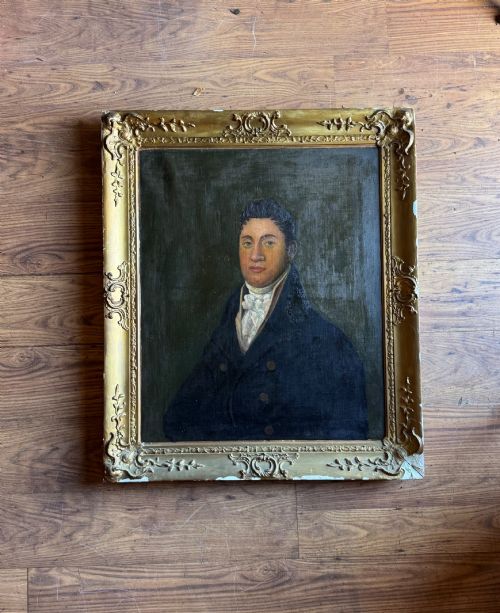
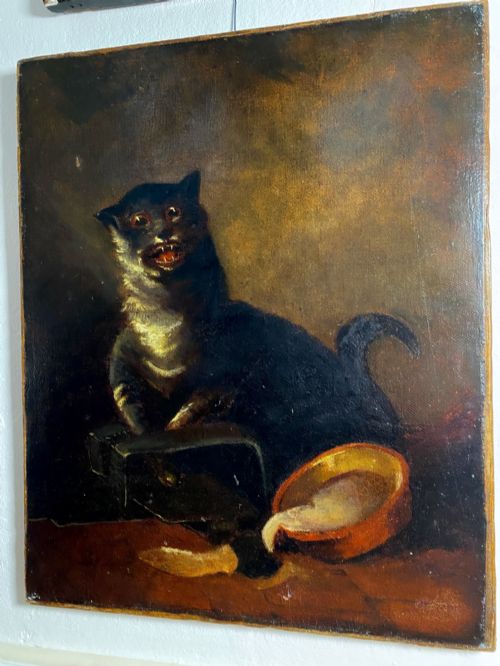
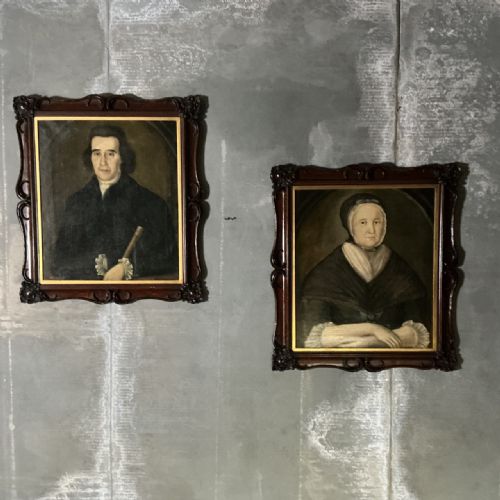
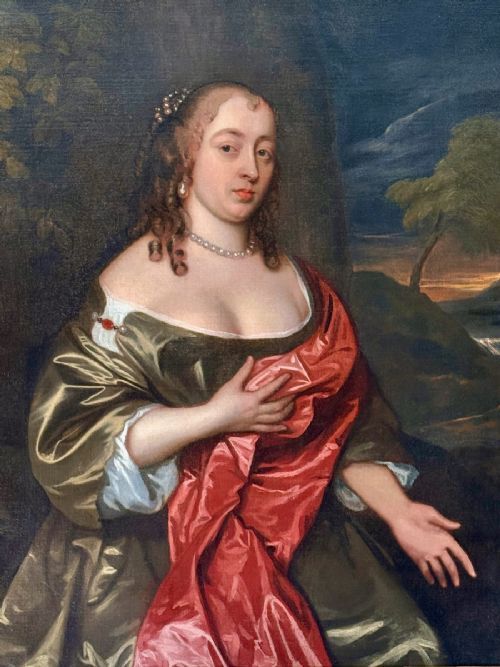
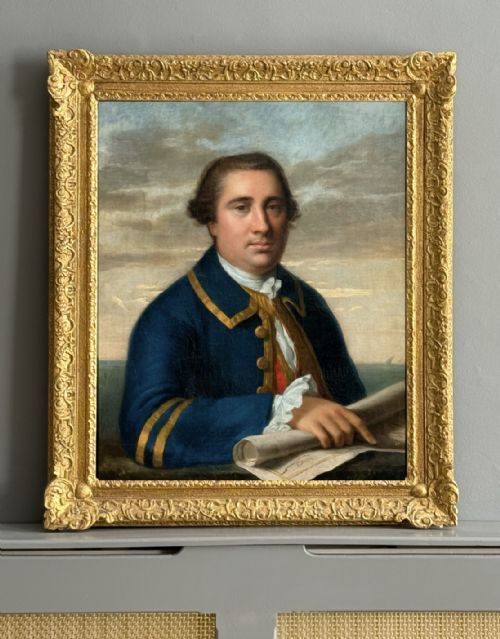
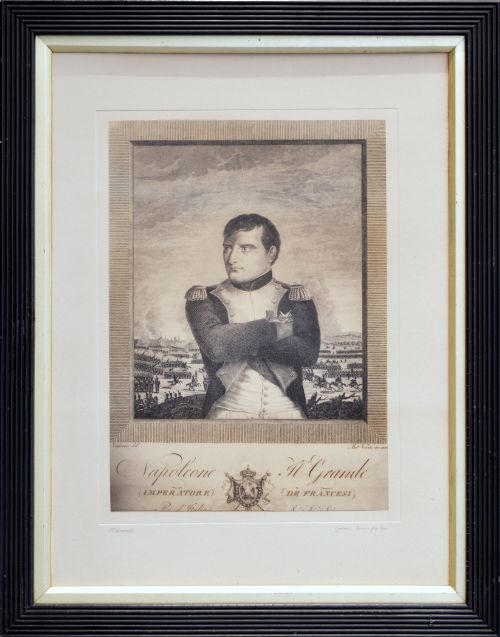
Subjects range from named historical figures like the Emperor Napoleon to anonymous gentlemen, ladies in extensive landscapes, and character studies.
Materials and construction
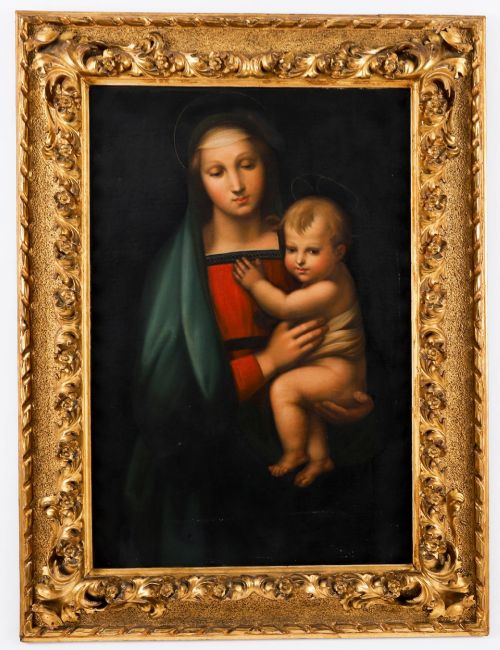
Many of the pieces rely on oil paint applied to stretched canvas or wooden panels, often accompanied by traditional giltwood framing.
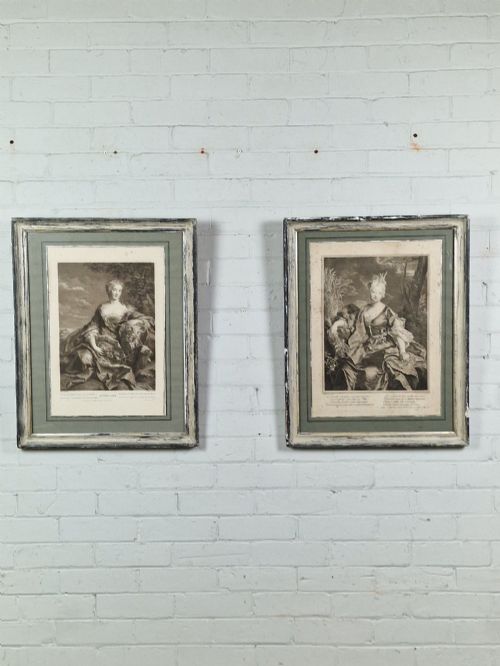
Works on paper appear frequently as hand-coloured engravings, reverse glass prints, and detailed drawings executed in pen, ink, wash, and gouache.
Sculptural examples utilise cast bronze to render dimensional likenesses, while decorative prints incorporate paper and glass components.
Antique Portrait Decor Retail Price Guide 2026
Typical asking prices for portrait decor among the pieces listed under this phrase on Sellingantiques today, from the lower quarter to the upper quarter. They describe what is for sale here now, not the wider market.
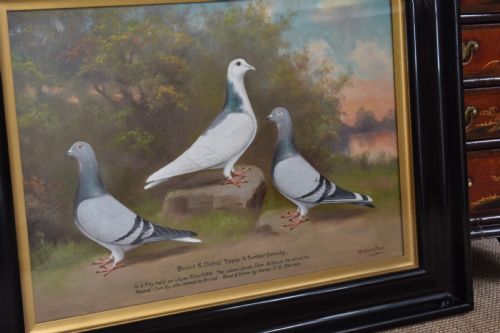
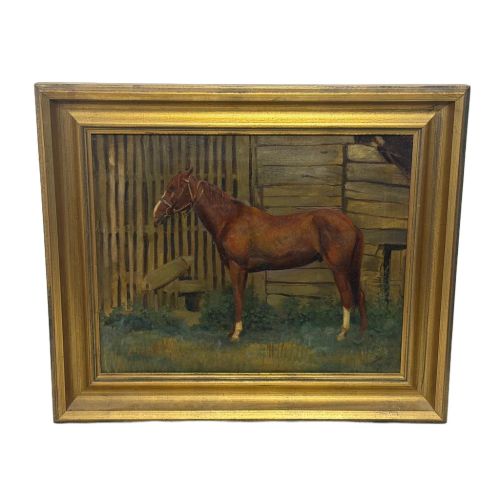
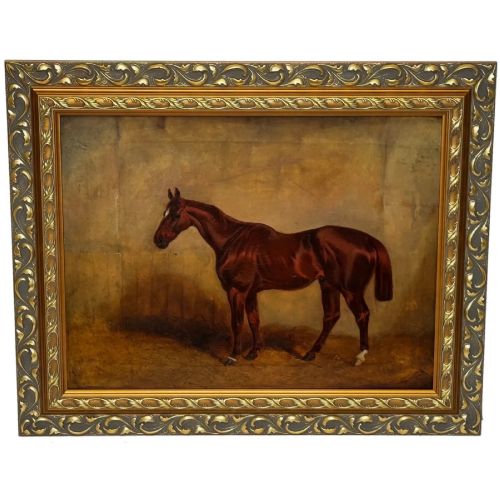
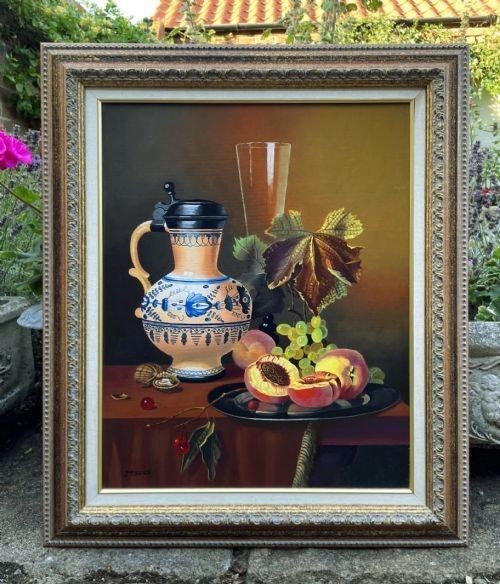
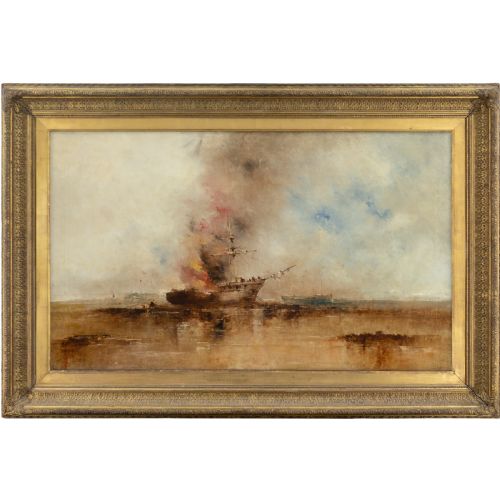
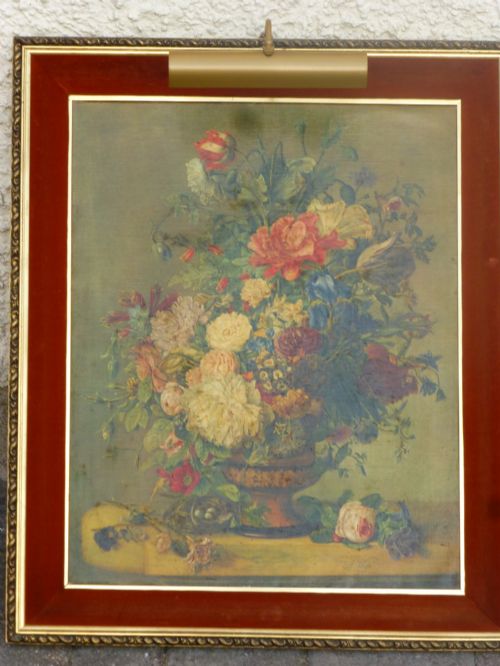
Subject matter encompasses human portraiture alongside equestrian art, maritime scenes, and still life compositions.
Distinguishing quality
Quality in these works rests upon the precision of the draughtsmanship and the expressive capability of the brushwork used to capture the sitter's likeness.
Earlier pieces from the eighteenth and nineteenth centuries often demonstrate superior depth in pigment layering and more convincing anatomical proportions.
The integrity of the original frame, particularly period giltwood or Hogarth frames, contributes significantly to the overall merit of the artwork.
Sir William Beechey R.A·John Hayls·Lemuel Francis Abbott·Thomas Beach·George Romney
The Antique Portrait Decor Glossary
- Oil on canvas
- Pigments bound in a drying oil medium applied to a woven fabric support. This traditional method allows for rich colour blending and textured brushwork.
- Engraving
- An intaglio printmaking process where an image is incised into a metal plate. Ink settles into the grooves and transfers to paper under pressure.
- Giltwood
- Wood carved and coated with a thin layer of gold leaf or metal powder. It provides ornate, reflective framing for traditional artwork.
- Reverse glass print
- An image painted or printed directly onto the back of a glass panel and viewed from the front. This technique produces a glossy, preserved surface.
- Bronze
- An alloy of copper and tin utilised for casting sculptural busts and figures. It develops a natural patina over time.
Antique Portrait Decor: Frequently Asked Questions
How do I date an oil portrait?
Dating relies heavily on the style of clothing, hair, and framing materials visible in the piece. Examining the stretcher bars and canvas weave also offers clues.
Comparison with documented works by known schools or artists from periods like the Georgian or Victorian eras helps narrow the timeline further.
Where should I hang a portrait?
These pieces suit traditional living spaces, studies, and hallways where lighting can be controlled to prevent glare on the canvas or glass. Pairing them with period furniture enhances their visual impact.
Avoid placing them in areas with direct sunlight or high moisture to protect the oil paint and paper.
What is a reverse glass print?
A reverse glass print is created by applying an image to the rear side of a glass sheet so that the finished picture is viewed through the front. This creates a distinct shine and protects the pigments underneath.
Examples from the Georgian period often depict monarchs or notable public figures in this format.
Are bronze busts considered portraits?
Bronze busts serve as three-dimensional portrait decor, capturing the likeness and expression of historical figures or fictional characters. They were popular across the nineteenth and early twentieth centuries.
Displaying them on mantelpieces or sturdy tables allows the metallic patina and cast details to be appreciated from multiple angles.