



Antique Portrait Case
An antique portrait case guards a cherished likeness or small treasure, offering a glimpse into personal history through miniature art and fitted leather.
Antique Portrait Case
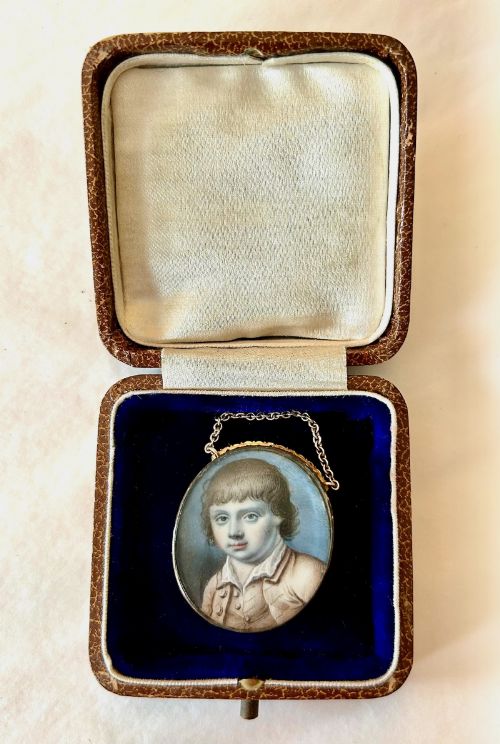
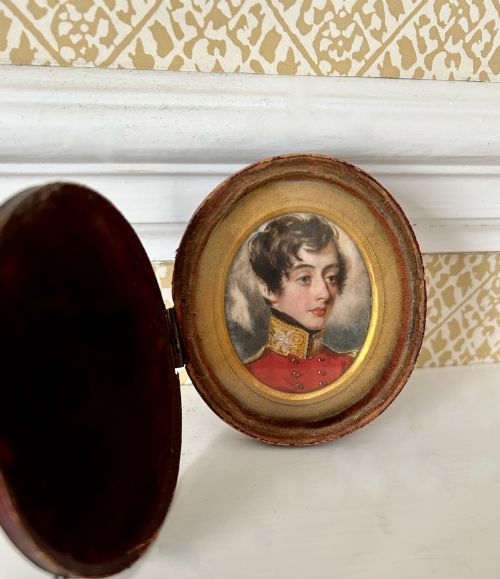
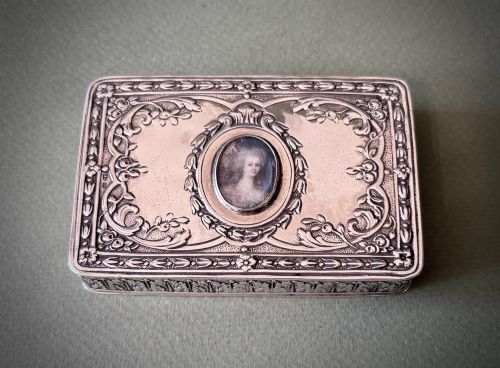
When buyers search for an antique portrait case, they encounter a fascinating crossover of miniature painting, personal memorabilia, and protective containers from the Georgian, Victorian, and Edwardian eras. These objects range from original leather carrying cases designed for miniature portraits to decorative silver boxes and mantel items that incorporate portrait elements.
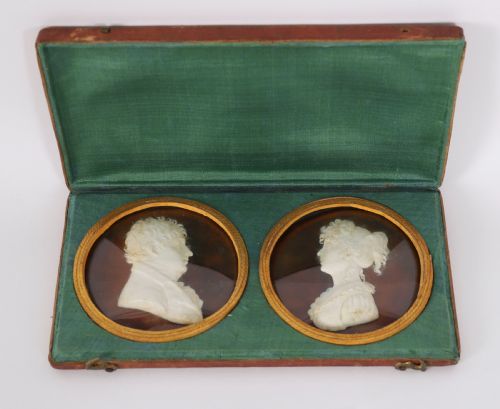
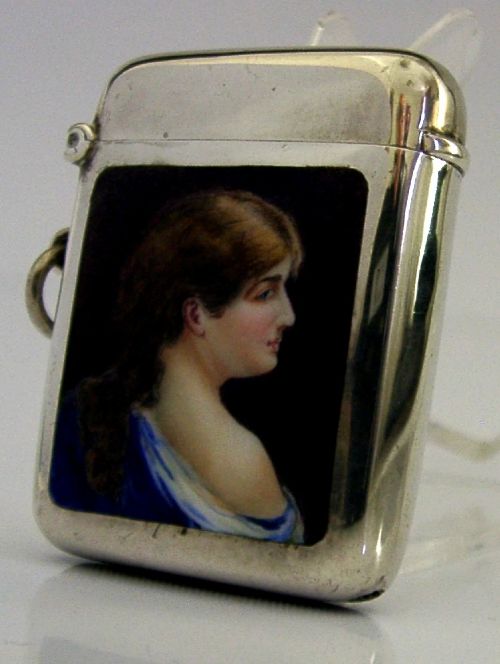
The pieces represented in these listings span the nineteenth and early twentieth centuries, capturing a period when portable likenesses were painted on ivory, captured in wax relief, or rendered as watercolours. Alongside dedicated portrait housings, the selection includes silver vesta cases, enamel snuff boxes, and four-glass mantel clocks reflecting diverse stylistic revivals from Rococo to Regency.
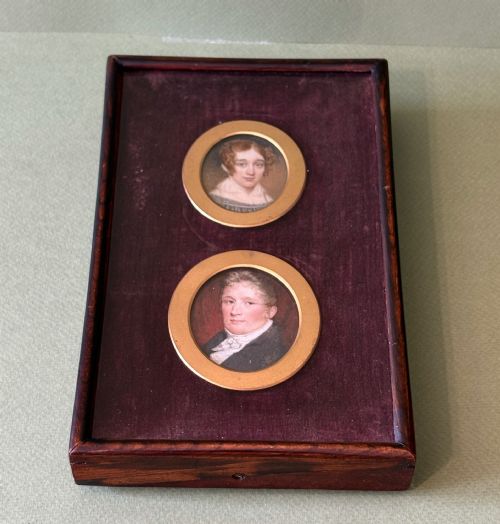
Navigating this selection means looking closely at how each container relates to its contents, whether it is a tooled leather carrying case protecting a pair of Georgian miniatures or an Edwardian silver piece embellished with enamel. The variety reflects personal portable wealth and sentimentality preserved across different decades and craftsmanship traditions.
Materials and construction methods
Makers utilised durable organic and metallic materials, combining tooled leather, sterling silver, and brass to construct protective outer housings for delicate artwork. Glass and ivory frequently appear in the internal framing and miniature surfaces, requiring steady hands and specialised joining techniques.
Surface decoration involved hand painting watercolours, meticulous enamel work, and wax relief moulding to achieve detailed portraits. Leather cases received blind tooling and gilt accents to secure and present the miniature portraits safely during travel or domestic display.
Antique Portrait Case Retail Price Guide 2026
Typical asking prices for portrait case among the pieces listed under this phrase on Sellingantiques today, from the lower quarter to the upper quarter. They describe what is for sale here now, not the wider market.
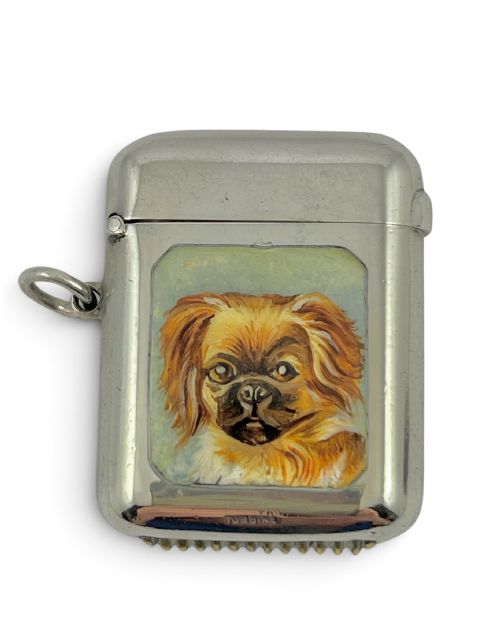
Canine enthusiasm reaches peak Victorian sentiment in a silver enamel vesta case shaped entirely as a Jack Russell head.
Distinguishing quality in craftsmanship
The refinement of the painted detail and the crispness of the metalwork or leather tooling set superior items apart from standard production. A finely executed watercolour miniature or a sharply detailed enamel dog head demonstrates a higher level of artistic execution.
Integrity of the original housing also influences the piece, noting whether delicate glass, velvet linings, and original tooled leather carrying cases remain intact alongside the portrait.
The Antique Portrait Case Glossary
- Portrait Miniature
- A small, highly detailed painting on ivory or paper, designed for intimate personal viewing and often housed in a dedicated protective case.
- Vesta Case
- A small pocket container originally designed to hold matches and safety vestas, frequently decorated with enamel or silver repoussé work.
- Mantle Lustre
- A decorative glass or porcelain vase hung with cut-glass prisms, typically displayed in pairs on a mantelpiece during the Victorian period.
- Grand Tour
- A cultural journey undertaken by wealthy young Europeans in the nineteenth century, producing souvenirs such as wax portrait reliefs and miniature art.
Antique Portrait Case: Frequently Asked Questions
What is an antique portrait case?
An antique portrait case is a protective housing, often made of tooled leather or precious metal, designed to safeguard miniature paintings or likenesses.
These pieces allow collectors to own portable pieces of historical sentiment and fine art from the Georgian, Victorian, and Edwardian periods.
How were miniature portraits painted?
Artists used fine watercolours and gouache on delicate surfaces such as ivory or paper, requiring exceptional precision due to the small scale.
Once completed, these likenesses were sealed behind glass and fitted into custom leather or metal cases for safe transport.
How do I date a portrait case?
Dating relies on the style of the clothing in the portrait, the hallmarks on accompanying silver cases, and the construction methods of the leather housing.
Comparing stylistic cues from Regency, Victorian, and Edwardian design periods helps narrow down the decade of manufacture.
Can I travel with these pieces?
While original leather carrying cases were built for mobility, the age and fragility of ivory, glass, and watercolour make modern travel risky.
It is best to keep these delicate antiques in stable domestic environments away from direct sunlight and extreme humidity.