


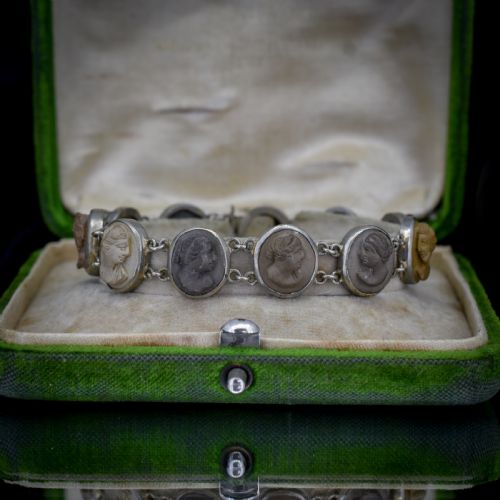

Antique Portrait Cameo
An antique portrait cameo captures a likeness in relief, offering portable artistry carved from shell, stone, or glass during the Georgian and Victorian eras.
Antique Portrait Cameo
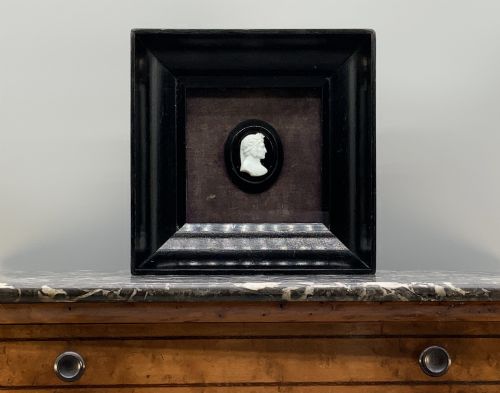
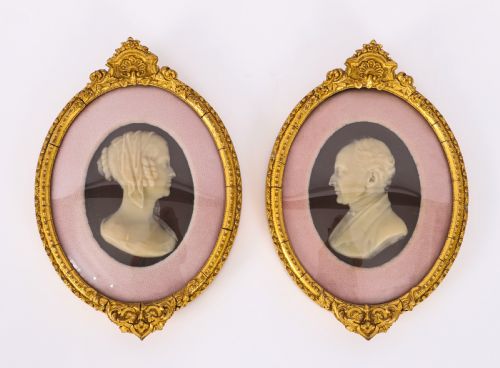
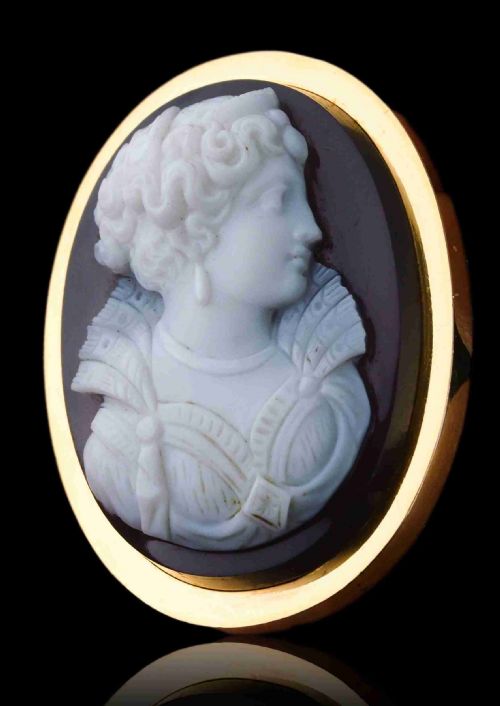
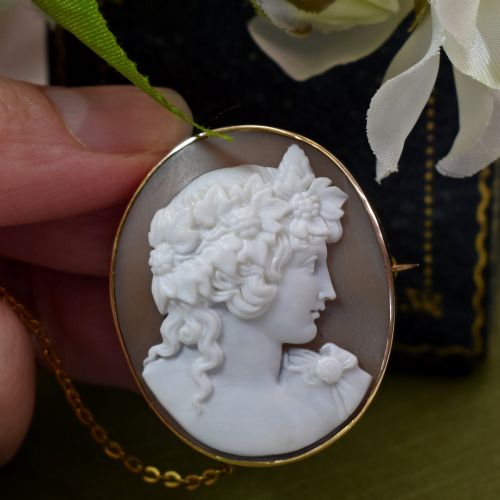
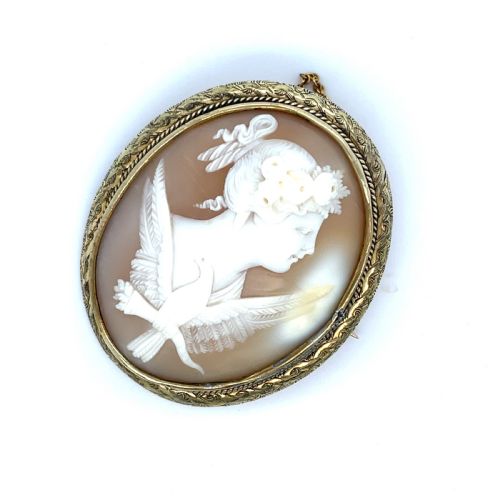
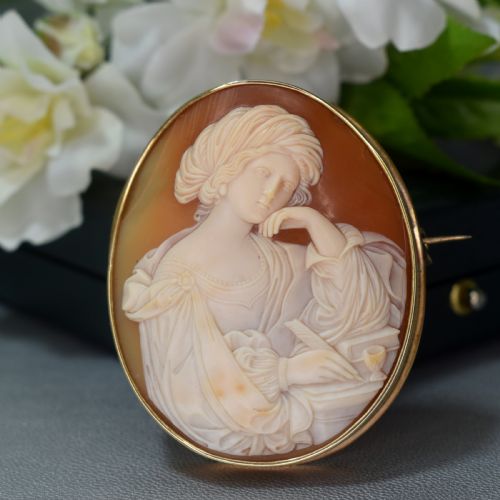
An antique portrait cameo presents a carved human profile, most frequently executed in shell, hardstone, or lava during the nineteenth century. These pieces appear predominantly as brooches, rings, and pendants, drawing heavily upon classical subjects and historical dignitaries.
The selection ranges widely across the Georgian, Regency, and Victorian periods, often tied to the Grand Tour of Europe. Visitors to Italy brought home shell carvings and marble plaques depicting classical poets, mythic figures, and contemporary portraits.
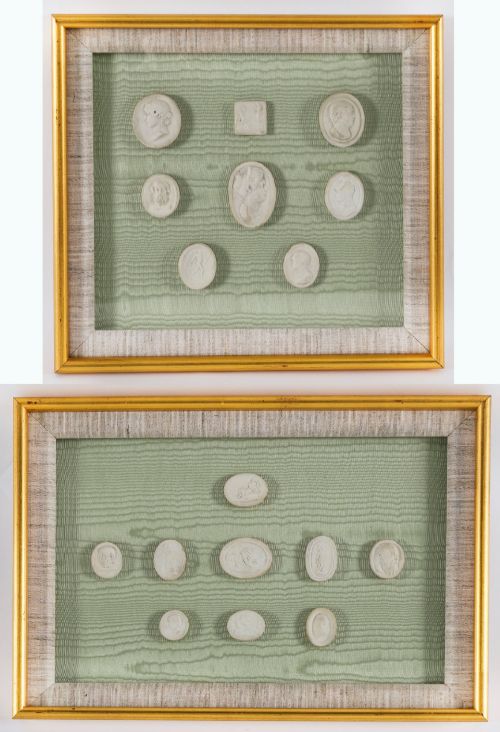
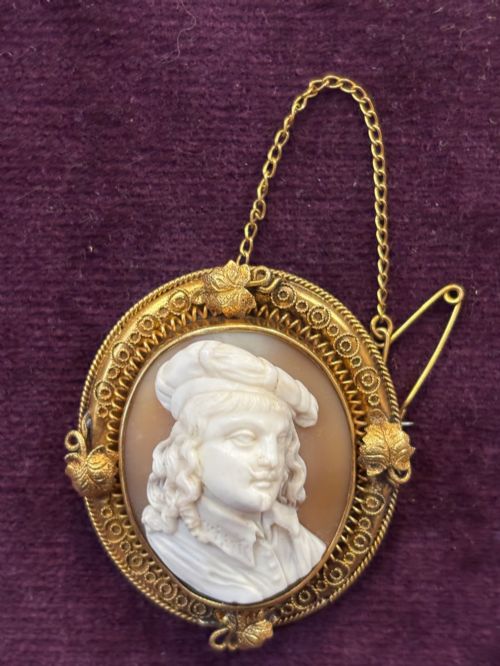
Collectors encounter mounted items set into gold, pinchbeck, or silver frames, alongside framed wall plaques and glass pastes. Shell and agate versions remain the most common iterations on this page, reflecting popular taste of the Victorian period.
How they were made
Carvers utilised natural strata in materials such as conch shell, sardonyx, and agate to create contrast between a pale raised subject and a darker background layer. Artisans also worked in carved lava, coral, and hardstone, employing fine hand tools to achieve detailed relief portraits.
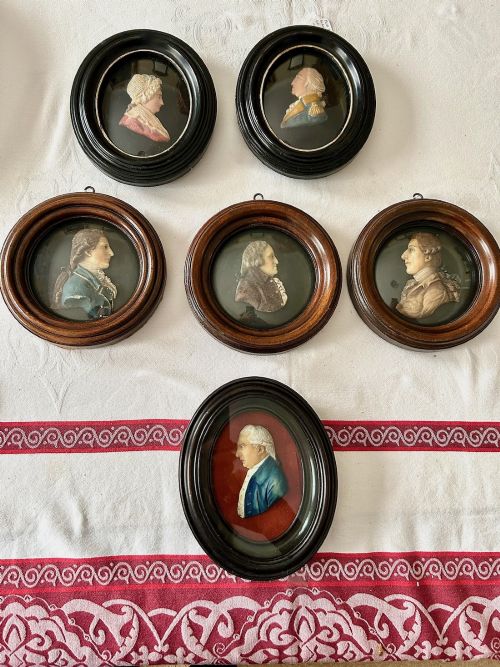
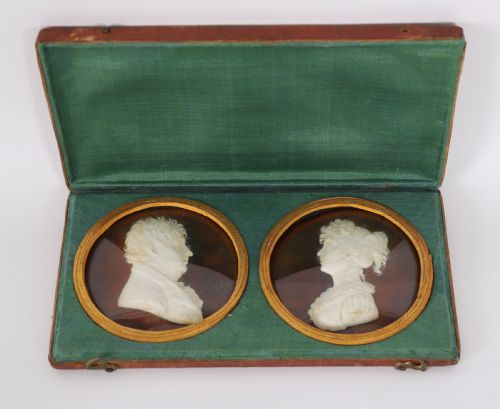
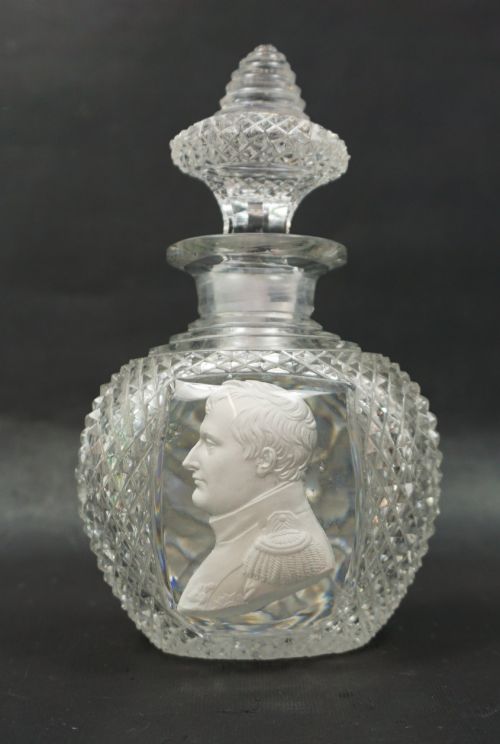
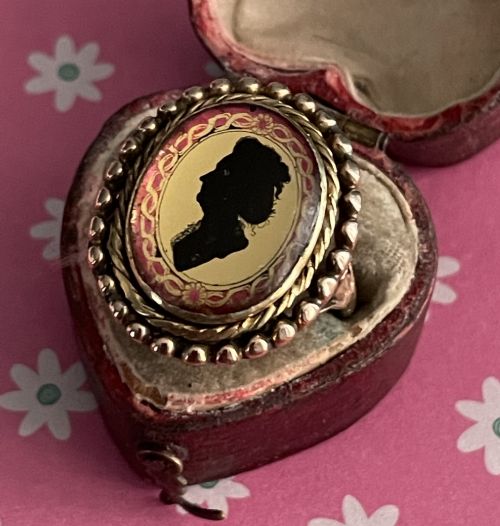
Glassmakers produced portrait pastes and sulphides by pressing molten material into moulds or encasing medallions within clear crystal scent bottles. Other works combined cast plaster reliefs, wax portrait medallions, and verre eglomise silhouettes set into wooden or metal frames.
Listings feature materials spanning shell, agate, hardstone, coral, lava, wax, plaster, and glass alongside gold and silver mounts.
What varies in quality
The grade of the metal mount provides another distinction, ranging from high-carat gold and detailed filigree work down to pinchbeck and standard silver. Signed pieces by known carvers or workshops elevate the standing of an individual item.
R. Pernice·Thorvalsen Workshop
The Antique Portrait Cameo Glossary
- Cameo
- A method of carving an object where the design is raised in relief above the background. This technique relies on contrasting layers of shell or stone.
- Intaglio
- A design incised or sunken below the surface of the material, allowing the piece to be used as a seal. These are commonly found on rings and watch fobs.
- Grand Tour
- A cultural journey undertaken by wealthy young Europeans through France and Italy during the eighteenth and nineteenth centuries. Souvenirs included carved portrait plaques and lava cameos.
- Hardstone
- A term for semi-precious stones such as agate, onyx, and jasper used for carving cameos and intaglios. These materials offer durability and sharp colour zoning.
- Verre eglomise
- A cold decoration technique where a design is applied to the reverse of glass using leaf metal and pigment. It appears frequently in silhouettes and picture frames.
Antique Portrait Cameo: Frequently Asked Questions
How do I wear an antique cameo?
Antique cameos mounted as brooches attach securely to heavy fabrics like wool or velvet using their original pin stems. Pendants and necklaces hang from chains at the collarbone.
Store these delicate pieces away from harder jewellery to prevent scratching the shell or stone surfaces.
Are shell cameos fragile?
Shell is a natural organic material that requires careful handling to avoid chipping or cracking under pressure. Avoid exposing shell cameos to water, perfumes, or harsh cleaning chemicals.
Hardstone and agate versions offer greater durability for daily wear as rings or bracelets.
How can I tell the period?
Mount styles, metal types, and subject matter help determine the era of manufacture. Georgian and early nineteenth-century pieces often feature closed-back gold settings and classical Grand Tour subjects.
Later Victorian items frequently utilise broader gold mounts, safety pins, and distinct naturalistic hair styling.
What is a lava cameo?
Lava cameos are carved from volcanic rock sourced near Naples during the height of the Grand Tour. These pieces possess a matte texture and soft earth tones, depicting classical profiles.
Carvers worked the porous material easily, resulting in accessible souvenirs for nineteenth-century travellers.