
Antique Portrait Art Print
When you search for an antique portrait art print, you uncover centuries of graphic portraiture framed and preserved for display.
Antique Portrait Art Print
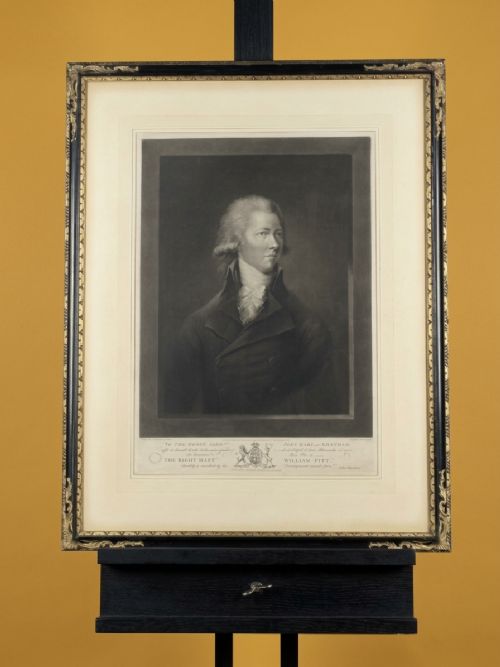
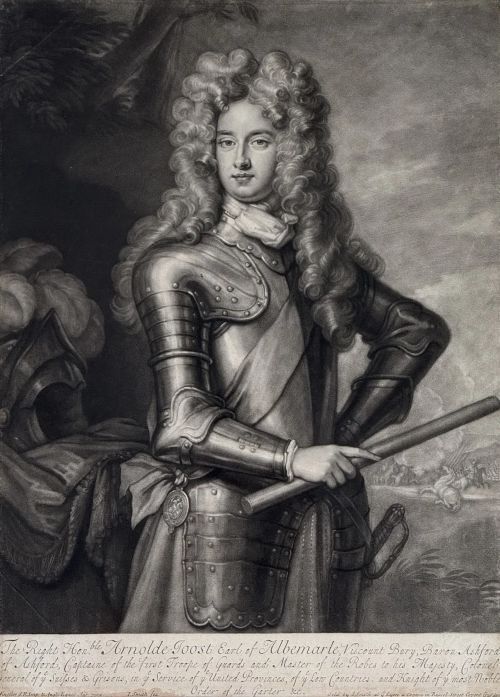
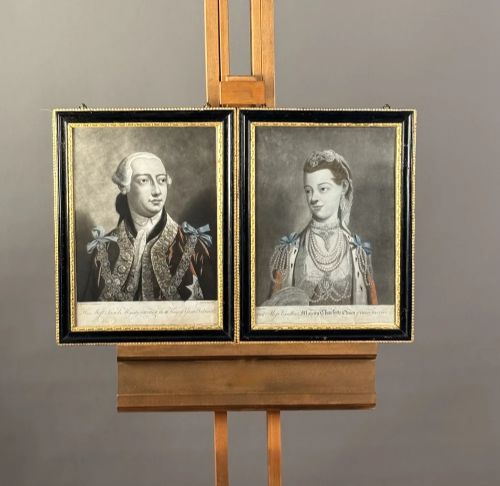
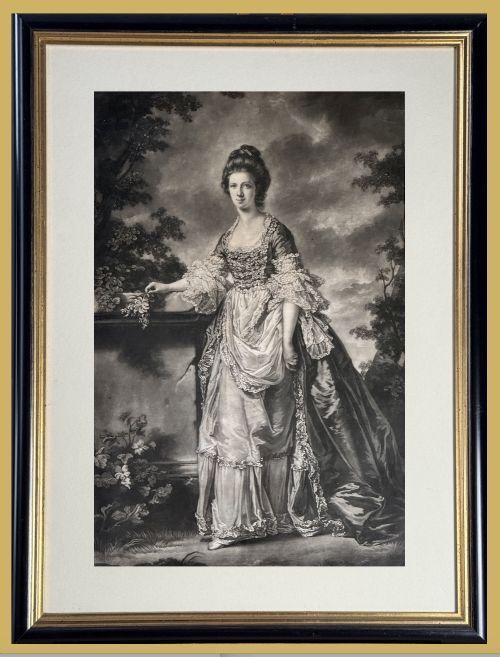
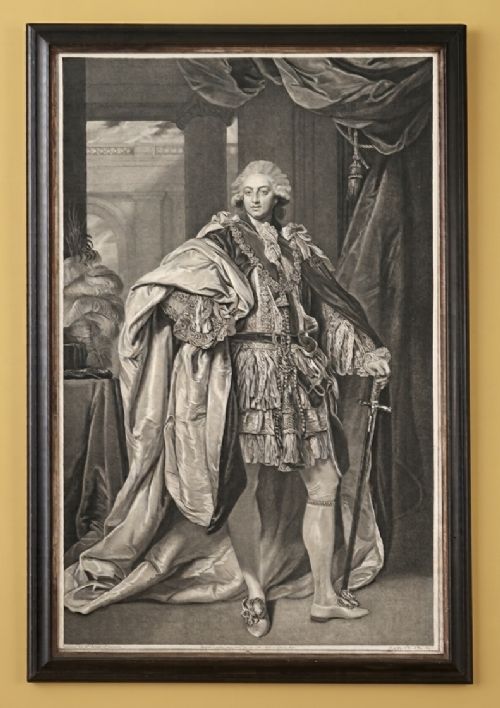
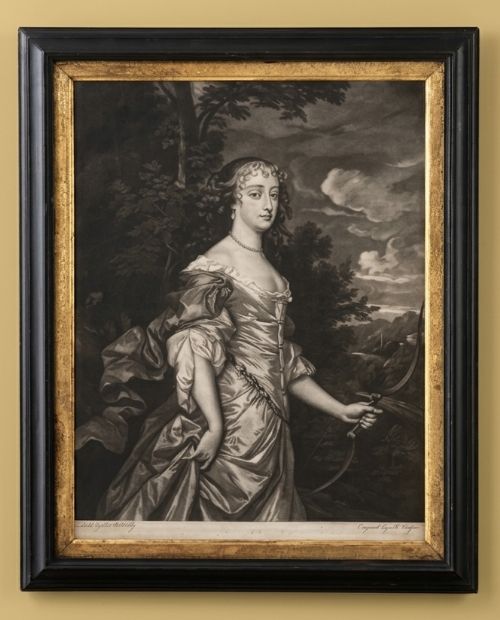
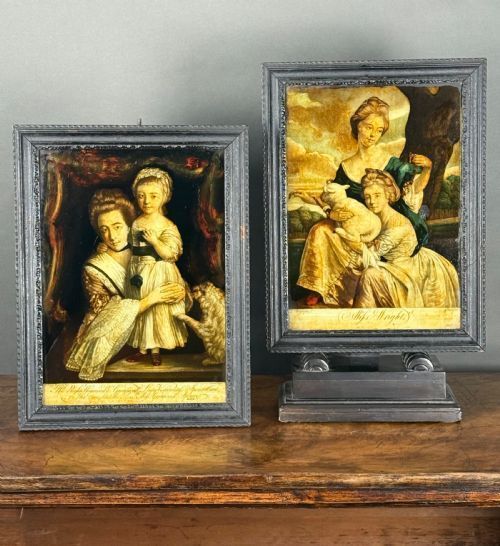
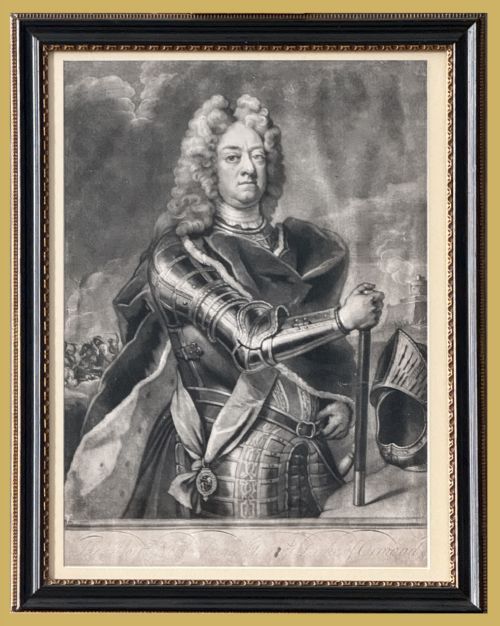
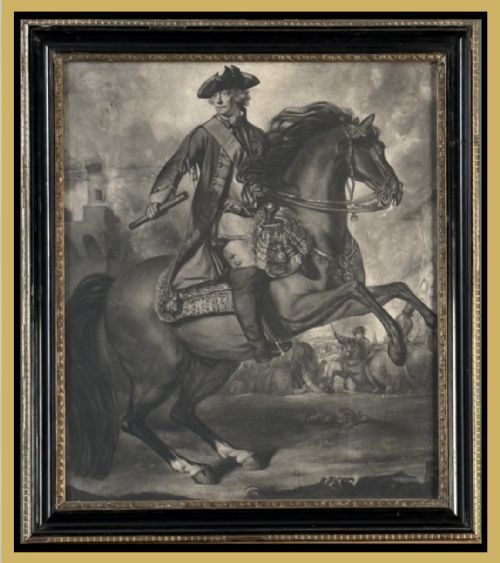
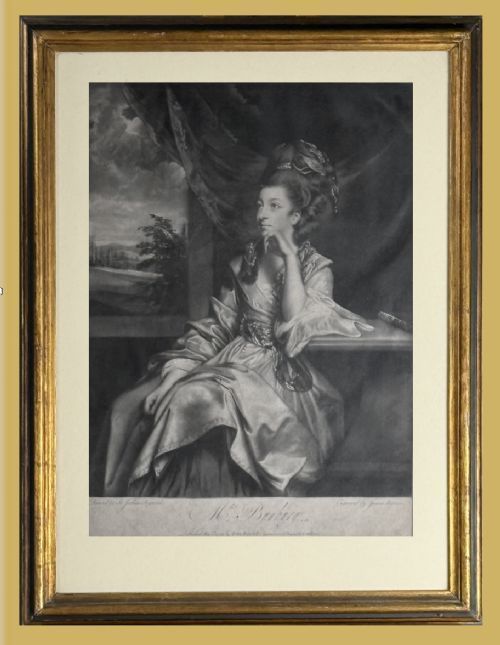
An antique portrait art print encompasses historic graphic works on paper, capturing recognizable historical figures, nobility, and children through various printmaking methods. The selection on this page relies heavily on eighteenth-century mezzotints and engravings published after notable painters like Sir Joshua Reynolds and Sir Godfrey Kneller.
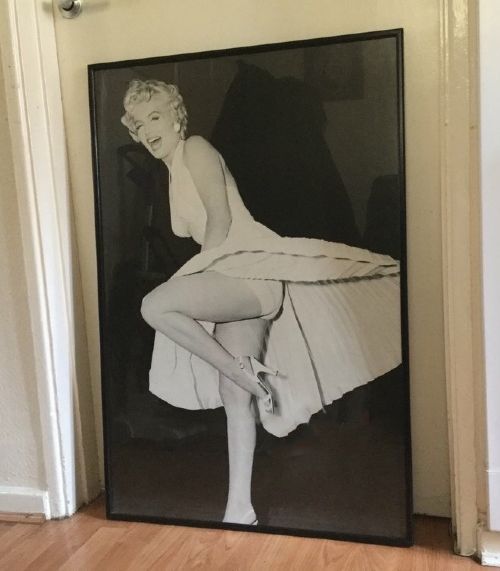
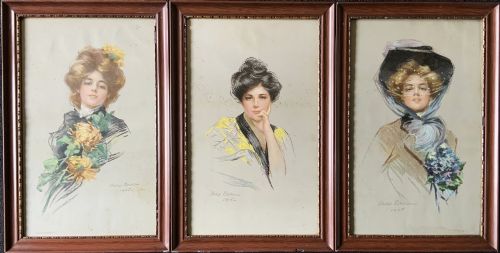
Buyers encounter framed artworks spanning the seventeenth century through to mid-twentieth-century advertising prints and etchings. These pieces function primarily as wall art, preserved behind glass within wood or gilt frames that often reflect the decorative style of their era.
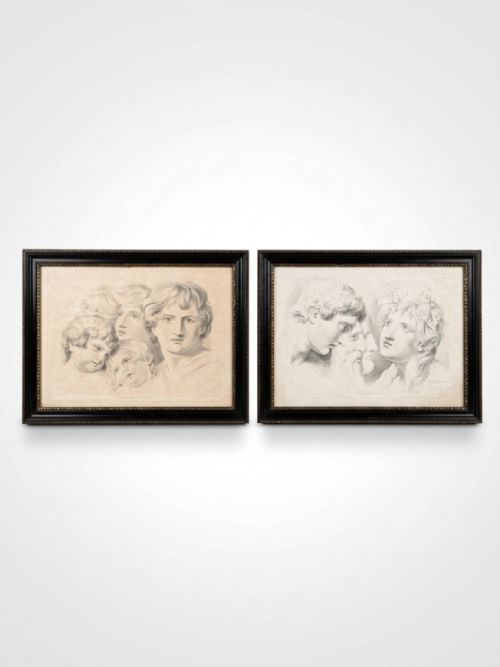
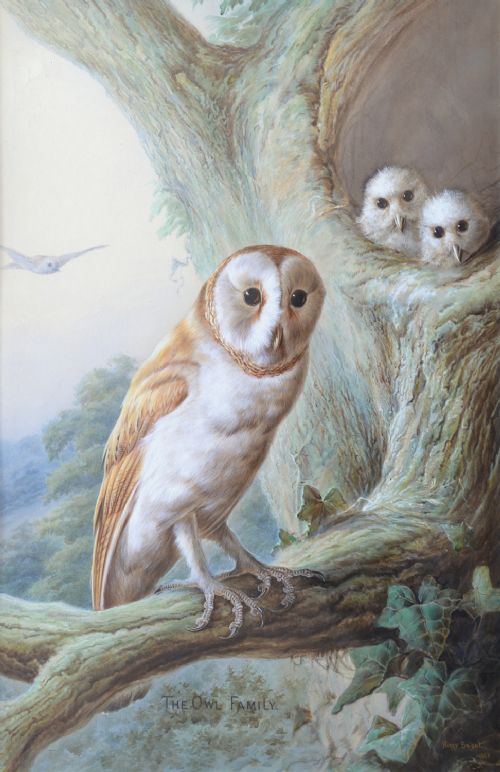
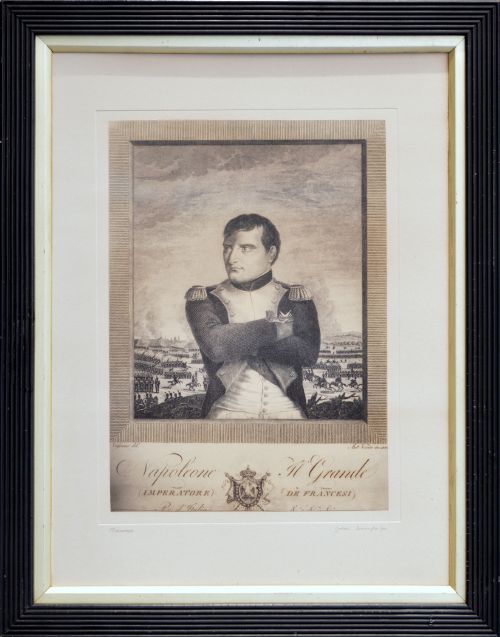
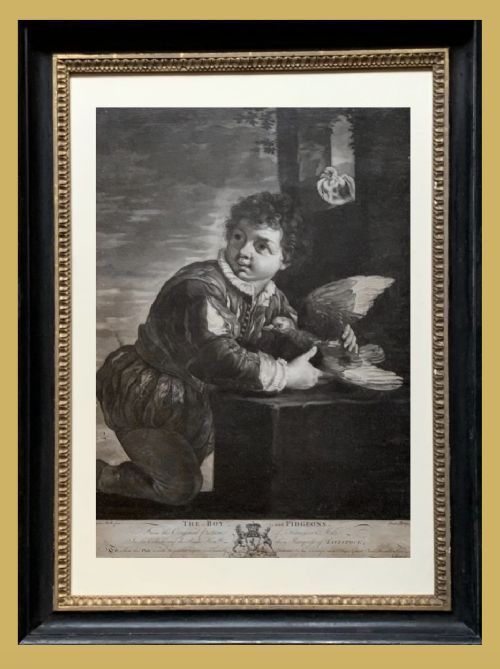
The subjects range from monarchs and military commanders to intimate studies of youths and animals. Eighteenth-century examples dominate the offerings, showcasing the dark, velvety tones characteristic of early mezzotint plates.
Materials and technique
Printmakers of the seventeenth and eighteenth centuries worked copper plates using rocker tools to create mezzotints, achieving rich tonal gradations through manual scraping and burnishing. Stipple engravings and etchings relied on acid biting and meticulous dot or line work on paper sheets.
Publishers combined these printed paper sheets with ink, mounting them behind protective glass. The resulting works were housed in timber frames, frequently finished with gold leaf or gilt wood moulding to complement domestic interiors.
Even three Pekingese dogs secured a portrait sitting in nineteen-sixty, drawn meticulously in pastel on paper.
Assessment of quality
Quality rests upon the crispness of the impression pulled from the metal plate, where early strikes retain sharp details and deep tonal contrast while worn plates yield softer, muddier results. The skill of the engraver in translating a painted canvas into a monochrome print dictates the artistic success of the piece.
The preservation of the paper sheet and the authenticity of the surrounding period frame influence the integrity of the object. Intact margins on the paper and original framing elements provide greater historical cohesion than later replacements.
John Simon·Edward Fisher·John Boydell·James Watson·Francesco Bartolozzi·John Smith·Charles Spooner·Valentine Green·Thomas Frye
The Antique Portrait Art Print Glossary
- Mezzotint
- A printmaking process where the copper plate is roughened uniformly to produce dark backgrounds, allowing the artist to scrape away areas for lighter tones. This technique creates soft, atmospheric portraits with deep shadows.
- Etching
- A method where lines are bitten into a metal plate with acid through a protective ground layer. Artists draw freely into the ground to produce fine, linear details.
- Drypoint
- A printmaking technique where the artist scratches directly into the metal plate with a sharp needle, raising a burr that holds ink for a velvety line. This produces rich, characteristic edges that wear down relatively quickly during printing.
- Gilt wood
- Wood coated with a thin layer of gold leaf or metallic powder to simulate solid gold. It appears frequently on decorative frames from the seventeenth century onward.
Antique Portrait Art Print: Frequently Asked Questions
How do I hang a heavy framed engraving safely?
Use appropriate wall fixings suited to your wall construction, ensuring the weight is distributed evenly across sturdy hooks or brackets. Heavy wood and glass frames require professional picture wire attached securely to the side moulding.
Avoid positioning these works in direct sunlight, as ultraviolet rays cause the ink and paper support to fade over time.
What is the difference between an engraving and a mezzotint?
An engraving uses lines cut directly into a metal plate with a burin to build the image through precision and hatching. A mezzotint builds an image from dark to light by roughening the entire plate surface first.
This fundamental difference gives mezzotints their characteristic rich, smoky tonal depth, while engravings present a sharper, more linear appearance.
Should I replace an old frame?
Preserving the original frame maintains the historical integrity and context of the artwork, even if the timber shows minor signs of age. Many eighteenth-century prints survive within their period frames, which form an integral part of their heritage.
Only undertake restoration if the structural stability of the frame threatens the safety of the print inside.
How should I clean the glass on antique wall art?
Apply a mild glass cleaner to a soft cloth rather than spraying the liquid directly onto the frame or print surface. This prevents moisture from seeping beneath the glass edge and damaging the paper.
Keep moisture entirely away from the exposed paper margins and the wooden backboards during the cleaning process.