


Antique Porcelain Table Clock
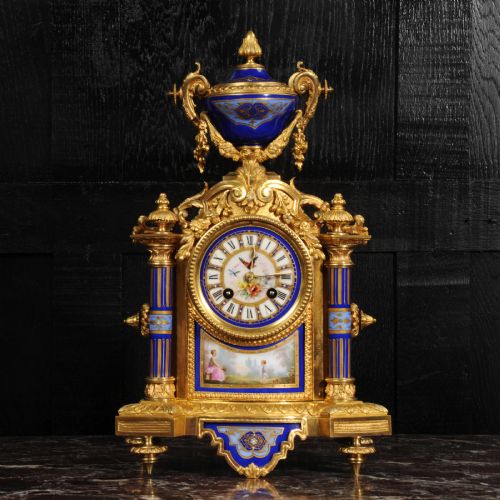
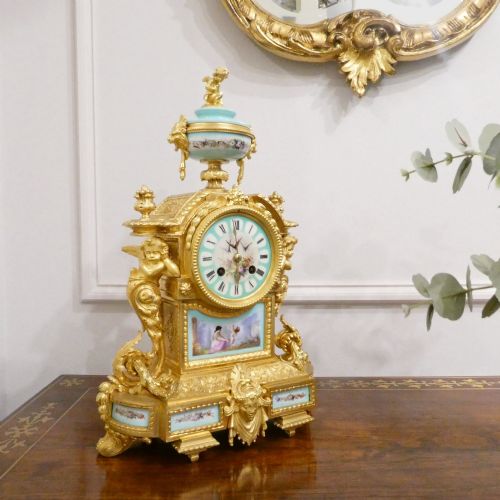
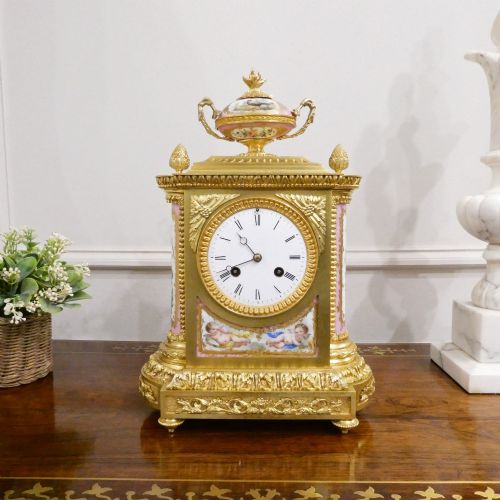
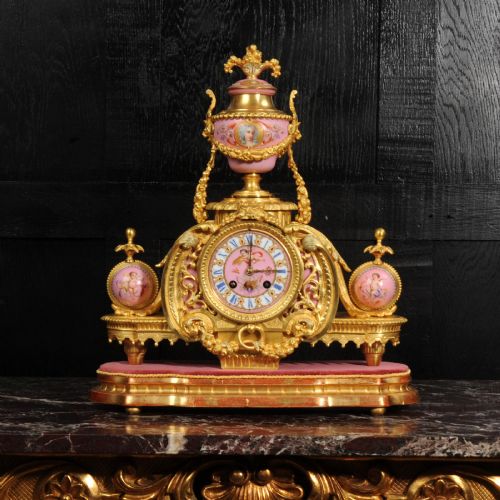
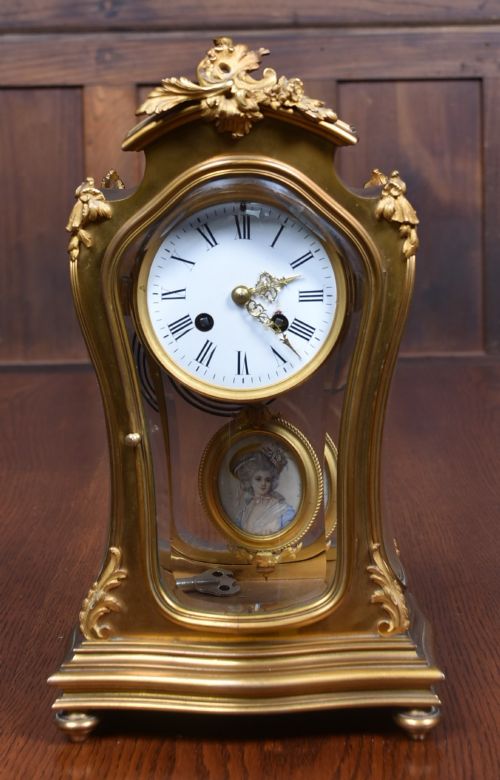
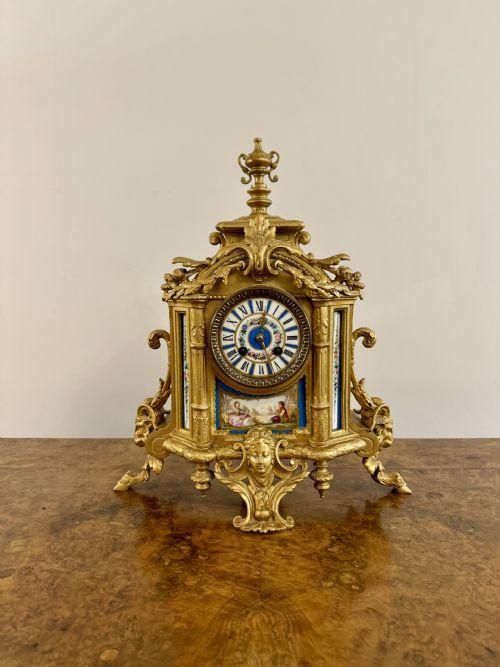
These pieces combine ceramic artistry and mechanical precision, offering an antique porcelain table clock that brings nineteenth-century French elegance to any interior.
Antique Porcelain Table Clock
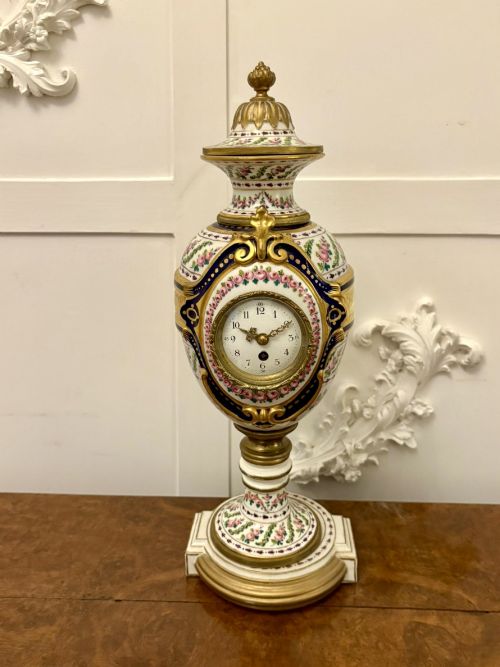
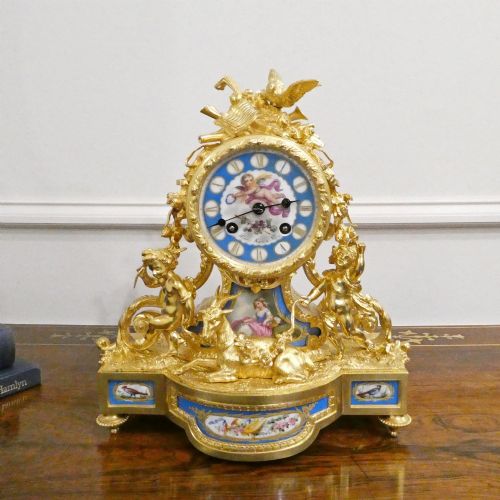
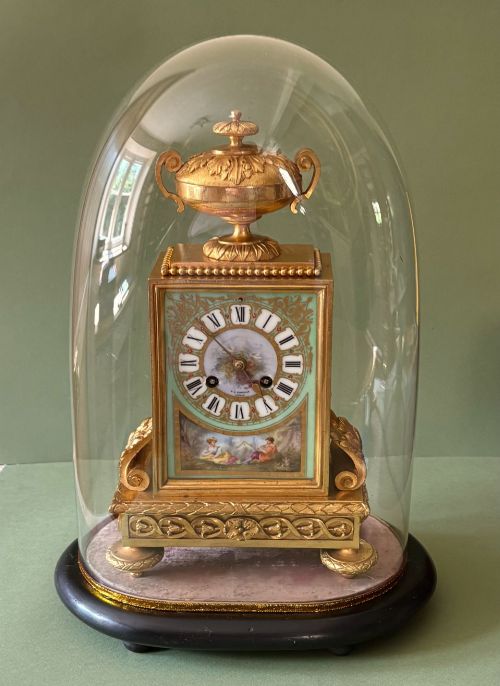
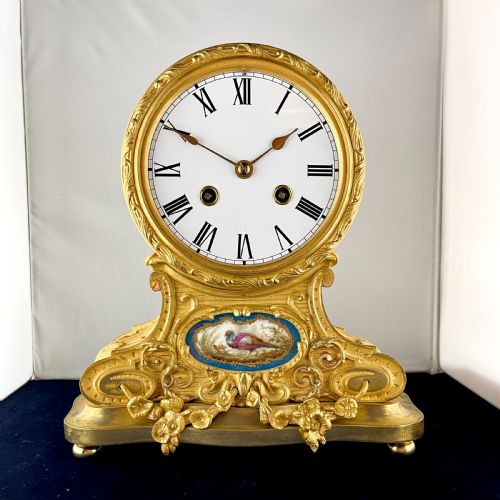
When searching for an antique porcelain table clock, collectors encounter works principally from the nineteenth century, spanning periods from the 1850s to the 1890s and including Victorian examples. The forms available range from traditional mantel clocks and drum head clocks to ornate urn-shaped models and carriage clocks.
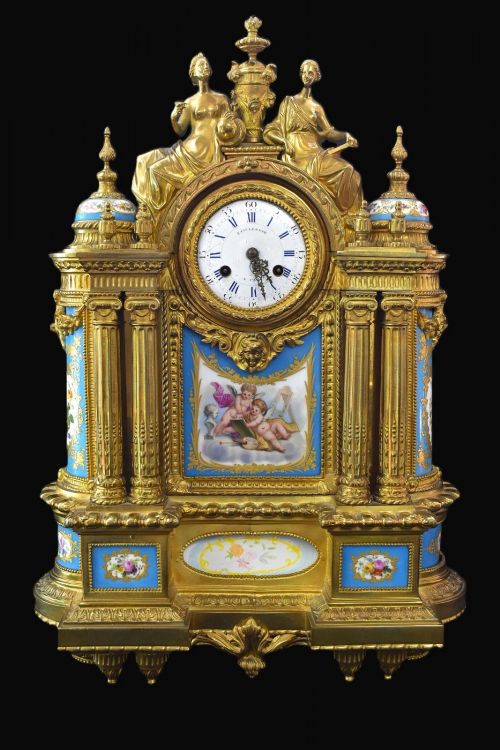
Most items originate from French makers working in styles such as Louis XVI Revival, Rococo Revival, and Napoleon III. These designs frequently integrate painted ceramic panels with metallic cases, serving both a decorative and a timekeeping function in domestic settings.
Materials and construction
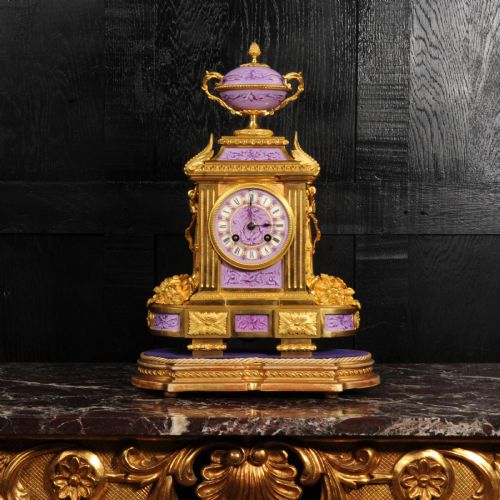
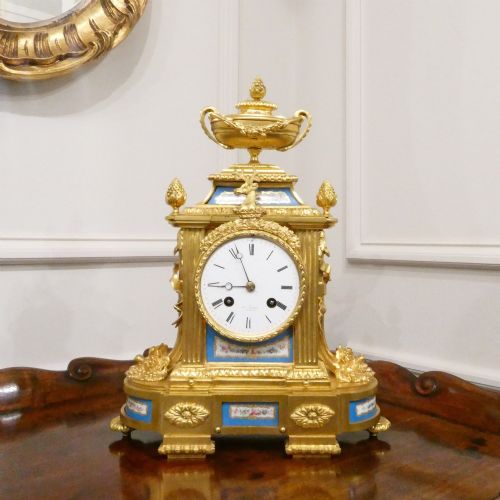
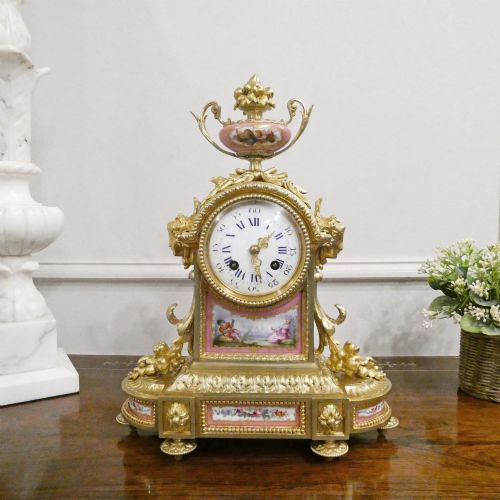
The construction relies heavily on combinations of porcelain, often associated with Sèvres, housed within frames of gilt bronze, ormolu, or gilt metal. Additional elements in glass, enamel, marble, and brass appear across the various nineteenth-century movements and cases.
Makers utilised cast metal mounts to frame hand-painted ceramic plaques and dials, combining foundry work with precision horology. The resulting structures range from architectural mantel pieces to delicate boudoir clocks.
Listings feature porcelain, gilt bronze, and ormolu extensively across nineteenth-century French mantel clocks and garnitures.
Distinctions in standard
Quality separates standard production items from pieces bearing signatures of notable mechanists and porcelain studios. The crispness of the gilt bronze chasing and the delicacy of the hand-painted porcelain motifs determine the upper tier of the range.
The integration of the movement with the ceramic housing also dictates the standard, where fully restored mechanisms by recognised clockmakers elevate the piece above unsigned variations.
Japy Freres·Jean-Baptiste Delettrez·Achille Brocot·Henry Marc·Etienne Lenoir·Rodier·PH Mourey·Drocourt·Le Roy et Fils·Meissen
The Antique Porcelain Table Clock Glossary
- Ormolu
- A gilded bronze technique utilising an amalgam of mercury and gold applied to a brass or bronze base. This finish produces a warm, characteristic sheen found on many nineteenth-century French clock cases.
- Sèvres
- A type of porcelain originating from the famous French manufactory, frequently incorporated into decorative clock panels. These ceramic inserts typically display hand-painted scenes or floral motifs.
- Drum head clock
- A clock design featuring a circular dial housing mounted on a pedestal or base. This specific form often pairs porcelain bodies with gilt metal mounts.
- Carriage clock
- A small, portable spring-driven timepiece originally designed for travel. They commonly feature glass panels allowing visibility of the escapement within.
Antique Porcelain Table Clock: Frequently Asked Questions
Where were these clocks placed historically?
These timepieces typically occupied prominent positions on mantelpieces in formal reception rooms and parlours during the Victorian era. Their decorative presence suited domestic spaces designed for entertaining guests.
Smaller boudoir variations occasionally appeared on tables or desks in private chambers, functioning both as decorative objects and practical timekeepers.
How do I identify a Louis XVI Revival style clock?
Louis XVI Revival pieces often display symmetrical neoclassical motifs, rectilinear architectural forms, and urn shapes. These designs draw inspiration from eighteenth-century French aesthetics.
They frequently combine gilt bronze mounts with Sèvres porcelain panels, contrasting with the more asymmetrical curves found in Rococo Revival examples.
How are these clocks powered and wound?
The mechanisms inside these nineteenth-century pieces rely on spring-driven movements regulated by escapements. Winding typically requires a specific key to tension the mainspring.
Many surviving examples operate on eight-day movements, requiring attention roughly once a week to maintain accurate timekeeping.