




Antique Porcelain Sweetmeat Dish
An antique porcelain sweetmeat dish is a decorative table piece designed for confectioneries, bringing period elegance to any formal setting.
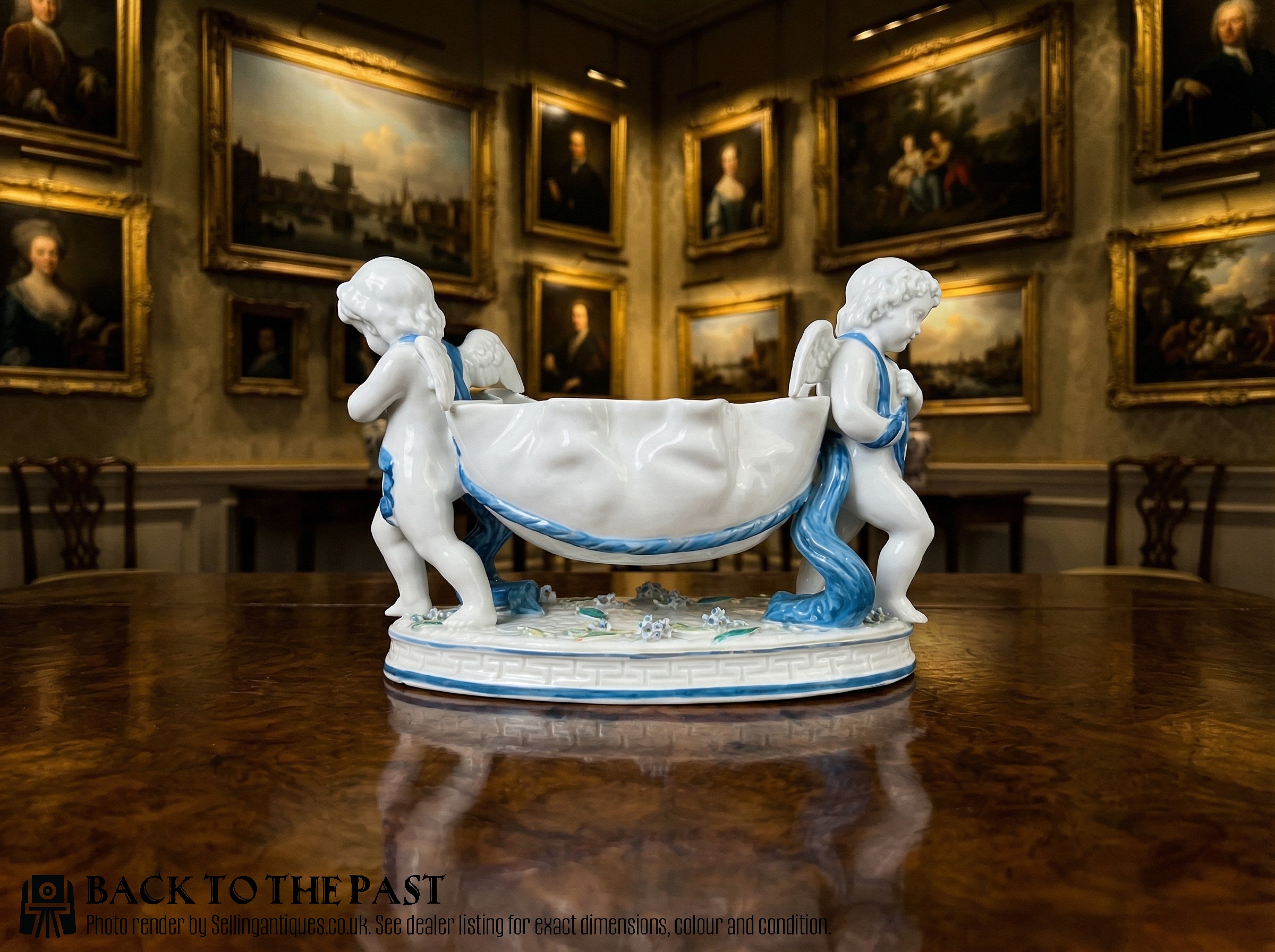
What they are
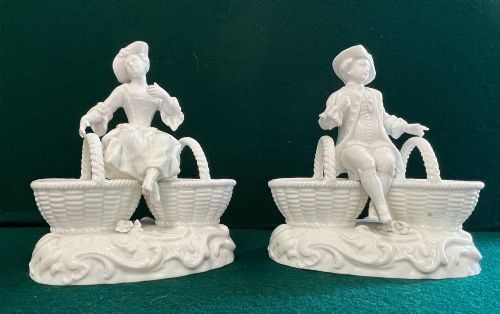
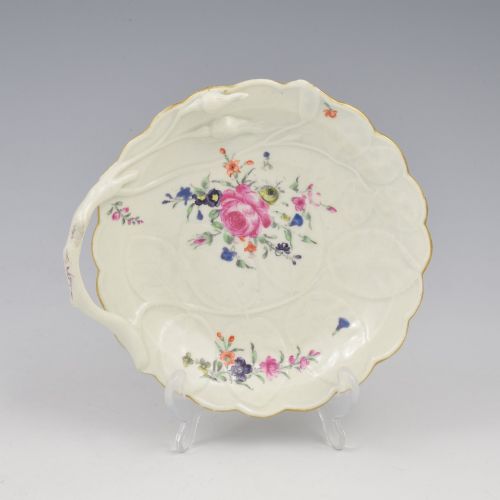
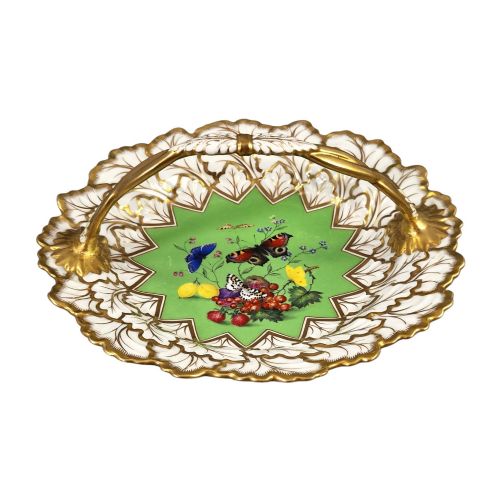
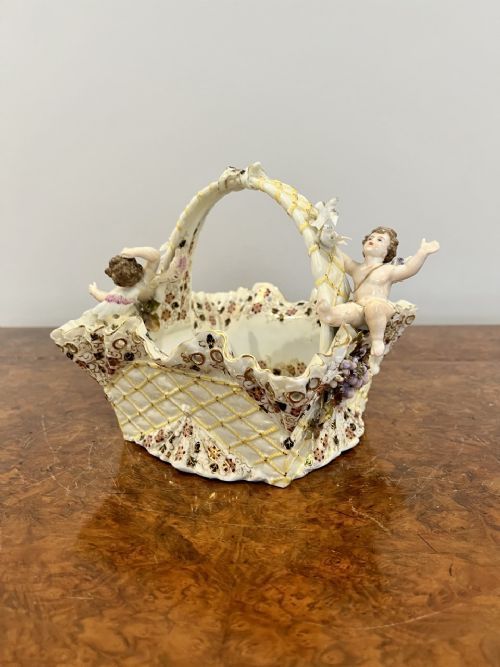
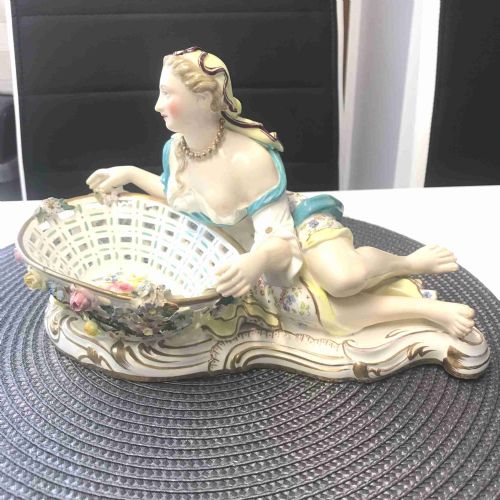
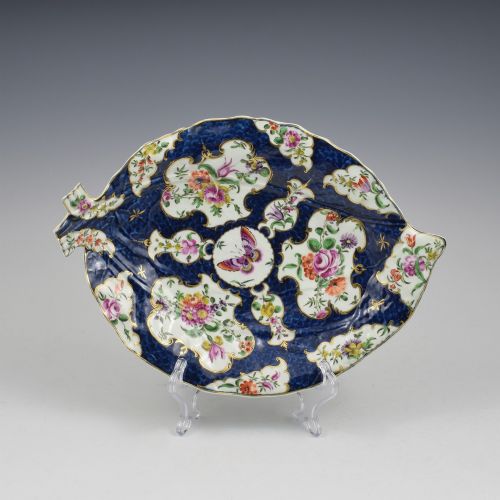
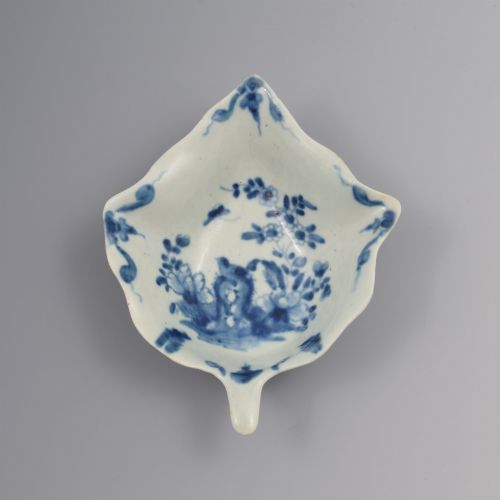
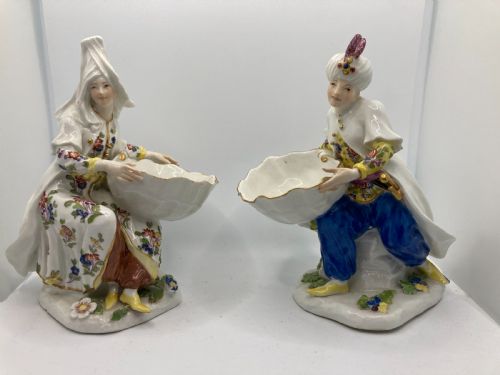
An antique porcelain sweetmeat dish serves as a refined vessel for small sweet confections, nuts, or preserved fruits during formal dining occasions. These items range from distinct pickle leaf forms and shell stands to dessert baskets and centrepiece bowls. They reflect the dining customs of the eighteenth and nineteenth centuries, often taking organic shapes inspired by nature.
The pieces available span several key periods, predominantly featuring eighteenth century examples alongside Regency and Victorian items. Makers and manufacturers of this era utilised porcelain to create intricate table ornaments that doubled as functional serveware. Buyers encounter continental porcelain groups alongside specific English factory productions.
How they were made
The physical construction of these items relies on soft-paste porcelain and standard porcelain bodies, shaped into specific botanical or marine forms such as leaves and shells. Artisans applied detailed enamel painting directly onto the ceramic surface, often incorporating hand-painted motifs like floral patterns and birds. Gilt accents were frequently added to highlight the moulded edges and rims.
Firing techniques of the period required precise kiln control, particularly for soft-paste porcelain compositions common in eighteenth-century workshops. Painters utilised mineral-based enamels that fused with the glaze during secondary firings, securing the vibrant colours seen on pickle dishes and sweetmeat stands.
Retail Price Guide 2026
Typical UK retail prices for porcelain sweetmeat dish, calculated from the Sellingantiques database of over a million retail prices indexed since 2003. This retail price guide relies exclusively on Sellingantiques data; no external sources or auction records are used, so the figures do not describe the wider market.
Early porcelain makers occasionally painted exotic birds atop random green leaves, purely because patrons enjoyed bizarre flora.
What varies in quality
Quality rests primarily in the crispness of the original moulding and the precision of the hand-painted enamel work. Pieces featuring defined leaf veins, distinct shell ribs, and carefully executed bird or floral patterns demonstrate superior craftsmanship from skilled decorators.
The application of gilding and the purity of the porcelain body further distinguish finer examples from standard production pieces. Superior items maintain sharp relief work and balanced compositions across dessert baskets and centrepiece bowls.
Flight Barr and Barr
The Antique Porcelain Sweetmeat Dish Glossary
- Soft-paste porcelain
- An artificial ceramic composition fired at lower temperatures than hard-paste porcelain, common in eighteenth-century English factories. It produces a warm, slightly translucent body well-suited to early enamelling.
- Sweetmeat stand
- A elevated serving vessel created for confectionery items, nuts, and dry fruits. These often feature shell or tiered leaf designs.
- Enamel
- Vitreous coloured decoration applied over the glazed porcelain surface and fixed in a muffle kiln. This technique allowed for rich palettes on pickle leaf dishes and dessert baskets.
- Gilt
- Gold leaf or powdered gold suspension applied to the ceramic surface to accent rims and moulded details. It adds a reflective quality to Regency and eighteenth-century tableware.
Frequently Asked Questions
How were sweetmeat dishes used historically?
These dishes were placed on dining tables during the dessert course to hold sweet delicacies, sugared fruits, and spiced nuts. Wealthy households utilised them as both functional serveware and decorative centrepieces.
Their intricate designs in porcelain and enamel added visual interest to the table setting alongside larger centrepiece bowls and dessert services.
What materials make up these antique dishes?
The pieces are constructed from porcelain or soft-paste porcelain bodies formed into natural shapes like leaves or shells. Artisans decorated the surfaces using coloured enamels and applied gilt accents along the rims.
Manufacturing methods varied between eighteenth-century soft-paste bodies and later nineteenth-century continental porcelain production techniques.
How do I care for antique porcelain sweetmeat dishes?
These delicate items require gentle hand washing in warm water with mild soap, avoiding modern dishwashers entirely. Soft cloths prevent scratching the fragile enamel decoration and gilt surfaces.
Displaying or storing them away from direct sunlight and high traffic areas protects the historic porcelain body from accidental damage.
How do I date an antique sweetmeat dish?
Dating relies on examining the porcelain paste, glaze characteristics, and the style of hand-painted enamel decoration. Eighteenth-century pieces often feature soft-paste bodies and specific hand-painted motifs, while Regency and Victorian items display different manufacturing traits.
Comparing the moulded form and potting technique to documented examples helps establish the period of origin.