







Antique Porcelain Flower Pots
These antique porcelain flower pots combine horticultural utility with expressive ceramic artistry, offering interiors a traditional touch of refined botanical display.
Antique Porcelain Flower Pots
These pieces encompass diverse forms designed to house plants and flowers, including jardinieres, planters, cachepots, and bough pots. When exploring antique porcelain flower pots, buyers encounter functional vessels intended to hold potted flora or cut stems securely within domestic spaces.
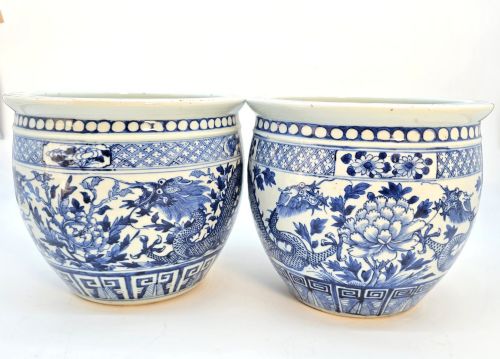
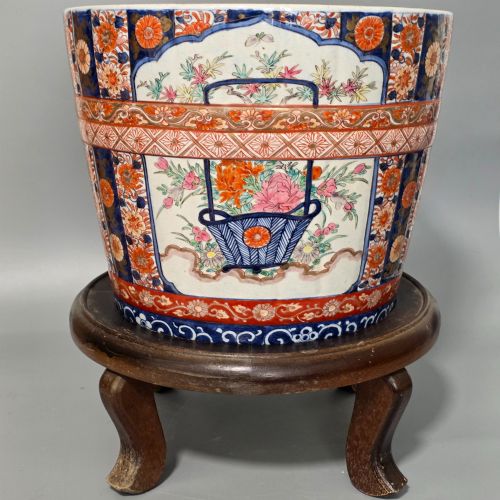
Formations range from robust globular jars and fluted cachepots to specific shapes like oval jardinieres accompanied by matching stands. Each item reflects the distinct aesthetic priorities of periods such as the Georgian, Victorian, Edwardian, and Meiji eras.
Materials and methods
Potters utilised hard-paste and soft-paste porcelain, alongside ironstone and ceramic bodies, shaped by hand or cast in moulds before firing. Glazes provided a smooth impervious surface, while cobalt underglaze supplied durable blue decoration beneath the glass layer.
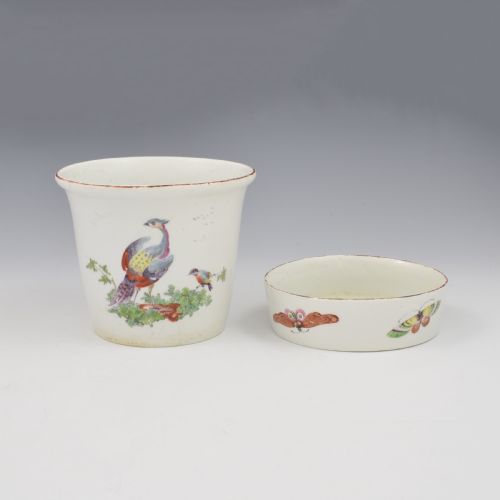
Decoration relied on skilled hand-painting utilising enamel pigments, often enriched with gold leaf or gilt details to highlight intricate motifs. Specific techniques involved polychrome applications for floral and avian scenes, alongside transfer printing and specialised blush ivory surface treatments.
Cattle grazing peacefully across blush ivory surfaces remind us that Victorian pottery could turn a simple plant pot into a pastoral pasture.
Assessing craftsmanship and finish
Quality reveals itself in the precision of the ceramic body's formation and the stability of the glaze finish, distinguishing heavy utility vessels from finely potted display pieces. Superior examples exhibit crisp moulding lines and balanced proportions that endure heavy use without structural compromise.
The application of enamel and gilding dictates the upper tier of the range, where detailed brushwork renders botanical and avian subjects with clarity. Finely executed hand-painted scenes demonstrate superior artistic control compared to simpler production methods.
Mason s Ironstone·Royal Worcester·W Factory·Coalport
The Antique Porcelain Flower Pots Glossary
- Jardiniere
- A large ornamental pot or stand, typically ceramic, designed to hold a live plant or flower arrangement.
- Cachepot
- An ornamental container used to conceal an ordinary flowerpot, featuring a solid base to catch drainage water.
- Bough pot
- A vessel specifically formed with a pierced cover to hold cut branches and stems of flowers.
- Famille rose
- A palette of opaque enamels dominated by pink, developed in China during the eighteenth century.
- Blush ivory
- A matte cream-coloured porcelain finish popularised by English potteries during the late nineteenth century.
Antique Porcelain Flower Pots: Frequently Asked Questions
What is a bough pot?
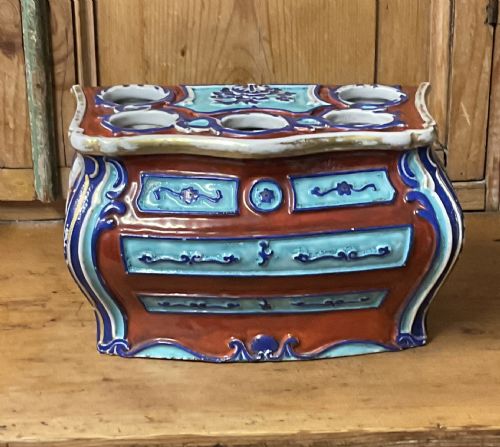
A bough pot is a specialised ceramic vessel equipped with a pierced lid designed to hold cut branches and floral stems. These pieces served as decorative room ornaments in traditional interiors.
They appear in various forms, including bombe commode shapes, allowing for elegant seasonal arrangements on furniture tops.
How do I use a cachepot?
A cachepot functions as an outer decorative container that holds a plain plant pot inside. It prevents water from damaging wooden surfaces by catching drainage.
These vessels allow you to display live plants directly in living spaces while maintaining a decorative exterior.
Are these pots waterproof?
Most porcelain and ceramic pots hold water effectively due to their glazed interior surfaces. However, older soft-paste bodies or pieces with hairline fractures require careful monitoring.
Using a protective liner inside antique vessels safeguards the historical ceramic material from moisture damage.