



Antique Porcelain Collector
These antique porcelain collector pieces span multiple centuries of ceramic artistry, offering tangible connections to historical European and Asian kilns.
Antique Porcelain Collector
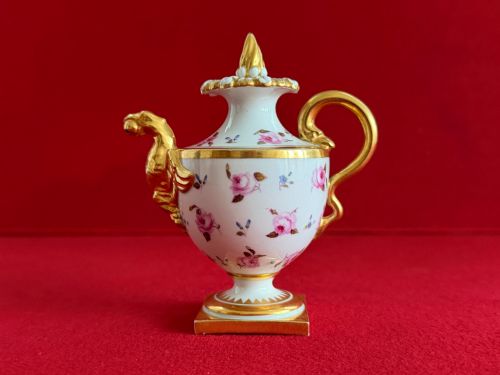
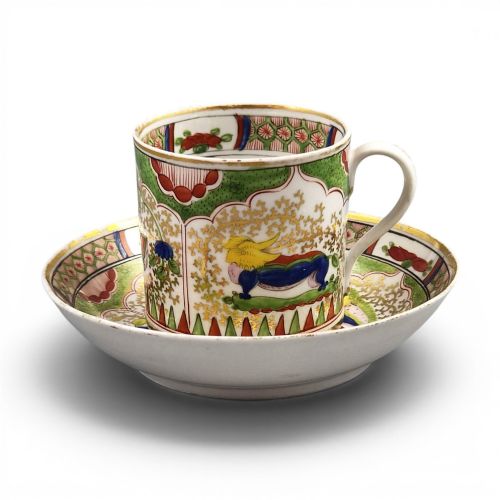
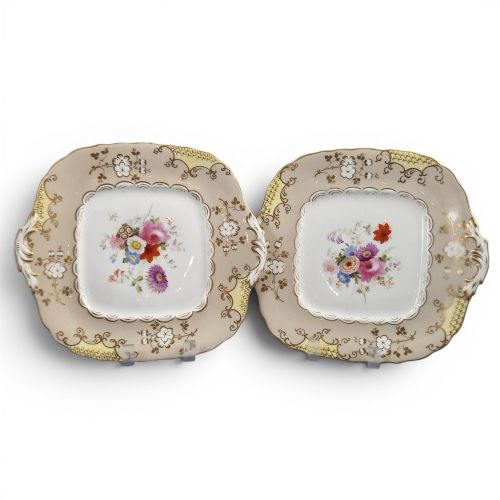
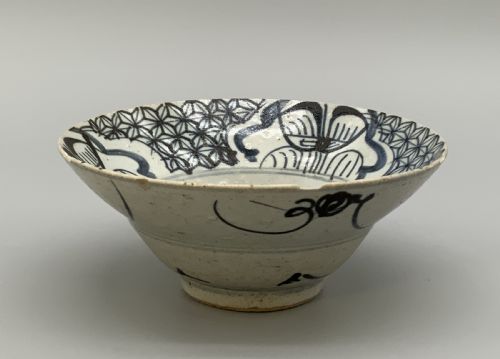
When you search for an antique porcelain collector item, you encounter a diverse array of utilitarian and decorative objects originating from various European and Asian traditions. The selection includes teacups and saucers, cabinet plates, porcelain figurines, dessert dishes, and decorative bowls spanning from the seventeenth century to the twentieth century.
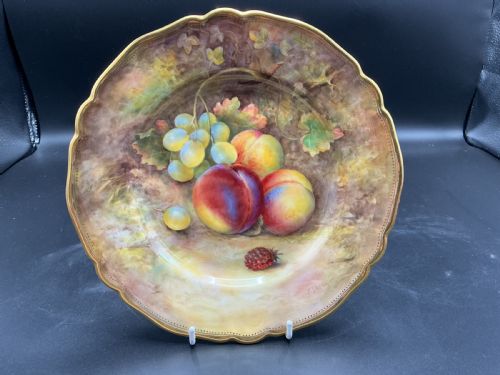
You are most likely to meet nineteenth-century English and continental productions on this page, including wares from factories such as Worcester, Meissen, and Royal Worcester. These pieces range from functional tableware designed for Regency dining to decorative cabinet pieces created to showcase the ceramic artist's skill.
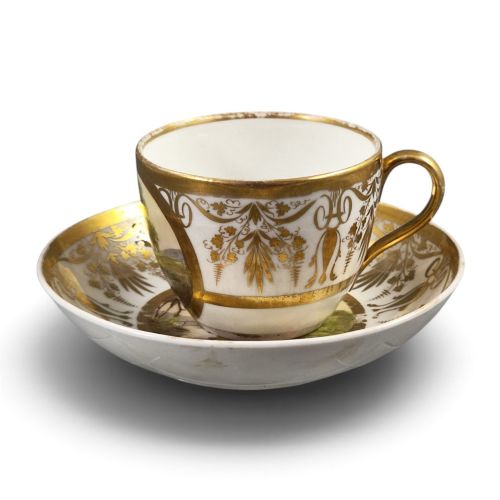
The category also encompasses specialised items such as pate-sur-pate plates, cabinet cups with painted landscapes, and figural groups depicting human subjects. Each form reflects the aesthetic preferences and technical capabilities of its specific period, from Georgian classicism through to Edwardian ceramic art.
Materials and production methods
The construction of these pieces relies primarily on hard-paste porcelain and standard ceramic body formulations shaped into vessels and figures. Artisans utilised specialised moulding and throwing techniques to achieve the thin walls and intricate contours characteristic of fine ceramic art.
Surface decoration frequently incorporates enamel paints, gold leaf, and delicate gilding applied by hand over or under the glaze. Advanced techniques such as pate-sur-pate involved building up layers of slip to create low-relief cameos against a contrasting coloured ground.
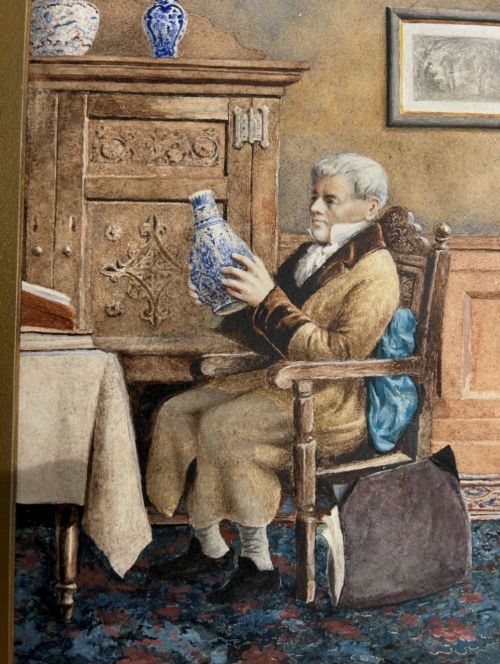
Framing materials and secondary supports appear in related works, such as watercolour paintings on paper housed in wood frames that depict ceramic subjects. The firing processes required precise temperature control in kilns to vitrify the paste and fix the polychrome pigments.
Antique Porcelain Collector Retail Price Guide 2026
Typical asking prices for porcelain collector among the pieces listed under this phrase on Sellingantiques today, from the lower quarter to the upper quarter. They describe what is for sale here now, not the wider market.
Listings feature porcelain and enamel objects spanning from the seventeenth century through the 1930s.
Evaluating quality and execution
The crispness of the porcelain mould and the precision of the gilding further separate standard production from superior work. Factory marks and attribution history, such as documented collections or known painter signatures, add significant provenance and contextual value to individual items.
Flight Barr And Barr·KPM Berlin·Royal Worcester·Coalport·La Coutille Factory·Mintons·Meissen
The Antique Porcelain Collector Glossary
- Hard-paste porcelain
- A true ceramic composition made from petuntse and kaolin, fired at high temperatures to produce a dense, vitrified body that resists scratching.
- Pate-sur-pate
- A French ceramic technique where liquid white porcelain slip is painted layer by layer onto a darker body to form a translucent cameo relief.
- Cabinet plate
- A decorative ceramic plate intended for display in a cabinet or on a wall rather than for practical dining use.
- Enamel
- Low-melting glass-based pigments applied over a fired glaze and subjected to a secondary low-temperature kiln firing to fix the colours.
- Gilding
- The application of gold leaf or powdered gold suspended in a medium to the surface of porcelain, often burnished to a bright finish.
Antique Porcelain Collector: Frequently Asked Questions
How do I care for antique porcelain?
Wash porcelain pieces gently by hand using lukewarm water and mild soap, avoiding dishwashers and harsh abrasive sponges. Keep them away from direct sunlight and extreme temperature fluctuations to protect the enamel and gilding.
Store cabinet plates and cups securely on stable surfaces or dedicated plate stands. Handle figurines by their most robust sections rather than delicate protruding elements like fingers or decorative trim.
What is a cabinet cup and saucer?
A cabinet cup and saucer is a decorative ceramic set produced primarily for display in a drawing-room cabinet rather than for daily consumption of tea or coffee. These pieces typically feature elaborate hand-painted landscapes, portraits, or rich gilding.
Such items were collected by connoisseurs who prized artistic execution over utilitarian function. They frequently bear the marks of prominent European factories from the Georgian and Regency periods.
How are porcelain figures dated?
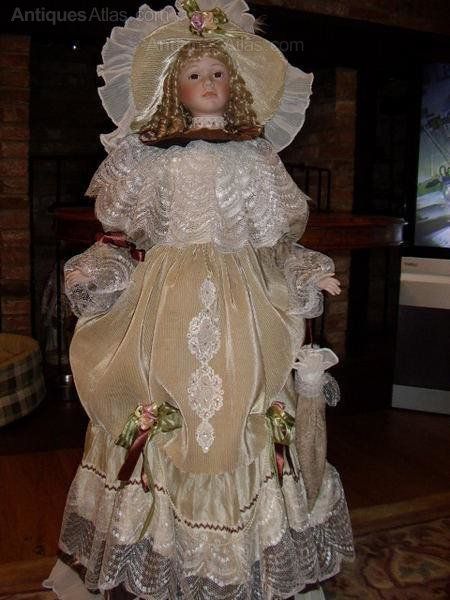
Dating porcelain figures involves examining the paste composition, glaze characteristics, style of clothing, and factory marks stamped or painted on the base. Archival records from manufacturers help match specific mould numbers and painter ciphers to active operational years.
Stylistic cues such as the modelling typical of the eighteenth century versus the Victorian era provide immediate chronological context. Comparative study with documented museum examples confirms the likely period of manufacture.
What distinguishes hard-paste porcelain?
Hard-paste porcelain is composed of natural kaolin clay and petuntse, fired at extremely high temperatures to fuse the body and glaze into a unified vitreous material. It is distinguished by its bright white colour, translucent quality, and resistance to acids.
Unlike soft-paste alternatives, hard-paste ceramic does not scratch easily with a steel point. This durability made it the preferred medium for fine European and Asian tablewares and decorative objects.