

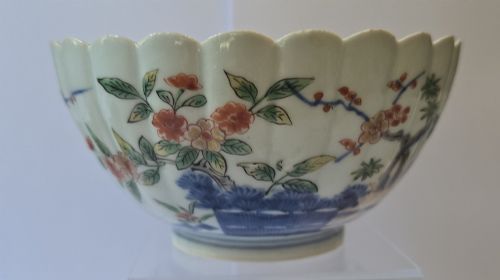
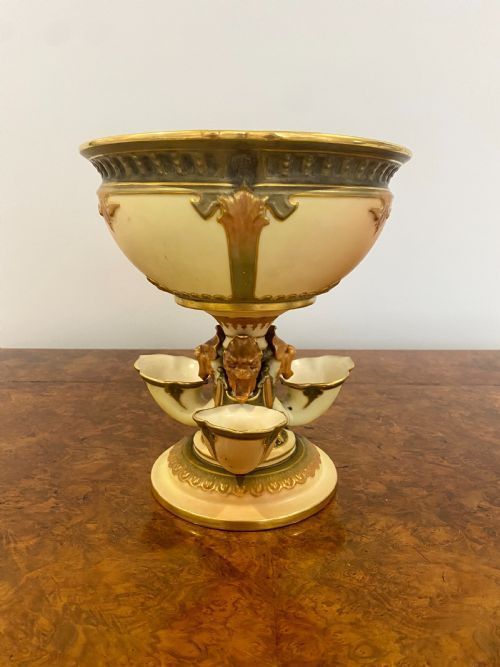
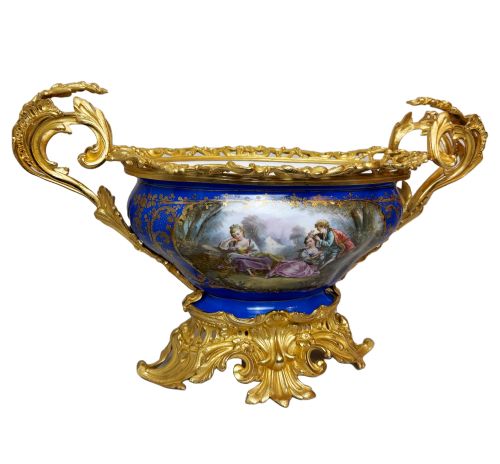
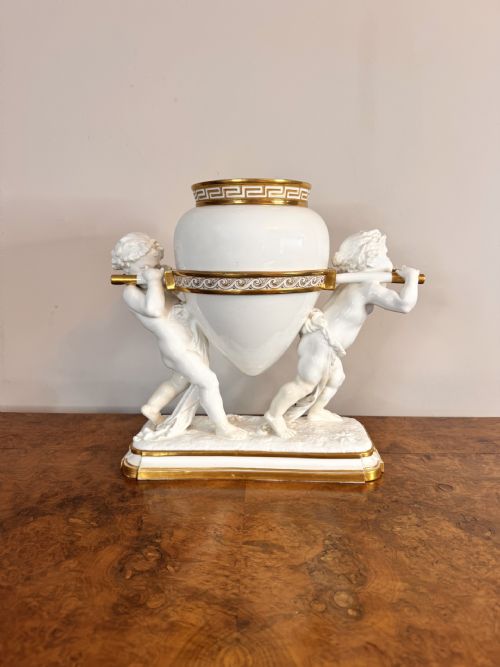

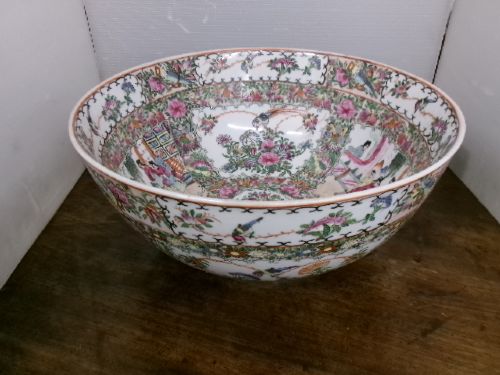
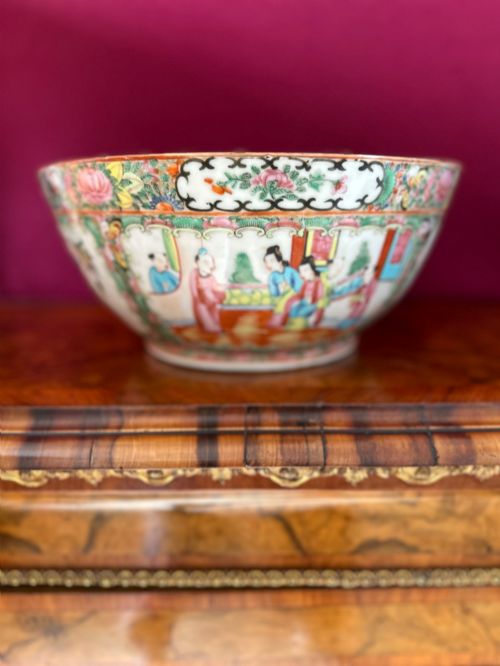
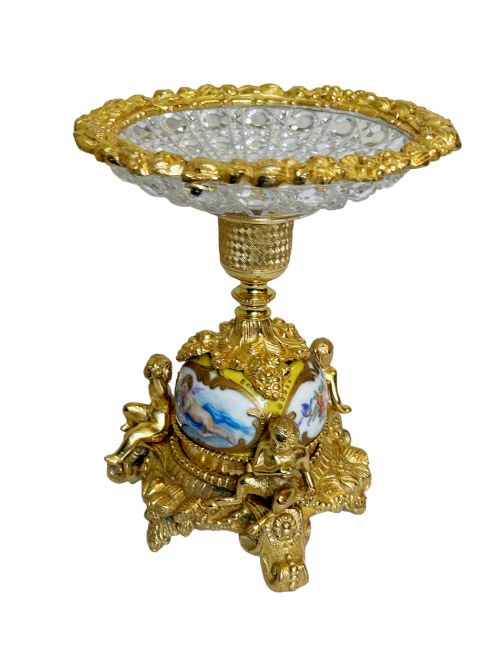
Antique Porcelain Centerpiece Bowl
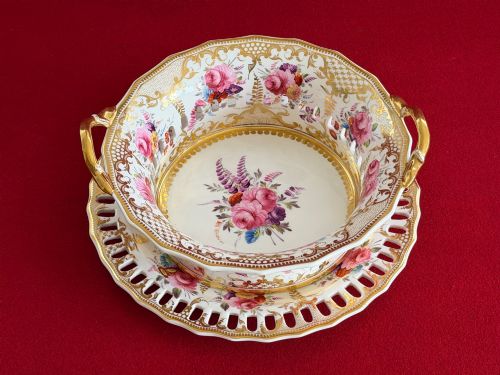
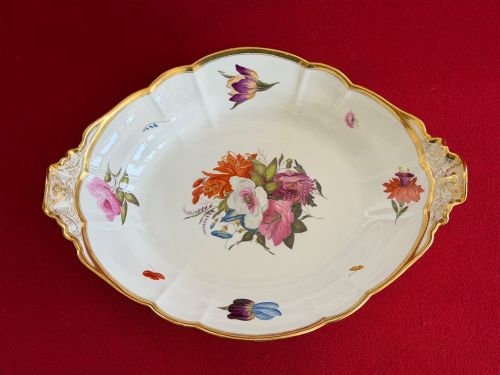
An antique porcelain centerpiece bowl anchors a dining table or cabinet, combining ceramic form with hand-painted detail from the Georgian period onward.
Antique Porcelain Centerpiece Bowl
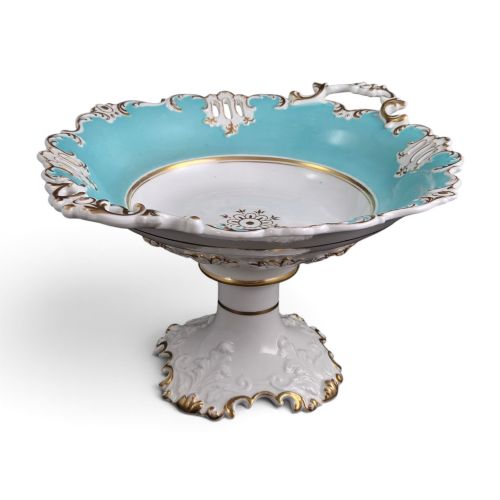
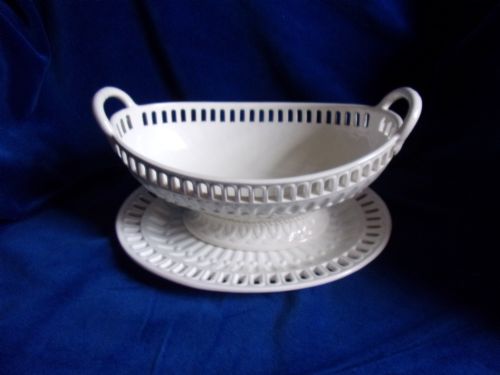
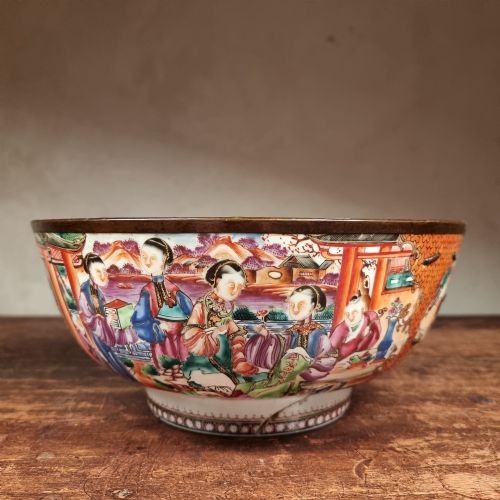
The antique porcelain centerpiece bowl encompasses footed comports, tazzas, open baskets, and large punch bowls spanning the 18th, 19th, and early 20th centuries.
Makers from English factories, French workshops, German kilns, and Asian export centres produced these vessels for display and formal dining.
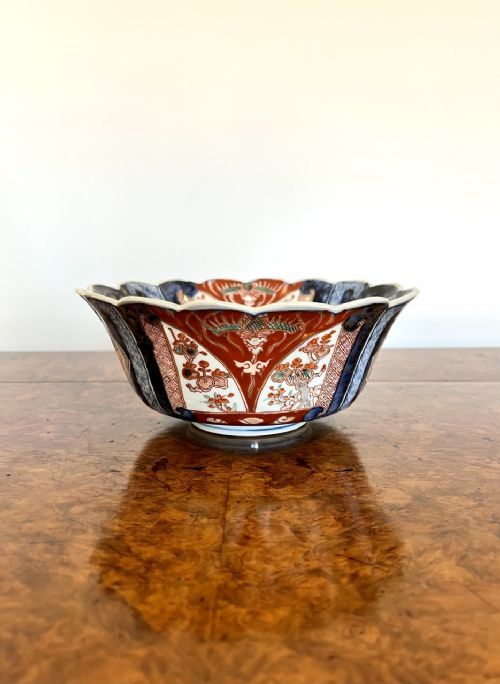
Buyers frequently encounter Victorian and Edwardian interpretations alongside earlier Georgian and Meiji period Japanese pieces on this page.
Materials and Technique
Potters shaped ceramic, bone china, and ironstone into elaborate vessels, often applying detailed glaze and enamel decoration by hand.
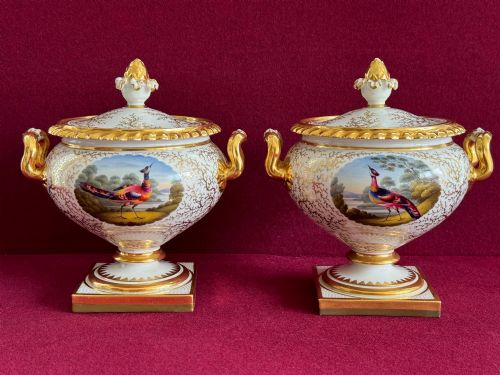
Many items incorporate gold leaf, gilding, or ormolu and gilt bronze mounts to elevate the ceramic body.
Openwork baskets and floral encrustations demonstrate advanced moulding and manual assembly techniques practised by period artisans.
Antique Porcelain Centerpiece Bowl Retail Price Guide 2026
Typical asking prices for porcelain centerpiece bowl among the pieces listed under this phrase on Sellingantiques today, from the lower quarter to the upper quarter. They describe what is for sale here now, not the wider market.
Listings span the 18th, 19th, and early 20th centuries, uniting English bone china, French porcelain, German ceramics, and Japanese Imari under one heading.
Craftsmanship and Painting
The refinement of hand-painted scenes, hand-applied enamels, and crispness of moulded detail distinguish superior examples from standard production.
Integration of secondary metals, such as champlevé enamel or gilt bronze mounts, dictates the complexity of the piece.
Preservation of the original glaze, gilding, and delicate porcelain elements remains central to the standing of any vessel.
Coalport·Sèvres·Meissen·Royal Vienna·Wedgwood·Worcester·Doulton Burslem
The Antique Porcelain Centerpiece Bowl Glossary
- Comport
- A raised dish or bowl on a foot, used for serving fruit or sweets at formal tables. These stand above standard tableware to create height in a table arrangement.
- Tazza
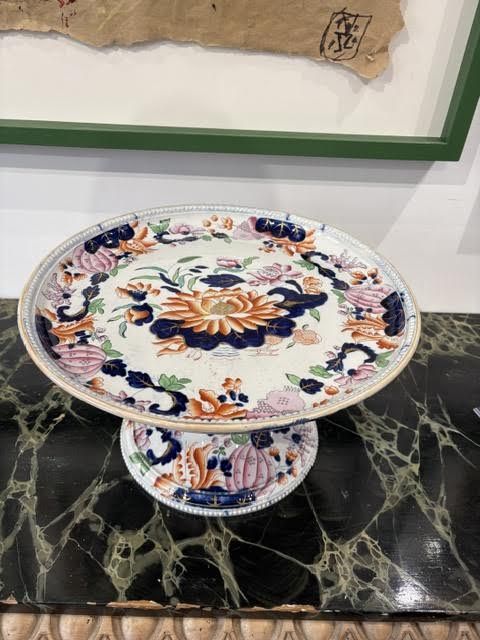
- A shallow bowl mounted on a pedestal stem, originating from Renaissance plate forms. Victorian iterations frequently utilise this shape for decorative display.
- Famille Rose
- A palette of Chinese ceramic glazes dominated by opaque pink enamel, introduced during the Qing Dynasty. This style appears extensively on export punch bowls.
- Imari
- A Japanese porcelain style featuring underglaze blue and iron red with supplementary gold, produced for both domestic and export markets. These pieces display intricate patterning.
- Biscuit
- Unglazed fired porcelain that presents a matte, white stone-like surface. It is often employed for sculptural figures and detailed basketwork.
Antique Porcelain Centerpiece Bowl: Frequently Asked Questions
What is an antique porcelain centerpiece bowl used for?
These vessels served as ornamental focal points on dining tables or sideboards, often holding fruit, flowers, or punch during formal gatherings.
Today, collectors use them primarily for display, placing them on tables, pedestals, or open shelving to highlight their painted scenes and ceramic forms.
How do I identify a Georgian piece?
Georgian items, dating from the 18th century into the early 19th century, typically exhibit hand-painted landscapes, floral sprays, or export patterns associated with factories like Derby and Worcester.
Look for traditional body compositions such as early bone china or ironstone, combined with classic period forms like chestnut baskets and punch bowls.
How should I clean porcelain with gilding?
Gilded and enamelled surfaces require gentle maintenance using a soft, dry cloth to remove dust without abrasive contact.
Water and cleaning solutions risk damaging delicate gold leaf and hand-painted details, so professional conservation advice should guide any deeper restoration.