


Antique Porcelain Brackets
These antique porcelain brackets bring sculptural elegance and ornamental display to a room, offering a decorative shelf or mount for small treasures.
Antique Porcelain Brackets
Antique porcelain brackets serve as decorative architectural ledges or wall supports designed to hold small objects, timepieces, or candles. When you search for antique porcelain brackets, you find pieces intended to project from the wall, combining ceramic bodywork with metal mounts.
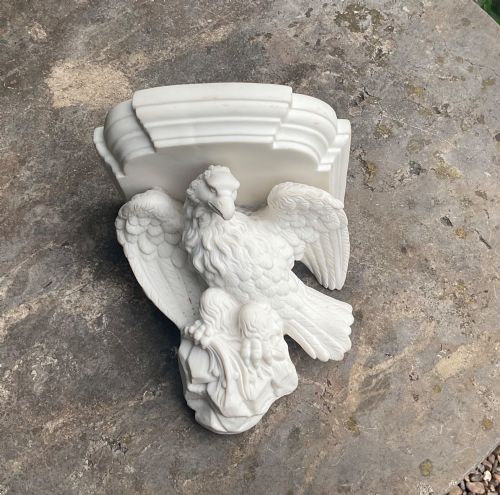
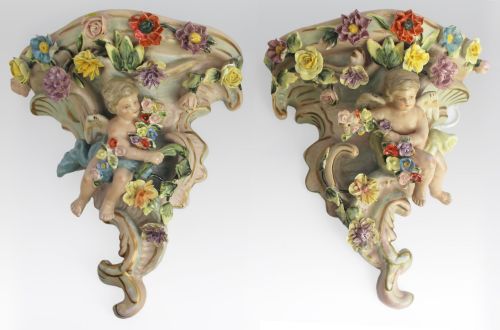
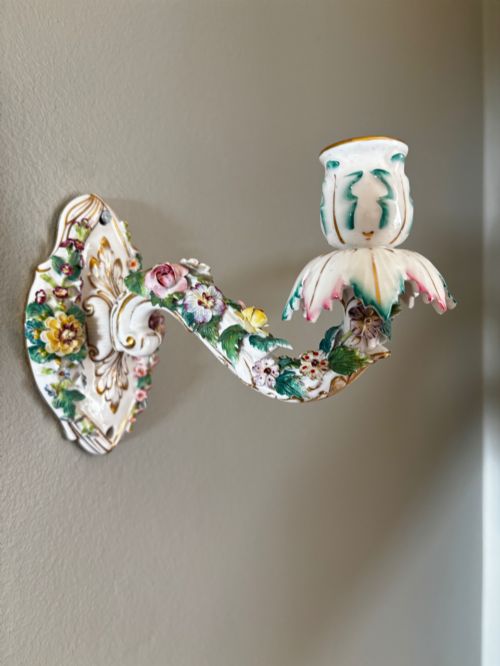
The selections span the Victorian era into the early twentieth century, taking forms such as wall brackets, wall corbels, and associated wall sconces. Many pieces incorporate figural elements like cherubs, birds, or floral details alongside the main shelf.
Origin and stylistic influence lean towards continental workshops, notably German and French traditions. Forms vary from single candle sconces to paired corbels and bracket-supported mantel clocks.
Materials and construction
The primary material is ceramic or porcelain, sometimes described as parian or blue and white. German and French factories shaped these clays into detailed figures and curved bracket bodies.
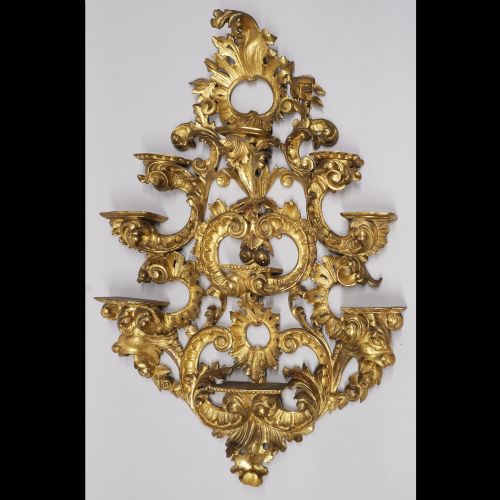
Metal mounts in ormolu, gilt bronze, brass, or gold leaf often frame or support the ceramic elements. Gilding and enamel add surface colour and highlight the sculptural contours of the porcelain.
Listings span periods from 1850 to 1930, featuring materials such as porcelain, ormolu, gilt bronze, and brass in Rococo Revival and aesthetic styles.
Assessing quality
Quality rests in the crispness of the porcelain modelling and the integration of the metal mounts. Finer examples display delicately formed figures, such as cupids or birds, with clean hand-painted or glazed details.
The weight and finish of the ormolu, gilt bronze, or brass components distinguish standard productions from superior pieces. Well-cast mounts fit the contours of the ceramic precisely, providing stable structure and ornamental harmony.
Meissen·Von Schierholz·Sevres
The Antique Porcelain Brackets Glossary
- Ormolu
- Finely ground high-carat gold applied to a bronze base, often used for mountings on decorative objects. This technique creates a rich golden finish that complements porcelain bodies.
- Parian
- A type of fine white unglazed porcelain developed in the nineteenth century to imitate marble. It allows for high detail in figural sculpture.
- Corbel
- A structural or decorative projection from a wall that supports a weight above it. In porcelain pieces, it serves as the bracket shelf.
- Sconce
- A wall-mounted fixture holding one or more candles or light sources. These often incorporate ceramic backplates and metal arms.
- Rococo Revival
- A nineteenth-century design style drawing on eighteenth-century French motifs with asymmetrical scrolls, shellwork, and natural forms.
Antique Porcelain Brackets: Frequently Asked Questions
What were antique porcelain brackets used for?
These pieces served as decorative wall shelves to display small ornamental items, figurines, or timepieces in period interiors.
They also functioned as candle sconces, combining reflected light with decorative ceramic and gilt metal mounts.
How do you mount an antique wall bracket safely?
Mounting requires assessing the weight of the porcelain body and the metal mounts against the wall structure. Professional installation using appropriate fixings ensures the bracket supports display items securely.
Care must be taken to distribute weight evenly across the shelf surface to protect the ceramic joinery.
How are different periods identified?
Dating relies on stylistic markers such as Rococo Revival scrolls or Aesthetic Movement lines, alongside the manufacturing characteristics of the porcelain and metalwork.
Victorian and later nineteenth-century pieces often show specific factory marks or mounting techniques common to German and French workshops of the era.
How do you clean antique porcelain and ormolu?
Dusting with a soft, dry brush preserves both the glazed porcelain surface and the delicate gilt bronze or ormolu mounts. Moisture and harsh cleaning agents can damage gilding and enamel details.
Professional conservation advice is recommended for pieces with structural fragility or worn metalwork.